Before You Spend It: The $1 Bill Pattern Collectors Are Paying Big Money For
That crumpled dollar bill sitting in your wallet right now might actually be worth hundreds, even thousands of dollars. You just need to know where to look. The secret isn’t in the age of the bill or some rare printing mishap, though those matter too. It’s in those eight little digits printed on the front. The eight-digit code on each note determines whether it’s worth a buck or a fortune, and collectors pay hundreds for the right combinations.
Approximately 14 billion $1 bills currently circulate, which sounds like a lot. It is. Yet hiding among those billions are bills with serial numbers so unusual, so mathematically elegant, that collectors will fork over serious cash to own them. Let’s be real here, most people don’t even glance at their dollar bills before handing them over at the checkout. That’s a mistake you won’t want to make again.
The Ladder Pattern That Could Change Your Life
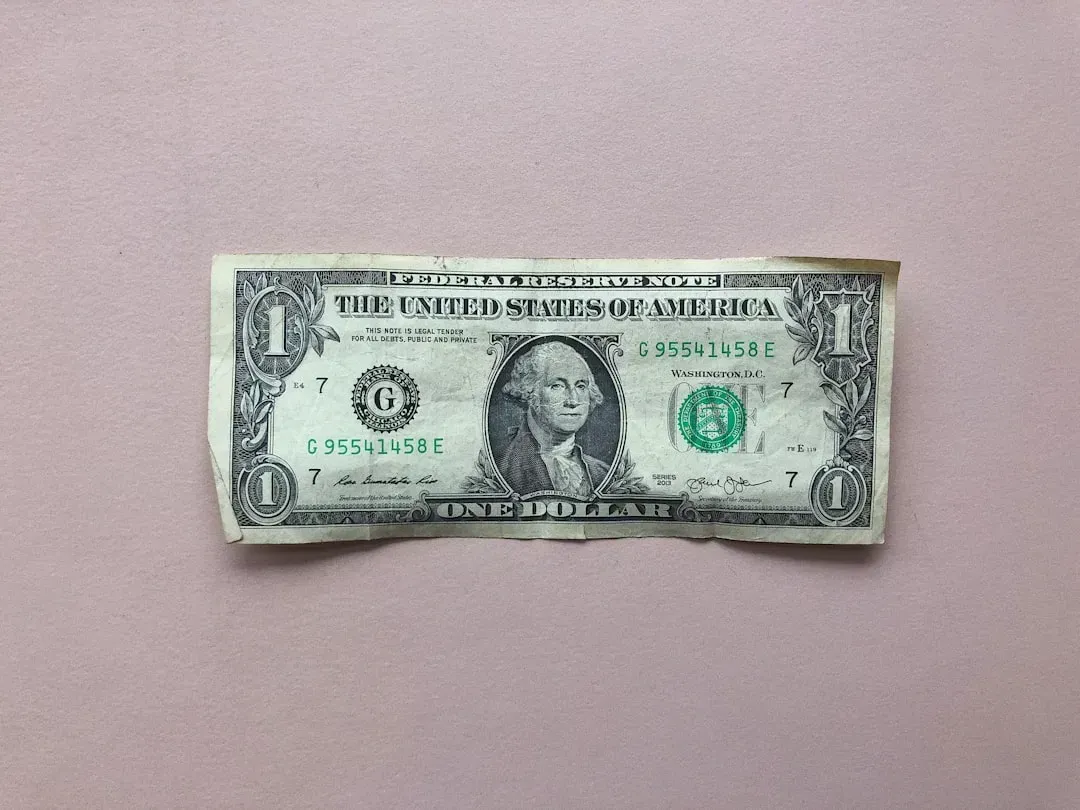
A seemingly ordinary $1 bill overlooked for years turned out to be an ultra-rare note with a serial number pattern so unique that it confirmed by experts as having a ladder serial number that has fetched several thousand dollars at auction. True ladders display consecutive ascending (12345678) or descending (87654321) digits, making them extraordinarily rare finds that collectors pay $600 to $2,100 for, depending on condition and completeness.
The thing about ladder numbers is they’re astonishingly rare. The rarest combinations, such as solids, ladders, and radars, appear roughly once per million bills. Think about it like this: you’re looking for perfect sequential order in a system designed to be random. The descending variety is actually scarcer than ascending because most series never reach the highest sequential numbers before production ends. Honestly, finding one is like winning a lottery you didn’t know you entered.
Solid Numbers and Why They’re Worth Up To $1,000
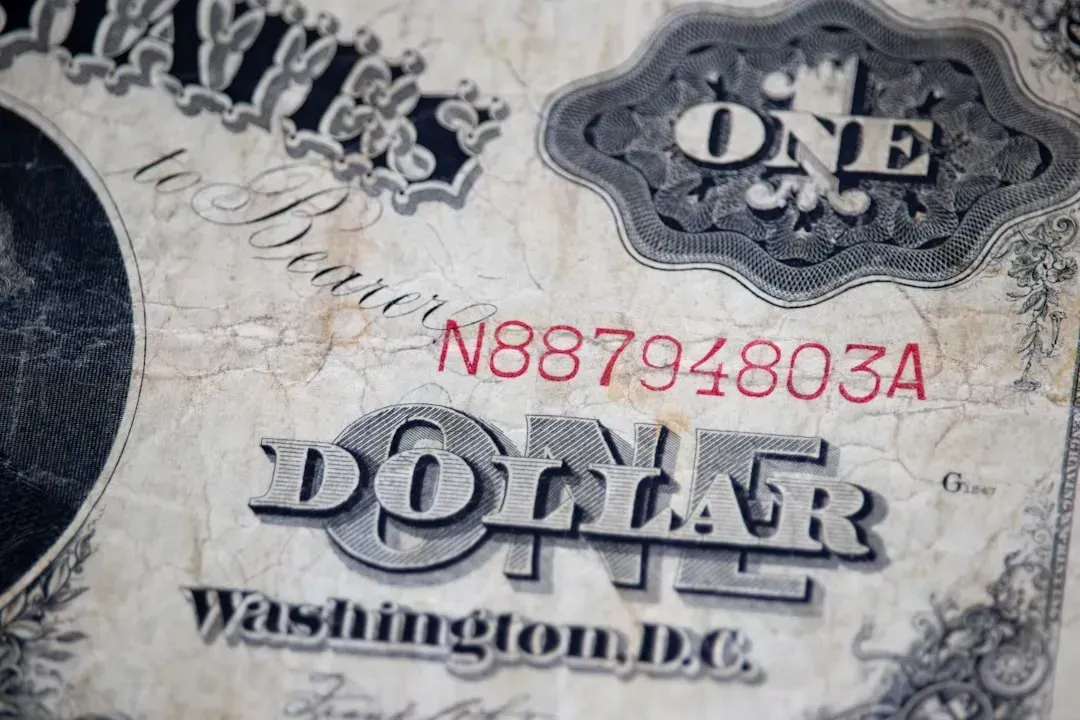
Imagine pulling out a dollar bill and seeing 88888888 staring back at you. Every single digit identical. A solid serial number is one where every digit is the same, like 55555555, and only about one out of every 10 million notes is a solid, which can be worth $500 or more. That’s not just rare, it’s astronomically uncommon.
A solid 88888888 in circulated condition might bring $500, while uncirculated it jumps to $1,000 or more. The condition matters enormously, more on that later. Solid serial numbers consisting of 9’s, 8’s, 7’s and 6’s are the most valuable, with bills containing only 9s being rare and mostly appearing in older series, making them extra valuable. There’s something hypnotic about seeing the same number repeated eight times. Collectors feel it too, which is why they’re willing to pay big.
The 2013 Printing Error Worth $150,000
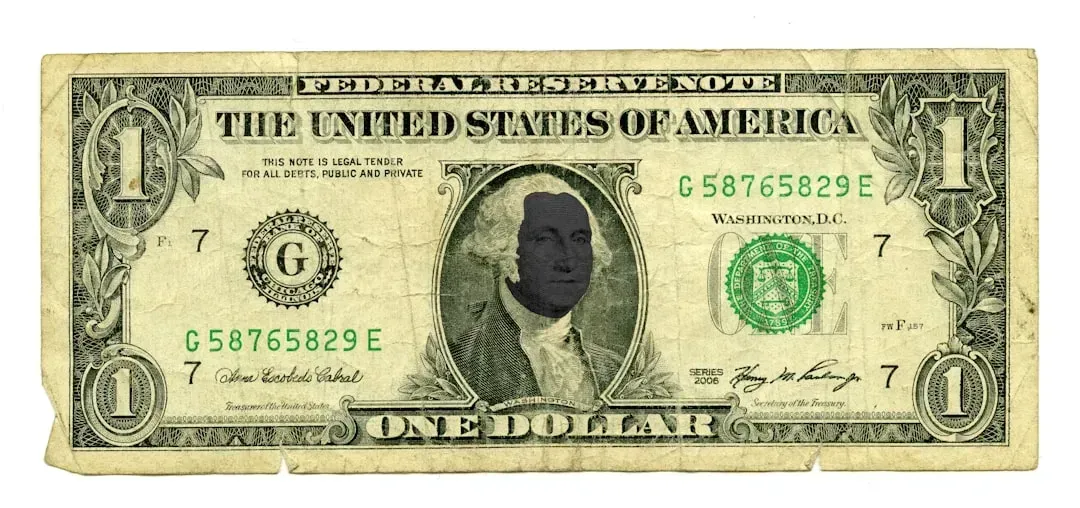
Here’s where things get wild. In 2014, the Fed issued an order to its Washington, DC branch to print a batch of one-dollar bills, then two years later ordered an identical batch printed at the Federal Reserve in Fort Worth, Texas, and due to a miscommunication, the two branches printed identical serial numbers. This was a massive mistake, the kind that makes bureaucrats sweat. Between 2014 and 2016, the Bureau of Engraving and Printing accidentally released 6.4 million bills with duplicate serial numbers, most of which are still circulating today.
Although millions were issued, only a small number of pairs have been discovered so far, and depending on the condition, these pairs can sell for several thousand dollars, with high-grade examples fetching up to around $10,000 at auction. The catch? You need both bills. Finding one half of a matched pair is exciting yet incomplete. The bill must have these features: Series date reading “Series 2013,” a “B” Federal Reserve Seal above the serial number, and the serial number ending with a star and falling between B00000001★ through B00250000★ or B03200001★ through B09600000★.
Radar Numbers, Super Repeaters, and Other Hidden Gems
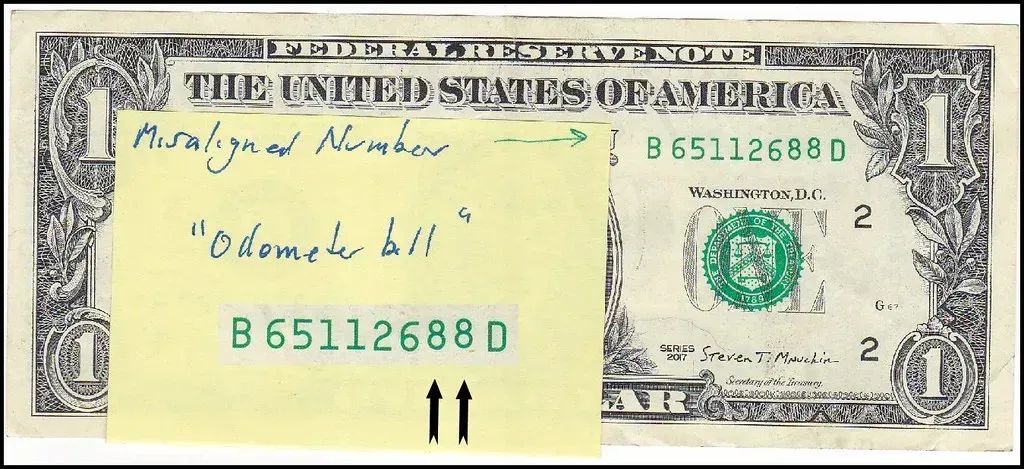
Serial numbers reading identically forward and backward are called radars, named after the palindromic word “RADAR,” with a basic radar in uncirculated condition selling for $25 to $50, but when only the end digits differ (27777772), values jump to $100 to $200, even on $1 bills. I find radars strangely satisfying to look at. There’s a symmetry that just works.
When just two digits alternate four times like 98989898 or 71717171, the value jumps to $80 to $120 above face, and these are significantly rarer than standard repeaters, occurring roughly once per million bills. Known as super repeaters, these bills catch the eye immediately once you know what you’re looking for. The first four and last four digits mirror each other in repeaters like 83428342, 67546754, or 31123112, and these patterns still command $25 to $50 premiums. Not life changing money, sure, but still far better than spending it on coffee.
Low Serial Numbers and the Holy Grail
Serial numbers below 00001000 command premiums starting at $300, with 00000001 reaching $15,000 for recent series, and the first bills printed in any run receive these coveted designations, making them inherently scarce. The lower the number, the higher the value. Simple math with not-so-simple payouts. Calvin Westfall, a vending machine operator in Parkersburg, Georgia, stumbled upon a $1 bill with serial number G00000001I, part of the 2013 Series G, which is the very first printed in its series.
An uncirculated bill of this caliber could fetch $15,000 or more in today’s market. Finding serial number 00000001 is like discovering a needle in a warehouse full of haystacks. These bills rarely enter circulation because they’re usually snatched up by collectors or government officials before they ever reach the public. People also enjoy collecting currency with high numbers, and these can be even more valuable than lower numbers because there are fewer in circulation, with bills marked 99999900 and higher being especially prized.
Those fancy serial numbers hiding in plain sight could be your ticket to a serious windfall. Whether it’s a perfect ladder, a solid run of eights, or one of those 2013 error bills, the point is the same: check your wallet before you spend. The combination of pattern rarity, bill condition, and collector demand determines the premium value. What seems like ordinary pocket change could actually be worth thousands. Did you check your bills yet?