8 Store-Brand Foods That Are Identical to Name Brands
1. Toasted Oat Cereal vs. Cheerios
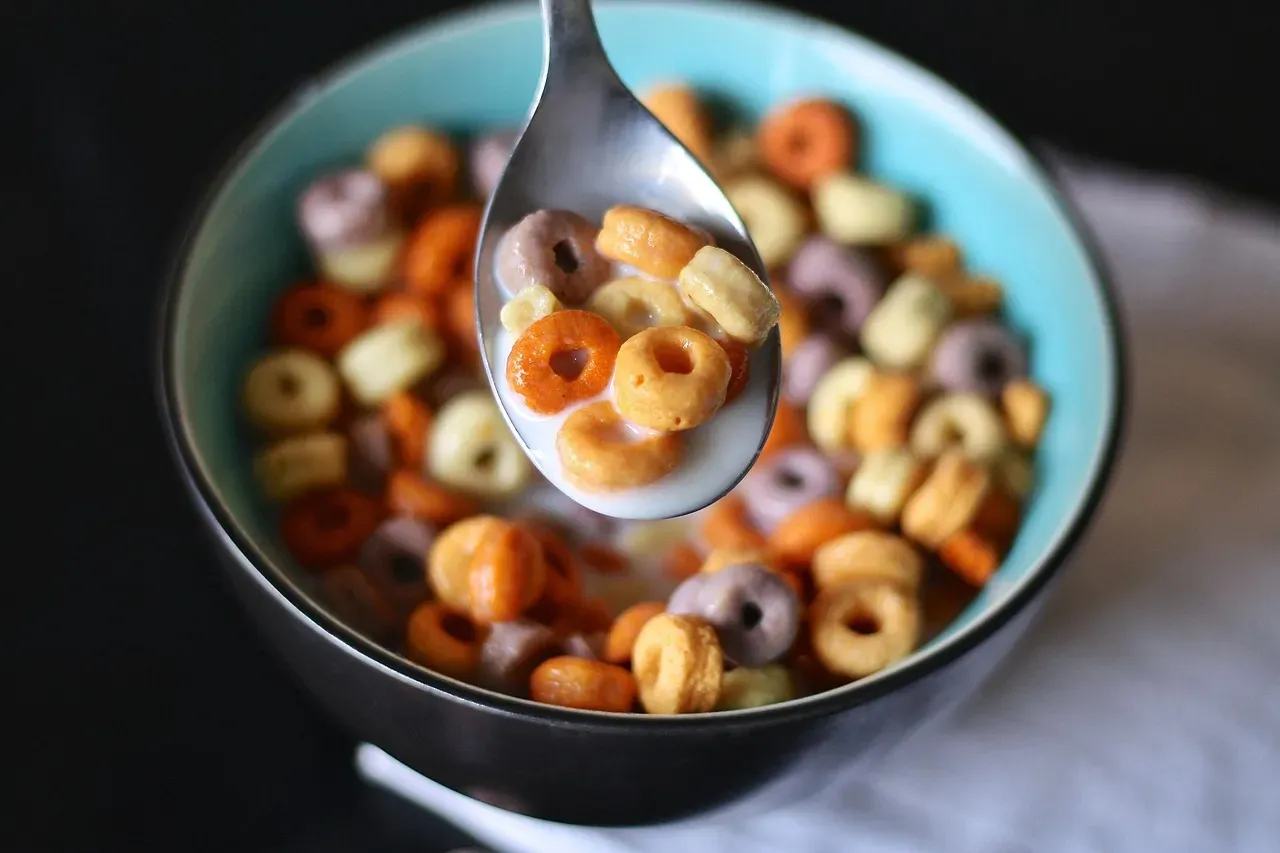
Walk down any cereal aisle and it’s almost shocking how many boxes look like Cheerios, just with a different logo and a lower price. Blind taste tests in the past few years have repeatedly found that store-brand toasted oat cereals from big chains taste nearly the same as General Mills Cheerios, with similar crunch, sweetness, and nutrition profiles. One 2025 blind taste test reported that tasters actually preferred or found no difference between the cheaper toasted oats and the name brand, while prices for store brands were generally around half as much per ounce. Nutritionally, many of these copycat cereals match Cheerios closely, right down to the added vitamins and minerals, so most shoppers are effectively paying extra for the yellow box and the familiar name rather than a meaningfully different breakfast.
2. Creamy Peanut Butter vs. Big National Brands
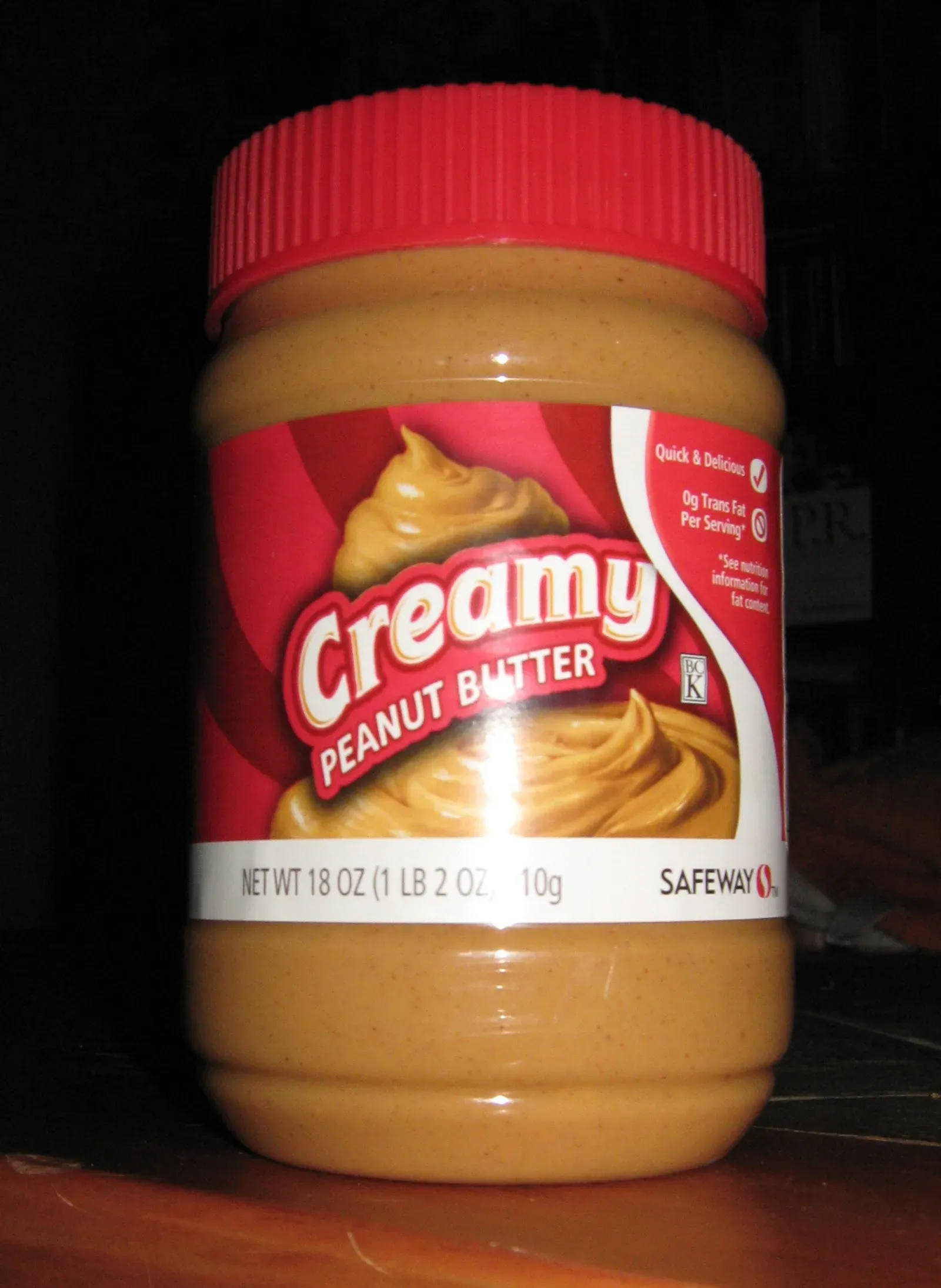
Peanut butter is one of those foods people swear they can recognize instantly, yet blind tests keep proving them wrong. Recent comparisons have shown that generic creamy peanut butter from supermarket brands is practically indistinguishable from well-known national labels like Jif or Skippy in terms of texture, sweetness, and saltiness. Blind taste tests have shown that panelists often couldn’t reliably tell store-brand samples from name-brand ones. Since store-brand peanut butter regularly costs noticeably less per ounce while delivering the same smooth, nutty spread for sandwiches and snacks, it’s one of the clearest examples where the cheaper jar can be effectively identical in the real world.
3. Shredded Cheddar Cheese vs. Kraft-Style Bags
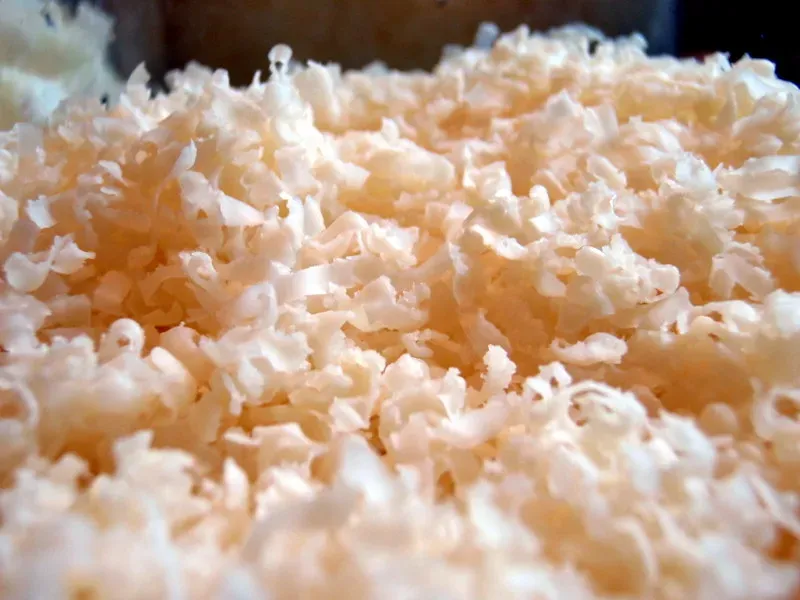
Pre-shredded cheese feels like something where quality must differ, but the actual experience often tells another story. When testers melt store‑brand shredded mild cheddar next to a famous brand like Kraft in quesadillas or casseroles, they consistently report that the look, melt, and stretch are virtually the same. A 2024 price comparison showed that private-label shredded cheddar commonly sells for roughly about half the price per ounce of the big brand, yet uses very similar ingredients, including the same anti-caking agents and comparable fat and moisture levels. Once the cheese is melted over tacos or baked into lasagna, even careful tasters have a hard time telling which brand is which, which makes paying extra mostly about the label on the bag.
4. Store-Brand Ketchup vs. the Iconic Red Bottle
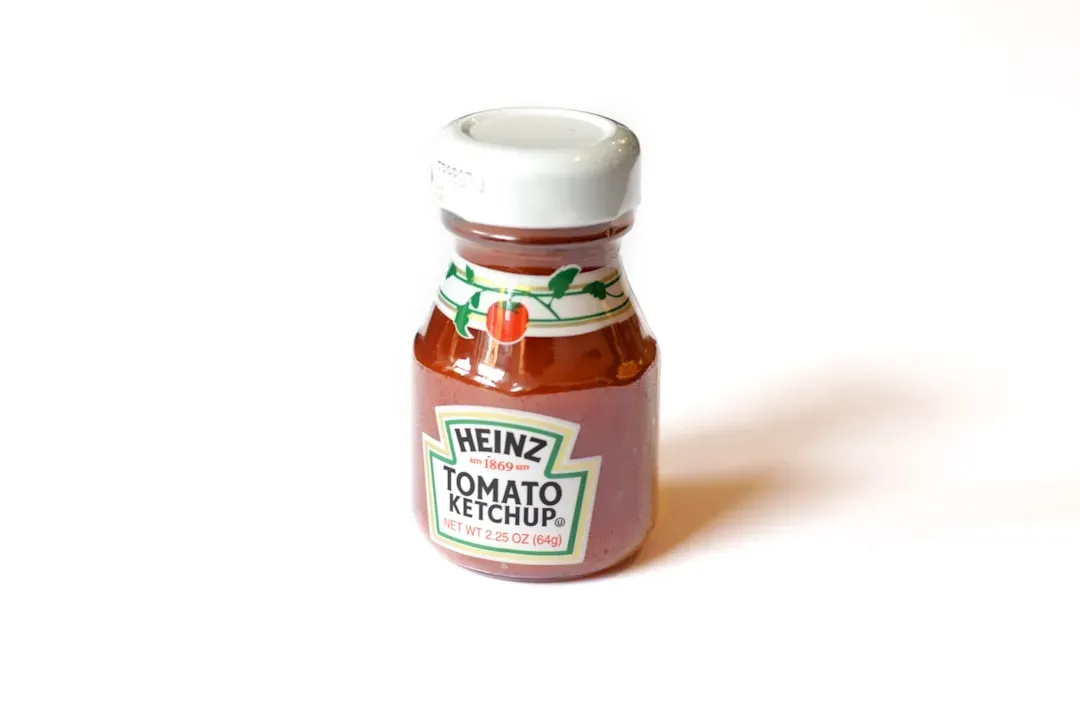
Ketchup is one of the most fiercely defended name-brand products, but newer testing suggests the gap is much slimmer than many people expect. Consumer-focused reviews in recent years have found several store ketchups from chains like Aldi, Target, and Walmart that come very close to the famous national brand’s flavor at a steep discount, sometimes around two thirds cheaper per serving. Panels often describe the differences as subtle – slightly sweeter here, a bit more tangy there – rather than a clear quality divide, and overall ratings frequently land in the same range. For most home uses like burgers, fries, or meatloaf glaze, the experience is so similar that the extra money often buys a logo and nostalgia more than a truly different sauce.
5. “Oreo-Style” Sandwich Cookies vs. Name Brand
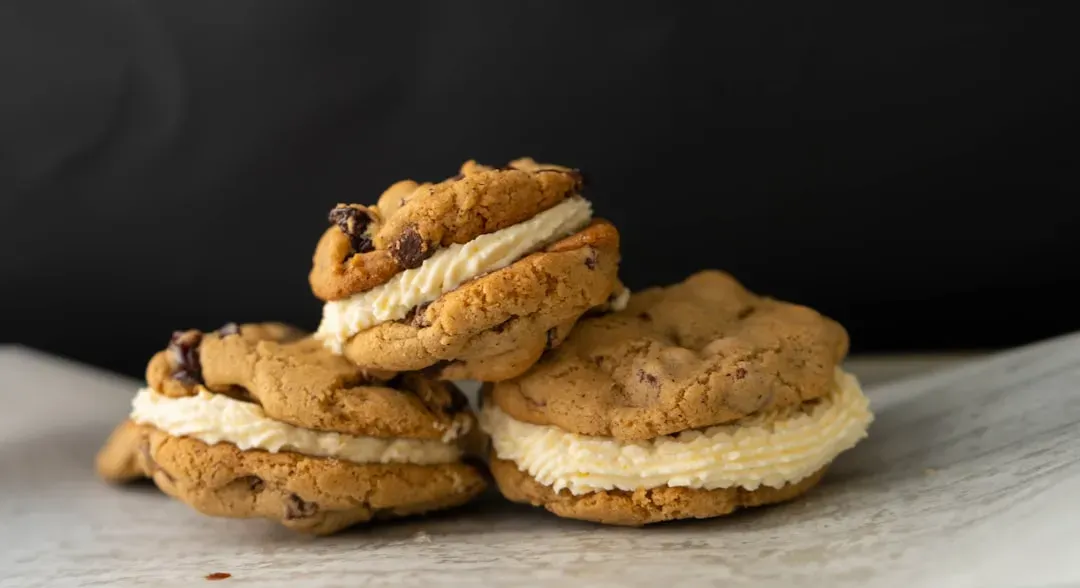
Chocolate sandwich cookies are another category where loyalty runs high, yet blind testing keeps exposing how thin the line can be. Blind taste tests comparing Aldi cookies to the original Oreo have left tasters split on which was which and which they liked more, with many saying the cheaper version could pass for the name brand. The key components – crisp cocoa wafers and a sweet vanilla-style creme – were so closely matched that some people preferred the store-brand cookie for its slightly different texture while still assuming it was the famous original. Considering that private-label sandwich cookies usually cost significantly less per package, it’s a classic case where the “dupe” delivers the same dunk‑in‑milk satisfaction for a noticeably smaller bill.
6. Cinnamon Cereal vs. Cinnamon Toast Crunch
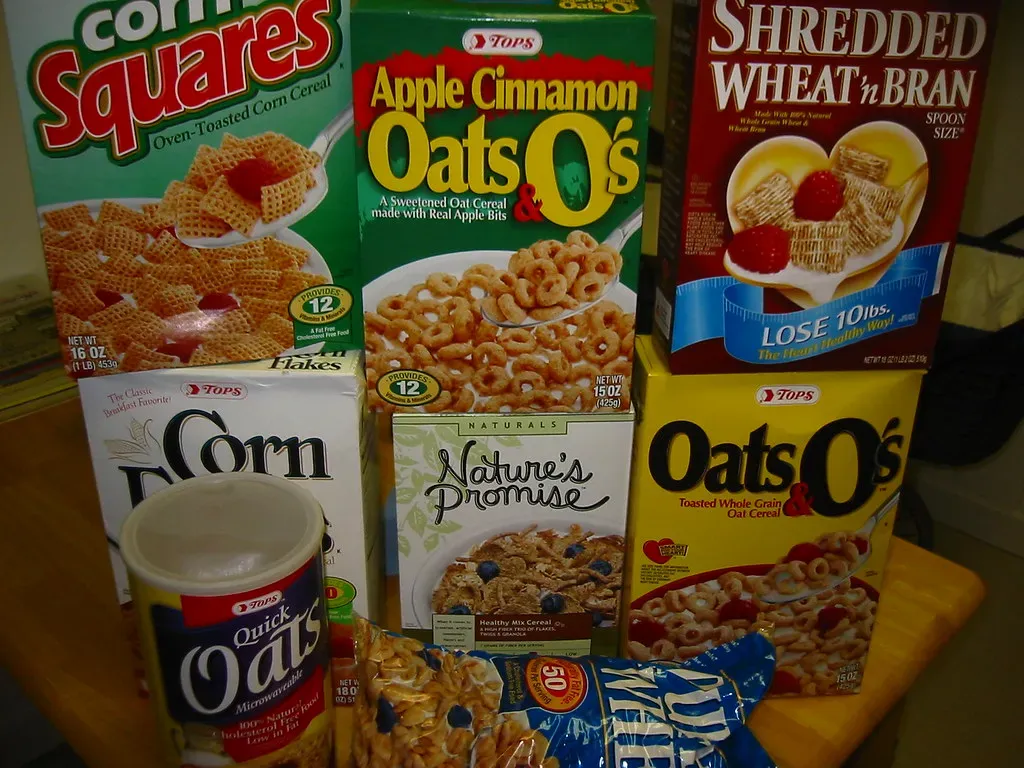
If you have kids, you probably know how quickly a box of cinnamon cereal disappears, which makes price matter a lot. Recent blind taste tests comparing store-brand cinnamon squares to Cinnamon Toast Crunch found that tasters often described them as tasting exactly the same, with identical crunch, cinnamon-sugar coating, and that sweet leftover milk at the bottom of the bowl. Tasters have said they would never have guessed one was cheaper based on flavor or texture alone. Since many of these generics cost several dollars less per family-size box across the course of a month or two, switching can quietly shave real money off a cereal-heavy grocery list without any breakfast complaints.
7. Canned Beans vs. Premium Name Brands
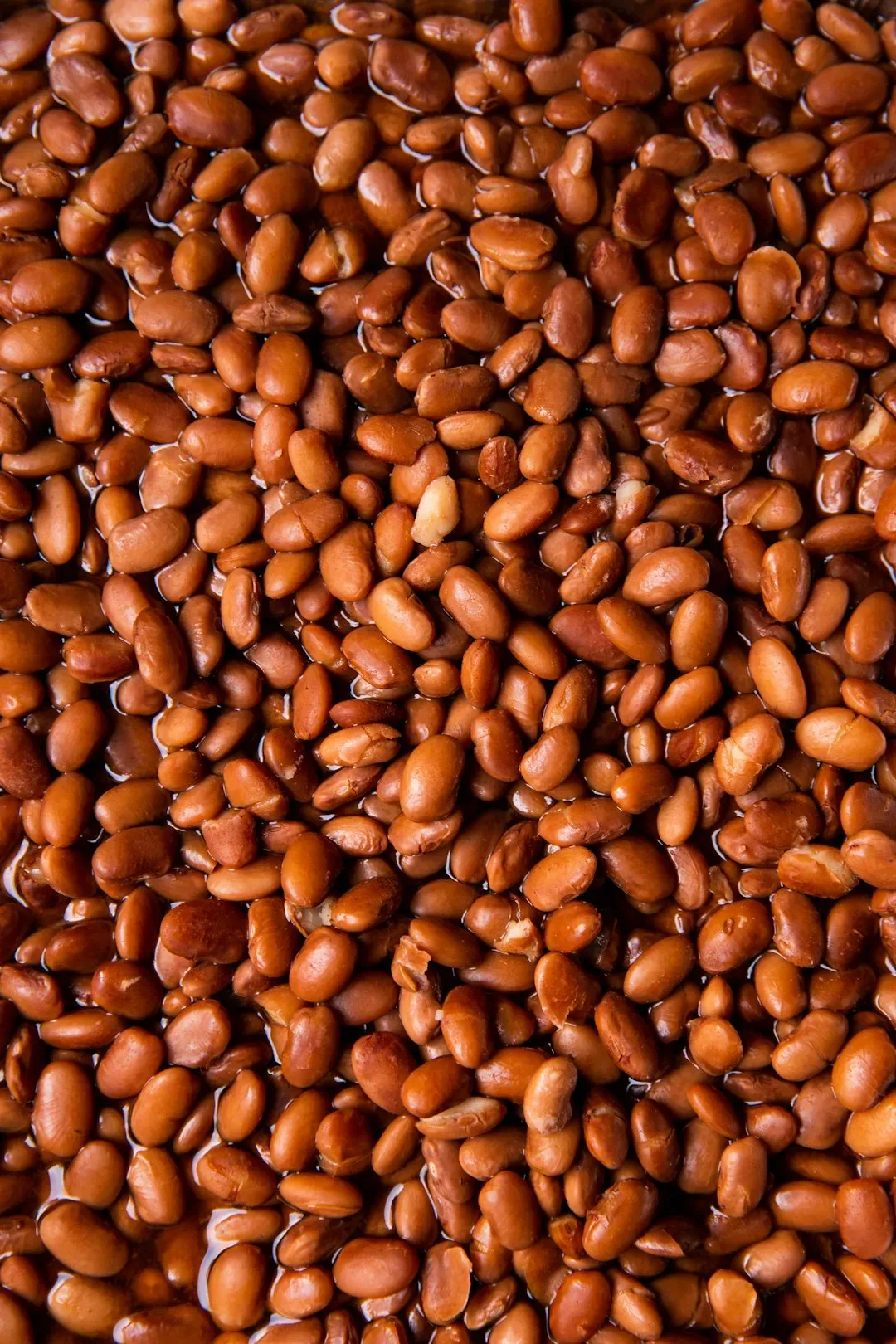
Canned beans are about as straightforward as food gets, which is part of why store brands do so well here. Once drained and rinsed, blind comparisons of store-label black beans and kidney beans against big names like Goya have repeatedly shown that texture, flavor, and color are essentially the same, especially after cooking them into chili, soups, or rice dishes. A 2024 price check at major U.S. chains found that store-brand beans regularly undercut national brands by a wide margin per can while still listing comparable ingredients and nutrition facts. Because beans are a staple in many budgets and high in protein and fiber, this is one category where choosing the generic option can save a meaningful amount over a year with no noticeable sacrifice on the plate.
8. White Cheddar Popcorn and Snack Aisle Favorites
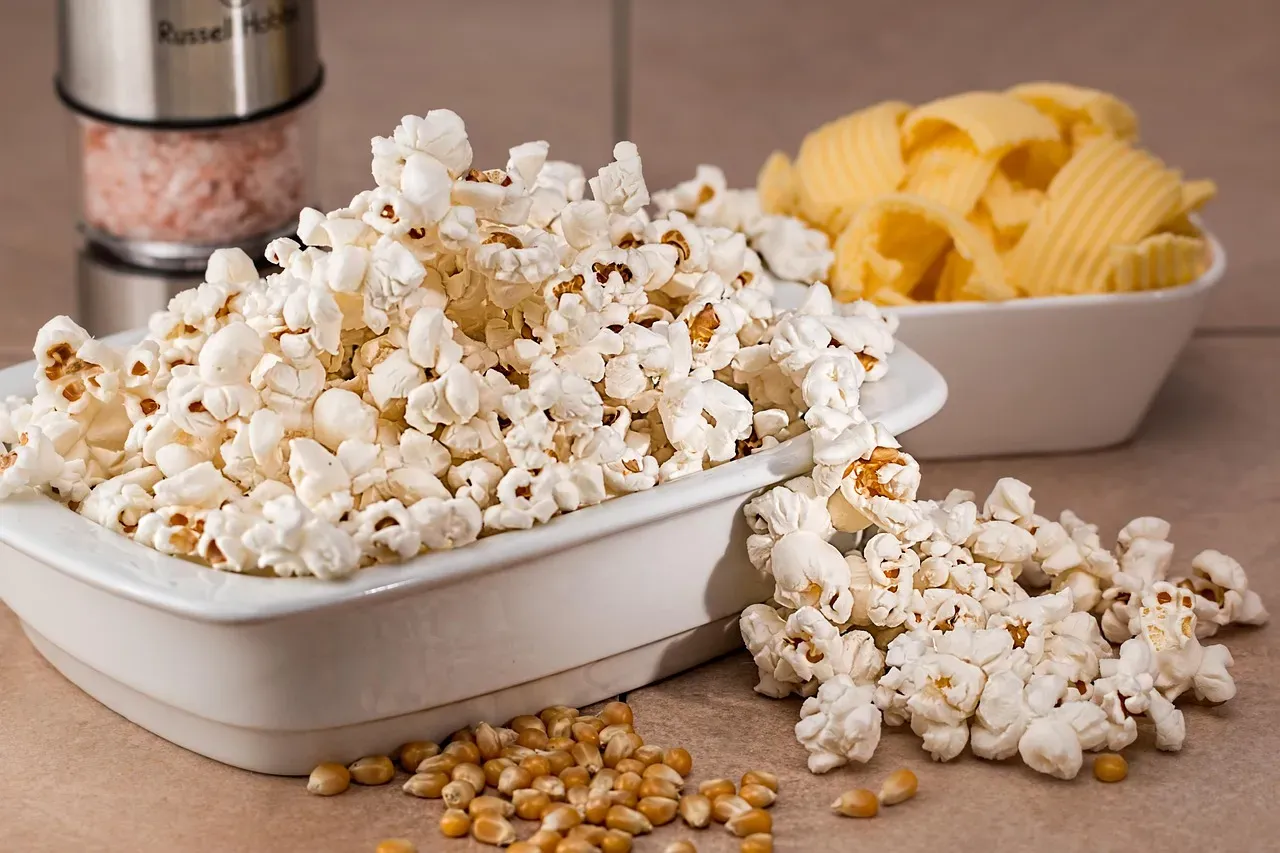
Snacks might seem like a place where the big brands dominate, but some store versions not only match them – they beat them in formal tests. In some comparisons, Walmart’s Great Value white cheddar popcorn has been rated as good as or better than well-known national brands, while still selling for far less per ounce. Other store-brand snacks, from honey roasted peanuts to certain cheesy crackers, have landed in the same “just as good” or “better” camp in recent rankings and blind taste panels. For shoppers, that means a bag with a generic label can deliver the same salty, cheesy movie-night fix as a famous logo, while keeping the snack budget under tighter control.