12 College Towns That Are Ideal Spots to Retire – and Explore
Ann Arbor, Michigan: Where Intellect Meets Midwest Charm

Picture a place where bookstores outnumber chain restaurants and where strangers actually make eye contact when they pass you on the sidewalk. Life in Ann Arbor revolves around the rhythms of the University of Michigan, which has more than 50,000 students, creating a youthful energy that keeps the town perpetually buzzing. The Ann Arbor metro area has 372,428 residents, 14.1% are 65 and older, according to U.S. News research from 2024. With over 30 independent bookstores, numerous museums and annual events like the Ann Arbor Art Fair, the city offers endless cultural engagement opportunities, making retirement feel less like an ending and more like a new chapter filled with discovery.
Madison, Wisconsin: Lakes, Learning, and Laid Back Living
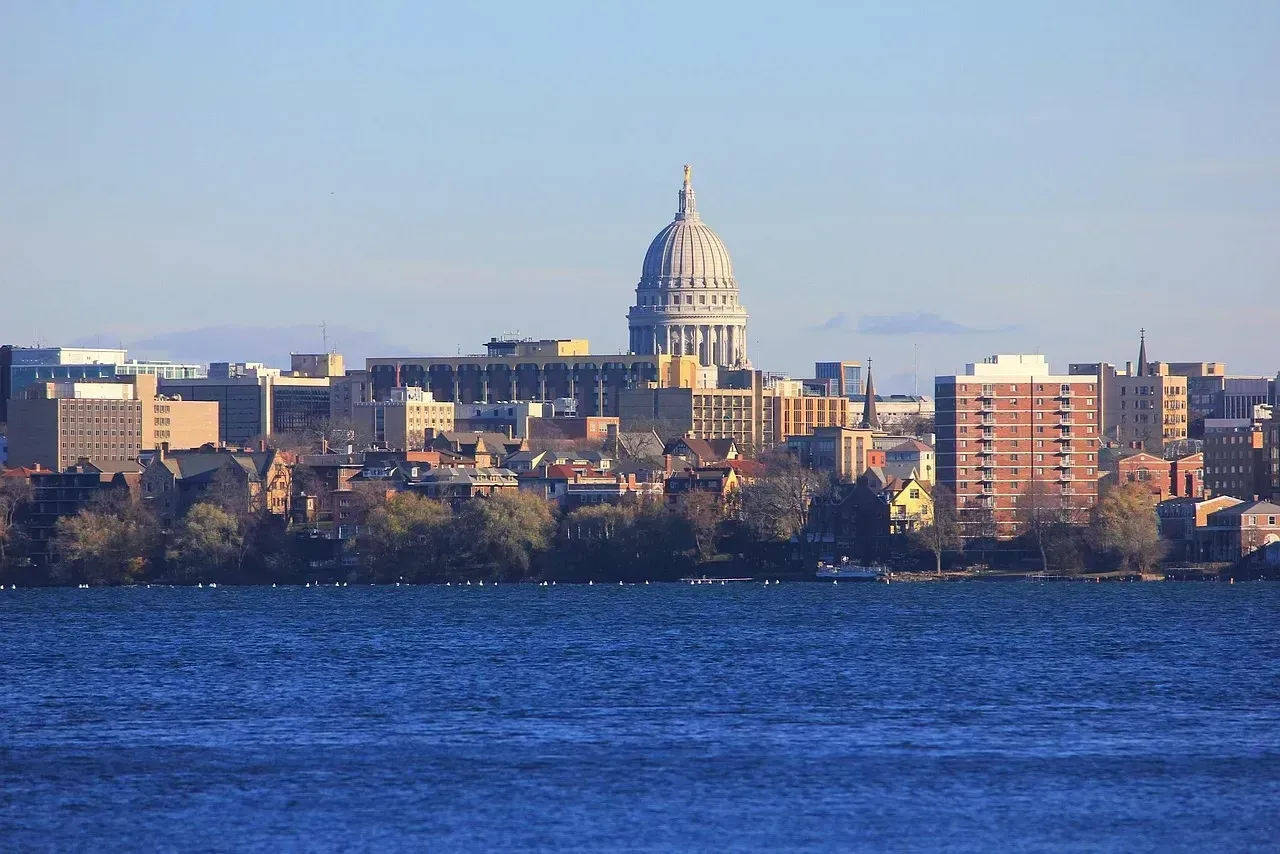
Madison scored 50 out of 100 on Walk Score’s walkability meter, making it a “somewhat walkable” city, though certain neighborhoods shine much brighter. Downtown is the most walkable neighborhood in Madison, with a Walk Score of 92, perfect for retirees who prefer exploring on foot rather than behind a wheel. The city sits nestled between two stunning lakes, offering countless opportunities for kayaking, fishing, or simply watching the sunset paint the water gold. Home to the University of Wisconsin, Madison delivers an irresistible blend of college town vibrancy and Midwestern hospitality that makes newcomers feel like longtime residents within weeks.
Chapel Hill, North Carolina: Southern Hospitality Meets Academic Excellence

Nestled among the rolling green hills of North Carolina, Chapel Hill makes for a stunning retirement destination, offering both natural beauty and intellectual stimulation in equal measure. Chapel Hill is located in one of the most unique and high tech areas in the country – North Carolina’s Research Triangle – the trio of neighboring North Carolina towns encompassing the state’s three main research universities: the University of North Carolina in Chapel Hill, Duke University in Durham, and North Carolina State University in Raleigh. This proximity means retirees get triple the cultural events, lectures, and sporting activities without ever driving more than thirty minutes. The town’s famous Franklin Street pulses with indie shops, farm to table restaurants, and coffee houses where locals linger over conversation for hours.
Athens, Georgia: Where Music, Art, and Affordable Living Collide

There’s something irresistible about a town that gave birth to bands like R.E.M. and the B-52s yet still feels approachably small. Home to the University of Georgia, Athens is as lively as it is laid-back. The downtown hums with music venues, indie shops, and cozy cafes that give it a creative edge, attracting retirees who refuse to let their adventurous spirit fade with age. The cost of living is low, the arts are booming, and the food scene rivals any big city, making your retirement savings stretch further than you’d ever imagine. Southern charm blends with youthful rebelliousness here, creating a cultural cocktail that keeps life interesting without ever feeling overwhelming.
Charlottesville, Virginia: Historic Elegance With Modern Conveniences
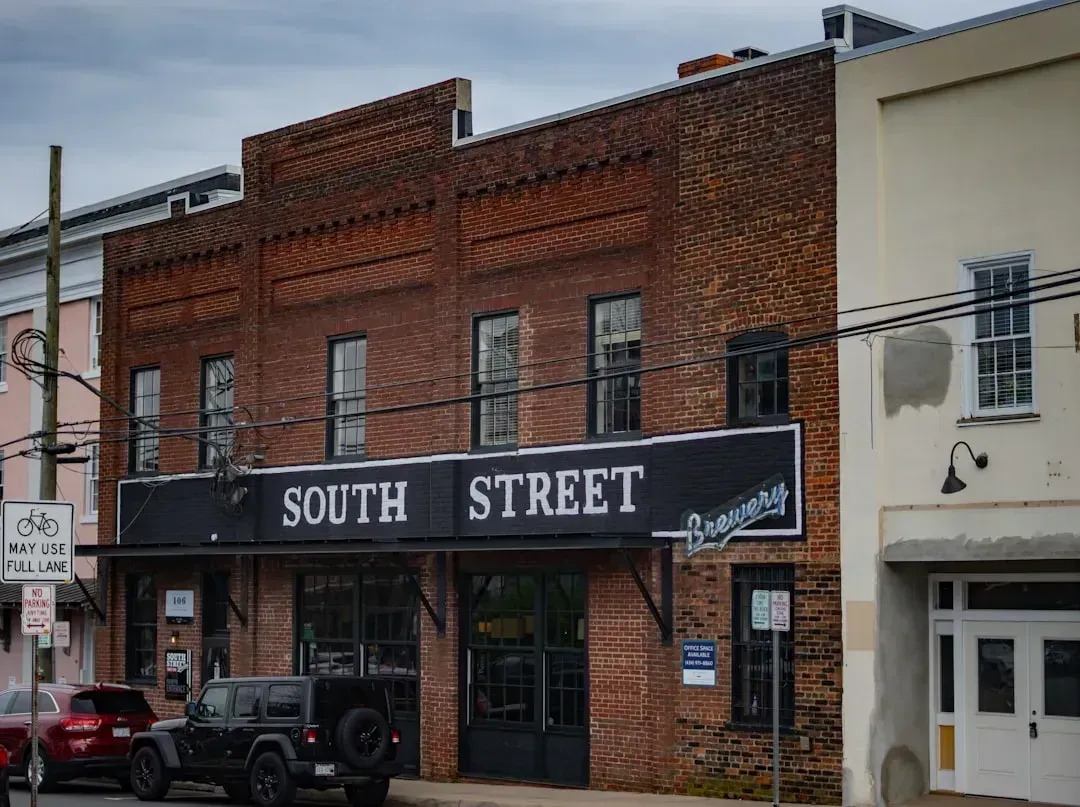
Charlottesville blends classic beauty with intellectual fire, thanks to the University of Virginia. Red-brick buildings, tree-lined streets, and mountain views create a timeless charm that instantly transports you to a simpler, more graceful era. The downtown pedestrian mall is a local favorite for shopping, dining, and people-watching, where you can spend entire afternoons discovering boutiques or catching impromptu street performances. You can visit vineyards by day and attend symphonies by night, experiencing a retirement lifestyle that feels both cultured and connected. The presence of top ranked medical facilities provides peace of mind, ensuring your health needs won’t require traveling far from home.
Gainesville, Florida: Sunshine Without the Tourist Chaos

Home to the University of Florida, Gainesville has the sunshine of the South and the spirit of discovery, offering retirees the Florida lifestyle without the overwhelming crowds of coastal retirement hotspots. Healthcare access is strong thanks to the university hospital system, providing medical care that rivals much larger metropolitan areas. Natural springs and state parks surround the city, making outdoor adventures accessible year round without breaking a sweat in traffic. The college atmosphere keeps restaurants affordable and entertainment options diverse, from Gators football games to independent film festivals.
Eugene, Oregon: Pacific Northwest Paradise for Active Retirees
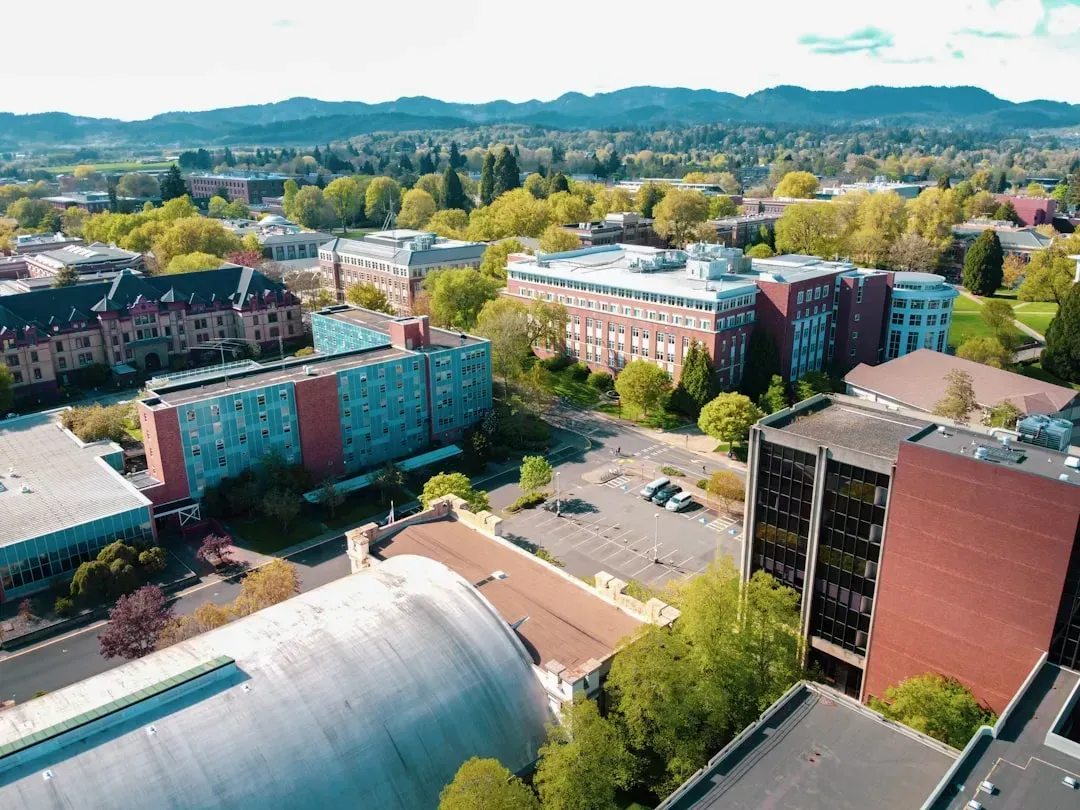
If you’ve ever dreamed of retiring somewhere that takes outdoor recreation seriously, Eugene delivers in spades. The city has a great transportation system and biking- and walking-friendly area, ideal for those who may not drive or prefer someone else to do the driving sometimes, making car free living surprisingly feasible. The University of Oregon brings cultural sophistication to this mid sized city, offering everything from world class track meets to cutting edge theater productions. Surrounded by mountains, rivers, and forests, Eugene caters to retirees who believe staying active means hiking on Tuesday and attending a lecture on Wednesday.
Raleigh Durham, North Carolina: Research Triangle’s Retirement Goldmine
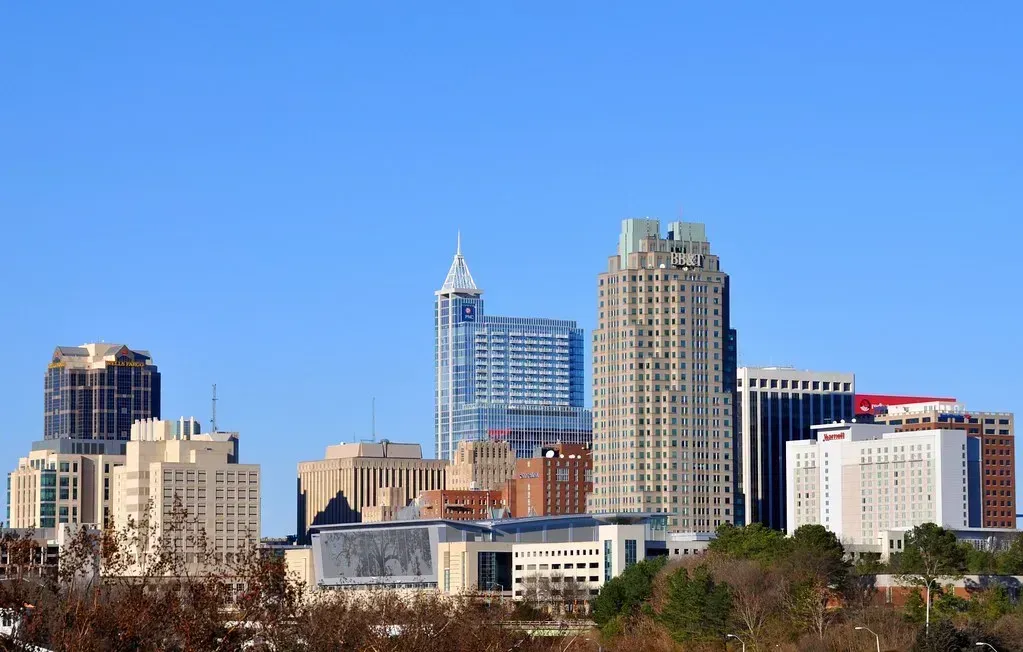
According to GoBankingRates, the average cost of living for a single person in 2025 is $4,267 a month or $51,200 annually. When compared to the national average consumer expenditures for a single person in the U.S. – the difference is a significant 8.7%, making this region notably more affordable than many comparable metro areas. North Carolina State University brings $6.5 billion into North Carolina’s economy every year, and employs over 9,000 staff and faculty, creating a thriving job market for retirees seeking part time work or consulting opportunities. The area’s restaurant scene rivals much larger cities, with barbecue joints and fine dining establishments coexisting harmoniously within minutes of each other.
Chattanooga, Tennessee: The Scenic City with College Town Perks

Let’s be real, not every college town offers both intellectual stimulation and whitewater rafting within city limits. In Chattanooga specifically, your average monthly living expenses are $1,766, and your average mortgage is around $1,791. That’s a total of $3,557 per month, or $42,684 in total cost of living per year, representing substantial savings compared to coastal alternatives. The Scenic City isn’t just blessed with great outdoors and a subtropical climate – Chattanooga is highly walkable and bike-friendly. In recent years, the city has made a concerted effort to increase bike lanes and pedestrian safety. The revitalized downtown riverfront combines history with modern amenities, creating spaces where retirees gather for farmers markets, craft breweries, and concerts under the stars.
Huntington, West Virginia: Affordable Living Near Marshall University

Huntington, West Virginia is a small town with about 46,000 people. Like a full-fledged city, however, there are a lot of local amenities for locals to take advantage of, including film festivals, arts and crafts festivals, and the impressive Ritter Park, a great place for a walk or picnic. According to GoBankingRates, you would need $712,913 to retire comfortably in West Virginia, with an estimated annual cost of living of $50,954, roughly half of what retirement experts suggest Americans need nationwide. With close to a fifth of the population – 17.2% – 65 years old and up, you’ll have plenty of company. Marshall University keeps the town culturally vibrant while maintaining that welcoming small town atmosphere where neighbors actually know each other’s names.
Ames, Iowa: Midwestern Values Meet Modern Amenities
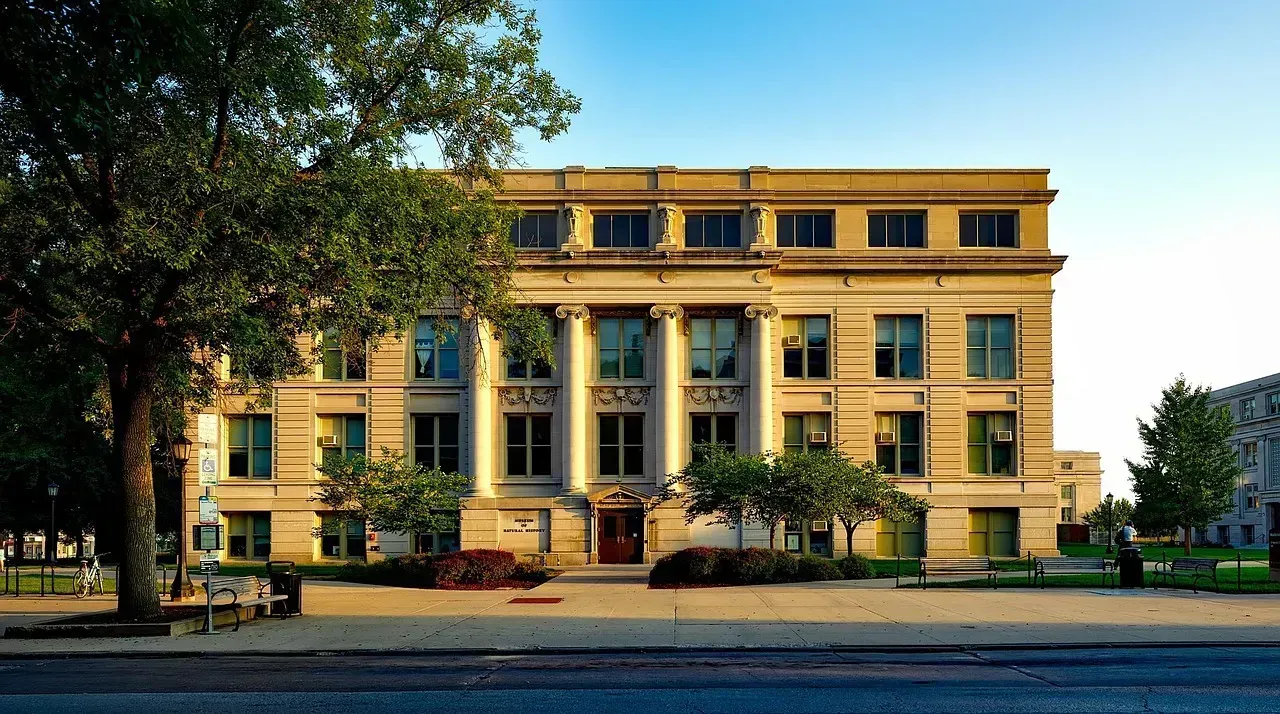
Iowa State University anchors this city of roughly sixty thousand, creating an environment where football Saturdays feel like community wide celebrations. With the median cost of a home approaching $230,100, and an average mortgage being $1,886, this is among one of the cheapest states to own and pay for a home. Throw in a monthly expense of $1,863, and a retirement that will set you back just $797,035, this is a great idea for people close to retirement who fall short of that perceived necessity of $1.4 million worth of savings. The town offers excellent healthcare facilities, abundant green spaces, and a surprisingly diverse culinary scene thanks to the university’s international student population. Winters require embracing the cold, though locals swear the stunning autumn colors and festival packed summers more than compensate.
New Haven, Connecticut: Ivy League Culture at Your Doorstep
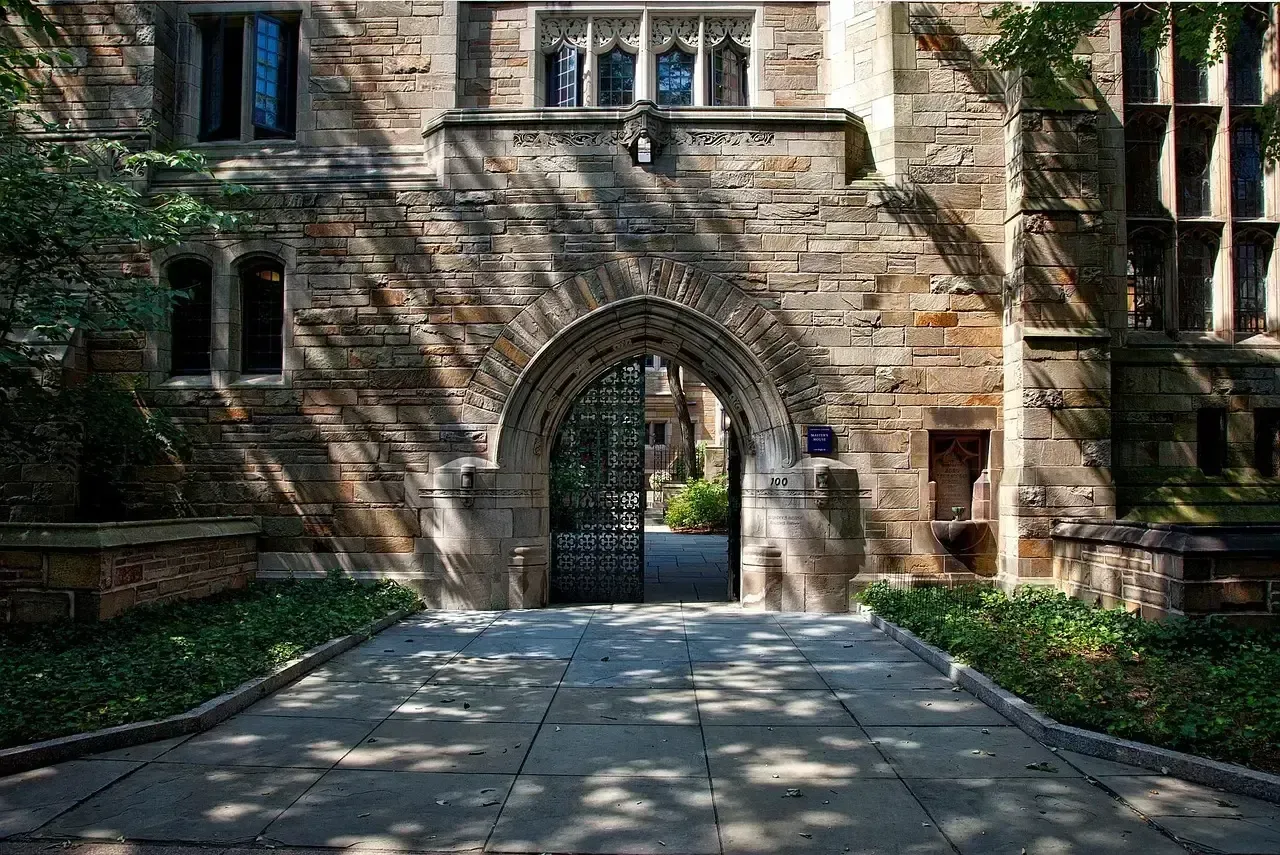
This northeastern college town offers retirees a walkable lifestyle with a strong cultural heartbeat, thanks to its proximity to Yale University. The downtown area is easy to navigate on foot and packed with shops, restaurants, and attractions, including the picturesque New Haven Green. Being near a university campus also means access to lectures, performances, and museums, making it ideal for retirees who want to stay intellectually and socially engaged. The city’s famous pizza scene alone could justify relocation, with legendary establishments serving pies that food critics travel across the country to taste. While rental costs are above the national average, the housing market remains relatively affordable – though prices are rising, making now a potentially smart time to buy.
College towns offer something traditional retirement destinations simply can’t replicate. They deliver that perfect balance of stimulation and relaxation, where you can audit a philosophy course on Monday and spend Tuesday hiking through preserved nature trails. According to MarketWatch, older Americans have been flocking to college towns for several reasons, including affordability, walkability and cultural, educational and entertainment opportunities. These communities understand that retirement doesn’t mean retreating from life; it means embracing new possibilities with the wisdom gained from decades of experience. Whether you’re drawn to southern hospitality, Pacific Northwest greenery, or Midwestern practicality, there’s a college town waiting to become your next great adventure. What kind of retirement experience sounds most appealing to you?