Don’t Spend It Yet: The $1 Bill Pattern Collectors Are Paying Big Money For
You reach into your wallet, grab what seems like an ordinary dollar bill for your morning coffee, completely unaware that the piece of paper in your hand might be worth thousands. Sounds absurd, right? Here’s the thing. While most people treat their cash like, well, cash, a growing community of collectors is hunting for specific patterns hidden in plain sight on those familiar green bills.
Collectors are willing to pay hundreds or even thousands of dollars for rare paper money, with a $1 bill with a fancy serial number being the most profitable scenario. The difference between a buck and a small fortune often comes down to eight tiny digits most of us never bother to look at. Let’s be real, you probably have no idea what the serial number on your last dollar bill looked like. Yet those numbers could be the key to a surprising payday.
Serial Numbers That Actually Matter
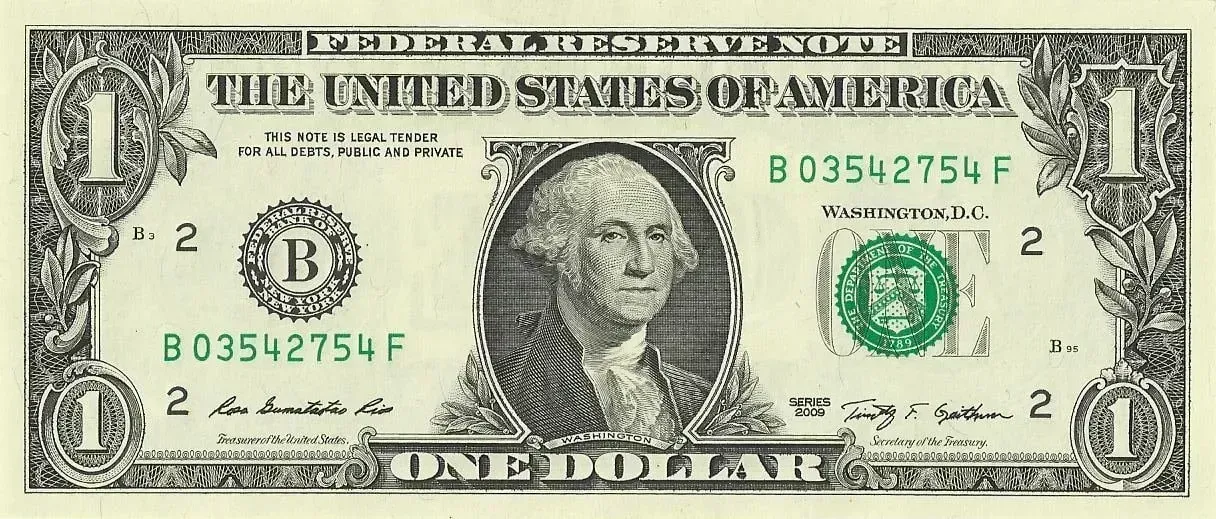
Serial numbers are eight-digit-long codes that are unique to each bill, accompanied by other identifying letters and numbers that tell us which series year the bill is from and where it was printed, and they are always printed twice. Think of them as the fingerprints of currency. Every bill has its own identity stamped right on the front, usually in the upper corners.
The reason a dollar bill might be worth more than its face value boils down to its serial number, with valuable dollar bills often featuring particular and unusual serial numbers. Most collectors aren’t chasing ancient artifacts or bills from the 1800s. They want modern currency with the right combination of digits. It’s hard to say for sure, but finding the perfect pattern in circulation feels a bit like discovering buried treasure during your grocery run.
Low Numbers Pack the Biggest Punch
Serial numbers featuring low zeros like 00000001 or fancy patterns could hide a $15,000 surprise. The fewer digits before meaningful numbers appear, the more valuable the bill becomes. Think about it this way: only a tiny fraction of bills can have serial numbers below 100, making them extremely scarce.
Serial numbers that start with five or more zeros are fancy, meaning 00000001 through 00000999, with more leading zeros being better. A bill with the serial number 00000123 would catch the eye of serious collectors immediately. Even numbers starting with four zeros can command premiums, especially if the bill is in pristine condition without folds or creases.
Solid Serial Numbers Are Pure Gold
A solid serial number is one where every digit is the same, like 55555555, with only about one out of every 11 million notes being a solid, and they can be worth $500 or more. Imagine the odds. You’re more likely to find a needle in a haystack than stumble upon a solid serial in your change.
Solid serial numbers consisting of 9’s, 8’s, 7’s and 6’s are the most valuable, with bills featuring only 9s being rare and mostly appearing in older series, making them extra valuable, and paper bills with solid serial numbers having sold for as much as $20,000 in the past. Near-solids also attract attention. A number like 77777771 isn’t as rare, yet collectors still prize them. I think it’s the visual impact that makes these so appealing – they just look special.
Ladder Patterns Climbing in Value
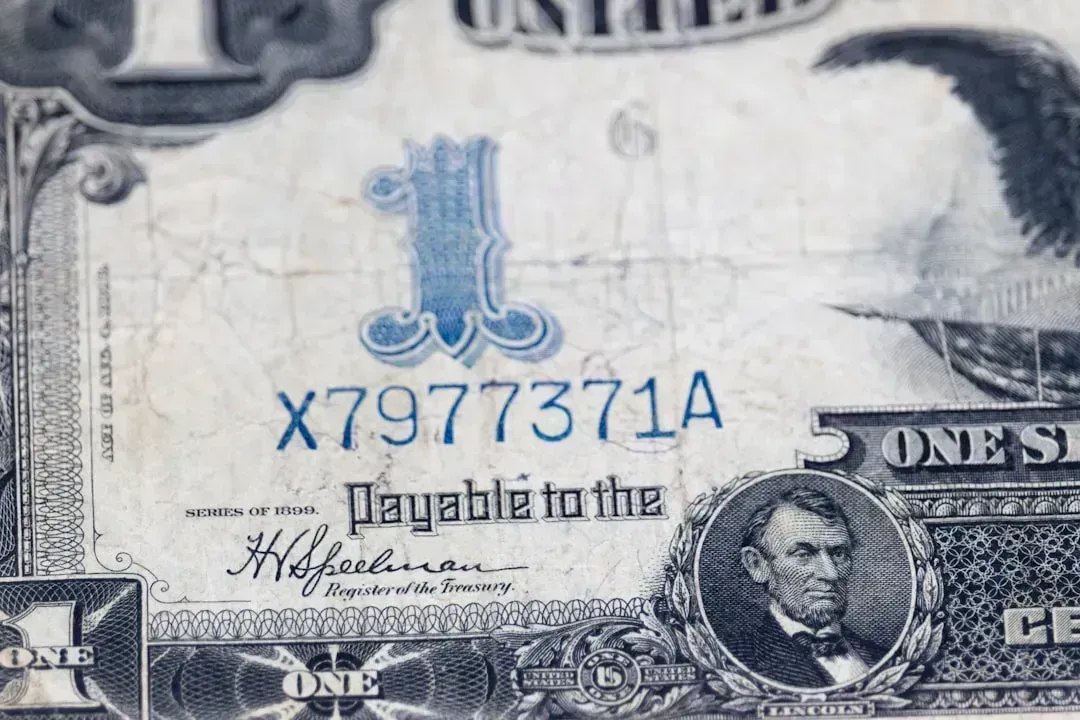
Each digit in a ladder serial number is one number higher or lower than the previous digit, with examples being 01234567 or 98765432. These ascending or descending sequences create a satisfying visual flow that collectors find irresistible. A true ladder like 12345678 is the holy grail.
The true ladder in its purest form is only printed once for every 96 million notes in a standard print run, and true ladders are rare and command a premium. Ladder notes sell for anywhere from $9 on eBay to as much as $10,000. Ladder serial 2003 $20 bills have quietly sold for $5,000 or more, depending on the condition and exact serial number pattern. The market for these patterns remains strong heading into 2025.
Radar Notes Read Both Ways
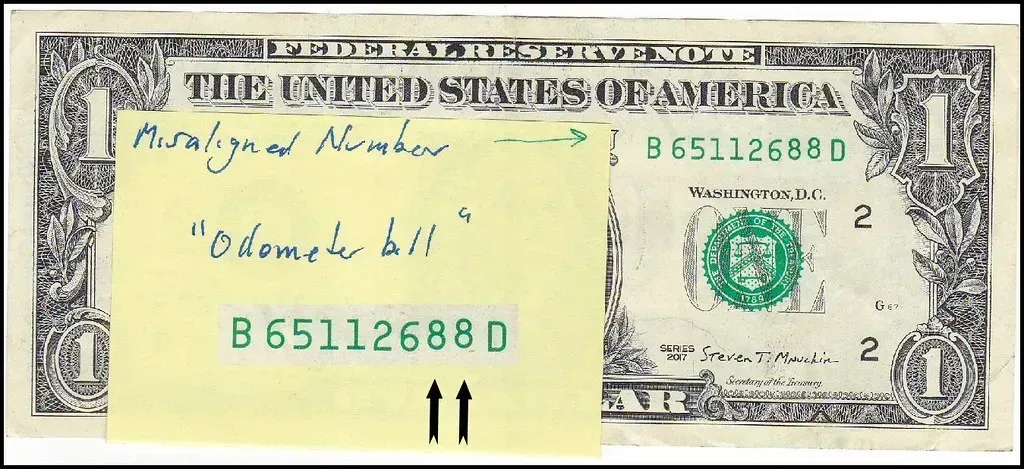
Radar serial numbers are the same forward as it is backwards, named this because the word “r-a-d-a-r” is spelled the same forward and back. Examples include numbers like 12344321 or 85611658. These palindromic sequences appeal to collectors who appreciate mathematical symmetry.
Honestly, I find it fascinating how much value people place on these patterns. A repeater serial number can be worth as much as $25 to $50, with another variation being the super repeater, where the first two numbers are replicated four times, like 98989898 or 71717171. Radars combined with other fancy features, like being a binary number with only two digits, fetch even higher prices from dedicated enthusiasts.
Star Notes Stand Out from the Crowd
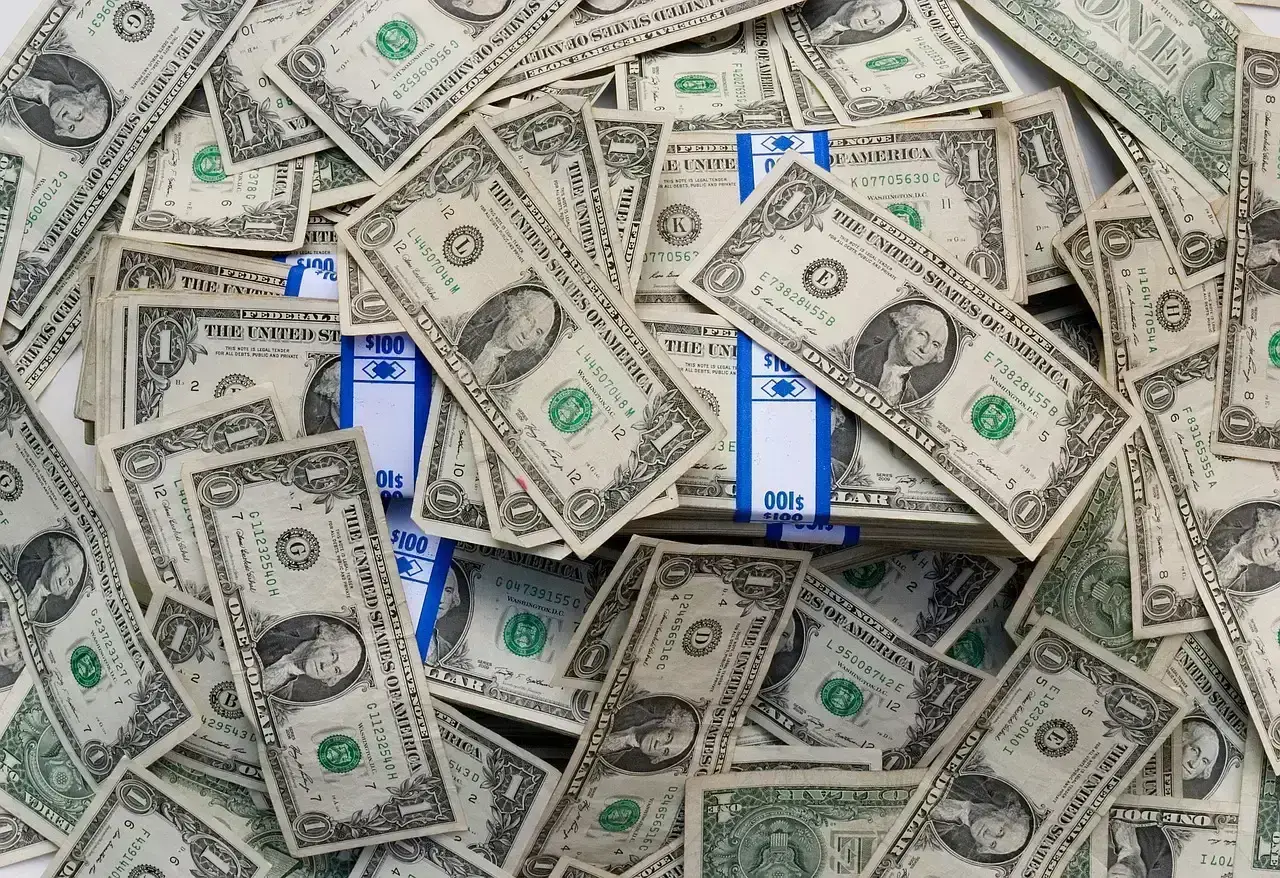
Some bills have a star instead of a letter at the end of their serial number, known as star notes, which are replacements issued when the original bill had a printing error, and because it’s against policy to produce a dollar’s serial number more than once, the mint simply adds a star to the end, making these printing errors uncommon. That little star symbol transforms an ordinary bill into something collectors actively seek.
Collectors generally consider Star Notes from print runs of 640,000 notes or fewer to be rare enough to be worth more than face value. In one notable case, a rare 1988 $1 star note in almost perfect condition sold at auction for over $55,000. The combination of a star designation and a fancy serial number can create explosive value that most people would never expect from pocket change.
Binary and Super Repeater Patterns
Binary bills have serial numbers with only two numbers, such as 29299299, with a near solid counting as one of these binary notes since it only includes two numbers, and on eBay, some binary notes can go for more than $300, especially if they’re low or high as well. The simplicity of using just two digits throughout the entire serial number creates a visual pattern that’s easy to spot once you know what to look for.
A two-digit repeating number, like 45454545, is called a super repeater and is even more valuable, with some eBay listings starting at a few hundred dollars. I know it sounds crazy, but collectors will compete fiercely for these patterns. The market remains active in 2025, with online platforms seeing steady sales of binary and repeater notes throughout the year.
The Printing Error That Created a Fortune
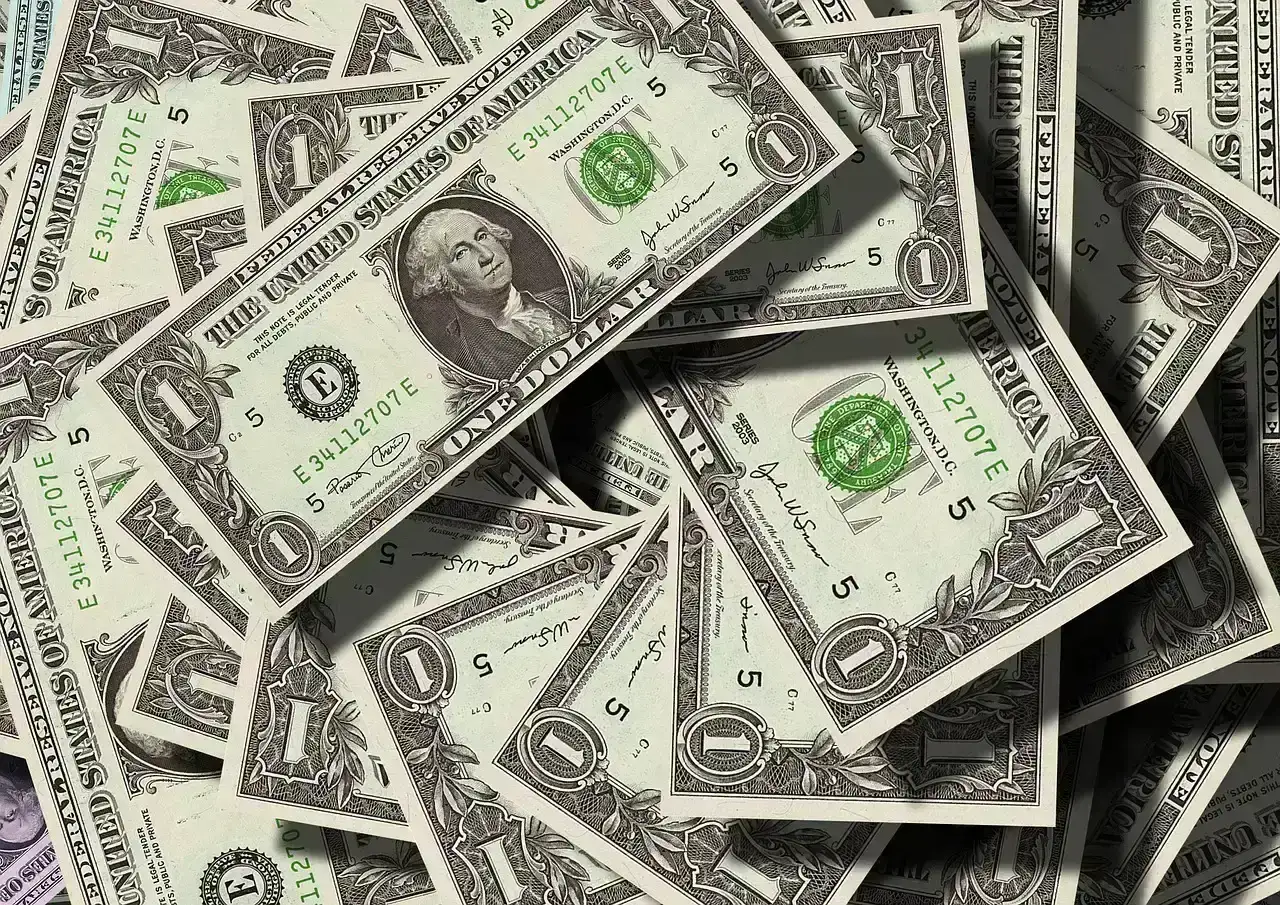
In 2014, the Fed issued an order to its Washington, DC branch to print a batch of one-dollar bills, and two years later, it ordered an identical batch to be printed at the Federal Reserve in Fort Worth, Texas, with the two branches printing identical serial numbers due to a miscommunication. This created one of the most sought-after modern currency errors.
Although millions were issued, only 37 pairs have been discovered so far, and depending on the condition, these pairs can sell for at least $20,000, with mint-graded notes potentially fetching as much as $150,000 at auction. The catch? You need both matching bills to unlock that value. Organizations like Project 2013B track these discoveries, helping hunters find their other half.
Condition Makes or Breaks the Deal
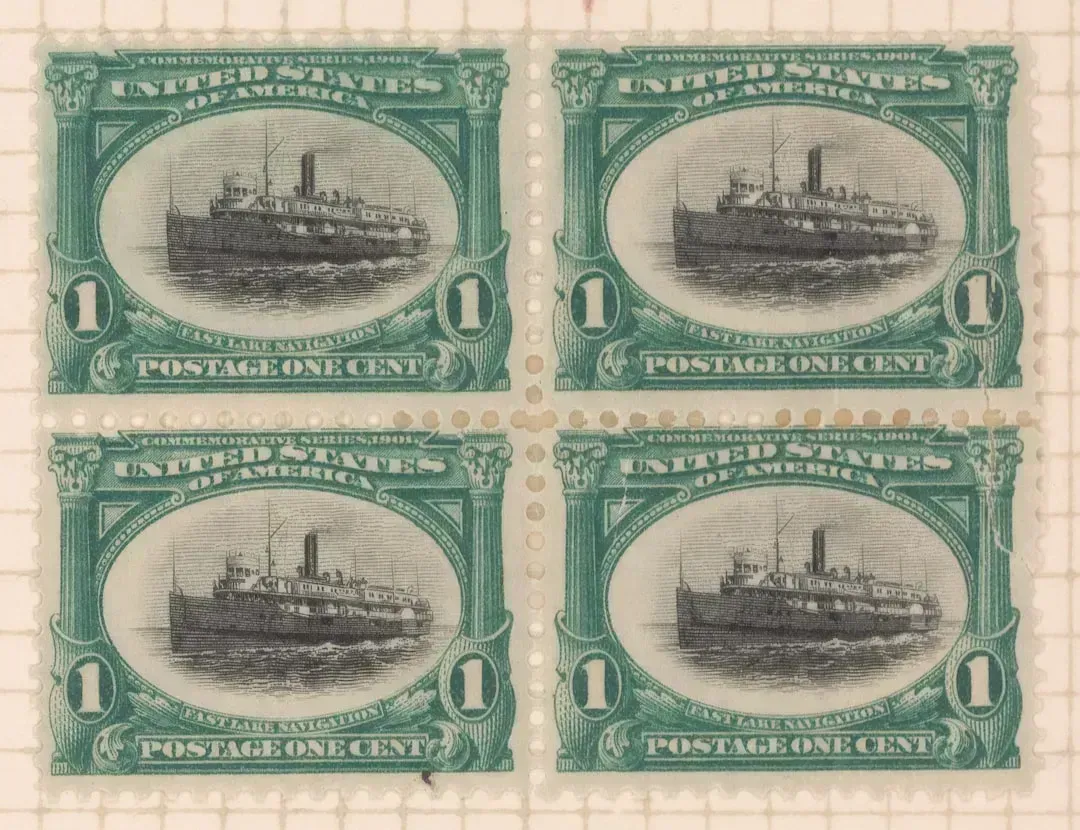
The condition of your bill dramatically affects its value, with professional grading services like PMG and PCGS Banknote using the 70-point Sheldon scale to grade currency, and the EPQ/PPQ Designation indicating original paper with no restoration, cleaning, or pressing, which adds 10-30% to the value. A folded, worn bill with a fancy serial might only fetch slightly above face value.
Pristine, uncirculated bills command the highest premiums. One overlooked bill in a drawer turned $1 into $2,000 after grading. Serious collectors will pay extra for bills stored in protective sleeves that maintain their original crispness. Even minor tears or stains can dramatically reduce what someone’s willing to pay, regardless of how rare the serial number might be.
Where to Sell and What to Expect
Selling venues include Heritage Auctions, Stack’s Bowers, or eBay with “Buy It Now” option, considering seller fees and reserve prices. The marketplace for fancy serial numbers has grown substantially, with dedicated online communities and auction houses specializing in rare currency. Getting your bill professionally graded can significantly increase buyer confidence and final sale price.
If profit exceeds $600, you may receive a 1099-K form for tax reporting. Before rushing to sell, research completed sales of similar serial numbers to set realistic expectations. Verified sales of ladder serial bills have occurred in the $2,000 to $6,000 range on platforms like eBay and Heritage Auctions, especially for perfect sequences. Patience often pays off – the right collector willing to pay top dollar might not come along immediately.
Check your wallet tonight. Seriously. That crumpled single you were about to spend on a vending machine snack could be funding something much bigger. What’s hiding in your cash right now?
The Unexpected Places Rare Bills Turn Up

You’d be shocked where people have discovered their fortune-making dollar bills. One collector found a perfect ladder note in their Christmas card from grandma, while another stumbled upon a solid 7s bill as change from a gas station in rural Montana. ATM withdrawals are surprisingly fertile hunting grounds – banks randomly distribute bills, meaning freshly printed rarities slip through all the time. Casino cashiers have reported handing out low serial numbers and star notes to gamblers who had no clue what they were holding. Estate sales and yard sales occasionally yield entire collections from people who never realized what they had stashed away. The randomness is part of the thrill – that next fancy serial could come from literally anywhere. Some collectors make it a habit to request fresh bills from bank tellers or check every single dollar that passes through their hands during normal transactions.
How Expert Collectors Organize Their Hunt
Serious bill collectors don’t just passively wait for rare notes to fall into their laps – they’ve developed systematic hunting strategies that dramatically increase their odds. Many seasoned collectors maintain relationships with multiple bank branches, visiting weekly to request straps of new bills or checking vault inventory for older series that might contain hidden gems. Some use mobile scanning apps that instantly flag unusual serial numbers, turning the tedious checking process into a quick photo snap. Online collector communities share real-time tips about which Federal Reserve banks are releasing new printings, allowing hunters to coordinate their branch visits strategically. The most dedicated folks even track serial number ranges by year and mint location, creating databases that help predict where valuable patterns might cluster. It’s honestly become a sophisticated hobby that blends detective work with good old-fashioned persistence. What separates casual finders from serious collectors isn’t luck – it’s having a repeatable system and the patience to check thousands of bills until something extraordinary shows up.
The Psychological Thrill That Keeps Collectors Hooked
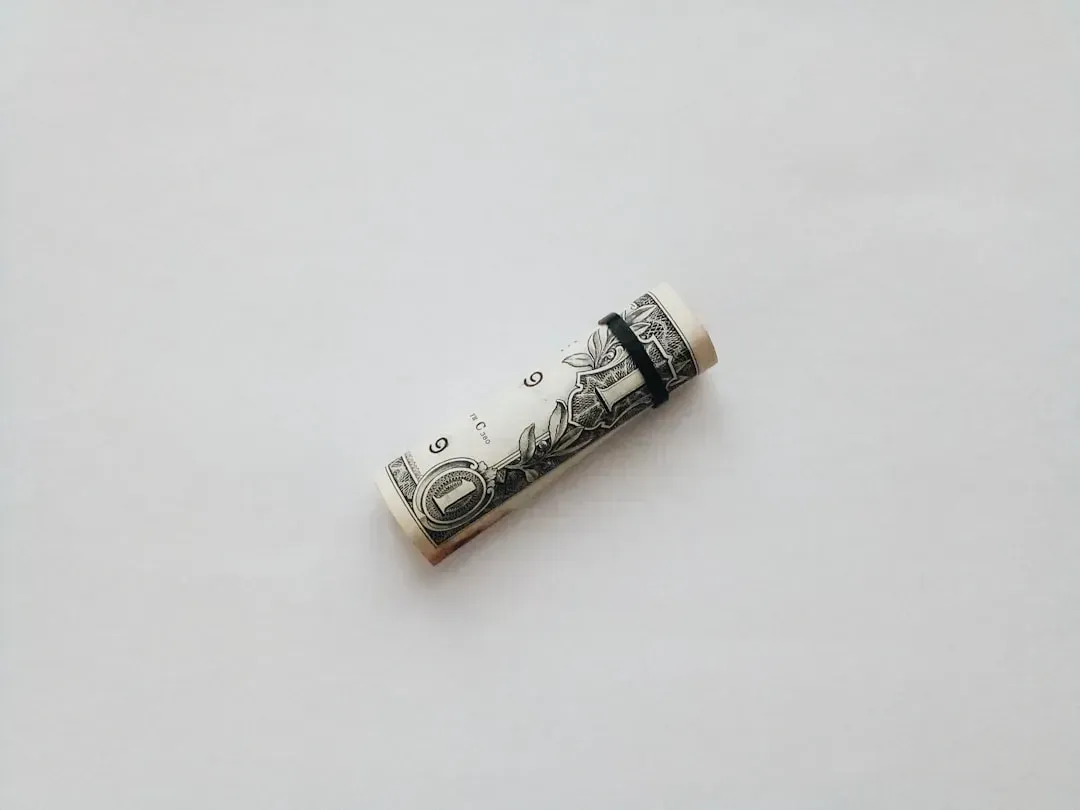
There’s something genuinely addictive about the treasure hunt aspect of bill collecting that goes way beyond the money involved. Collectors describe an actual rush when they spot a promising serial number – that heart-racing moment when you’re examining a fresh stack and suddenly see those repeating digits staring back at you. Psychologists who study collecting behavior say it taps into the same reward circuits as gambling, except you’re risking nothing more than your time. The unpredictability is what makes it so compelling – you could check a thousand bills and find nothing, then stumble upon a $5,000 radar note while buying coffee on a random Tuesday morning. Many collectors admit they’re not even motivated by profit anymore; they’ve gotten hooked on the detective work itself and the community of fellow hunters who understand the obsession. It’s the modern equivalent of gold panning, except your river flows through every cash register in America, and you never know when you’ll strike it rich just by paying attention to what’s already in your wallet.