I Worked Fine Dining: 11 Customer Habits That Guarantee Bad Service
There is a version of fine dining that lives entirely in the customer’s imagination. It is a place where every wish is anticipated, every request is granted without question, and the server glides silently around the room like a ghost trained in the art of invisibility. Honestly, it sounds wonderful. It just is not real.
I have worked the floor of more than one white-tablecloth establishment. I have carried $400 bottles of wine to tables with shaking hands, recited tasting menus that changed daily, and smiled my way through moments that would make anyone question their career choices. The truth about fine dining service is far more complicated than guests realize. The quality of what you receive is not entirely up to the kitchen or the front-of-house team. Sometimes, it has a lot to do with you.
These are the habits that silently, reliably, and sometimes spectacularly guarantee you will get worse service. Be surprised by what makes the list.
1. Snapping Your Fingers or Whistling to Get Attention
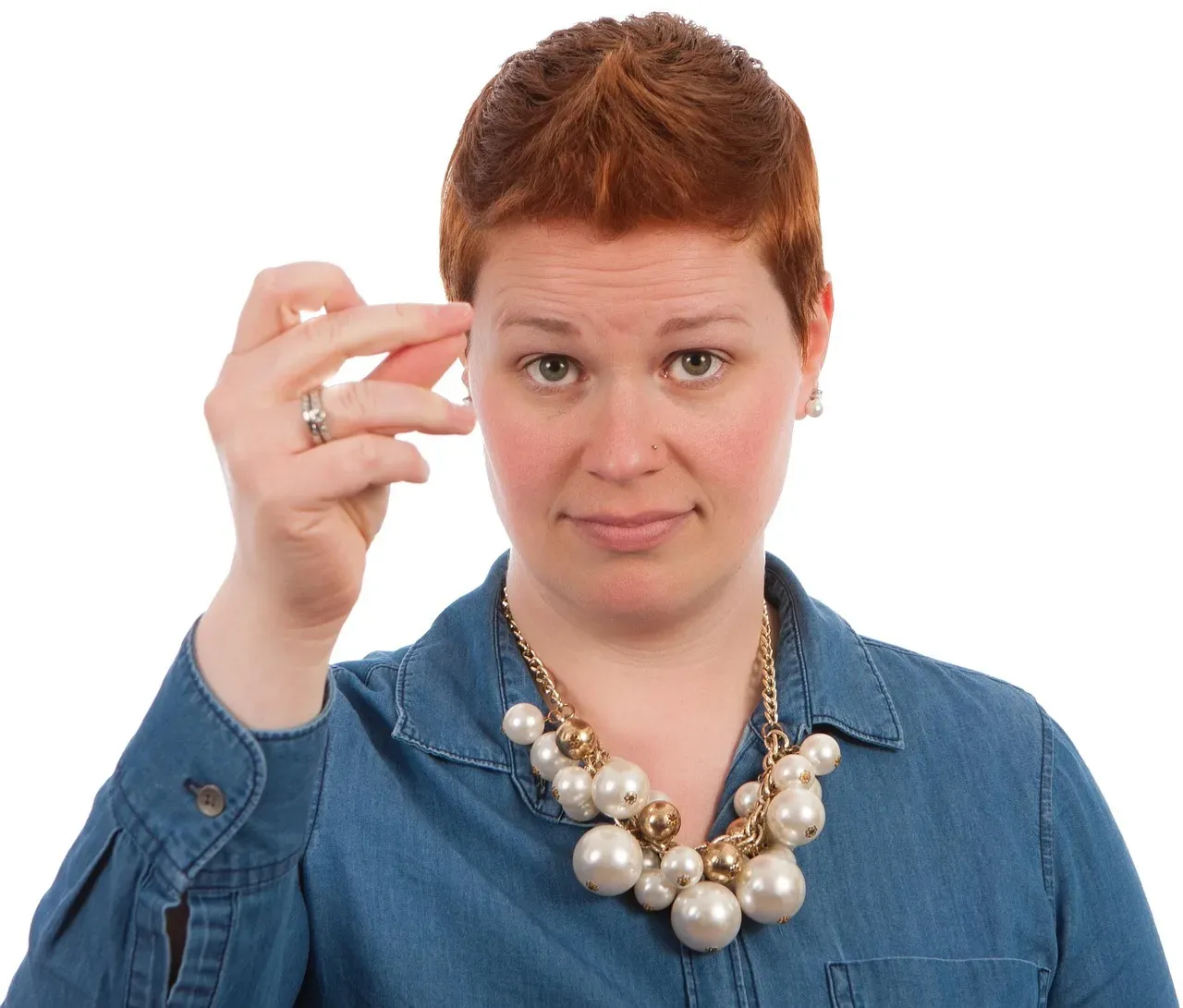
Let’s be real about this one. It is perhaps the single fastest way to transform a willing, professional server into someone who is suddenly deeply occupied across the room from you. You should never snap your fingers or whistle to get a server’s attention. Your server is not your servant, nor are they your dog. Even if the server does respond, the energy at the table shifts instantly.
No person who has worked in the service industry takes kindly to snapping fingers or whistling. It is both demeaning and immediately puts you on a server’s “bad guest” list. That list, by the way, does not exist on paper. It exists in the collective memory of every person working that shift.
Etiquette experts warn against anything that might come off as rude or demanding, like snapping fingers, waving, or calling out. They also discourage stacking plates or moving items around to signal you are done, as it may disrupt service rather than help. A simple, calm glance and a raised hand is all it takes. Anything beyond that is a declaration of war.
2. Being on Your Phone When the Server Arrives to Take Your Order

This one has gotten dramatically worse with the rise of wireless earbuds and the general social habit of treating restaurants like personal offices. Servers strongly dislike when customers are chatting away on their cellphones when the server just wants to take the order and do their job. What is worse, many servers reported customers acting as though they had been rudely interrupted just because the server had the gall to approach and try to take an order.
Think about it from the server’s side. They have multiple tables running simultaneously, a kitchen with narrow service windows, and a manager watching table turn times. Every minute spent waiting for a guest to finish a call is a minute borrowed from someone else’s experience. Servers are juggling multiple tables, managing orders, and trying to keep everyone happy, all while maintaining a friendly demeanor. So when a customer exhibits certain habits, it can add unnecessary stress to an already challenging job.
Many servers hate when people say they’re ready to order when they’re really not. If you’re still looking at the menu, that’s fine, but let your server know so they can go take care of other things. They will come back to you in just a few minutes. Pretending to be ready while actually being lost in your phone is a special kind of time trap no one appreciates.
3. Seating Yourself and Rearranging the Dining Room
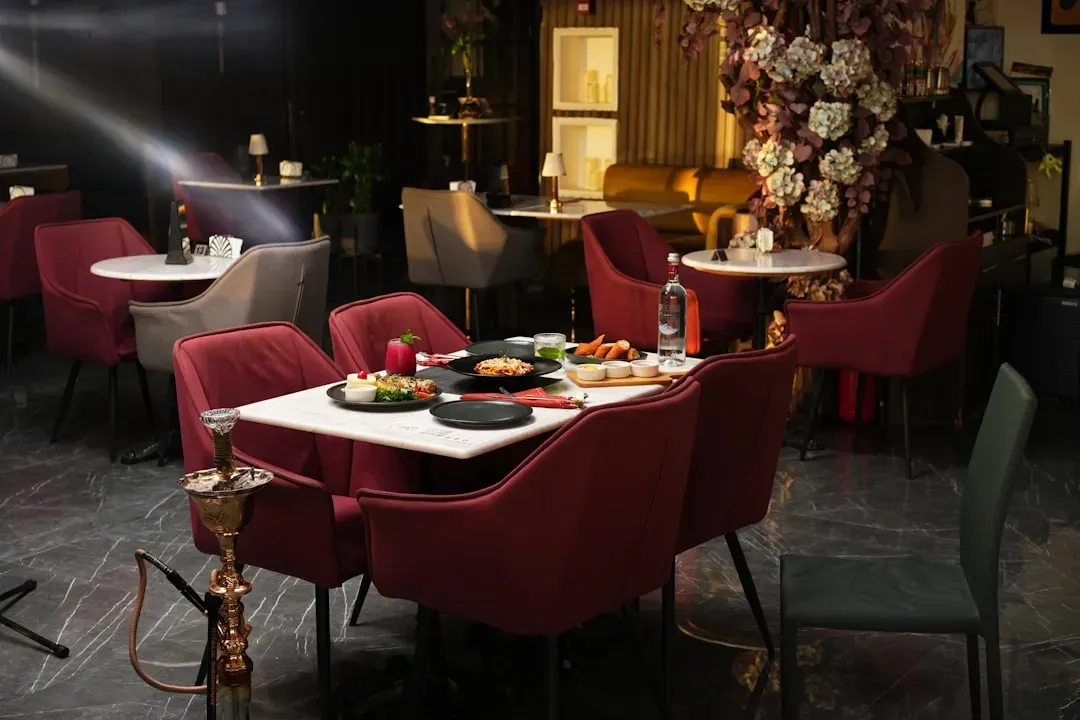
Walking into a fine dining restaurant and just picking a table feels, to the customer, like a perfectly reasonable act of initiative. To the entire front-of-house team, it is like watching someone walk into a chess match and start moving pieces at random. When guests take it upon themselves to not only seat themselves but push tables together and shuffle chairs around, the staff must step in and intervene. There are many reasons not to rearrange the dining room, one being liability.
Seating is not a free-for-all. It is actually an insanely meticulous process that takes as much precision as juggling. Most importantly, just because a table is empty does not mean it is available. Tables get reserved, held for large parties, or kept open for flow management reasons that are invisible to arriving guests.
If there is not a sign by the front door offering seating instructions, just wait for the host. Your instinct should never be to just seat yourself, especially if you are in a large party. The host is there for a reason. Let them do their job, and your evening starts with the staff already in your corner instead of quietly frustrated by the first thing you did.
4. Making Excessive Modifications to Dishes
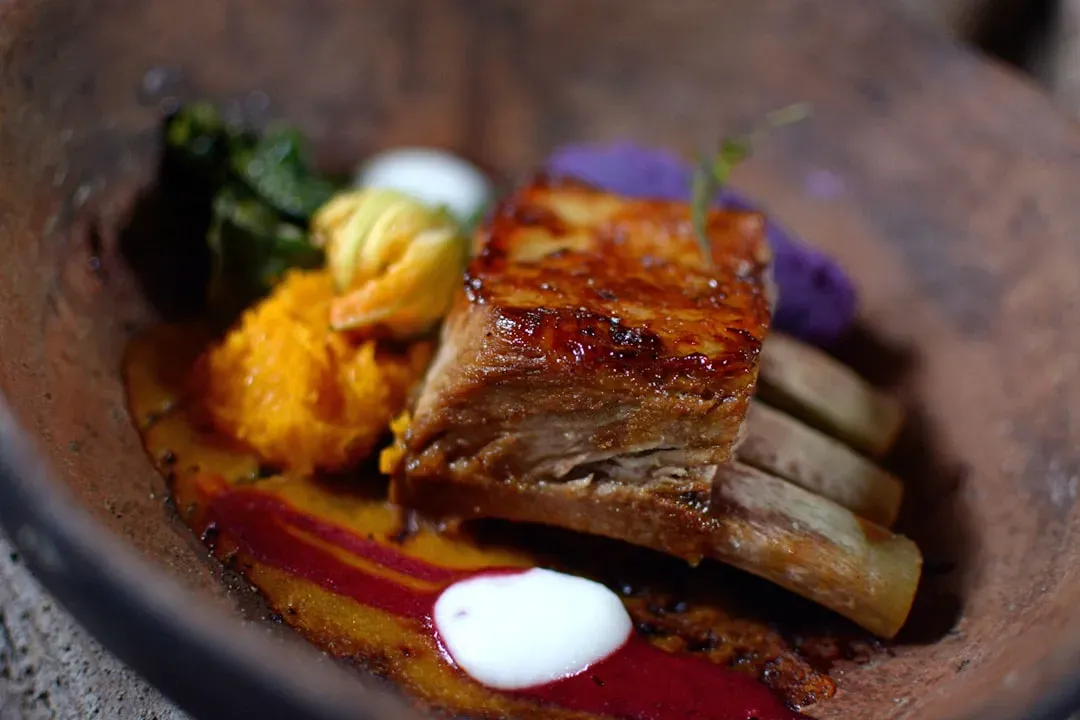
Fine dining kitchens operate with an almost military precision. The chef has designed each dish as a unified composition. Proteins, sauces, garnishes, and sides are chosen to work together. When a guest starts substituting ingredients like they are customizing a fast-food order, things get complicated very quickly. Requesting salt, pepper, and ketchup may be acceptable, but asking for extra cajun seasoning or garlic pepper from the kitchen suggests that the chef did not do their best.
According to the National Restaurant Association, nearly two thirds of full-service diners value the overall dining experience more than price. The experience being sold to you includes the dish as conceived. Dismantling it sends a signal, intentionally or not, that you distrust the kitchen’s judgment before you have even tasted the food.
Here is the thing: the server has to relay every modification back to a hot, pressured line. They have to remember it. They have to check that it went out correctly. An extra layer of complexity at every course is not just inconvenient, it genuinely increases the chance of errors throughout the meal. Ironically, excessive modifications often produce the very service problems the guest was trying to avoid.
5. Treating the Server Like a Lesser Human Being
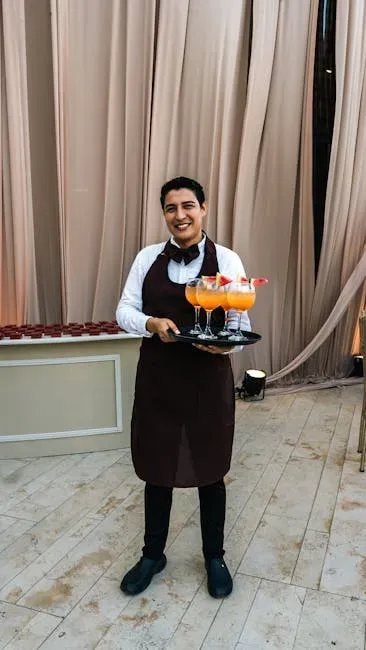
This is, without question, the habit that defines the entire experience most. This is widely considered one of the most disrespectful restaurant behaviors possible. There is considerable research that being rude to your server can instantly make you unappealing on a date. Beyond social optics, though, the practical consequences are real and immediate.
A 2024 survey in the UK found that the vast majority of hospitality workers reported experiencing mental health challenges at some point in their careers. Several studies show that roles like serving, cooking, bartending, or front desk work are linked with high levels of stress, anxiety, depression, and burnout. The person serving you is working in one of the most emotionally demanding jobs that exists.
It is common for people who never worked in a restaurant to not fully understand what a thankless job it is. Not getting properly tipped by customers is just the tip of the iceberg. A server’s job is high-stress by nature – they have to get used to the fast-paced environment and juggle different customer demands while keeping a smile on their face. Condescension poisons the relationship early and never fully recovers.
6. Undertipping or Not Tipping at All
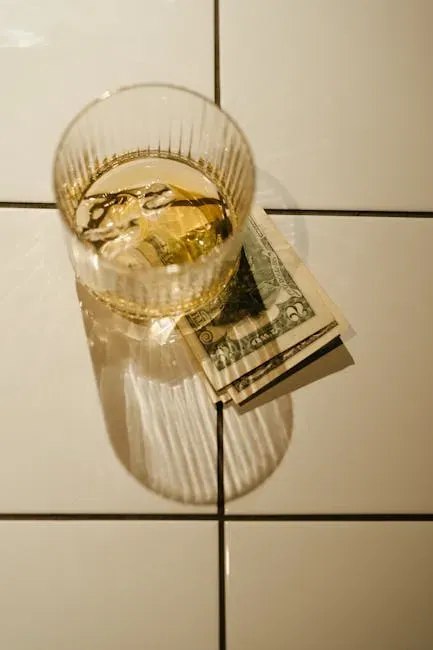
I know, I know. Tipping culture is a contested and exhausting topic in 2026. There is real “tip fatigue” out there, and people feel bombarded by tip prompts everywhere from coffee shops to parking garages. But fine dining is a different conversation. Tips account for more than half of a waitstaff’s share of hourly earnings. This is not a courtesy. It is the financial structure of the industry.
In 2021, more than half of consumers typically tipped servers twenty percent of their check, but in 2024, only about one in three diners tipped twenty percent. Another study found that roughly one in six Americans are tipping less because of the economy. That shift in behavior has real consequences for the people who carry plates for a living.
Fine dining restaurants typically offer the highest earning potential due to higher check averages and more generous tipping expectations. Tips range from roughly $180 to $400 per shift in fine dining establishments. When you choose a fine dining restaurant, you are entering a system built on that expectation. Tipping is crucial since servers rely heavily on tips as part of their income. A general guideline is to tip around fifteen to twenty percent of your total bill, depending on the quality of service. If you are unhappy with the service, it is better to communicate your concerns rather than cutting the tip significantly.
7. Interrupting the Server While They Are at Another Table
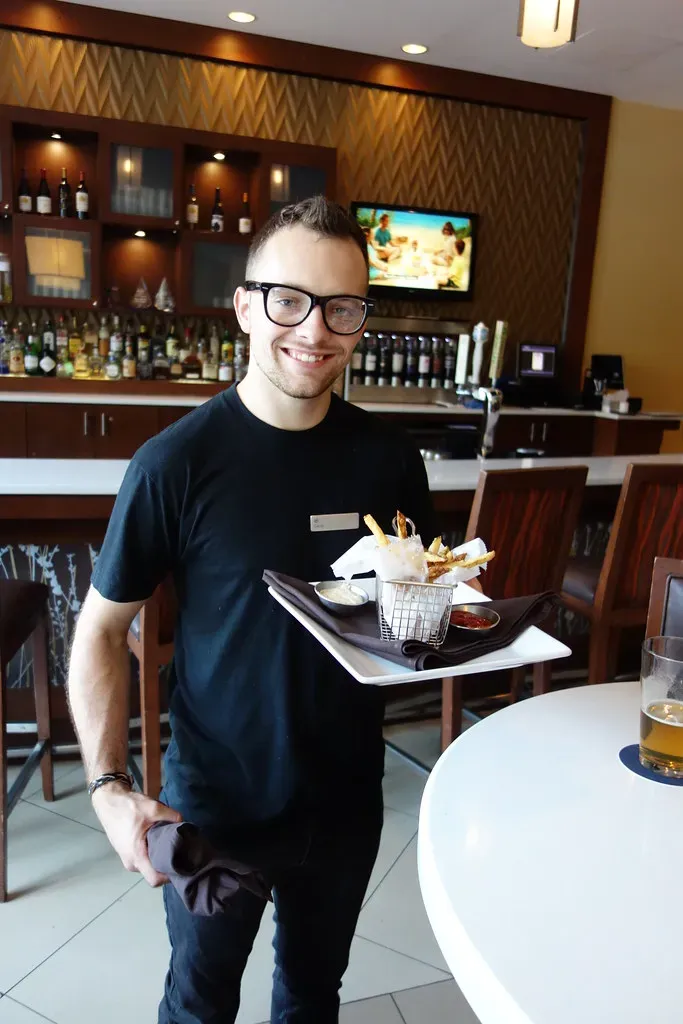
Picture this: your server is mid-sentence with the table next to yours, carefully describing an allergen in a sauce. You decide that moment is the perfect time to wave them over for more bread. It seems small. It is not. Many servers hate when customers think they are the only table, so they interrupt while the server is literally in the middle of taking someone else’s order.
In a fine dining setting, the stakes of interruption are actually higher than in casual dining. Servers are often delivering complex verbal menus, wine pairings, or allergy information. Breaking that concentration mid-flow creates the conditions for mistakes. The life of a restaurant server can be hectic. They are juggling multiple tables, managing orders, and trying to keep everyone happy, all while maintaining a friendly demeanor.
Patience is not just a virtue at a fine dining table. It is an unspoken part of the contract. The service rhythm of a high-end restaurant is deliberate and choreographed. Disrupting it for non-urgent requests collapses the whole system. Your bread will come. It will come faster if you wait your turn.
8. “Camping” at the Table Long After Closing Time
Every server who has worked a closing shift knows the particular despair of glancing at the clock at 11:45 p.m. while one table sits with cold wine glasses and no intention of leaving. It is a habit so common it has its own industry name. Hanging out long after finishing a meal, which many restaurant workers call “camping,” is considered unacceptable. One server noted: “Not only are you interfering with my work because I need to turn tables quickly to make money, but you’re also being insanely rude to people waiting at the door.”
Fine dining restaurants often operate with slim reservation margins and tight table turns, especially on busy weekend nights. According to IBIS World, the U.S. fine dining segment generated $16.7 billion in total revenue across fewer than 5,000 locations in 2024, putting average annual revenue per restaurant at approximately $3.56 million. Every table sitting idle past service costs money. Real money.
Once you and your party are done with your meal and the bill is paid, it is time to leave. It is okay to sit for a few more minutes and chat, but only for a bit. The staff who are waiting to go home, who have been on their feet for eight-plus hours, will absolutely notice. And yes, they will remember you next time you book a reservation.
9. Complaining About the Food After Eating Most of It
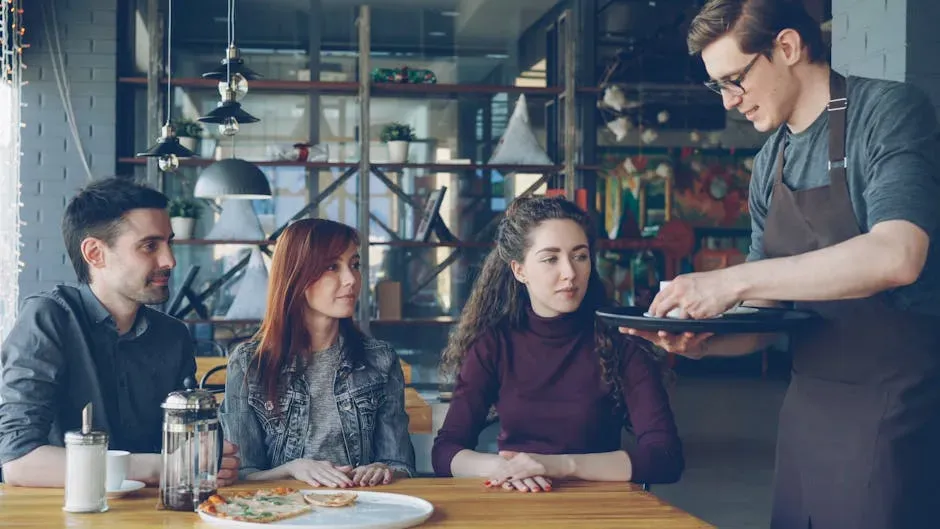
This one is as old as the restaurant industry itself. A guest eats three quarters of a dish, then flags down the server to declare it was unsatisfactory and implies they should not have to pay for it. Eating half a meal then saying it was not good and wanting a comp? That trick was old when grandpa was around. Experienced servers have seen it hundreds of times, and management has heard it thousands more.
There is a big difference between a genuine complaint raised early, which any good kitchen will address immediately and professionally, and a retroactive grievance deployed as a negotiating tactic. Fine dining kitchens are proud of their work. A real problem flagged at the right moment gets fixed. A complaint launched after the plate is cleared gets skepticism.
Not every restaurant meal will be to your liking. And while obviously, if your order arrives wrong, it is more than okay to ask politely for it to be switched out or fixed, guests should not go overboard with asking for tweaks after the fact. The moment to speak up is when the dish arrives, not when the dessert menu appears. Speak early, speak kindly, and the kitchen genuinely wants to make it right.
10. Ignoring Allergy Disclosures Until the Last Possible Second

This is one that can have genuinely serious consequences, not just for service quality but for everyone’s safety. Fine dining kitchens work in close quarters with shared equipment and complex preparations. If you have dietary needs, let your server know upfront. They will appreciate your clarity. Dropping a shellfish allergy when the amuse-bouche is already en route from the kitchen is a crisis, not an inconvenience.
Consider what happened in this account shared by a restaurant worker: a customer ordered a crab-crusted salmon dish. After about thirty minutes, when the food was brought out, the customer then decided to disclose they were allergic to crab and had not read what the meal was. Both the manager and the chef were upset because the customer then did not want to pay for the meal. That scenario is avoidable at every stage.
Telling your server about allergies, strong preferences, or dietary restrictions at the very start of the meal, ideally at the time of booking, transforms a potential crisis into a completely smooth experience. It gives the kitchen time to plan. It means your server is not scrambling mid-service. Everybody wins, especially you.
11. Treating Reservations as Optional Suggestions
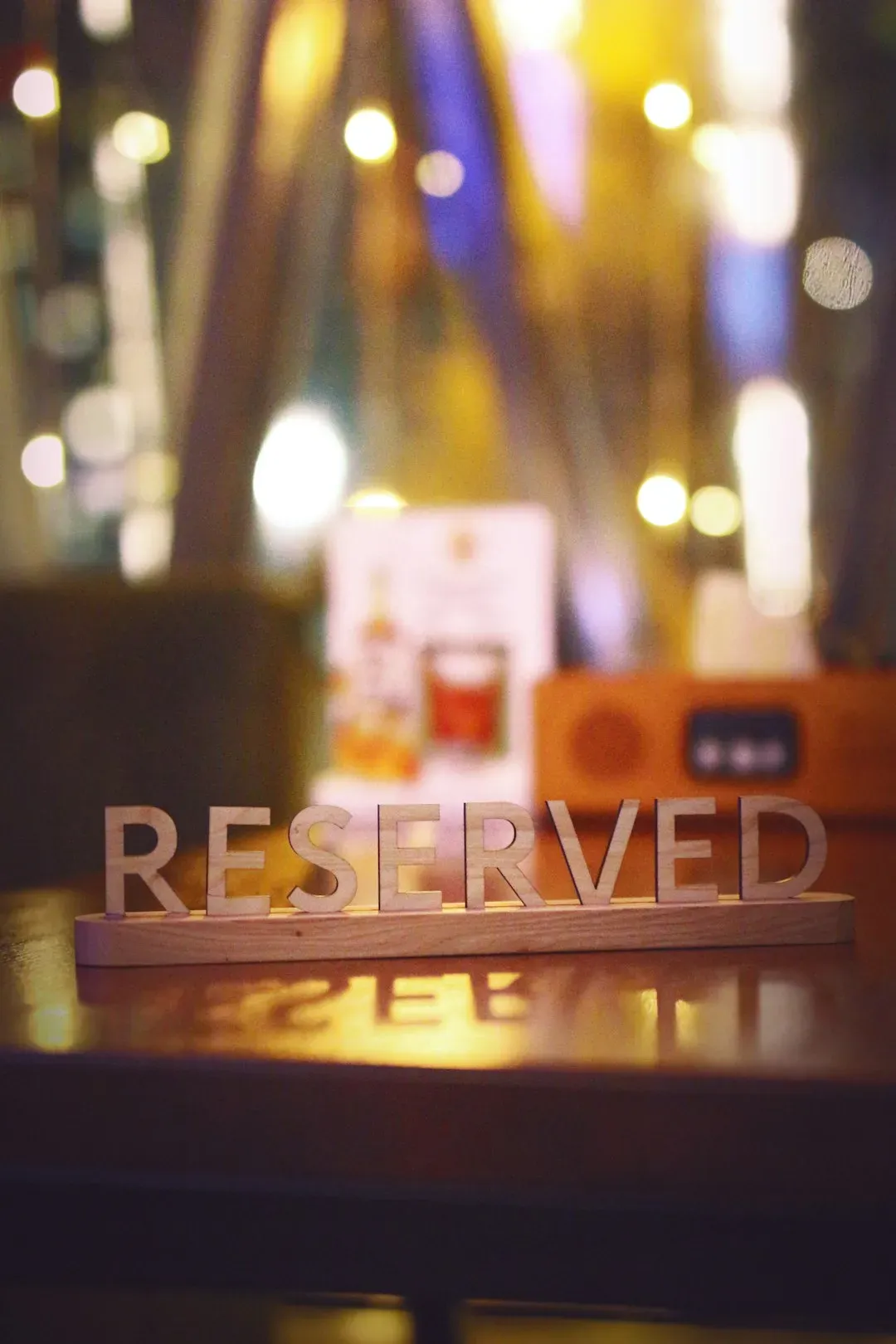
Fine dining runs on reservations the way airlines run on bookings. Late arrivals, no-shows, and surprise oversized parties throw an entire evening’s seating choreography into chaos. According to industry data, the vast majority of full-service restaurants that take reservations allow customers to book by phone, and more than half accept online reservations via their website. The systems exist specifically so that your table, your timing, and your experience can be prepared in advance.
A no-show at a fine dining restaurant is not just an inconvenience. Fine dining restaurants already have the highest failure rate of any restaurant segment. In an industry operating on razor-thin margins, a table that sits empty because of a casual cancellation or a no-show is genuinely costly. The staff prepped for it. The kitchen prepared components for it. That work does not vanish when you decide to skip without calling.
Arriving significantly late without notice creates a cascade effect that ripples through the entire service. Special occasions such as birthdays, anniversaries, and major life milestones are among the most common reasons guests choose upscale venues, where the ambiance and service match the significance of the event. Everyone at that restaurant is there for something meaningful. Honoring your reservation honors all of them, and it starts your relationship with the staff on exactly the right foot.
Fine dining is supposed to be a collaboration. The kitchen gives everything it has to every plate. The service team is trained for years to read a room, anticipate needs, and deliver something genuinely extraordinary. When that effort is met with respect, patience, and basic consideration, the experience becomes everything the restaurant hoped it would be. When it is not, everyone feels it. The next time you book a table somewhere beautiful, ask yourself honestly: are you the kind of guest that makes their night better, or harder? The answer shapes everything that follows.
What do you think? Have you ever been surprised by what bothers servers most? Drop your thoughts in the comments.