The “Fake Rich” Starter Pack: 5 Status Symbols That Fool No One
There’s a peculiar kind of performance happening all around us. It plays out in grocery store parking lots, on Instagram feeds, and in the driveways of suburban subdivisions. People are spending themselves into quiet financial ruin trying to look like something they’re not, and the saddest part? The people they’re trying to impress usually see right through it.
Honestly, there’s something almost fascinating about the psychology behind it. We live in an era where luxury logos are plastered on everything from airport luggage carousels to TikTok hauls, and yet the truly wealthy have mostly moved on from all of it. What’s left is a loud, expensive, and increasingly transparent game. Let’s get into the five status symbols that scream “fake rich” louder than they scream anything else.
1. Logo-Covered Designer Goods You Can’t Actually Afford
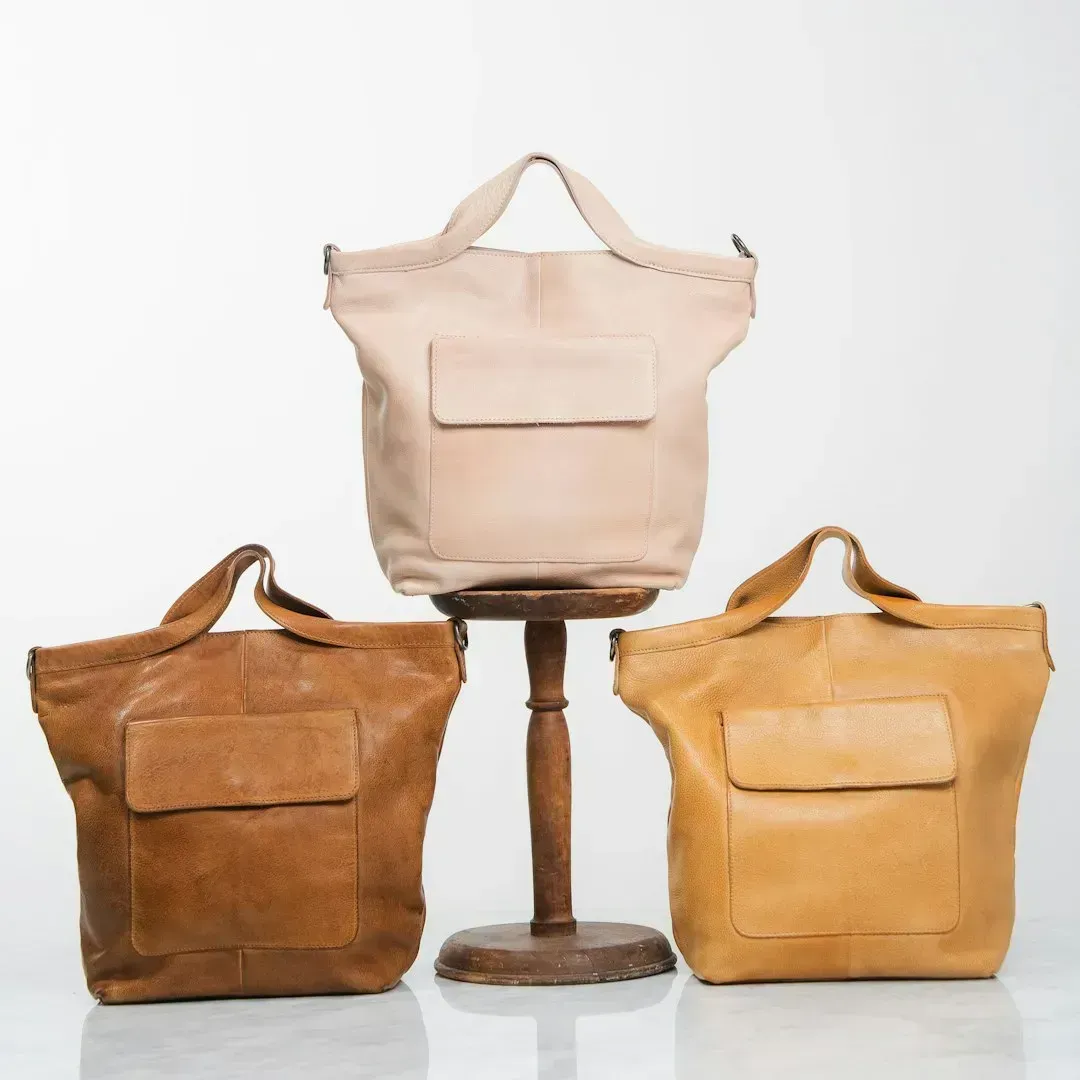
Here’s the thing about visible luxury logos. They used to mean something. Carrying a Louis Vuitton or a Gucci bag was once a reliable signal that you had real money. Not anymore. Research published in the Journal of Consumer Psychology found that individuals with lower financial self-esteem are significantly more likely to purchase items with visible logos. That’s not a coincidence. It’s a compensating mechanism dressed up in monogrammed canvas.
Studies show that status signaling “often happens amongst people earning less, who then spend a higher percentage of their pay on ‘status goods'” to create an illusion of wealth, and that “people with lower incomes end up eating into their savings” to maintain appearances. Think about that for a second. The bag is eating the savings account.
Research on brand prominence proposes a taxonomy assigning consumers to groups based on their wealth and need for status, demonstrating how wealthy consumers who are low in need for status pay a premium for quiet goods only they can recognize. In other words, the truly rich have already moved away from screaming logos. Buying a Prada bag or Jimmy Choo heels says nothing personal about the consumer, and since knockoffs are so accessible, signaling self will be the next frontier.
2. A Luxury Car With Payments You Can Barely Make
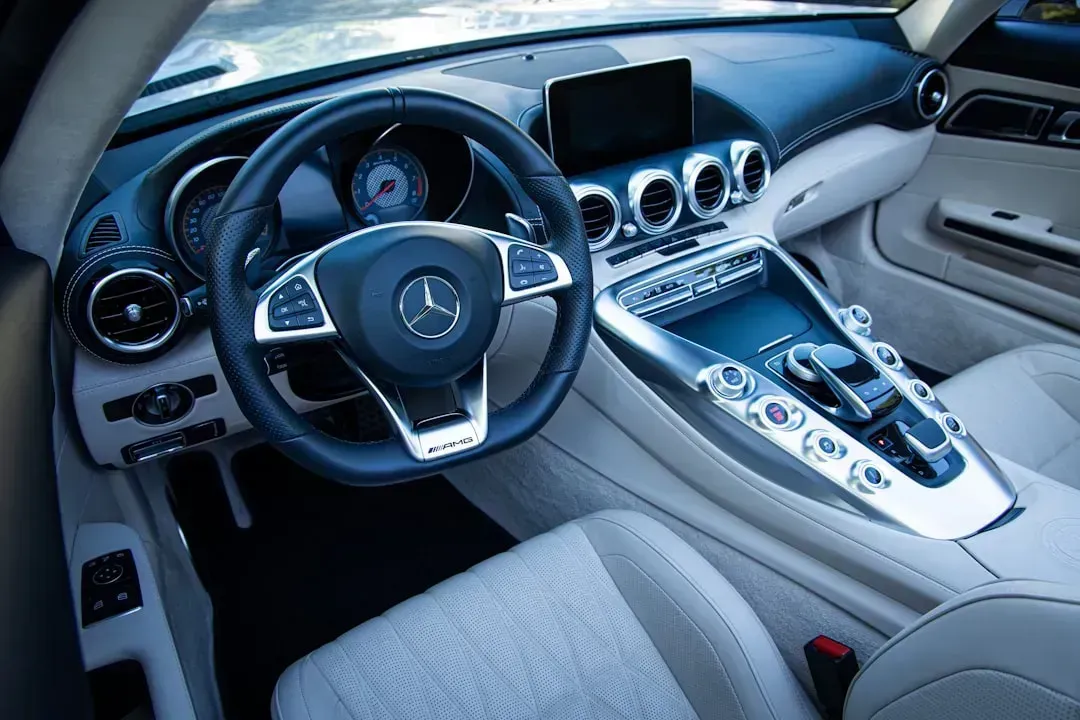
Few status symbols are more universally understood than pulling up in a BMW or a Mercedes. It feels like a rolling declaration of having arrived. The thing is, the data behind all those shiny grilles tells a very different story. The average new car payment reached a record $767 a month in the fourth quarter of 2025. That’s not a car payment. That’s a second rent.
Delinquencies on car loans, defined as 60 days or more past due, jumped more than 50% from the first quarter of 2010 through the first quarter of 2025. People are literally losing their luxury cars because the image became more important than the math. Americans are now carrying more than $1.66 trillion in auto debt, with borrowers tumbling into delinquencies and defaults at a pace that exceeds pre-pandemic levels.
Perhaps no status symbol is more visible daily than luxury vehicles, and for many people facing financial insecurity a high-end car serves as more than a ride; it’s a rolling declaration of “I’ve made it.” However, research indicates that when your monthly car payment is haunting you at night, or you’re constantly worried about affording repairs, there’s a good chance your sweet ride is just a high-end cover-up for deeper financial insecurities. Let’s be real. No car badge is worth seven years of payments and a rising delinquency rate.
3. The McMansion That Looks Rich on the Outside

You know the type. Fake columns out front, a two-story entryway designed to impress nobody who actually comes to visit, and a backyard roughly the size of a postage stamp. McMansions are “too ostentatious to be considered folk architecture” and do not reflect any meaningful architectural commentary. Instead, they represent an ideal or image of wealth, if not actual wealth itself, since they are often built of cheaper materials.
The quality of construction and materials is typically shy of a true mansion, and the faux Mediterranean style is often overused, with detailed columns or pieces of architecture that would be expensive in a luxury home instead made of foam or a similar lightweight material. Size without substance is just square footage. There’s a difference between that and actual luxury.
The era of “bigger is better” is crumbling under the weight of reality, and recent data from the National Association of Home Builders reveals that the average size of new homes has been shrinking since 2015, hitting a low in 2024 not seen since 2010. McMansions are overly large and opulent mass-produced homes that lack architectural cohesion, and previously regarded as status symbols, these homes are now fading into history as clichéd reflections of new wealth. The market has spoken and it’s moving on.
4. Luxury Dupes and Fakes Passed Off as the Real Thing

The counterfeit luxury market has exploded in a way that makes the whole “status signaling via brand” game almost absurd. Depending on the estimate, the yearly transactions of fake goods range from $1.7 trillion to $4.5 trillion, making the counterfeiting industry at least the tenth-largest economy in the world. Think about that scale for a moment.
Those who are high in need for status but cannot afford true luxury use loud counterfeits to emulate those they recognize to be wealthy. It’s a mimicry chain that goes all the way down, with each layer trying to look like the one above it. Having a Hermès Birkin was once the litmus test for being extremely wealthy, with years-long waitlists and eye-boggling price tags. Until Walmart started selling an aesthetically identical version for $80 instead of $25,000, and fashion lovers on TikTok were quick to hype up the low-price retailer’s affordable Birkin dupe.
Fifty million luxury consumers exited the market between 2022 and 2024, according to a report from Bain and Company. The old luxury playbook is collapsing. When an $80 version looks like the $25,000 one, the signal loses its meaning entirely. The “dupe economy” didn’t just democratize luxury. It dismantled the entire pretense around it.
5. Constant Flexing on Social Media
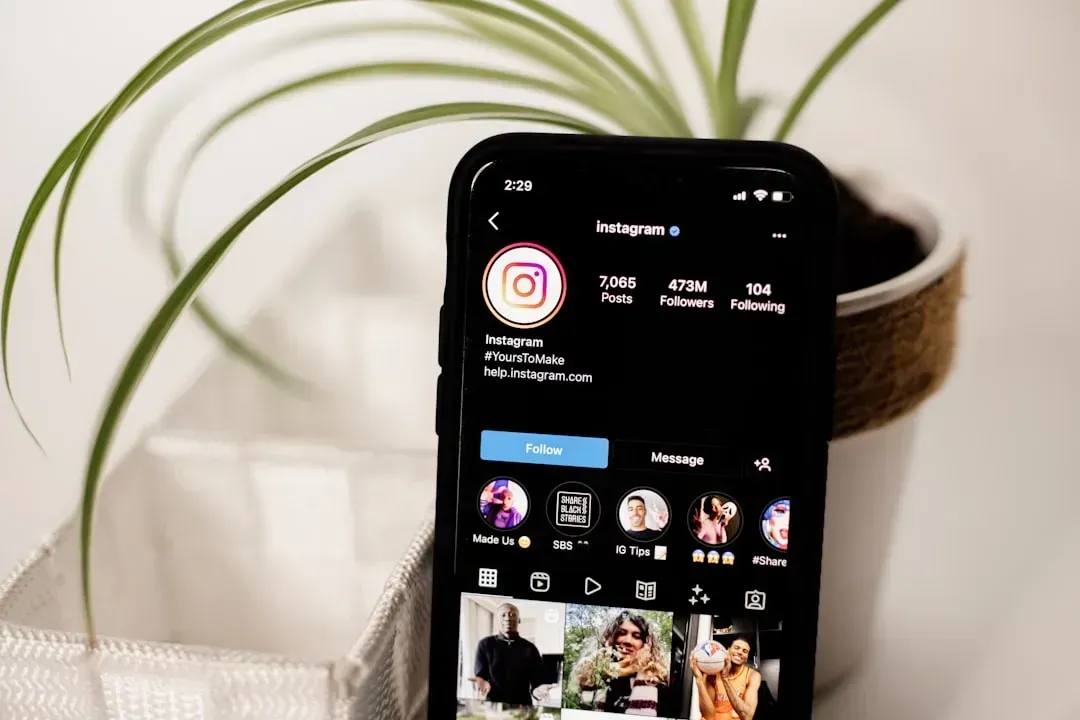
I think this one might be the most telling of all. Scroll through any feed and you’ll see a parade of designer brunches, first-class boarding passes, and shopping hauls. It all looks effortlessly rich. The research, though, points in the exact opposite direction. This constant “flexing” through photos of designer brunches, luxury vacations, and high-end shopping often masks mounting credit card debt and financial stress, and studies examining the relationship between social media behavior and financial security found that individuals experiencing financial stress were more likely to post content displaying wealth signals.
The psychological mechanism behind this behavior relates to social comparison theory. When experiencing financial insecurity, individuals become hyperaware of how they measure up against peers, leading to curated presentations of self that emphasize wealth markers. It’s not confidence on display. It’s anxiety wearing a filter.
Privacy and being detached from the internet will become a status symbol, and as more people are trapped in a chronic feedback loop scrolling their days away, it’s a flex to unplug. The genuinely wealthy are increasingly moving away from public performance altogether. Privacy, leisure activities, novel items, and expressing oneself have become new touchpoints of prosperity. The loudest feeds may actually be the most financially fragile ones.
The Real Signal Has Always Been Quiet
What ties all five of these together is the same root cause. Economist Thorstein Veblen first identified this phenomenon in his 1899 work, coining the term “conspicuous consumption,” and research from institutions like London Business School and Cornell University demonstrates that when a person’s self-esteem is threatened, their desire for status goods increases as these products serve to “nurse their psychological wounds.” Not much has changed in that regard. The products have just gotten louder.
The ultra-rich have ditched their old standards of luxury and are signaling their status in new ways, flashing their funds in more creative ways that in some cases have nothing to do with overt spending. Real wealth today looks like time, privacy, health, and the kind of calm that doesn’t need an audience. That’s genuinely hard to fake.
Financial security comes not from appearing wealthy but from achieving economic stability: adequate savings, manageable debt levels, and sustainable spending patterns. Recognizing how status anxiety drives consumption, people can make more conscious choices about what they truly value and need. The most expensive thing in the “fake rich” starter pack might just be the price of keeping up the act. What would you give up first?