Energy Vampires: 8 Modern Appliances That Are Costing You $400 a Year Just by Being Plugged In
You’ve paid your electric bill. You shut off the lights. You even unplugged your phone charger after it finished charging. So why does that monthly statement keep climbing?
Here’s the thing most people don’t realize: a hidden army of devices in your home is quietly draining electricity around the clock, even when you think they’re off. The average American household loses $217 per year to vampire power, and in some states, that figure climbs even higher. Lawrence Berkeley National Laboratory estimates that standby power represents between 5% and 10% of residential electricity usage in developed countries. That’s not pocket change anymore.
The culprits? They’re sitting in your living room, kitchen, and bedroom right now, silently sipping power while you sleep. Let’s dive into the eight biggest offenders that could be bleeding your wallet dry.
Cable Boxes and DVRs: The Worst Offenders in Your Living Room
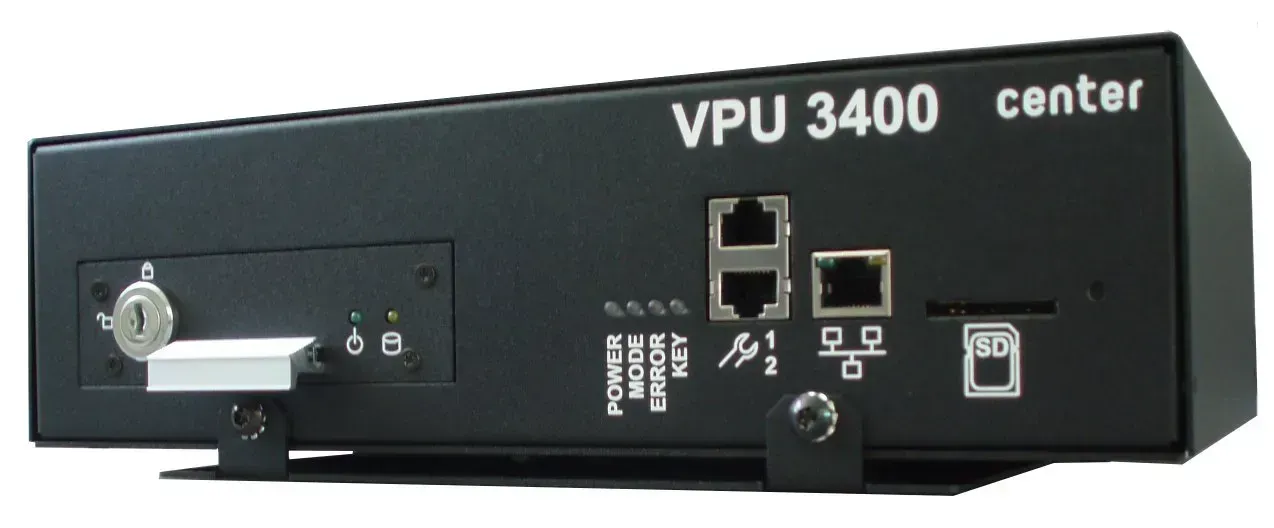
If you have a cable box, especially one with DVR capabilities, you’ve got yourself a genuine energy vampire. The average cable box/DVR combo consumes approximately 446 kWh per year, which is higher than the average refrigerator at 415 kWh per year. Let that sink in for a moment.
These devices were designed for instant gratification. Companies designed cable boxes to be always on and ready to respond to user commands with zero delay, and the majority of cable boxes on the market never idle, never hibernate, and never go into any sort of power saving state. Even when you hit the power button on your remote, most boxes aren’t actually turning off at all.
The majority of DVR units consume around 22 to 25 watts in standby mode, running continuously whether you’re watching or not. The average pay television subscriber is spending at least four dollars a month in hidden electricity costs, and costs for residents in the northeastern United States can reach ten dollars per month, which is up to 120 dollars a year in hidden charges.
Gaming Consoles: Your PlayStation and Xbox Are Playing You

Gaming consoles have become entertainment hubs, but that versatility comes at a steep price. The real problem isn’t when you’re actively gaming. It’s what happens when you walk away.
Nearly half of the Xbox One’s annual energy is consumed in connected standby, when the console continuously draws more than 15 watts, and if all Xbox 360 models are replaced by Xbox One consoles, this one feature will be responsible for four hundred million dollars in annual electricity bills. That’s just one brand. Modern consoles like the PlayStation 4 aren’t much better, with standby modes that keep USB ports active and systems ready to wake at a moment’s notice.
Here’s what most gamers don’t know: The PS4 and Xbox One are very inefficient when playing movies, using 30 to 45 times more power to stream a movie than a dedicated video player. If you’re using your console to watch Netflix, you’re essentially paying a premium in electricity for something a thirty-dollar streaming stick could do far more efficiently.
Laptop and Phone Chargers: The Silent Drainers You Forgot About
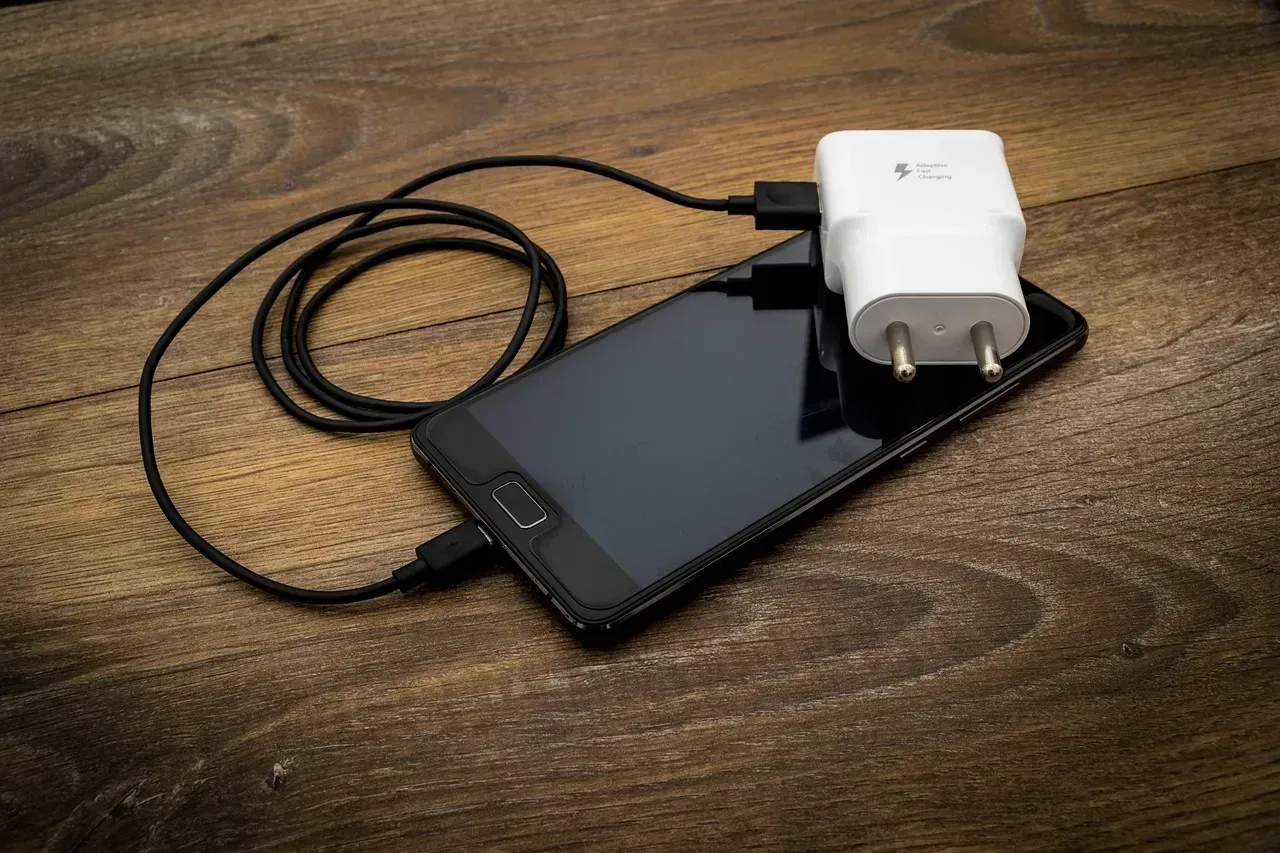
You’ve probably heard this advice before, yet how many of us actually follow it? Those chargers plugged into outlets throughout your house are pulling electricity even when nothing’s connected to them.
Leaving your chargers plugged into an outlet will continuously draw power even when nothing is plugged into them. The amount per charger might seem negligible, roughly around one watt, but multiply that by every charger in your house and factor in a full year of continuous draw.
Your laptop charger uses power even when your laptop isn’t plugged in, and if it feels warm to the touch when you get home, that’s vampire energy at work. It’s such a simple fix, yet it’s one of those habits we just don’t prioritize. Those transformers on power cords? Anything with a transformer consumes power, and these boxes waste up to three quarters of the electricity that travels through them due to poor design.
Desktop Computers and Monitors: Always Ready, Always Consuming
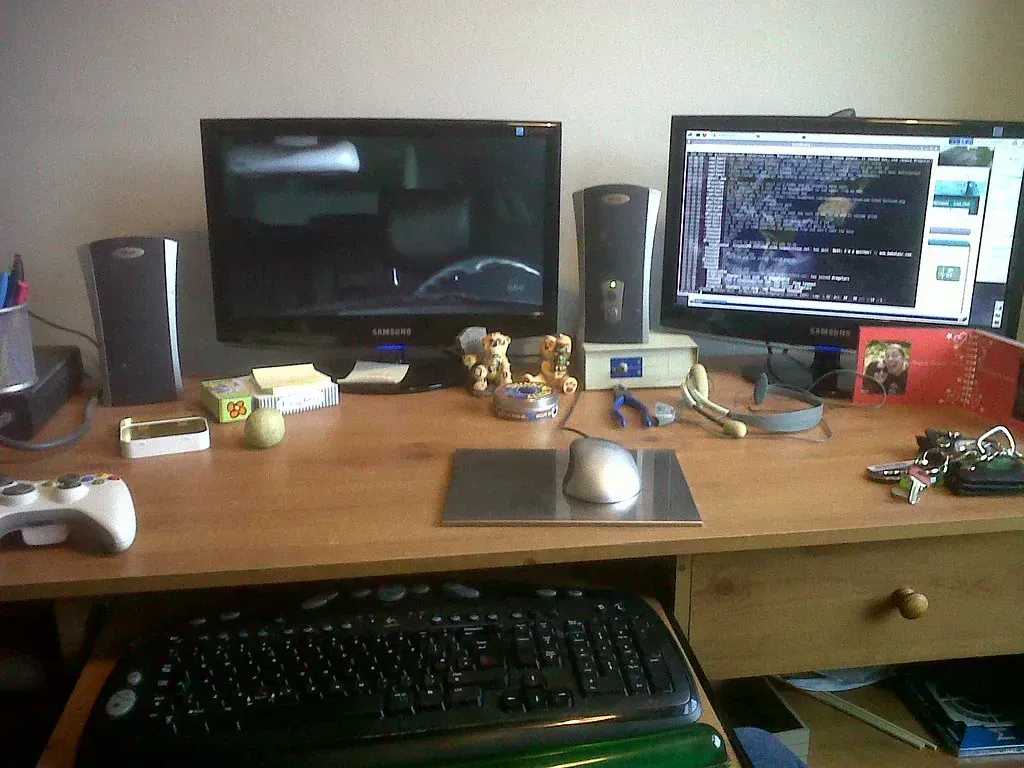
Many people put their computers to sleep rather than shutting them down completely. Sleep mode is convenient, sure, but it’s costing you more than you think. Desktop computers in sleep mode can draw anywhere from a few watts to over twenty watts depending on the model and settings.
Monitors add to this problem. Even when they appear to be off, many monitors remain in standby mode, waiting for a signal from your computer. Phantom power can account for 5 percent to 10 percent of your total household electricity usage, and computers along with their peripherals represent a significant chunk of that waste.
The office setup gets worse when you factor in printers, external hard drives, and speakers all plugged in continuously. Many printers remain in standby mode and consume energy when not actively printing. Each device on its own might only waste a small amount, but together they form a significant drain that compounds month after month.
Smart TVs and Audio Equipment: Entertainment Centers That Never Sleep

Modern televisions don’t just turn off anymore. They go into standby mode, ready to receive commands from your remote or smart home system. While standard TVs may have a phantom load of over 10 watts, some ENERGY STAR certified TVs have a phantom load of less than 1 watt. Most people don’t have the newest models, though.
Audio equipment compounds the problem. AV equipment like soundbars and home theater speakers use vampire power to run clocks and wait for signals from remote controls, averaging 7.5 watts in standby mode, which works out to 60 kWh per year of wasted energy and ten dollars a year on your electric bill.
That whole entertainment setup in your living room could easily be drawing twenty to thirty watts continuously, every single hour of every single day. Over a year, that adds up to substantial energy waste that could have been avoided with one simple power strip.
Kitchen Appliances with Digital Displays: Clocks You Never Look At

Walk into your kitchen right now and count how many digital clocks are glowing at you. Microwave. Coffee maker. Oven. How many of those clocks do you actually use to tell time?
Kitchen and household appliances with digital displays or electronic controls contributed to standby power use, and coffee makers with clocks and timers, microwaves, and even clothes dryers with electronic controls all draw some power continuously. Each one might only use a couple of watts, but when you have four or five appliances all running displays around the clock, it adds up quickly.
Coffee makers can consume energy for clocks and timers even when not brewing. That’s energy you’re paying for to tell you it’s 12:00 flashing repeatedly because nobody bothered to set it after the last power outage. These small conveniences have hidden costs that manufacturers don’t advertise and most consumers never consider.
Wireless Routers and Modems: The 24/7 Energy Hogs
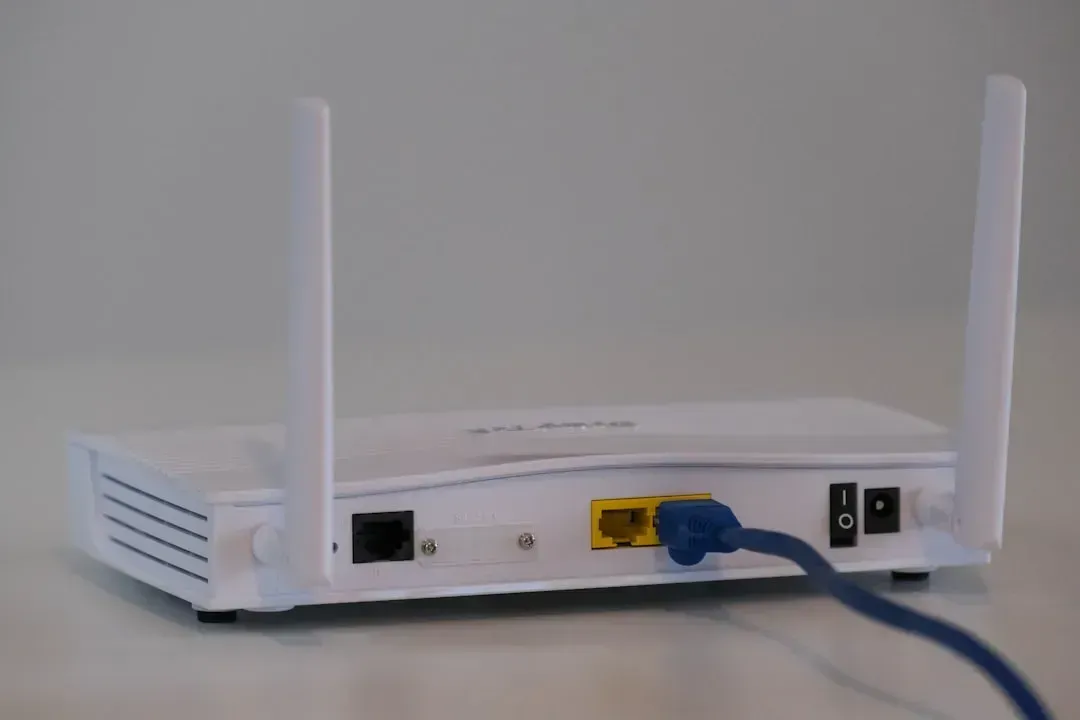
Your internet connection needs to stay active, right? Well, yes and no. Most people never turn off their routers or modems, allowing them to run continuously every single day of the year.
Even when no device is plugged into them, your router and modem remain connected to the internet and will continue to broadcast a WIFI signal, thus even if you’re not using the devices they use energy to perform the necessary processes. A typical router draws between six and twenty watts depending on the model and how many devices are connected.
That might not sound like much, but over the course of a year, a router pulling ten watts continuously will consume roughly 87 kWh. Multiply that by your local electricity rate and consider whether you really need your WiFi broadcasting at full strength when everyone’s asleep or away from home. Smart plugs with timers could cut that consumption significantly without much inconvenience.
Printers and Office Equipment: The Forgotten Vampires
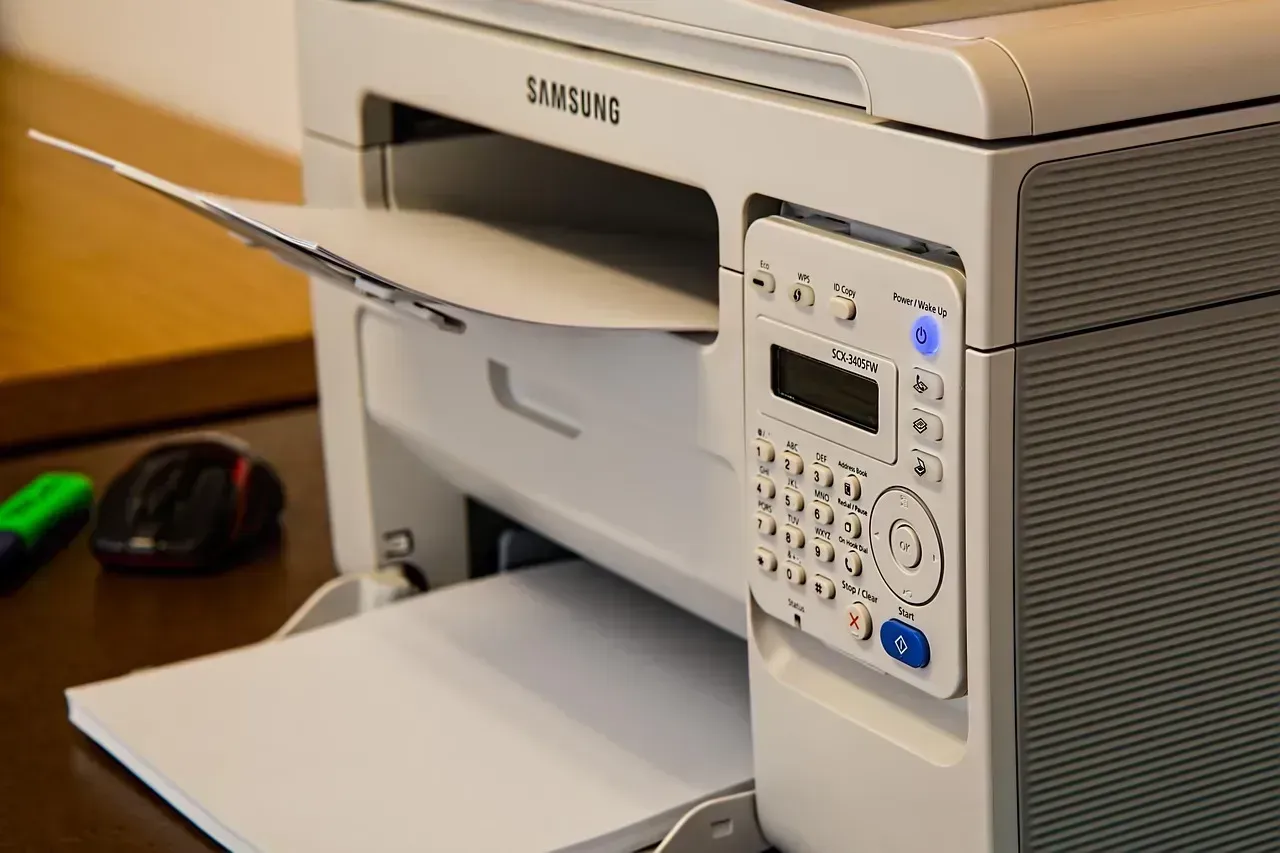
When was the last time you actually printed something? For many households, it’s been weeks or even months. Yet that printer sits there, plugged in, perpetually ready to spring into action.
Wireless printers are particularly wasteful because they maintain network connections continuously. Turning the printer on every time you need it can be a hassle, which is why most people keep their printers on standby, and printers with wireless features need an active WiFi signal to operate, which consumes electricity.
Office equipment like scanners, external monitors, USB hubs, and charging stations all contribute to the problem. Many people have entire home office setups that draw power constantly, even on weekends when nobody’s working. These devices were designed for convenience, not efficiency, and the cumulative cost reflects that design philosophy.