7 Important Needs of Indoor Cats That Most Households Forget
Most cat owners genuinely love their pets. They buy the food, set up a cozy bed, maybe toss a toy mouse across the floor now and then. But here’s a thought that might make you stop and think: loving your cat and truly meeting your cat’s needs are not always the same thing.
Cats are highly intelligent, naturally curious, and active animals whom humans have chosen to take into their homes as companions. Yet many cats who live only indoors do not have their essential environmental needs met. That gap, between what owners think is enough and what cats actually require, is surprisingly wide. What follows might surprise you.
1. Mental Stimulation: The Need Most Owners Underestimate
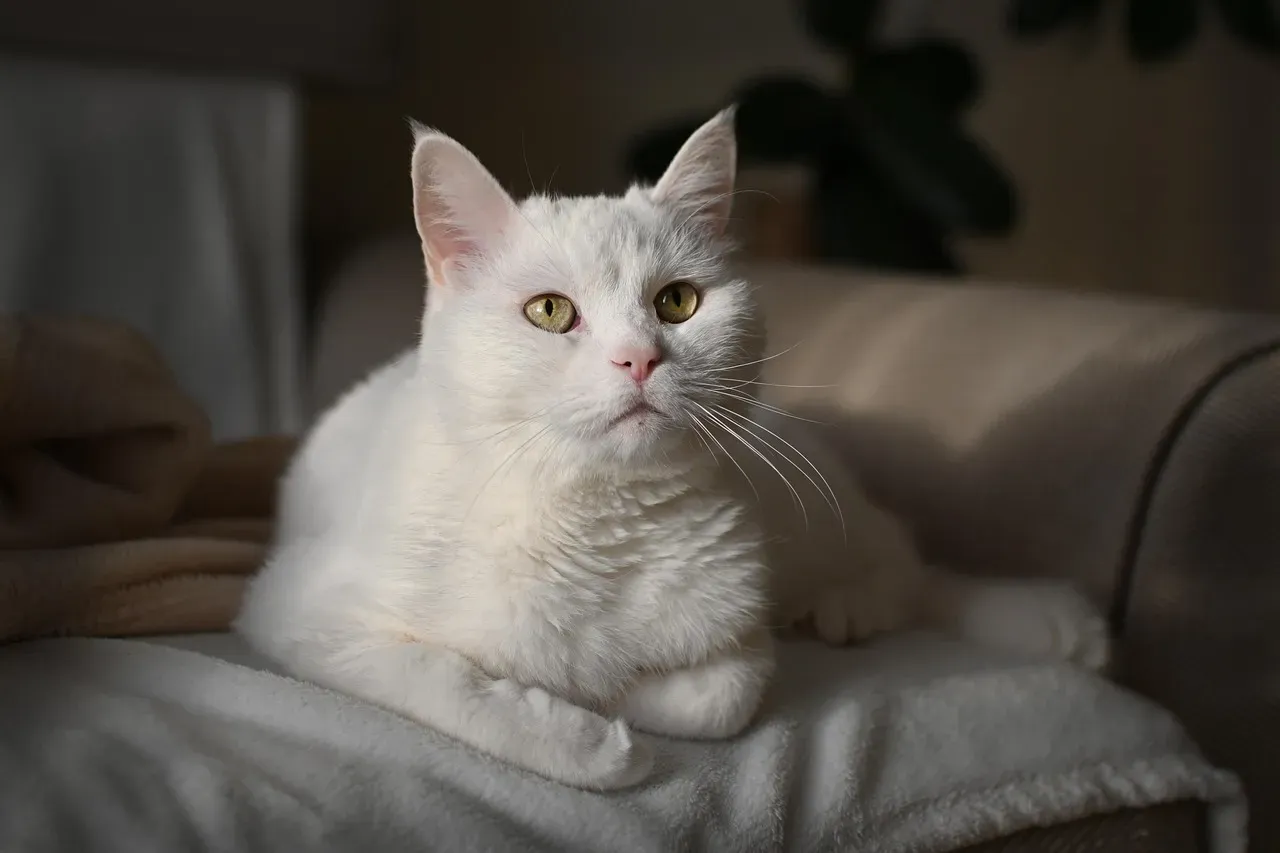
Here’s a jaw-dropping place to start: a 2023 study by the ASPCA found that roughly more than half of indoor cats show signs of boredom, such as excessive sleeping, overeating, or destructive behavior. That’s a staggering number when you consider how many loving households there are out there. Honestly, most owners don’t even realize their cat is bored because cats hide it so well.
Without enough stimulation, indoor cats are prone to boredom, which can lead to emotional and mental strain. A cat that isn’t mentally stimulated may experience stress, anxiety, or even depression. Behavior changes like excessive grooming, hiding, vocalizing more than usual, or becoming more aggressive are signs that a cat is feeling frustrated by their lack of stimulation.
Research indicates that a lack of mental stimulation can result in up to roughly a third of loss of brain function over time in both animals and humans. Think of mental enrichment like exercise for the brain. Puzzle feeders are an excellent way to make mealtime more engaging, as they require cats to work for their food, stimulating their problem-solving skills and providing mental enrichment.
2. Opportunities for Play and Predatory Behavior
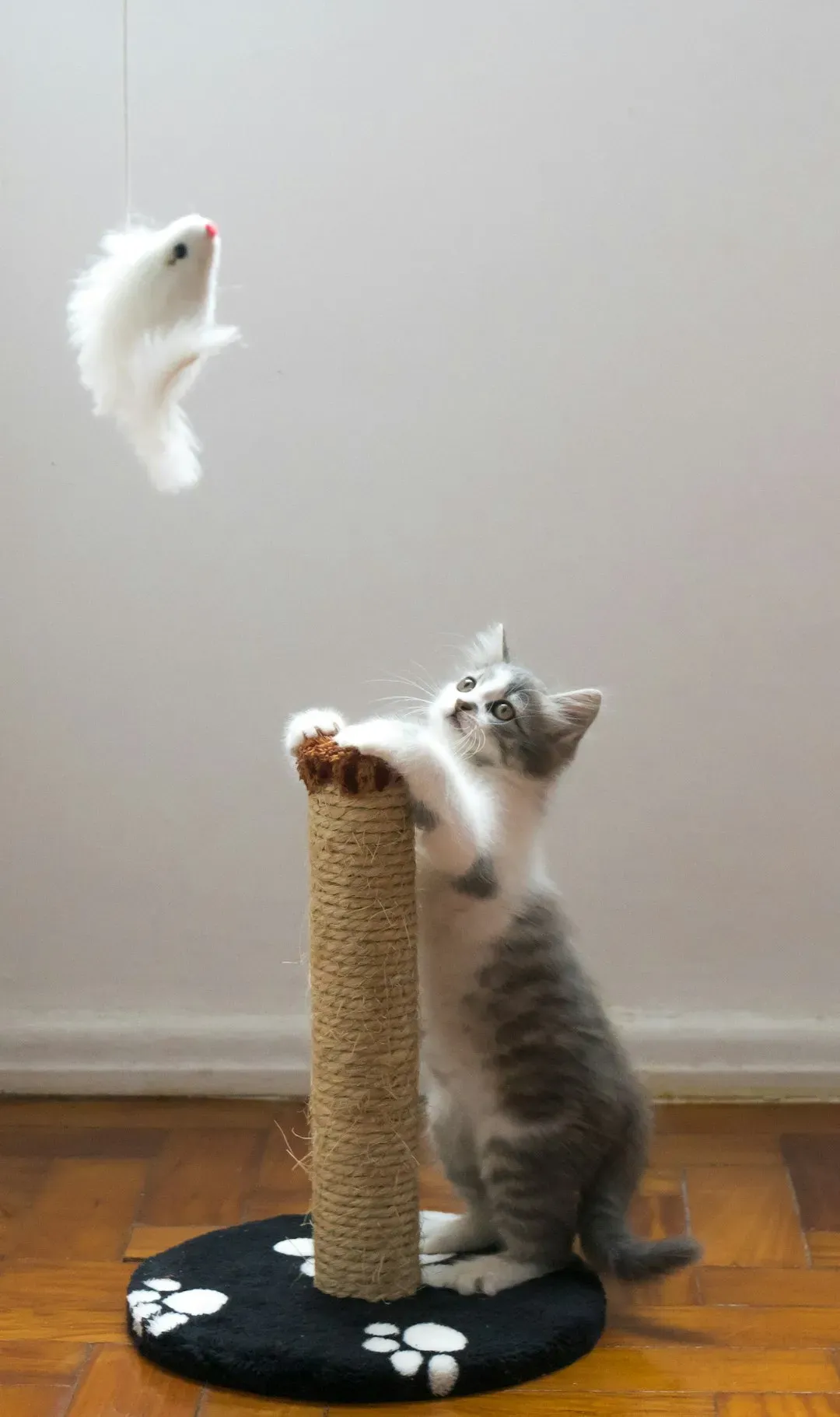
Multiple guidelines and reviews converge on one point: play and predatory behavior are mandatory, not optional, for indoor cats. Without opportunities to stalk, chase, pounce, and “kill,” energy is redirected into aggression, furniture destruction, or self-injury. Let’s be real, your cat isn’t being “bad” when it attacks your ankles at 2 a.m. It’s telling you something important.
Cats need roughly two 10 to 15 minute play sessions daily to mimic hunting. That’s genuinely not a lot of time, yet the vast majority of households don’t hit that mark consistently. A 2024 Purina study found that interactive play reduced cat anxiety by roughly one fifth.
Turning mealtime into a challenge with puzzle feeders or treat dispensers that require a cat to “work” for their food engages their mind, keeps them physically active, and prevents overeating. It’s like giving them a job. And cats, believe it or not, need to feel like they have a job.
3. Vertical Space and Adequate Scratching Surfaces
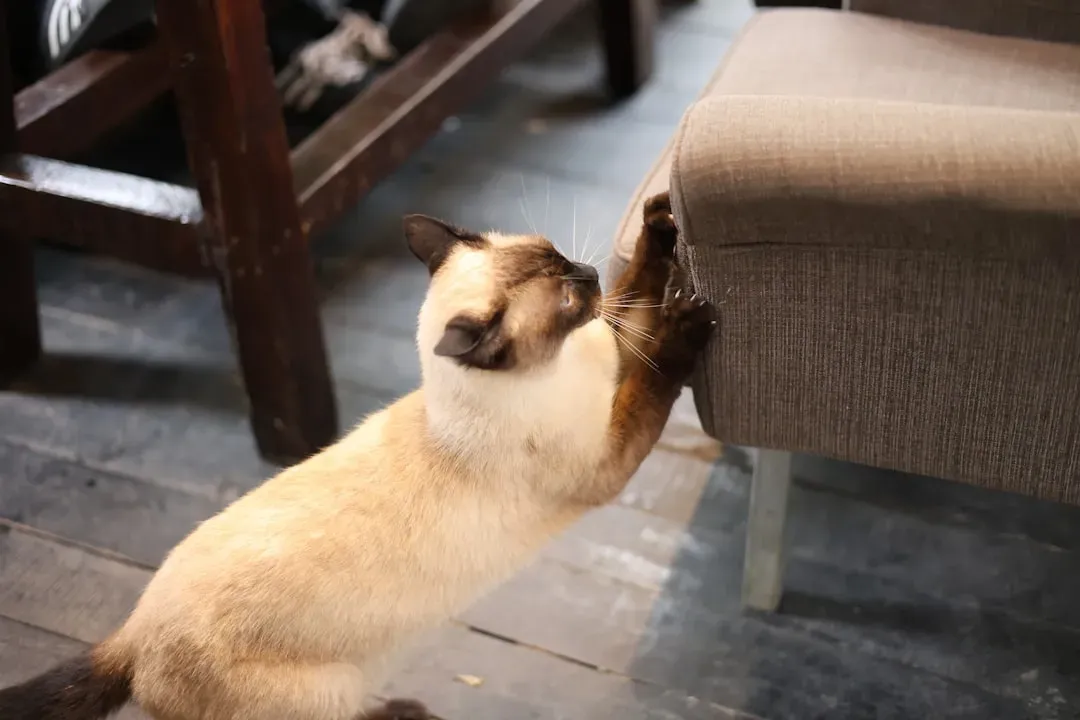
Cats need a variety of vertical places to rest and places to scratch. Cats like to be up high to monitor their environment and will often seek this out, especially if they are more confident and curious types. Scratching is also a necessity for cats: it engages their muscles, stretches their body, maintains nails, and marks surfaces.
Scratching is a normal feline behavior that functions to maintain claw health, deposit the cat’s scent in the environment, and leaves a visual cue to other animals. Cats may have preferences for different types of scratching surfaces, with carpet, wood, rope, and cardboard being commonly preferred substrates. They may also prefer scratching surfaces that are vertical, horizontal, or angled. Most households offer one scratching post tucked in a corner nobody uses. That’s rarely enough.
Cat trees, wall shelves, and window perches give cats chances to climb and observe from above. Height satisfies their instinct to stay alert and secure, while also building confidence and providing exercise. In multi-cat homes, vertical space also helps reduce conflicts by giving each cat its own area.
4. A Proper, Well-Maintained Litter Box Setup
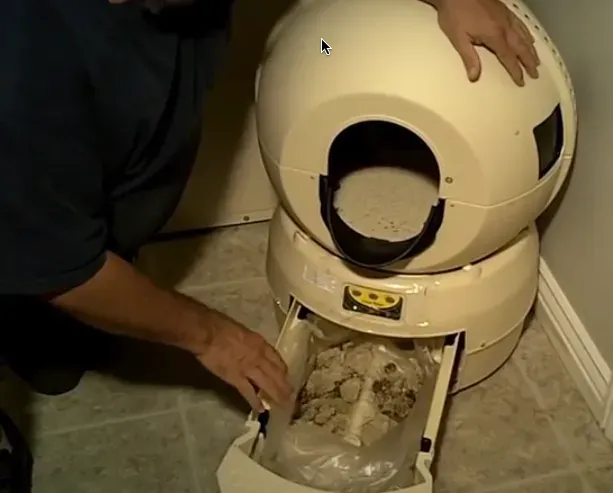
This one is so simple, yet so commonly neglected. Urination and defecation outside a designated location has been reported as the most common behavioral reason for surrendering a cat and comprises approximately nearly a third of cat intakes to shelters. Think about that. Cats are given up because of a problem that is almost entirely preventable.
Keeping your cat’s litter box clean is vital to their health and overall well-being. A soiled box can contribute to urinary tract infections, stress, and unwanted behavioral issues. Because cats are instinctively clean, they may avoid using a litter box that isn’t well-maintained. Cleaning the box daily and replacing litter regularly helps prevent health problems and supports proper bathroom habits.
The “n+1” rule applies here, meaning two cats require three litter boxes, and so on. It sounds excessive until you realize that forcing a cat to share or wait is a real source of chronic stress. Urine or fecal soiling outside the box is undesirable for humans but not inappropriate for the cat, and causes include an underlying medical problem or sources of distress in the physical or social environment.
5. Safe Hiding Spaces and a Sense of Environmental Control
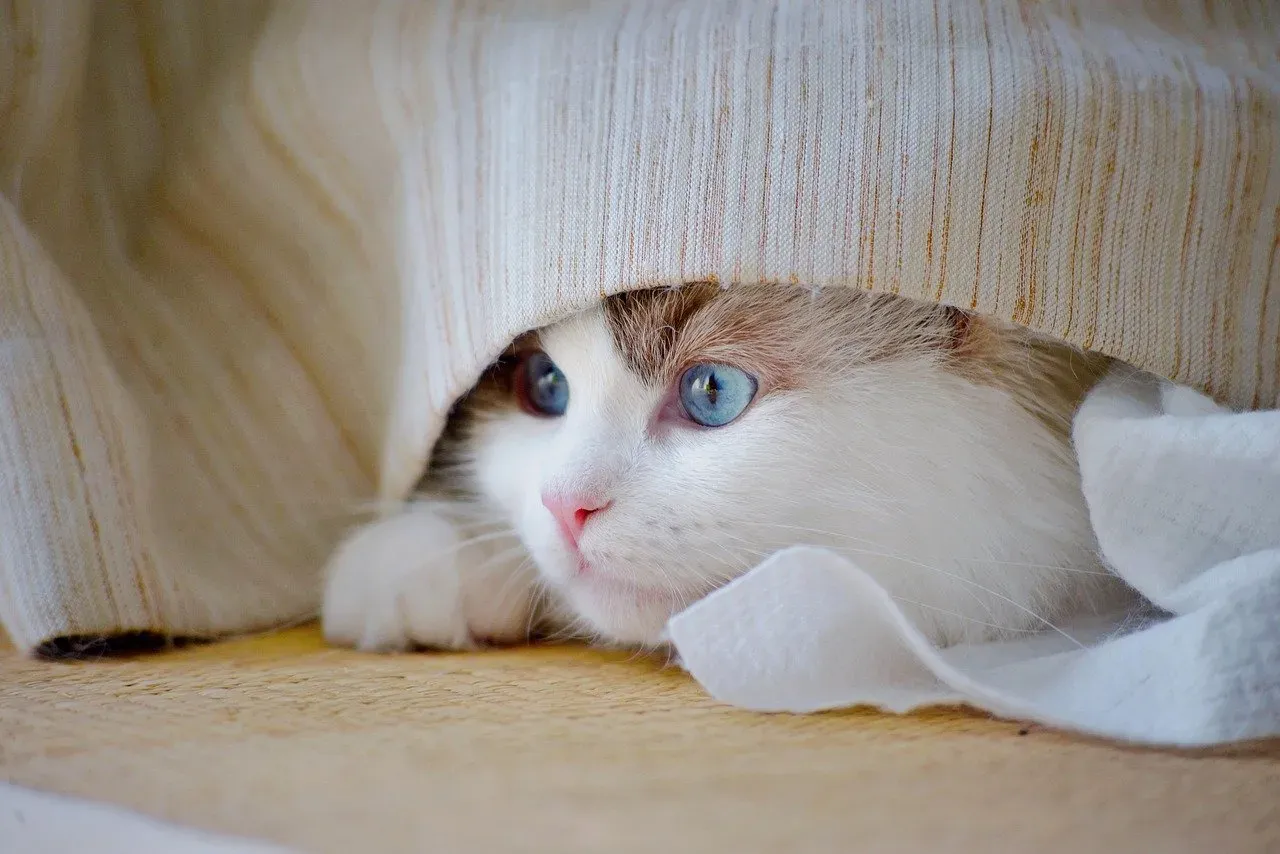
A safe place to hide increases a cat’s ability to cope with environmental stressors. This is one of the most overlooked needs in typical household setups. People decorate their homes for themselves, which makes complete sense, but they rarely think about whether their cat has a genuine retreat.
Hiding is an important coping mechanism for cats. A 2023 study in the Journal of Veterinary Behavior reported that cats with access to hiding places exhibited roughly a quarter fewer stress behaviors, such as excessive grooming. That is a meaningful reduction, and all it requires is a box, a covered bed, or a shelf tucked out of the way.
While indoor living reduces exposure to many physical dangers, safety alone is not enough. Emotional and behavioral needs must be prioritized equally. A cat that cannot escape noise, visitors, or other pets will live in a state of low-grade anxiety that most owners never notice. Cats prefer a familiar space, and unfamiliar smells, sounds, sights, and tastes are often perceived as threatening. When not possible to avoid them, they should be gradually introduced at a pace or intensity that doesn’t cause feline fear-anxiety.
6. Feeding That Mirrors Natural Hunting Behavior
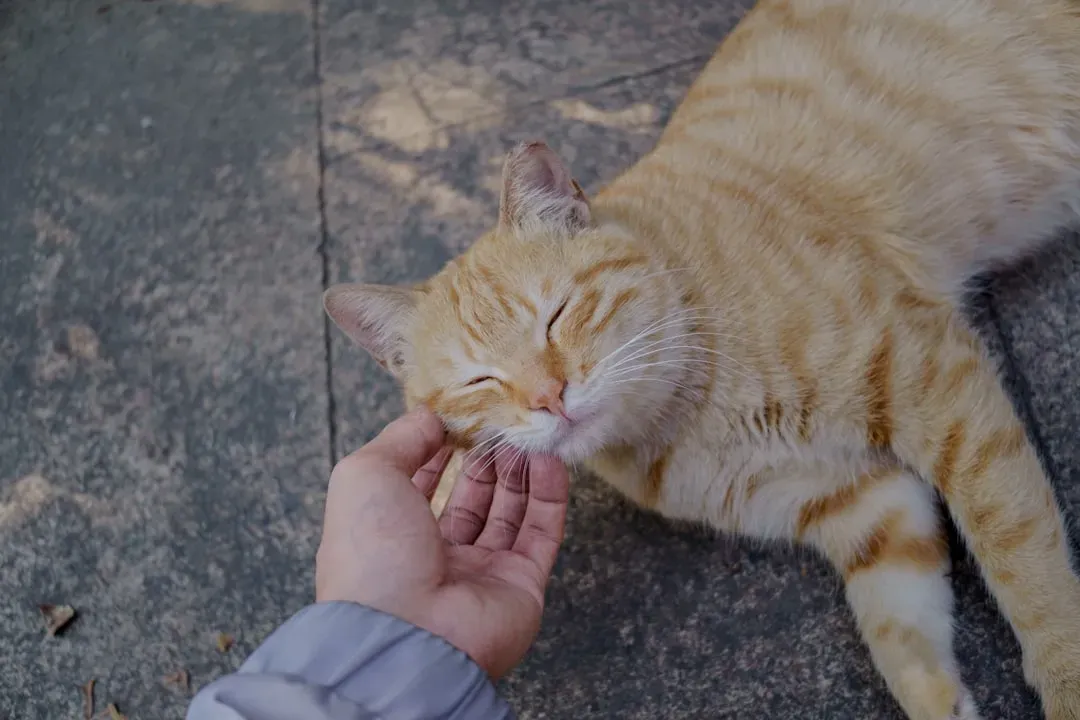
Static bowls filled all day are convenient, but they remove one of the cat’s most important jobs: working for food. Many sources highlight that boredom and obesity are tightly linked, and that feeding style is a major driver of both. It’s the equivalent of a human sitting on a couch eating chips all day. Convenient. Not great.
According to a 2024 report in the Journal of Feline Medicine and Surgery, environmental enrichment reduces stress-related behaviors in cats by up to roughly a third and lowers the incidence of obesity, a condition that affects the majority of indoor cats in the U.S. Obesity is one of the biggest and most underrated health threats for indoor cats, with AVMA-linked research showing that obesity increases the risk of diabetes, orthopedic disease, skin issues and more.
Failure to provide opportunities for predatory behavior may deprive cats of mental and physical activity, which may contribute to the development of obesity and other health problems. Owners can accommodate their cats’ natural eating habits and increase their daily activity by offering food in puzzle toys designed to release dry food or treats when physically manipulated. Cats may also benefit from an increased moisture content in their diets, which can be accomplished by offering wet food daily and multiple fresh water stations. Running water in the form of a fountain may also be appealing to many cats.
7. Consistent, Positive Human Social Interaction
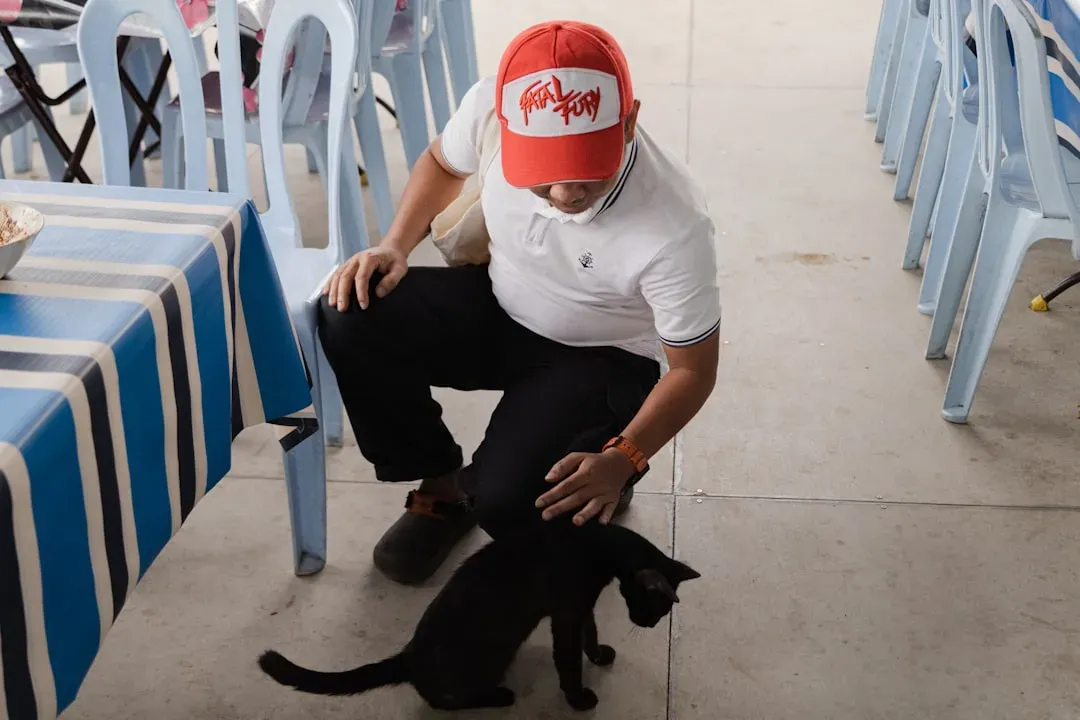
Cats have a reputation for being cold and independent. It’s a common misconception and one that genuinely harms their wellbeing. Most cats tend to prefer frequent, low-intensity social contact with humans. It is important to allow the cat to initiate, choose, and control the type of interaction, as each cat has an individual preference for contact such as petting, grooming, or cuddling. Signs of relaxation and willingness to interact include slow blinking, purring, head bunting, and facial or body rubbing against a person.
Toys and environmental changes are essential, but social interaction is just as important. While some cats are more independent, all cats need regular interaction with their human companions. Playtime, petting, and grooming can strengthen the bond and reduce feelings of loneliness or boredom.
Indoor living reduces exposure to many physical dangers, but safety alone is not enough. Meeting the essential environmental needs of each cat will reduce their distress and the likelihood of behavioral disorders and stress-related medical issues. The Feline Veterinary Medical Association released an updated position statement on this in 2025, reinforcing that indoor cats’ emotional and behavioral needs require a comprehensive framework to support their wellbeing. That’s a message worth taking seriously.