The “Dream Home” Feature Making Houses Impossible to Resell Right Now
There is a peculiar trap that thousands of homeowners fall into every single year. They pour their savings, their weekends, and enormous amounts of emotion into upgrading their home – turning it into what they genuinely believe is a masterpiece. Then comes the day they need to sell, and suddenly, that “dream feature” becomes the reason buyers walk out the front door without making an offer.
It’s a painful, expensive lesson that too many people learn too late. The features that feel deeply personal and exciting to one owner can feel alienating, expensive, or just plain overwhelming to the next. So which renovations are quietly killing resale values across the country right now? Let’s dive in.
The All-Gray Everything Trap
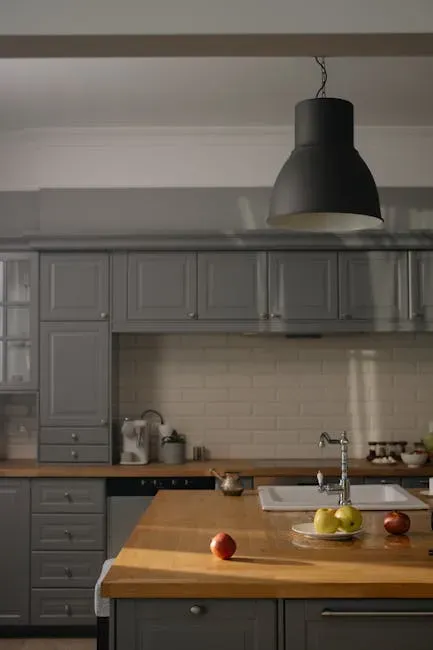
For much of the past decade, the all-gray interior was the gold standard of modern home design. Flippers, real estate investors, and HGTV-addicted homeowners painted walls gray, installed gray flooring, and ordered gray cabinets by the truckload. It felt sophisticated. It felt safe. It felt modern.
The all-gray kitchen that dominated the last decade has officially run its course. For years, real estate investors and home flippers relied on gray walls, gray flooring, and gray cabinets to create a “modern” look. In 2025, however, this trend is dead. Buyers now see all-gray interiors as cold, outdated, and overdone. The monochromatic approach that once felt sophisticated now reads as uninspired and sterile.
Dark wood cabinetry from the early 2000s is another major turnoff. According to designer Michelle Murphy, founder of DEMI RYAN, homes can look dated if they feature “heavy, ornate details, dark wood cabinetry, and faux finishes from the early 2000s,” which now feel outdated compared to the lighter, more natural materials trending today. Honestly, the irony is almost painful – what was premium five years ago is now the thing buyers want to rip out first.
The Luxury Pool Dream That Costs More Than It Earns
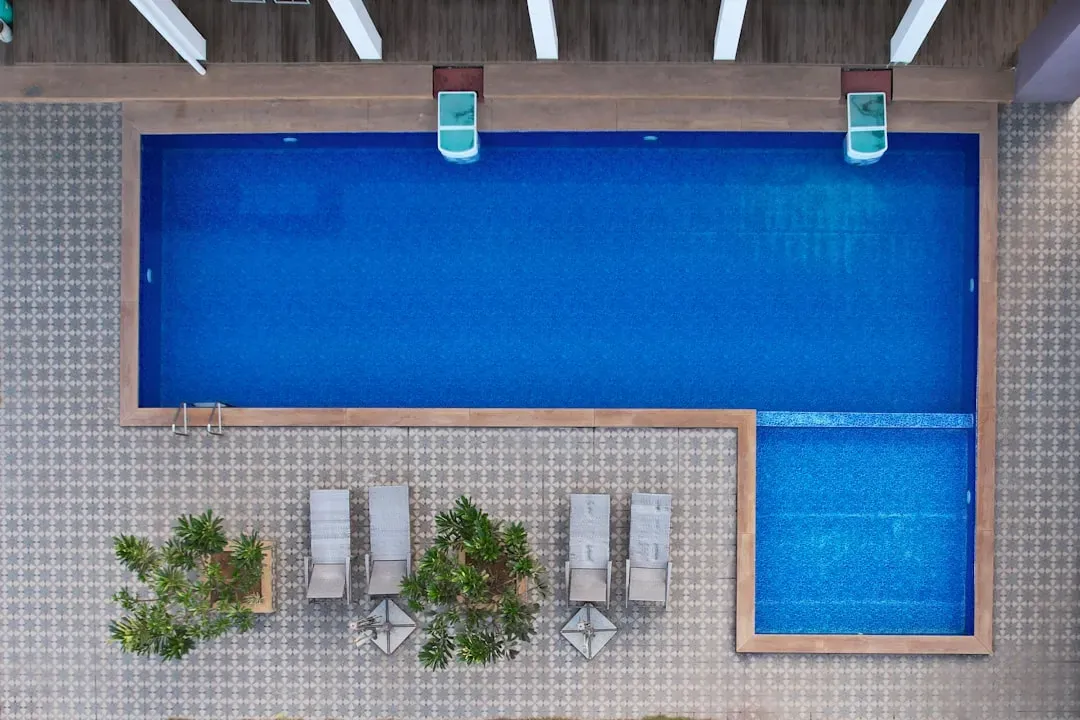
Nothing says “dream home” quite like a shimmering private pool in the backyard. The vision is easy to fall in love with – summer parties, lazy Sundays, the envy of every neighbor. The reality, though, is a very different story when it comes to resale.
Contrary to popular belief, a swimming pool renovation or addition is not the best way to add value to your home. According to HouseLogic, a swimming pool could increase a home’s value by roughly seven percent at most, and that is only in certain circumstances. According to a report from the National Association of Realtors, the cost of building an inground pool could reach $90,000, so there’s a significant investment involved.
Pools require expensive maintenance, increase insurance costs, and limit your buyer pool. Many families with young children view them as safety hazards. Think of it this way: you’re essentially spending close to six figures on a feature that cuts a significant portion of potential buyers out of the conversation entirely. That is not a dream. That is a financial liability with a diving board attached.
The Garage Conversion Nobody Asked For
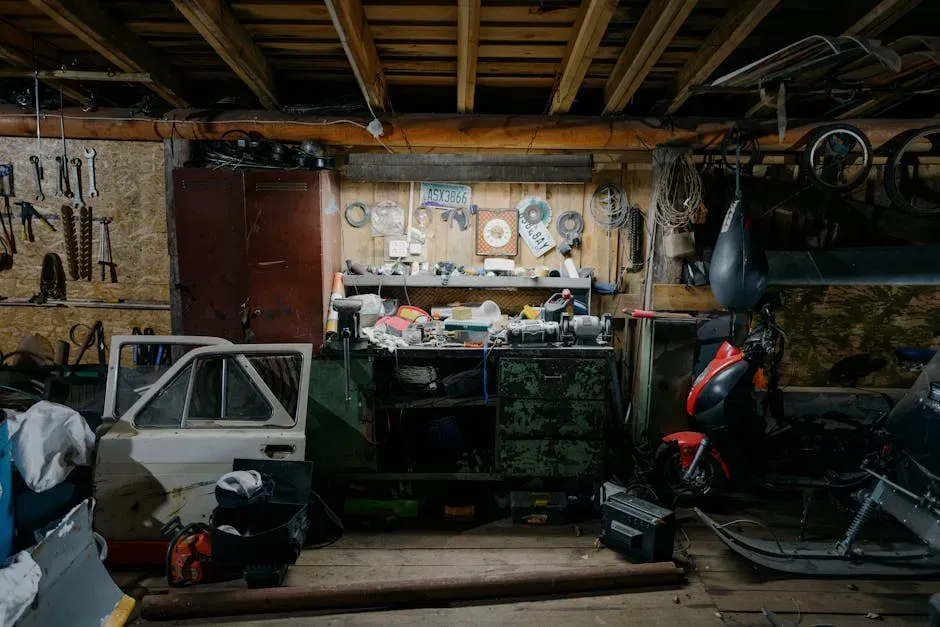
Turning the garage into a home gym, office, or extra bedroom is one of those ideas that sounds brilliant at 11pm while browsing Pinterest. More living space! Better functionality! Who even uses a garage for cars anymore, right? Well, as it turns out, buyers do.
Garage conversions, such as turning the space into an office, bedroom, or gym, are practical in some cases but can backfire at resale. Converting a garage might seem like a great way to add usable square footage, but it often removes valuable storage and parking space that buyers expect. In many areas, losing covered parking is a significant drawback, especially for families with multiple vehicles or those who need secure storage for lawn equipment and other household items.
The conversion might not even count toward the official square footage in many appraisals, meaning you lose parking without gaining recognized living space. Additionally, converted garages often lack proper insulation, heating, and ventilation, making them feel like afterthoughts rather than integrated living areas. Buyers can usually tell when a space was not designed as a living area from the start. It’s like putting a couch in a closet and calling it a bedroom. People are not fooled.
The Major Kitchen Overhaul That Swallows Money Whole
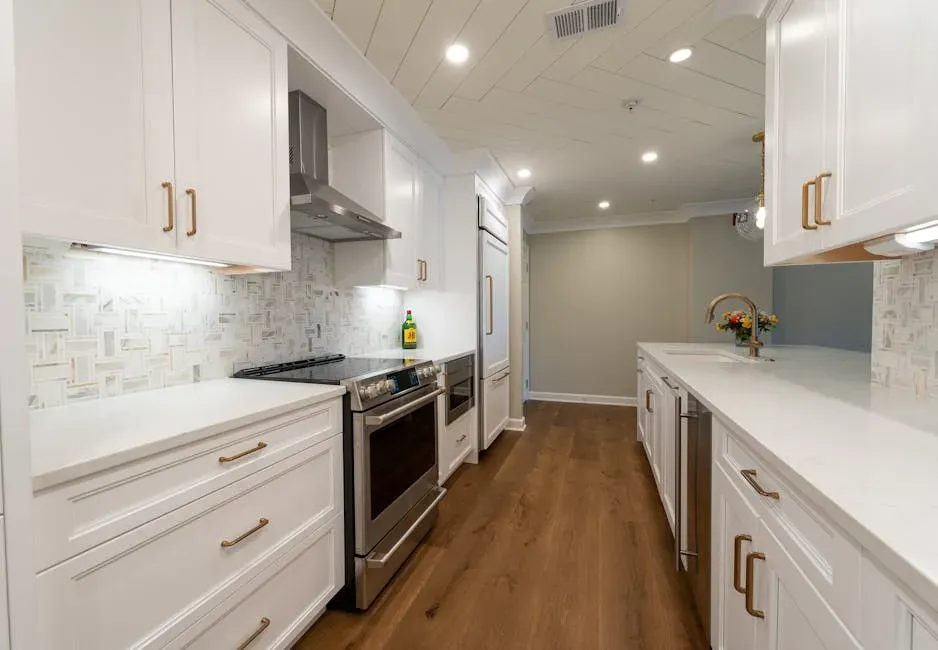
The kitchen is often called the heart of the home, and because of that emotional weight, homeowners are willing to spend staggering amounts transforming it. A professional-grade range, imported stone countertops, custom cabinetry – it all adds up fast. The problem is that the market rarely pays you back for it.
Minor kitchen remodels add about 96% of their cost back in value, averaging around $27,492 in cost and returning $26,406. However, major kitchen remodels only return roughly 38%, with an $85,000 cost returning just $32,300. That is a staggering amount of money to lose. Adding luxury features or high-end finishes can be exciting, but if your home is suddenly much more expensive than others in the neighborhood, it can be tough to get your money back when you sell. Buyers may balk at paying a premium for features they do not see in surrounding homes, making your property harder to sell.
Unique tile patterns, bold colors, and specialized appliances may appeal to you, but they could deter potential buyers, resulting in your home sitting on the market longer than you’d like. The data is clear here. The 2025 Cost vs. Value Report confirms a long-standing trend: exterior home improvement projects consistently deliver more value at resale than larger discretionary interior remodels. The dream kitchen might feel priceless to you and worth almost nothing to the next owner.
Wall-to-Wall Carpet, the Silent Deal Breaker
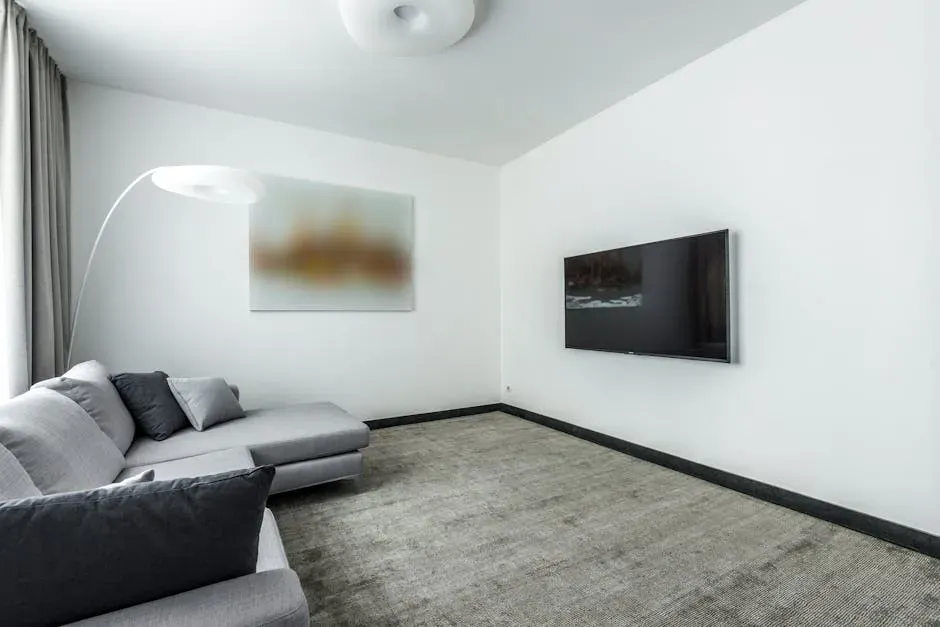
It is hard to believe carpet was once considered a luxury upgrade. Soft underfoot, warm, and cozy – for decades it was the finishing touch in bedrooms and living rooms across America. In 2025 and into 2026, the story is very different, and buyers are reacting accordingly.
Carpet used to be the ultimate luxury – soft, cozy, and found in every room from the bedroom to the dining room. In 2025, though, this once-coveted flooring choice has become one of the biggest red flags for potential buyers. What was once considered a luxury is now widely regarded as a dust trap that is a nightmare to keep clean. Wall-to-wall carpeting is known for trapping dust mites and other allergens, not exactly a healthy breathing environment for sleeping. Today’s health-conscious buyers prefer hardwood floors or luxury vinyl plank that is easy to clean and does not harbor allergens.
Most buyers prefer hardwood, as carpet shows wear and harbors allergens. Based on the latest 2024 Cost vs. Value Report data, simple exterior and surface-level upgrades like garage door replacement offer the highest ROI at 194%. The takeaway is humbling: sometimes the most resale-friendly move is removing a “comfort” feature rather than adding one. Refinishing wood floors, for example, is the single project with the highest interior ROI, with homeowners recouping roughly 147% of the cost for this relatively simple project.
The Over-Personalized Renovation That Repels Buyers
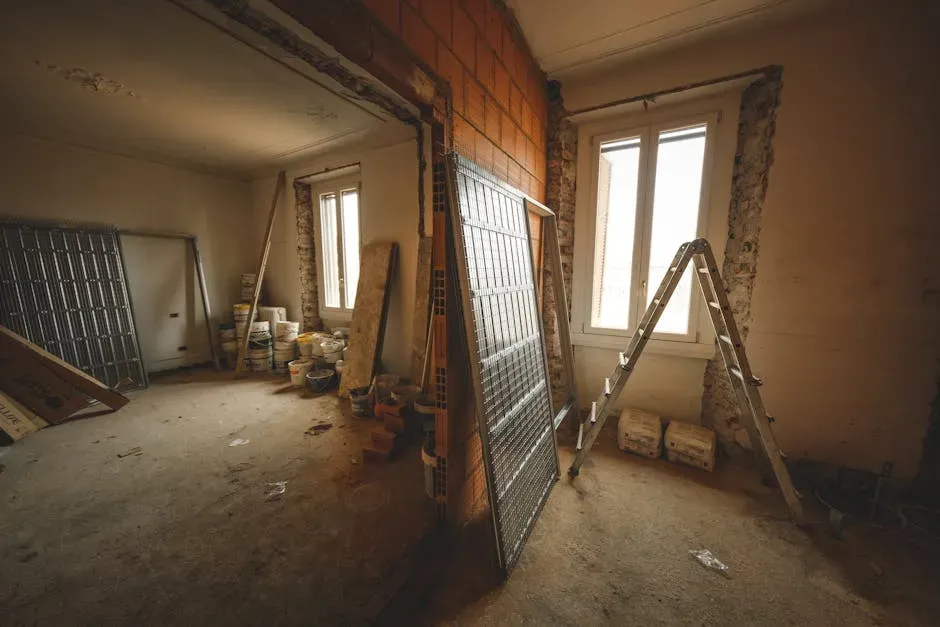
Here is the thing about personalization in home design – it is deeply human and completely understandable. You want your home to reflect who you are. A bold mural in the living room, a themed media room, a kitchen backsplash in bright cobalt blue. These are expressions of personality. To a buyer, though, they look like a renovation project.
Too much personalization can make a home feel less adaptable. If you are renovating with resale in mind, it is wise to stick to neutral designs that allow future buyers to picture their own lifestyle in the space. Consider that 2025 embraced a “maximalist,” colorful, extra-personalized aesthetic, and it is important to think about why that distinction matters. What looks visionary to you can feel like a burden to someone else who now has to undo all of it before moving in.
The average American household spent $9,322 on home improvement projects in 2024, according to Angi’s annual State of Home Spending report. Much of that spending goes toward personalization. Expensive luxury remodels, highly personalized design choices, and additions that do not match the neighborhood can limit buyer appeal. In 2026, buyers prefer clean, functional, and moderately updated homes over heavily custom or overly ornate finishes. Staying neutral and practical usually delivers the best results. It is not about erasing your personality. It is about knowing when to separate your lifestyle from your investment.
Removing the Only Bathtub in the House
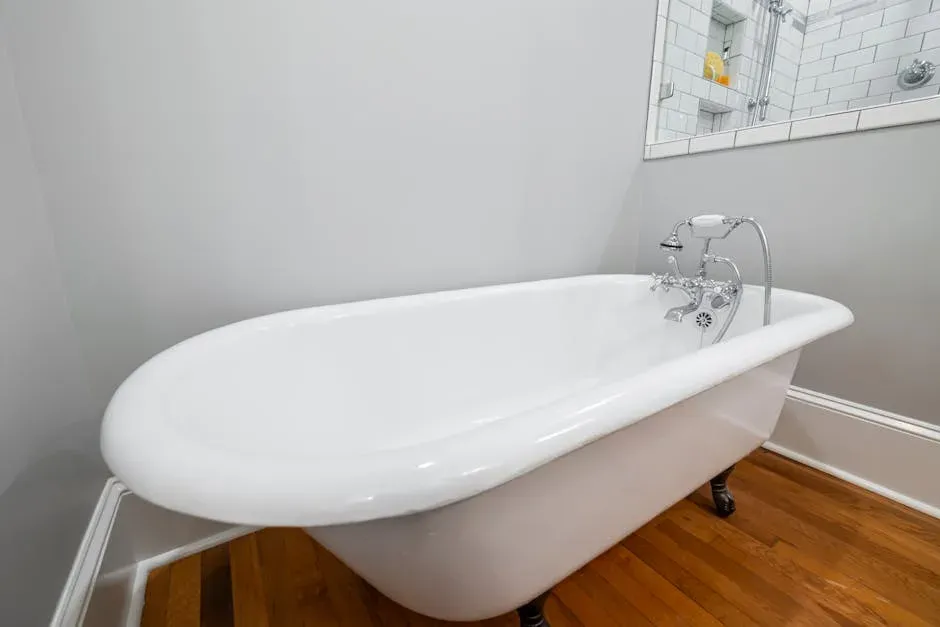
Walk-in showers have had a serious glow-up in recent years. Sleek, frameless, spa-like – they look incredible in photos and genuinely feel luxurious. So when homeowners rip out an old-fashioned bathtub to install one, it feels like an obvious upgrade. Sometimes it is. But when that bathtub was the only one in the house, it is a very different story.
Not having a bathtub can hurt resale value, as many buyers prefer at least one bathtub for family needs and comfort. However, modern shower designs can appeal to some buyers, so it is essential to consider your target market. If your home is in a family-friendly neighborhood, a tub-to-shower conversion could potentially be a drawback. Families with young children often see a bathtub as an essential feature. It provides a safe, easy space for bathing small children, and for many parents, it is non-negotiable. If most buyers in your area are families, keeping at least one bathtub could be a smart choice.
The consensus among real estate professionals is that removing a bath will not hurt your resale value unless it leaves you with no bathtub at all. That last part is crucial. While you may value a walk-in shower over a tub, buyers with families will likely still want a bathtub. Realtors suggest you can remove a bathtub as long as there is one in a second bathroom. It seems like such a small detail. Missing it, though, can take your home off the shortlist for a huge portion of potential buyers without you ever knowing why.
What This All Really Means for Homeowners in 2026
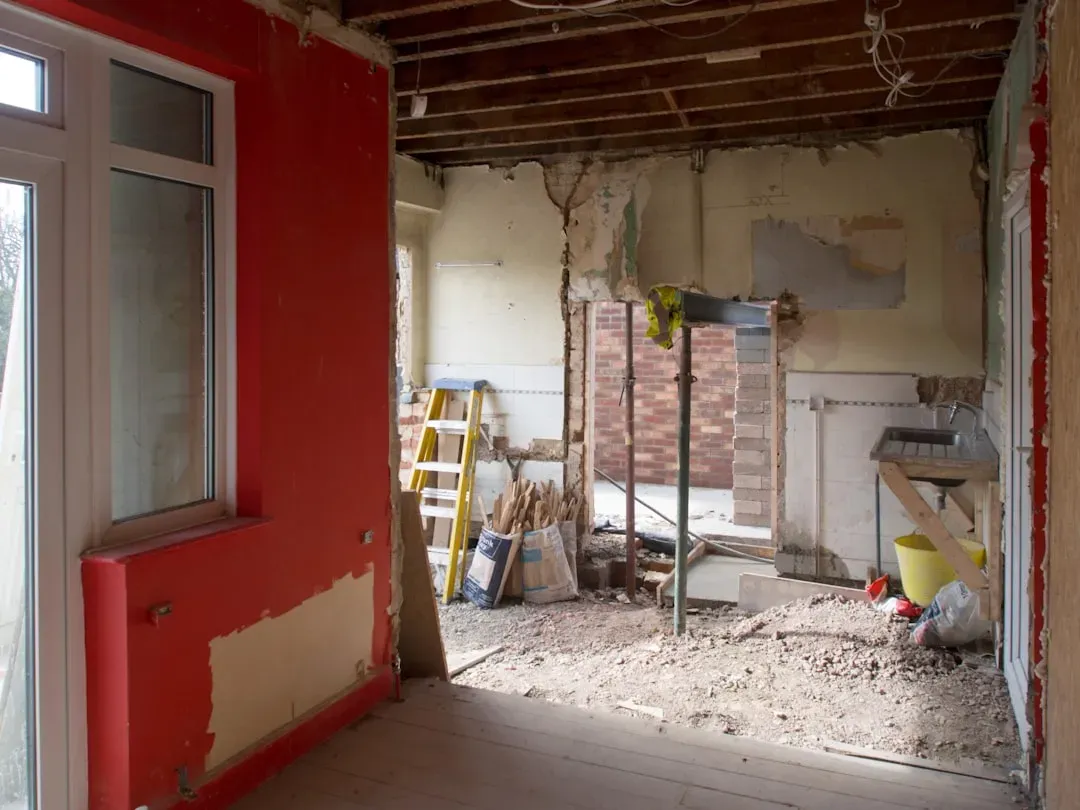
There is a hard truth running through all of these examples. The gap between what you love about your home and what the market will pay for it can be enormous. Home trends can be hot one minute and not so hot the next. The difficult question is how you can tell which home design trend will survive and become a classic versus one that might fade faster than you can say “carpeted bathroom.”
Most renovations do not pay back 100% of what you spend. On average, homeowners get back about 74 cents for every dollar spent on large remodeling projects. This means a $50,000 kitchen remodel might only add $37,000 to your home’s sale price. According to Clay DeKorne, chief editor of Zonda’s JLC Group, exterior replacement projects remain the clear winners when it comes to adding resale value, while large interior remodels may be personally rewarding but their appeal is often too subjective to deliver the same return when it is time to sell.
The smartest move any homeowner can make is to think like a buyer – at least occasionally. You do not have to strip your home of character. You do not have to live in a beige box just because it might sell faster someday. Balance is key in expressing personal style with home design choices while maintaining broad buyer appeal for eventual resale. Some trends have long-term potential, while others can quickly date a space or limit its resale value. Renovate with joy, absolutely. Just know which choices might cost you when the for-sale sign goes up.
What home feature have you installed that you later regretted? Tell us in the comments – you might just save someone else from making the same expensive mistake.