I Worked High-End Hotels: 6 Guest Habits Staff Can’t Stand
There is a version of hotel hospitality that looks effortless from the outside. The crisp linens, the wordless refill of your water glass, the concierge who somehow already knows your name. Working behind that seamless curtain, though, tells a very different story. The reality of high-end hotel life involves long shifts, relentless pressure, and a set of guest habits that staff quietly endure with clenched smiles.
Honestly, most guests are wonderful. It’s a specific pattern of behaviors, repeated daily across luxury properties, that slowly chips away at even the most patient team member. What follows might surprise you. Let’s dive in.
1. Trashing the Room Without a Second Thought
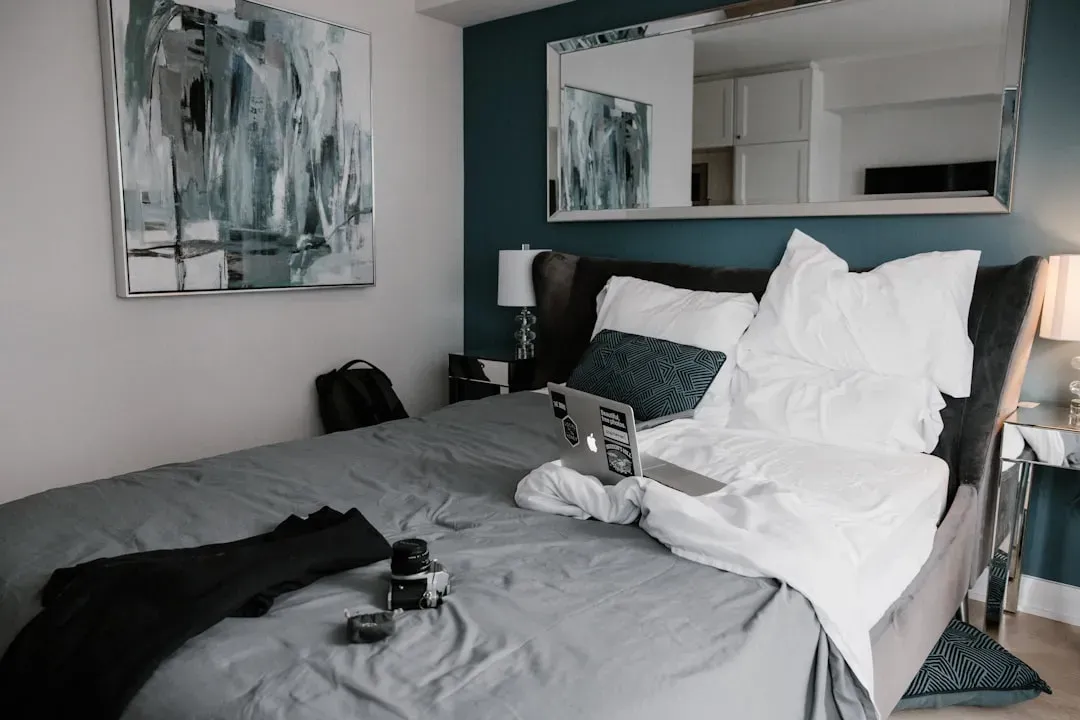
Let’s be real: there’s a certain type of guest who seems to treat a hotel room as though it has no human being walking into it the next morning. One former hotel maid shared that her biggest pet peeve was when guests left a mess simply because they could, noting that cleaning staff have a lot of rooms to get through before guests return after a day out. That’s not just inconvenient. It’s genuinely stressful.
Trashed rooms are an obvious frustration, yet they remain surprisingly common, with things broken and garbage scattered everywhere. In a high-end property, this is even more jarring. You’re paying premium rates in a space designed for elegance, so there’s something particularly baffling about treating it like the inside of a fast-food container.
Makeup left on pillowcases and white towels is another common source of frustration for housekeeping staff, with one housekeeper sharing they sometimes had to spend extra time in the laundry room trying to remove stains, occasionally leaving late because of it. The housekeeper you never see is the one dealing with your mascara at 6 AM. Worth remembering.
2. Never Tipping Housekeeping – Not Even Once

Here’s the thing: this one genuinely hurts. The percentage of Americans who always tip hotel housekeepers has been steadily declining, falling to just 23% according to a Bankrate survey. That means the vast majority of guests check out without leaving a single dollar for the person who cleaned their toilet, made their bed, and hauled away their trash each day.
According to a 2023 survey, only about 39% of Americans say they usually tip hotel housekeepers, meaning nearly two-thirds of Americans aren’t routinely tipping their housekeepers at all. In a luxury property, where expectations of service are higher and the work is more detailed, this gap feels even wider.
The average hourly wage for housekeepers in the U.S. is around $14.40, according to the Bureau of Labor Statistics. Tips at luxury hotels are generally expected to be in the range of $5 to $10 per night. A small act of acknowledgment goes a long way for people doing physically demanding, often invisible work.
3. Ignoring Quiet Hours and Creating Noise Chaos

Nothing tests a front desk team’s patience faster than the guest who decides 1 AM is the perfect time to host a corridor reunion. Loud behavior in shared spaces undermines the carefully crafted atmosphere that luxury hotels design for their guests, and noise complaints are among the most consistently reported issues across hotels of every category. This isn’t just an annoyance. It cascades.
According to a study by the Journal of Clinical Sleep Medicine, over 60% of hotel guests have reported disrupted sleep due to excessive noise, making it a critical factor in guest dissatisfaction and negative online reviews. One noisy guest can torpedo the experience for an entire floor. Staff then spend the rest of the night fielding calls, relocating guests, and apologizing for something they didn’t cause.
Many hotels use a three-strikes system where, after three consecutive complaints, a guest will be removed from the property without a refund. Most guests don’t know that policy exists until they’re standing at the front desk with their bags. Quiet hours are commonly set from 10 PM to 7 AM, and these are clearly communicated during check-in and through in-room materials. Ignoring them isn’t just rude. It’s a policy violation.
4. Being Glued to Your Phone During Check-In
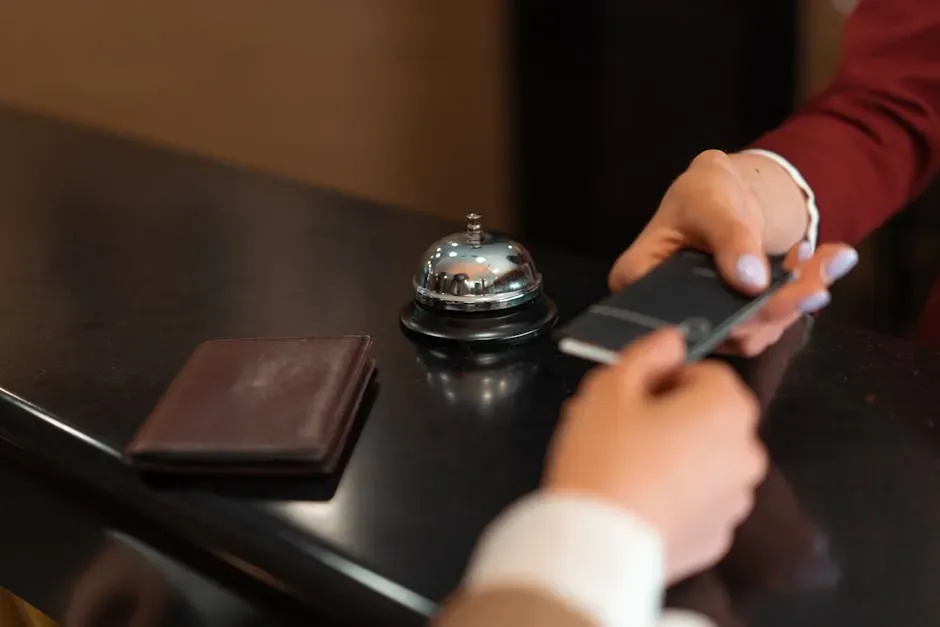
I think this one is more widespread than people realize, and it has gotten noticeably worse in the last couple of years. Hotel staff train extensively to make your arrival feel warm and personal, and according to a 2024 report by the American Hotel and Lodging Association, guests ranked “staff interactions” among the top three reasons they would leave a positive review. So when someone rolls in with AirPods in, staring at their phone, it deflates that entire effort instantly.
The check-in process is a two-way exchange. The hospitality industry has one of the highest burnout rates among service-oriented sectors, with nearly half of hospitality frontline managers in the U.S. feeling burned out, and the person checking you in may already be running on fumes due to ongoing staff shortages, increasing workloads, and wage stagnation. A bit of human acknowledgment costs nothing.
There’s also a practical downside for the guest. Important details like breakfast hours, pool schedules, and security deposit policies are communicated during check-in. Miss those because you’re scrolling through Instagram, and you’ll be at the front desk again ten minutes later asking questions that were already answered. Staff notice. Every time.
5. Demanding Late Checkout Without Asking in Advance
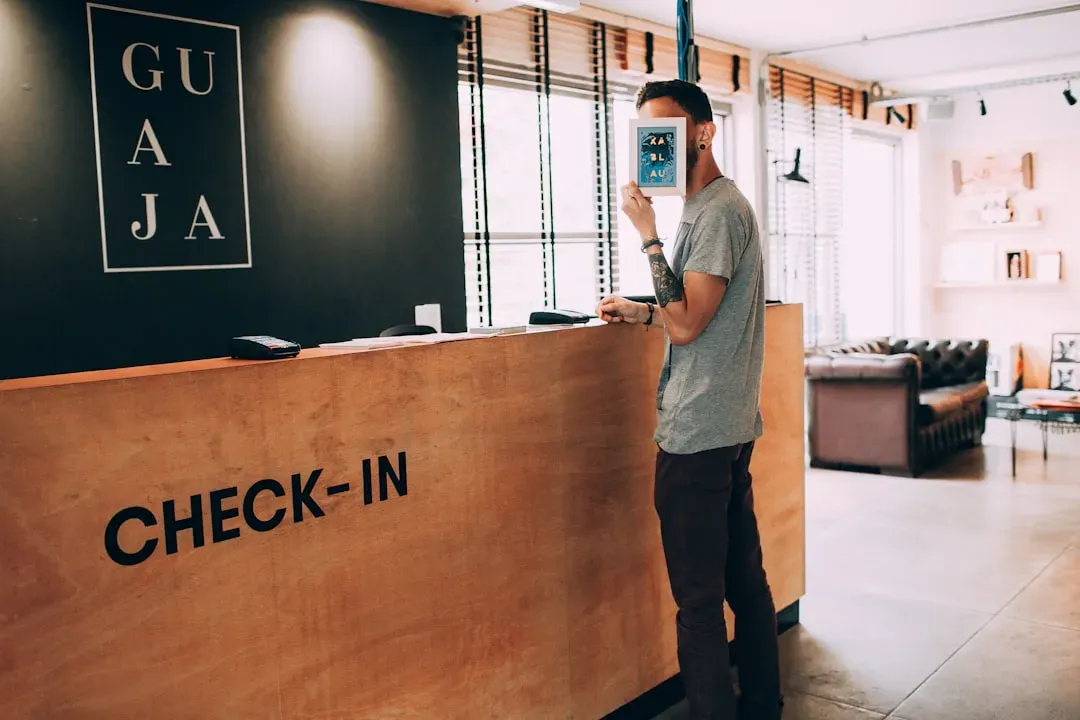
Late checkout is a genuine logistical puzzle in any hotel, but especially in a luxury property where rooms are prepared to a meticulous standard. Guests who ask for late checkout present a real challenge because the longer guests stay in their rooms, the less time housekeeping has to turn over the room for the next round of guests. When a guest simply refuses to leave until 3 PM on a day when checkout is noon, it creates a chain reaction that nobody wins.
Guests who decide to check out early should let the hotel staff know, as this allows housekeepers to enter the room earlier and turn it around for the next guests. The same logic applies in reverse. Communicating your intentions, in either direction, is genuinely helpful. Expecting late checkout as a silent entitlement, without a word to the front desk, is the part that creates friction.
In high-end properties, the next guest checking in at 3 PM may have paid upwards of $600 for the night. They expect their room to be flawless on arrival. North American hotel guests are now staying an average of 3.43 days per visit, and this trend toward longer stays puts a greater focus on the details of the hotel experience. Every delay in room preparation chips away at those details in real time.
6. Treating Staff as Invisible or Beneath Them
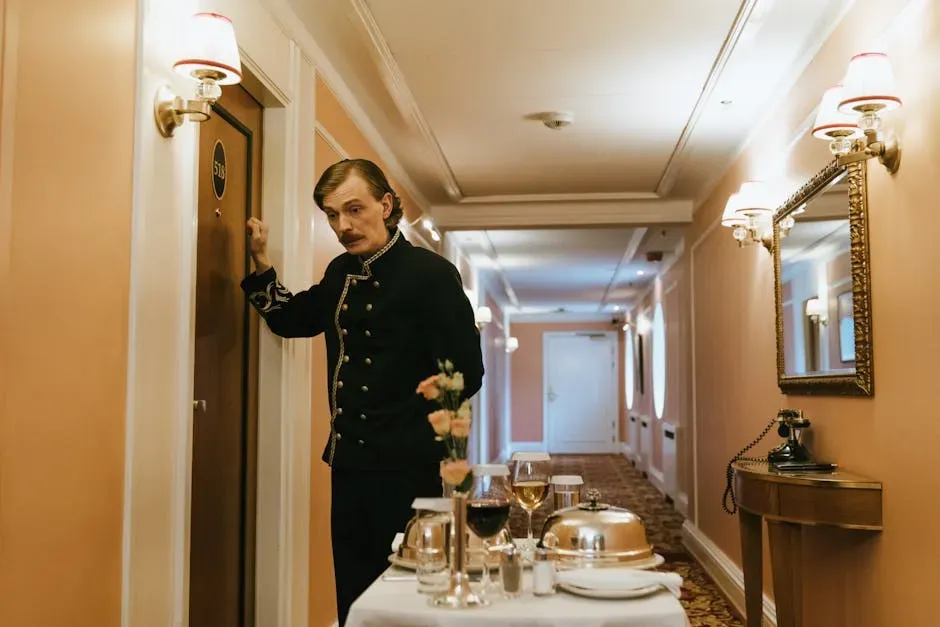
This one is the hardest to talk about, but it’s probably the most corrosive habit on this list. According to Axonify’s 2024 survey, nearly half of frontline hospitality managers have had to ask a guest to leave or ban a guest from returning within the last year due to poor treatment of other guests or workers. Nearly half. That is not a small number. That is a quiet crisis happening behind the marble lobbies of luxury hotels.
When guests treat housekeepers rudely, dismiss them, or make them feel invisible, it ripples through the whole team. A luxury hotel runs on its people, and those people talk to each other. A rude interaction with one staff member affects the mood, the morale, and ultimately the service that every other guest receives that day.
A December 2024 survey found that nearly two thirds of hotels are still dealing with staffing challenges stemming from the onset of the COVID-19 pandemic, according to the 2025 State of the Industry report by the American Hotel and Lodging Association. These teams are stretched thin and still showing up with professionalism. The service industry is a tough and sometimes thankless field, and hotel employees have seen all sorts of wild things, with those responsible for cleaning often getting an unwanted glimpse into the most intimate aspects of a guest’s life. A little basic decency costs absolutely nothing.