6 Meals From Grandma’s Time Kids Still Talk About
There is something almost magical about the smell of a meal you ate as a child. It hits you before you even see the food. One whiff, and suddenly you’re seven years old again, sitting at a wooden kitchen table while the afternoon light comes through the curtains. Not every dish holds that power. But some meals, the ones from grandma’s kitchen especially, seem to carry the weight of entire childhoods in a single bite.
In 2025, nostalgia-based trends have been emerging across everything from home decor to the family meal plan, with many Americans turning to the familiar dishes of their childhoods in response to rising economic pressures and cultural shifts. It turns out, the food our grandmothers made wasn’t just dinner. It was emotional architecture. Let’s get into the six meals that generations of kids simply can’t stop talking about.
1. The Sunday Pot Roast That Filled the Whole House
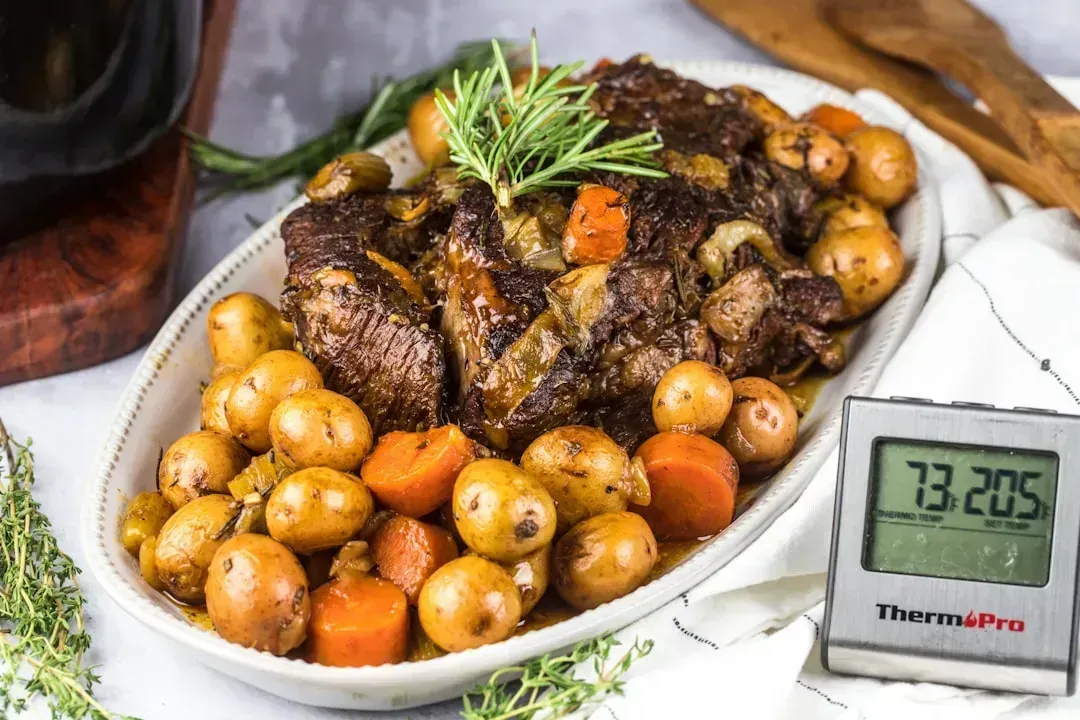
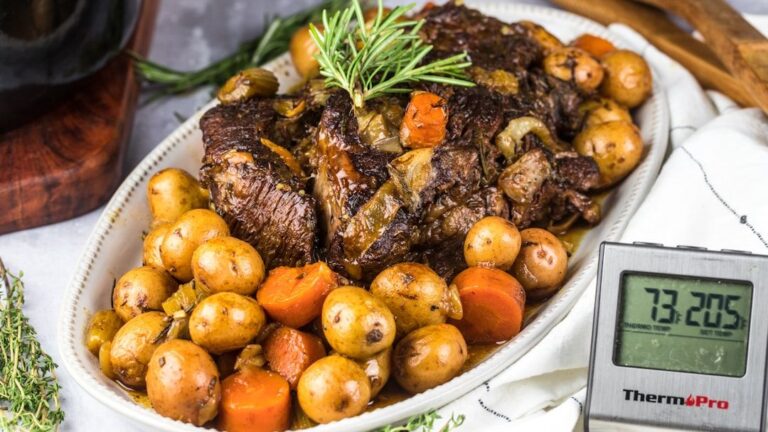
If there is one dish that defines the idea of “Sunday dinner,” it has to be pot roast. Pot roast was slow-cooked love in a dish: a big cut of beef like chuck or rump, seared and then simmered with onions, garlic, carrots, and potatoes until everything was fall-apart tender. It took hours, but nobody minded. That was the whole point. You could smell it from the moment you walked through the door.
A proper pot roast should melt under your fork, not chew like a tire. Browning deeply is non-negotiable, building the crust that becomes gravy gold. The classic method calls for a chuck cut with good marbling, braised low and slow until the collagen completely surrenders. Grandma knew this without reading a single cookbook. It was just instinct, passed down quietly through generations.
Grandma’s recipes are more than favorite comfort foods. They serve as conduits for cultural and familial traditions. Preparing a dish passed down through generations offers a tangible connection to each cook’s heritage, anchoring individuals in their family’s history. Honestly, I think pot roast might be the most powerful example of that idea on the entire dinner table.
2. Homemade Meatloaf With That Ketchup Glaze on Top
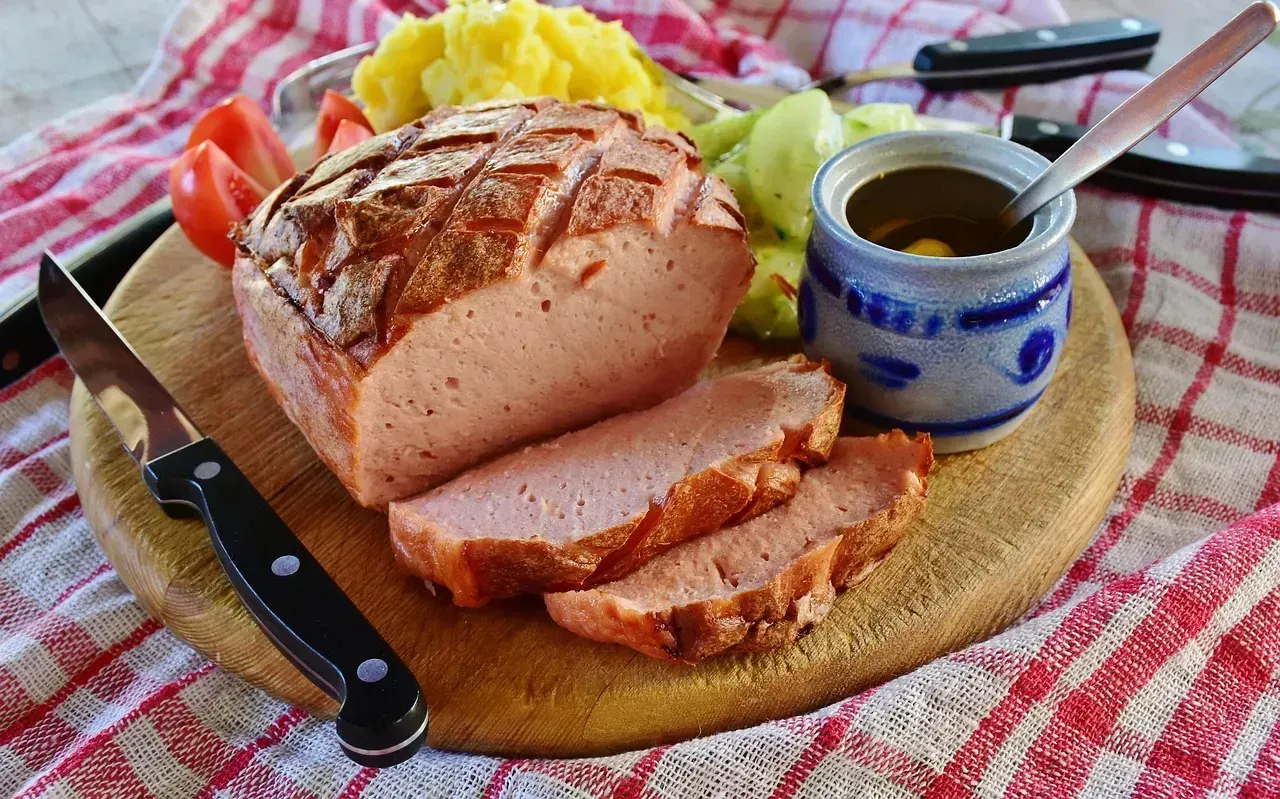
Ask almost anyone who grew up in an American household between the 1950s and 1990s what they remember from grandma’s kitchen and meatloaf will come up, usually with a smile. There wasn’t a dinner table in the 1950s that didn’t welcome meatloaf at least once a week. It was the unofficial meal of the American family. Bold claim, but hard to argue with.
No matter where you go in America, meatloaf is a symbol of comfort and nostalgia. It’s the kind of dish that takes you back to grandma’s kitchen, where the smell of savory meat and spices filled the air. It’s the kind of dish that brings people together, whether it’s for a Sunday family dinner or a potluck with friends.
In the early days of America, meatloaf was often made with a mix of beef and pork, along with breadcrumbs, onions, and spices. It was a simple and hearty dish that could feed a crowd. During the Great Depression, meatloaf became even more popular as families looked for affordable ways to put food on the table. That tradition of feeding many with little never really left. It just became comfort food for a different era.
3. Chicken Noodle Soup for Every Occasion
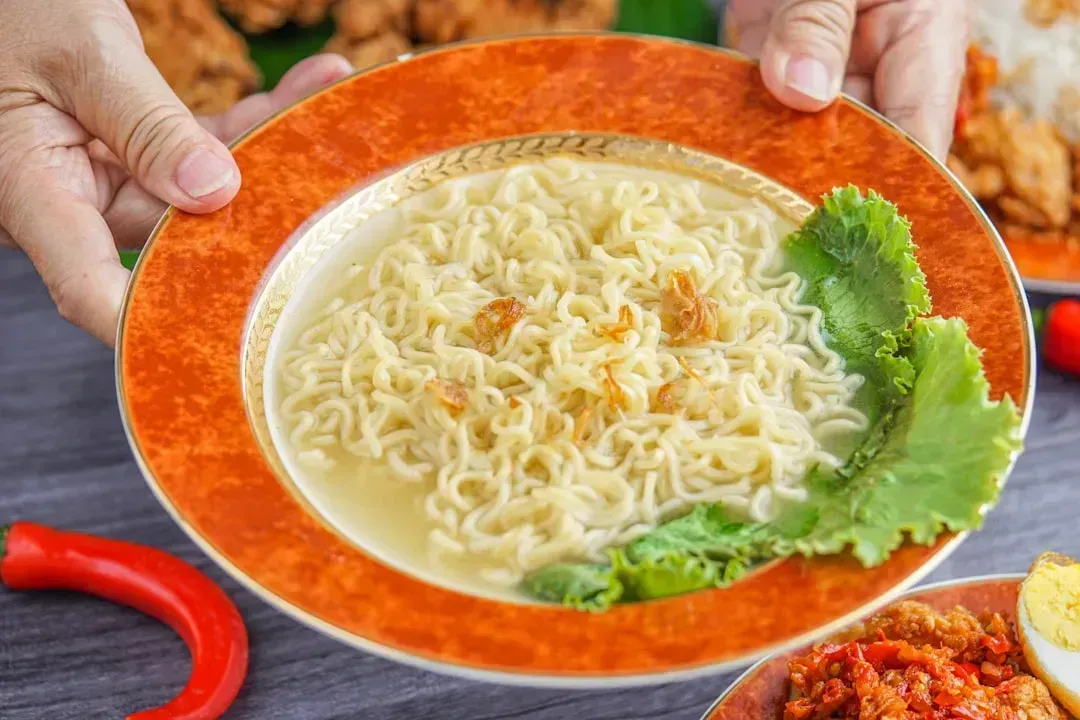
Sick? Chicken soup. Sad? Chicken soup. Cold outside? You already know. One of the most significant aspects of comfort food is its strong connection to nostalgia. Many comfort foods are linked to childhood memories or family traditions. A bowl of chicken noodle soup might remind someone of being cared for when sick, while freshly baked cookies might evoke memories of baking with a parent or grandparent.
There is even real scientific backing for what grandma seemed to just know. The close associations between food and social experiences like family, culture, and tradition mean that food consumption can provide emotional comfort and produce nostalgia. Foods remembered from childhood are potent producers of nostalgia, and their consumption increases feelings of wellbeing. In other words, the soup actually works.
Nostalgia has been found to positively influence health by enhancing emotional wellbeing, fostering social connection and increasing quality of life. Nostalgia is often preceded by a negative mood state, triggered by feelings such as loneliness and meaninglessness, but nostalgia acts as a mood repair mechanism, resulting in an improved mood state. No wonder we still reach for chicken soup the moment something feels off. It’s been quietly healing people for generations.
4. Mac and Cheese From Scratch, Not a Box
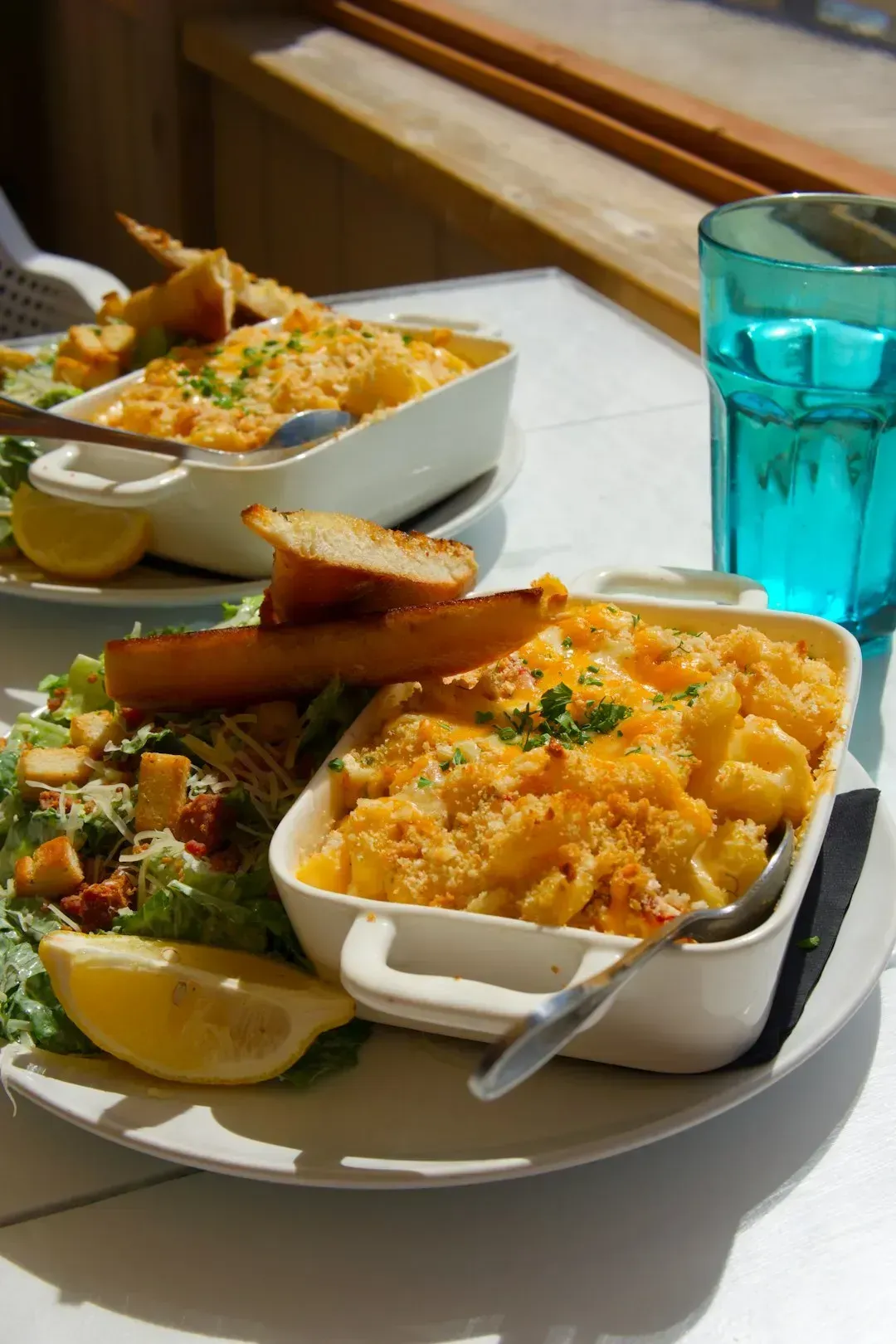
Here’s the thing about grandma’s macaroni and cheese: it was nothing like the fluorescent orange powder variety from a box. Not even close. In the United States, macaroni and cheese is often seen as a classic comfort food, deeply tied to personal identity and the sense of home. Kids who grew up eating the homemade version know exactly why this dish holds such a legendary place in food memory.
A classic baked mac and cheese is loaded with rich cheeses, the pasta coated in a thick sauce that melts into every bite. A golden crust forms on top as it bakes. The flavor is creamy, salty, and deeply comforting. That baked top, slightly crisp with the edges bubbling, is what separates grandma’s version from anything you could get out of a convenience store.
Market research firm Datassential, in its FoodBytes trend report, has highlighted consumer cravings for familiar, comforting flavors as a significant trend in recent years. This yearning for the past is not just about reliving old memories, but about reimagining them in new and exciting ways. Still, no modern reinvention has ever quite matched the original. Some things don’t need an upgrade.
5. The Classic Tuna Noodle Casserole That Everyone Either Loved or Hated
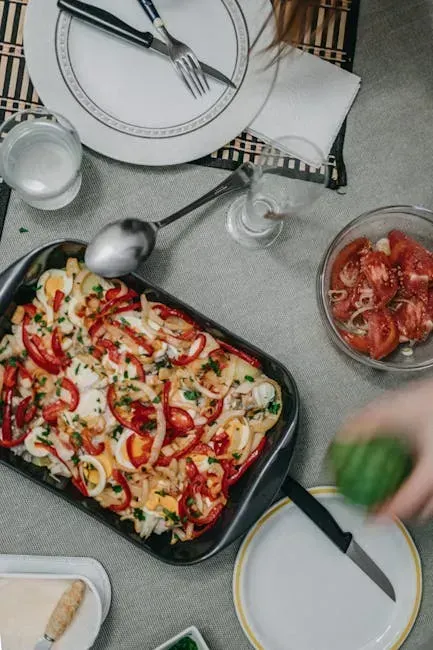
Let’s be real, tuna noodle casserole is one of the most divisive dishes in American food history. You either adored it or you quietly moved the pieces around your plate hoping grandma wouldn’t notice. Yet decades later, people still talk about it with remarkable emotion, which tells you something important about its staying power.
A classic tuna noodle casserole plays a role beyond being a convenient weeknight dinner. It symbolizes resilience and familial connection. That’s a lot of meaning packed into egg noodles and a can of tuna. The return of these retro recipes is no coincidence. Rising food costs make these resourceful meals particularly appealing. Designed to maximize flavor while minimizing expense, dishes like casseroles and pasta bakes cater to families seeking cost-effective ways to eat well.
Social media platforms like TikTok and Instagram have played a pivotal role in amplifying the appeal of retro recipes. Viral hashtags like #RetroCooking and #GrandmasRecipes introduce these dishes to younger generations, driving them to become new culinary trends. So yes, tuna casserole is back, and younger people are discovering it for the first time. Whether they love it or hate it is entirely another story.
6. Stuffed Peppers That Smelled Like the Whole Week’s Worth of Love
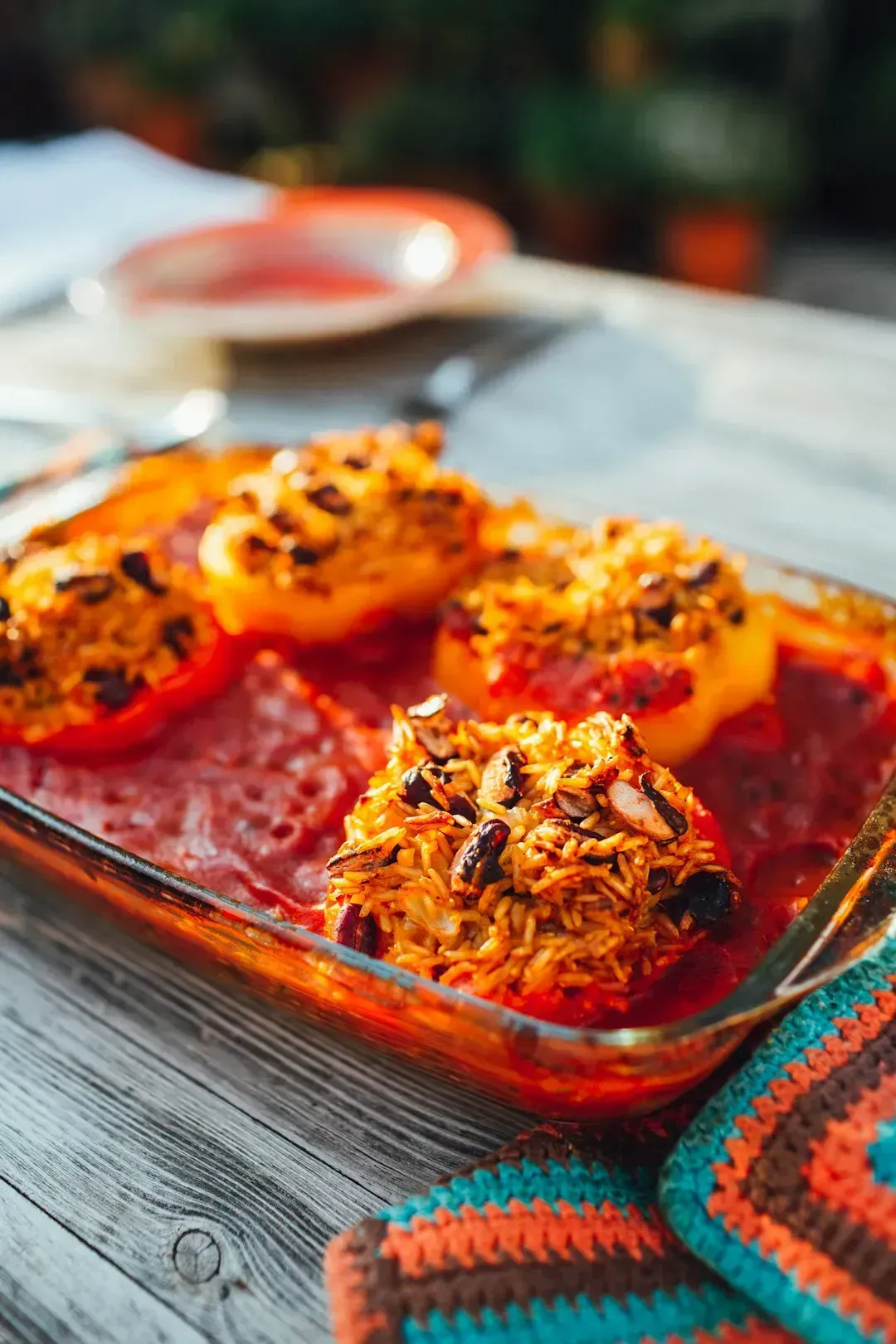
There is something almost theatrical about stuffed peppers coming out of the oven. Stuffed peppers were like little edible presents: green bell peppers filled with seasoned ground beef, rice, tomato sauce, and sometimes a handful of shredded cheese on top. Families baked them until tender and bursting with flavor, and the smell as they baked filled the house with a sense of anticipation. That smell is the part people remember first.
Some kids scooped out the filling and left the pepper behind, while others devoured the whole thing. Stuffed bell peppers were budget-friendly, easy to customize, and pretty enough to serve when guests dropped in. It was a meal that somehow managed to be impressive without being fancy, which is basically the definition of great home cooking.
Products and foods related to fond childhood memories can trigger powerful positive emotions. They help people relive the emotions and experiences of simpler, joyful times, and those emotions become connected to the food itself. Preparing a dish passed down through generations offers a tangible connection to each cook’s heritage, anchoring individuals in their family’s history. Stuffed peppers, humble as they are, do exactly that every single time.