9 Habits Parents Have That Children Remember for a Lifetime
There’s something quietly remarkable about the way childhood memories work. You might not remember what you had for breakfast last Tuesday, yet you can recall the exact smell of your mother’s kitchen or the specific tone in your father’s voice when he told you he was proud of you. Those fragments don’t fade. They stick. They shape the way you love, work, argue, and raise your own children one day.
Science backs this up in ways that are genuinely surprising. Research has found that all childhood experiences exert a significant impact on who we become as adults, regardless of whether we can actively recall our childhoods or not. That’s both a reassuring and slightly unsettling thought, depending on what kind of childhood you had. The habits parents carry out daily, the routines they keep, the way they speak and react, all of it leaves a deeper imprint than most people realize. Let’s dive in.
1. Showing Physical Affection Consistently

Hugs, pats on the back, a warm hand on a shoulder. These tiny gestures feel ordinary in the moment, but their effects are anything but small. According to Child Trends, a nonprofit research organization focused on improving the lives of children and families, science supports the idea that warmth and affection expressed by parents results in lifelong positive outcomes for children.
Higher self-esteem, improved academic performance, better parent-child communication, and fewer psychological and behavioral problems have all been linked to this type of affection. The numbers speak for themselves. When more than 600 adults were surveyed about how they were raised, those who reported receiving more affection in childhood displayed less depression and anxiety and were more compassionate, while those who received less tended to struggle with mental health and were less able to relate to other people’s perspectives.
2. Talking to Children About Their Day and Emotions
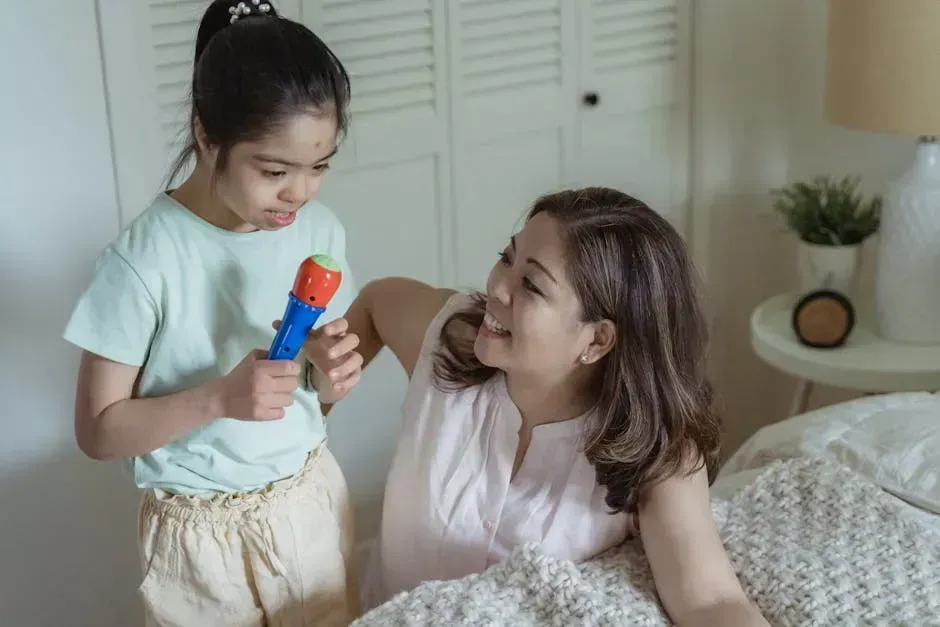
Here’s the thing: the habit of simply talking to your kids, really talking, shapes not just your relationship but their actual brain development. Parents who talk a lot to their children are more likely to have kids who recall memories with rich detail, and this means engaging children in conversations about their day and adding in emotional detail. That’s not a minor footnote. That’s a fundamental building block of how memory itself forms.
Mother-child reminiscing plays a critical role in the emergence of preschool-aged children’s autobiographical memory, as the ways in which mothers engage in memory-sharing with their children predicts children’s remembering abilities and how children talk about their past to others. Honestly, you could think of it this way: every conversation you have with your child is quietly writing the first chapters of a story they will carry for life.
3. Creating Consistent Daily Routines
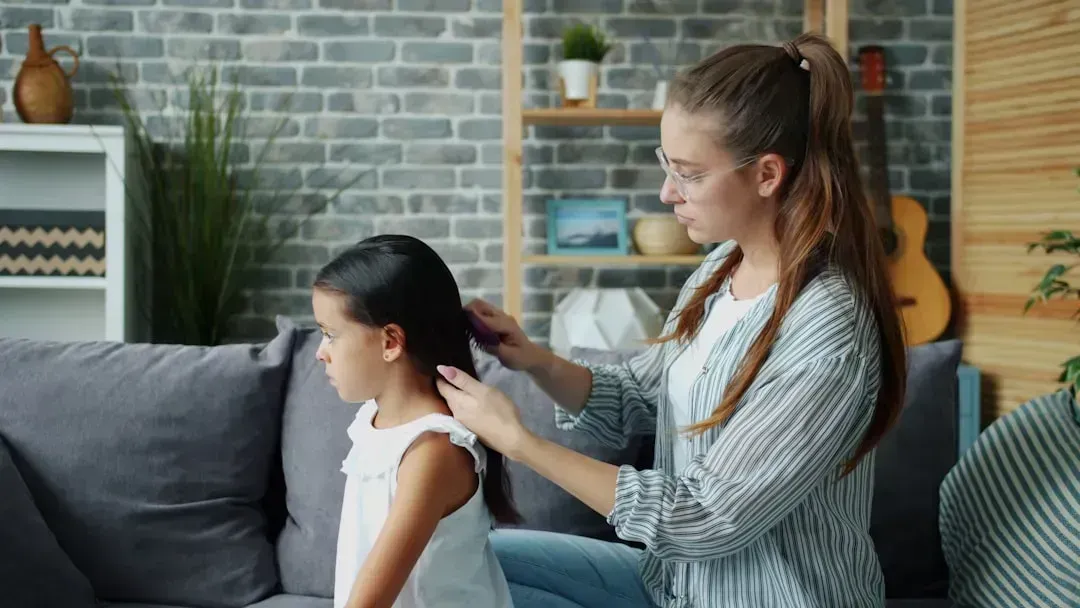
Predictability might sound boring. It’s not. For children, a reliable daily routine is the emotional equivalent of a warm blanket. Research has shown the importance of routines for optimal child development. The effects go far beyond simply having a tidy schedule.
Routines also lessen psychological distress in adolescents experiencing physical and psychological abuse and reduce delinquency in adolescents from lower-resource homes. Even more telling, regular routines can mitigate the effects of parental depression on children’s behavior, with low routines correlating with higher child maladjustment. A consistent bedtime, a family dinner, a Saturday morning walk: these aren’t just habits. They are anchors that children remember and often recreate in their own adult lives.
4. Eating Meals Together as a Family
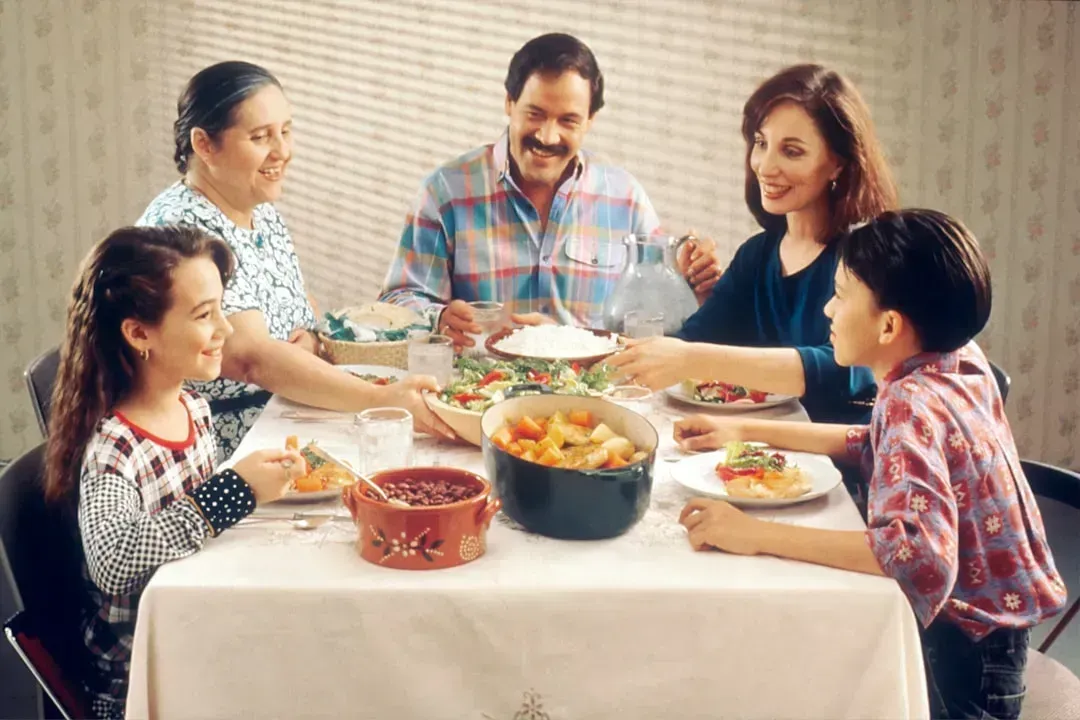
Family dinners are one of those traditions that modern life has systematically chipped away at, and that’s genuinely a shame. Young children who enjoy regular family meals have greater vocabularies and reading skills, and research by Dr. Catherine Snow from Harvard’s Graduate School of Education, who tracked 65 families over 15 years, found that family meal conversations help promote greater vocabularies in children.
Reminiscing has been shown to be a critical conversational context for the development of autobiographical memory, self-concept, and emotional regulation. The dinner table is where family stories get told and retold. Incidents that become part of family lore are also more likely to be recorded in long-term memory. So that ridiculous story your dad told every single holiday? Your children are filing it away permanently. Whether that’s good or bad is entirely up to you.
5. Reading Together
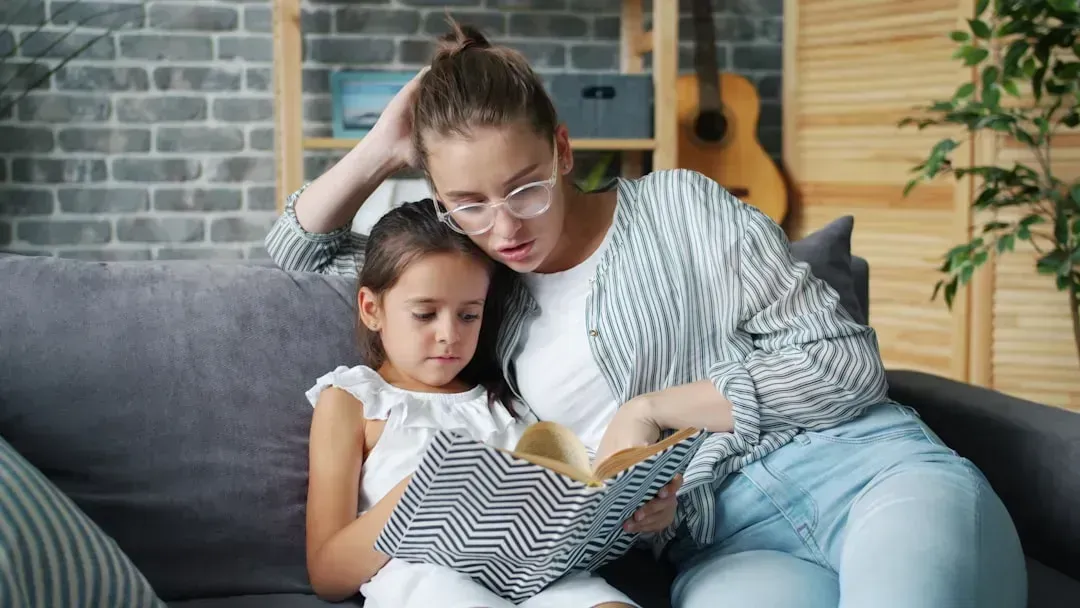
Reading to a child before bed might seem like a small, practical ritual. In reality, it’s one of the most emotionally loaded habits a parent can maintain. Many parents recalled being read to as children and identified those memories as sources of comfort, inspiration, and cultural continuity, with those intergenerational practices serving as a blueprint for their current parenting behaviors.
Reading books together creates lasting memories and shared experiences that children cherish throughout their lives, and these shared moments of laughter, learning, and exploration contribute to a sense of family identity and belonging. The benefits compound over time too. Children who associate reading with warmth, attention, and shared enjoyment are more likely to become confident readers, and the emotional benefits extend into adolescence and adulthood, with children who experience strong parent-child connections through reading more likely to communicate effectively and build healthy relationships.
6. Modeling Emotional Regulation
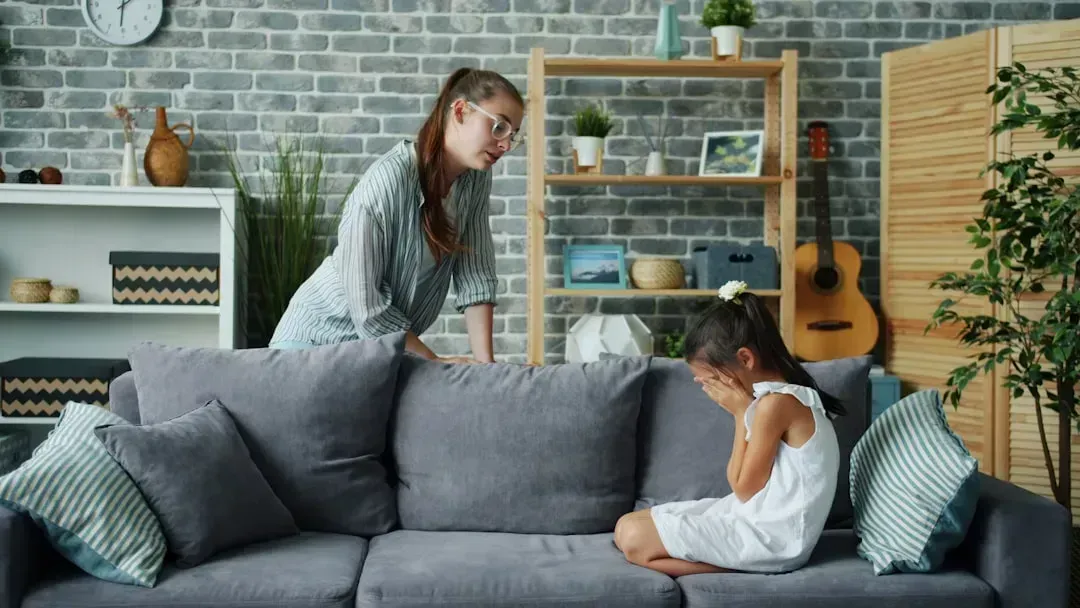
This one is probably the hardest habit on this list because it requires parents to work on themselves first. Children are not just watching what you do. They are quietly practicing it. Modeling of parental behaviors plays a critical role in shaping children’s emotional security, as children learn from observing their parents’ emotional reactions, interactions, and emotional expressions, which directly influence their own emotional security and emotional regulation development.
Childhood is a critical period of growth where emotional skills are developed, and the skills developed in childhood often reflect the primary caregiver’s modeling and interactions, which may shape emotion regulation in adulthood. To put it bluntly: a parent who shuts down emotionally, explodes regularly, or suppresses every feeling is teaching their child to do the same. Researchers found that individuals who were raised with emotionally dismissive parents were more likely to suppress their emotions well into adulthood. That imprint is deep and lasting.
7. Offering Words of Encouragement and Praise
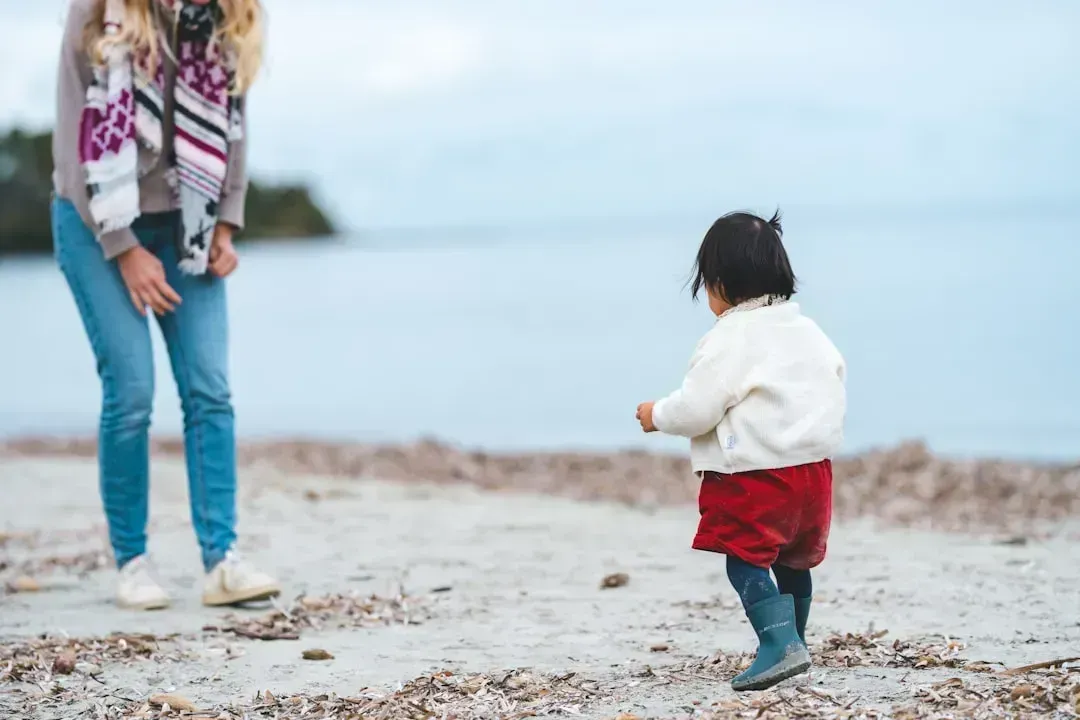
What a parent says to a child in moments of failure or small success becomes an internal voice that follows that child for decades. Experts from the Fairfax Department of Family Services argue that parents who commit to motivating their children with words of encouragement and praise, even amid small wins and successes, tend to cultivate a growth mindset in their kids, and into adulthood, these same children embody that growth mindset through their goals, daily habits, and general mindset, helping to dismiss anxiety associated with change.
I think about this one a lot. The difference between a parent who says “you’ll get it next time, keep going” and one who says nothing at all is enormous in the long run. Adult children tend to carry those generational habits into their own families, remembering their parents’ willingness to have open and honest conversations, and they reap the benefits with a comfortable self-esteem. That’s not small. That’s the foundation of resilience.
8. Showing Up for Important Moments

Let’s be real: physical presence alone is not always enough. But a parent who is genuinely present, especially when it counts, leaves a mark that money, gifts, or explanations simply cannot replace. According to family psychology expert Dona Matthews, the quantity and quality of time spent between families are equally important to nourishing a healthy relationship throughout childhood, and adult children remember how and when their parents showed up for them, helping them to feel more secure, loved, and valued, with this kind of security playing into the attachment styles they adopt in their adult relationships.
Parenting styles significantly influence various dimensions of child development, encompassing emotional, cognitive, and social outcomes, and research published in 2025 confirms this holds across cultures and contexts. The school play nobody attended, the game with an empty parent section: these absences are remembered too. Showing up is one of the most quietly powerful habits a parent can build.
9. Demonstrating How to Handle Conflict and Mistakes

Children learn how to fight, forgive, and move forward not from textbooks but from watching their parents navigate disagreement. Research examining how interparental conflict and parent-child dynamics influence child emotion regulation found that a clear pathway to behavioral maladjustment appears to be through dysregulated emotion processes where children internalize and emulate the maladaptive coping mechanisms of their caregivers. That’s a sobering finding.
On the flip side, parents who apologize when they’re wrong, who work through disagreements calmly and constructively, are modeling something extraordinarily valuable. Research found that these results were most significant with parental relationships, suggesting that relationships most closely tied to early caregiving continue to shape how childhood experiences are remembered in adulthood. A parent who says “I was wrong, I’m sorry” is quietly teaching a child one of the most difficult and most important lessons a human being can learn.