A Gate Agent Reveals 7 Passenger Habits That Can Quietly Get You Upgraded
Every frequent flyer has heard the stories. Someone scores a surprise first-class seat without paying a cent extra. They arrive at the gate looking relaxed, hand over a boarding pass for row 32, and somehow end up reclining flat at 35,000 feet. Pure luck? Maybe sometimes. But more often than not, there is a pattern behind those moments – a set of small, deliberate behaviors that work quietly in the background, long before the gate agent ever touches the keyboard.
Here’s the thing: global passenger traffic is expected to have surpassed pre-pandemic levels in 2024, reaching an estimated 9.5 billion passengers worldwide. That is an almost incomprehensible number of people competing for the same overhead bins, the same aisle seats, and the same rare upgrades. International premium class travel, meaning business and first class, grew by 11.8% in 2024, outpacing economy growth. Demand for those front-cabin seats is fierce. The passengers who know how to position themselves correctly are quietly winning the game. Let’s dive in.
1. Being Genuinely Nice at the Gate Podium
This sounds almost too obvious to say out loud. Honestly, it shouldn’t even need to be mentioned – yet it remains one of the most consistently underused strategies in air travel. Gate agents sit at the center of airport chaos, fielding questions, managing crowds, and coordinating with operations teams in real time. They are dealing with an enormous amount of pressure all at once.
Although each airline is different, agents can and do make notes on a traveler’s record. Nasty behavior or comments in the past can haunt a passenger when they travel, and disruptive individuals could even be more likely to get bumped from future flights. That note cuts both ways. Kindness gets remembered too.
Travel industry insiders consistently say that passengers should always be genuinely nice to everyone they come across – from the reservation agents to the flight attendants and everyone in between. A warm greeting, eye contact, and a calm demeanor cost exactly nothing. A friendly smile and pleasant demeanor can trump rules that would otherwise block a simple request. It is almost unfair how effective basic decency turns out to be.
2. Arriving at the Gate Well Before Boarding Begins
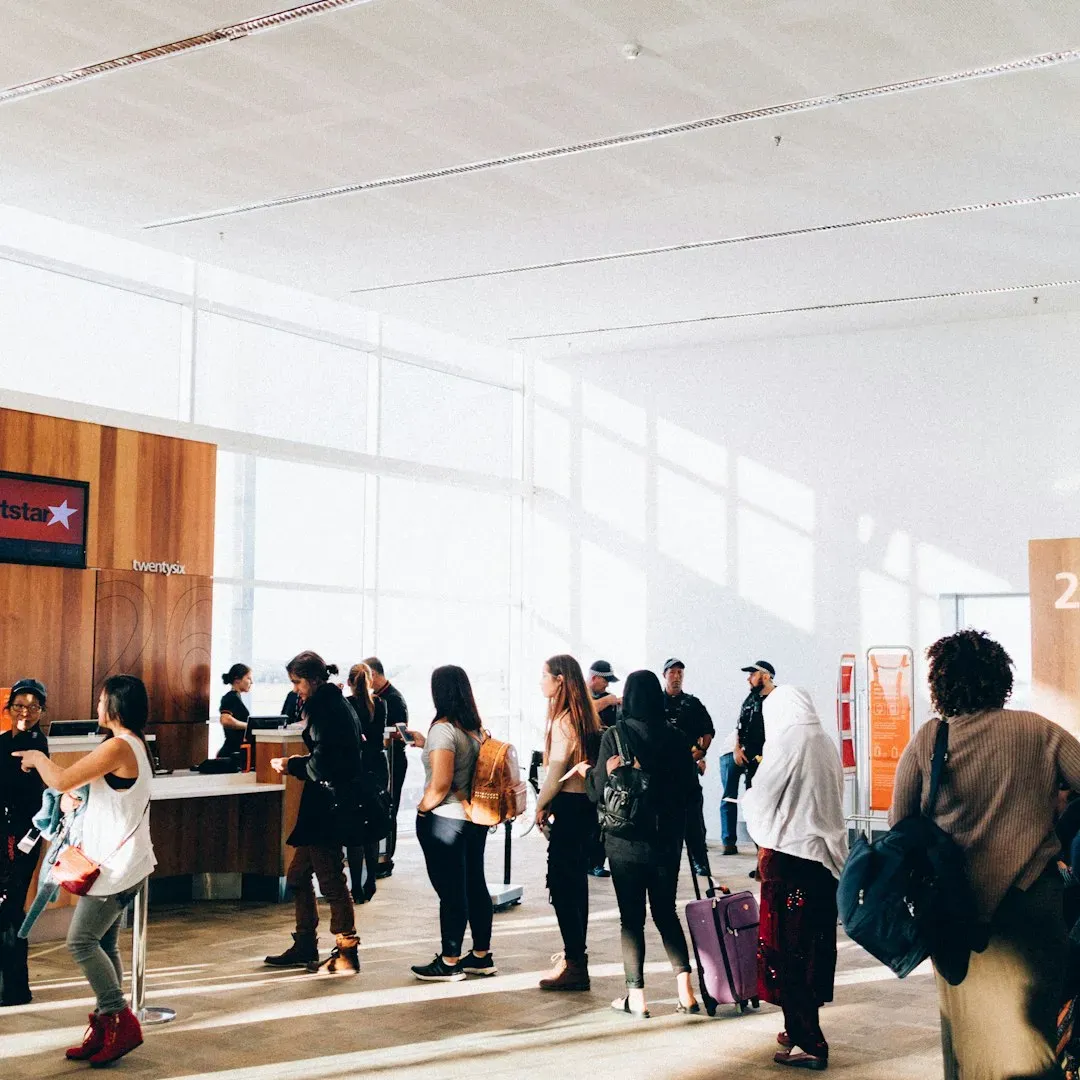
Most people treat the departure gate like a finish line. Get there, sit down, scroll through your phone. But arriving early is one of the most actionable upgrade habits a passenger can develop. Checking in early gives passengers a meaningful chance to be bumped up or offered a reduced rate at the desk to upgrade as soon as a seat opens up.
Gate agents waiting to board have a clearer picture of available seats and can make last-minute adjustments during that pre-boarding window. If you are already standing there, calm and ready, you become the easiest option when a premium seat needs filling fast. If you want to be upgraded, arriving at the gate around one hour before boarding is ideal – much earlier and the gate agents won’t be servicing your flight yet, much later and other passengers will have already claimed the better seats.
Think of it like being first in line at a bakery when the fresh croissants come out. Timing is the whole game. Arriving at the gate early may improve upgrade chances, as some airlines prioritize upgrades based on the order of check-in and the time at which passengers arrive at the gate.
3. Flying the Same Airline Consistently and Building Loyalty Status
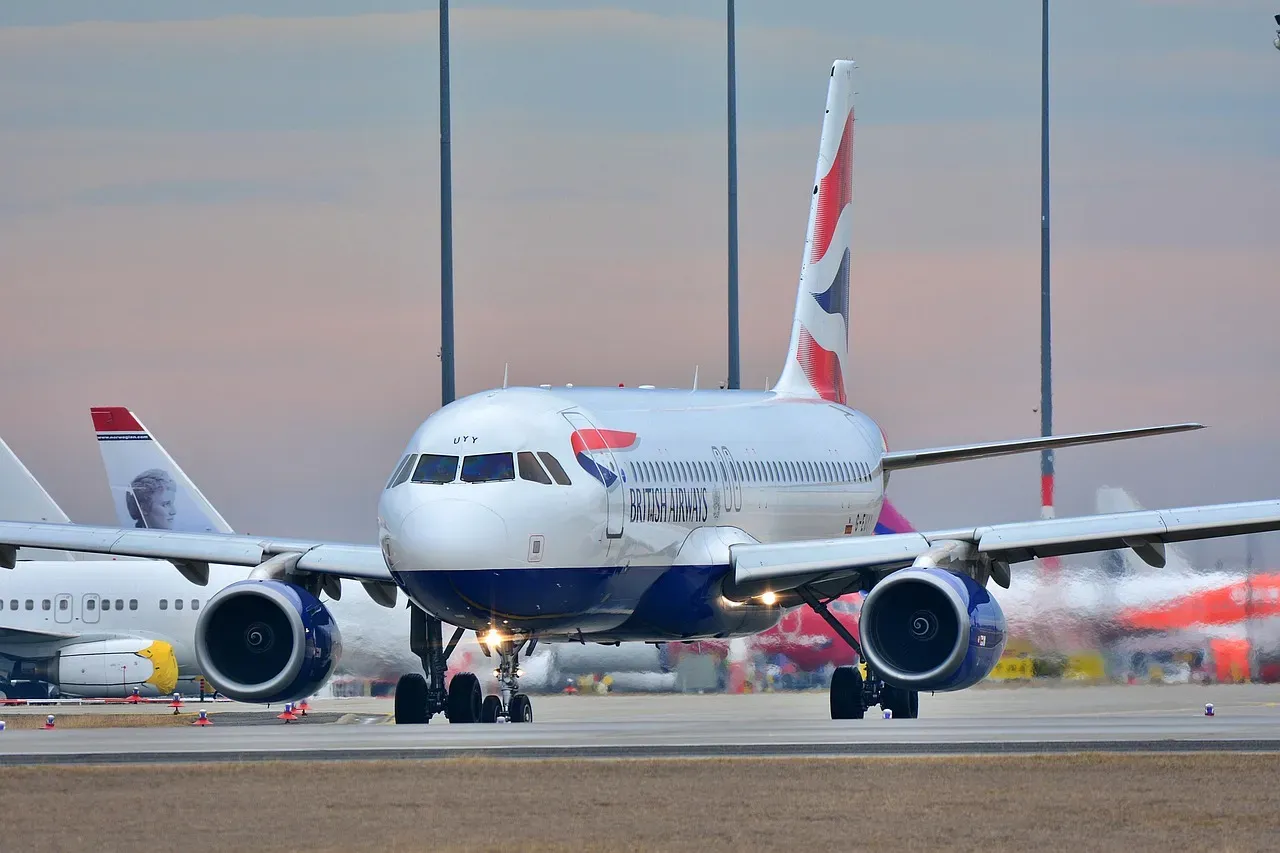
I think this is the single habit that separates casual travelers from people who seem to always fly comfortably. It is not magic. It is loyalty. The most reliable way of getting upgraded for free is to have elite status on the airline you are flying, as most airlines reward their most frequent flyers with complimentary upgrades on domestic routes.
Today’s gate agents follow a priority list for upgrades, starting with elite frequent fliers. Deviating from that list, especially when customers can view that information on airline apps, is a significant procedural issue. In other words, the algorithm protects those who have earned their place on it. If you fly a lot on the same airline, your upgrade options soar, as high-mileage and high-dollar flyers are the first eligible and first chosen for most upgrades, often at no cost.
Signing up for an airline’s loyalty program is an easy way to increase your chances of landing a free upgrade, even if you aren’t yet a frequent flyer with enough points for elite status. Starting somewhere matters. Even a basic membership puts your name on the list ahead of someone who has no membership at all.
4. Asking Politely at Exactly the Right Moment
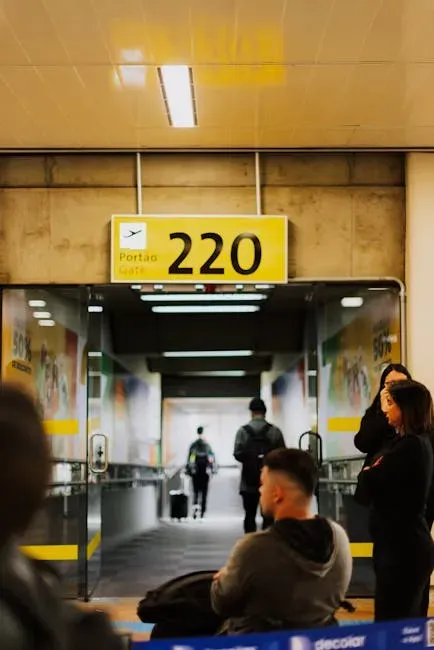
Timing a request to a gate agent is an art form that most passengers completely miss. They either ask too early, when agents are still managing crowds, or way too late, when the gate is pure chaos during boarding. The worst time to approach gate agents is during boarding or immediately after a delay announcement. The best time is ten to fifteen minutes after an announcement, once the initial chaos subsides but before the next wave of passengers arrives.
As eligible passengers are upgraded, more and often better seats in economy class will also free up. Trying to ask politely about half an hour before departure to move out of a middle seat at the back is a genuinely viable strategy. It feels slightly awkward the first time you do it. The second time, it feels completely natural. Just be sure not to ask when the agent is swamped with other tasks.
While it is quite rare, airlines sometimes offer last-minute upgrades at check-in or at the gate if business class seats remain unsold close to departure, and these last-minute deals are far cheaper than purchasing a business class ticket in advance, so politely asking the gate agent about available upgrades may yield a discounted rate. The window is real. Most people just never ask.
5. Boarding in Your Correct Zone Without Crowding the Gate
Here is a habit that works in reverse psychology. By NOT doing what nearly everyone else does, you actually make an impression. One of the most persistent frustrations at the gate even has its own nickname in aviation circles, and in 2024, American Airlines spent millions of dollars developing software specifically to block people from boarding before their zone has been called. That tells you everything about how widespread the problem is.
Gate agents notice the passengers who are not pushing forward. They notice the person sitting calmly, not hovering near the podium, not jostling into the boarding lane early. It signals awareness and respect for the process. First impressions matter enormously in gate situations, and you have roughly ten seconds to make a favorable one.
Think of it as the airport equivalent of not being the person who parks in two spots. Everyone notices it. The gate agent absolutely notices it. Standing back, patient and relaxed, marks you as someone who is easy to deal with – and that matters when a seat needs filling fast with a minimum of fuss.
6. Volunteering When a Flight Is Overbooked
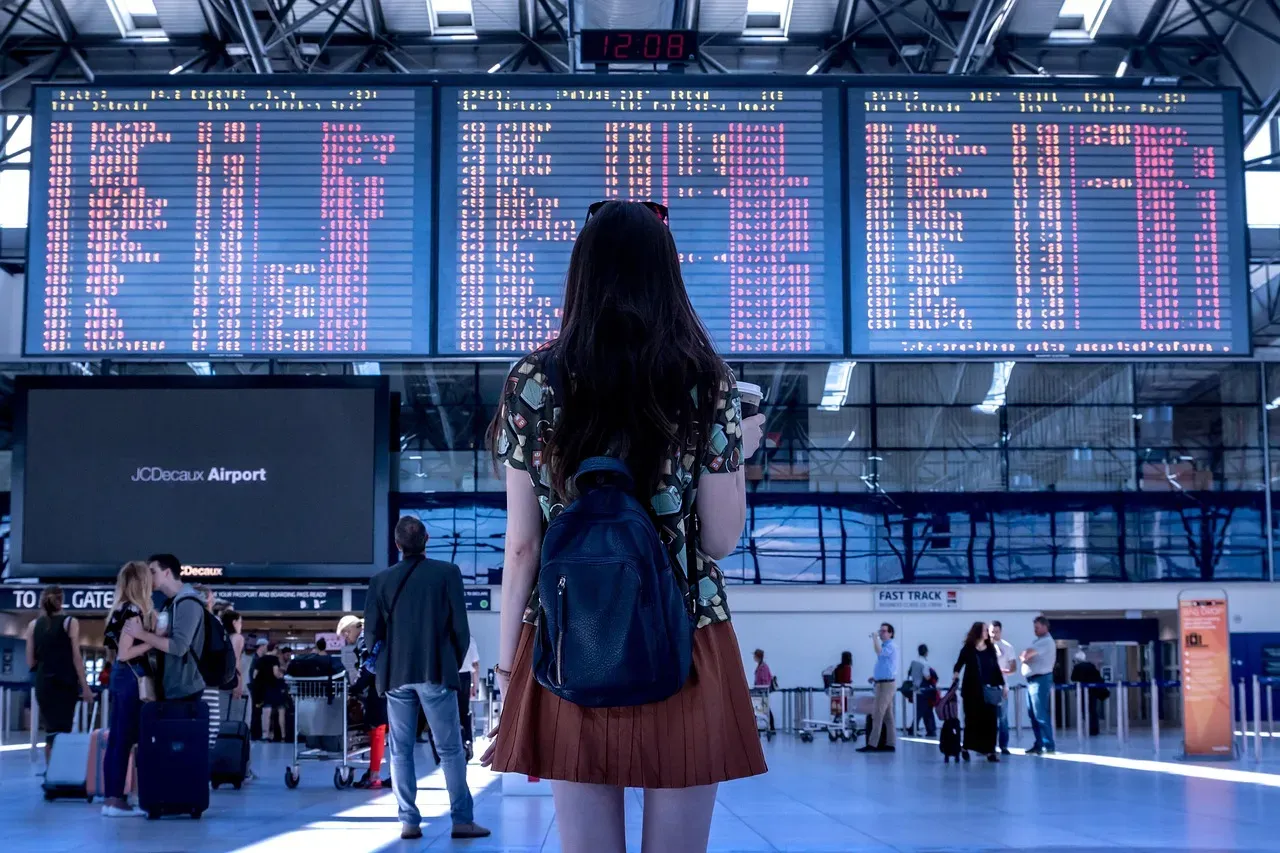
This is one of the most underestimated plays in the entire game of travel upgrades. When an airline oversells a flight – which still happens regularly on busy routes – the gate suddenly becomes a negotiating table, and passengers who understand that hold significant leverage. Whenever airlines overbook flights and need passengers to give up a seat, those volunteers have the most leverage for getting concessions and upgrades from the airline.
Airlines will sometimes oversell flights whether in an effort to fill every seat or because of cancellations, and by volunteering to take a bump to a later flight, a passenger can come out ahead. In addition to a flight voucher or other compensation, trying to negotiate an upgrade on the later flight is completely reasonable, and although the agent may be limited in monetary compensation, an upgrade can be an easy sweetener to offer.
The key is to approach this calmly, not desperately. Volunteers who seem relaxed and flexible are far more pleasant for agents to work with. Setting clear, reasonable conditions – such as requesting an upgrade or a specific arrival time – and then letting the airline decide whether it can meet them, is an effective and practical approach to this negotiation.
7. Traveling Solo and Keeping Your Booking Uncomplicated
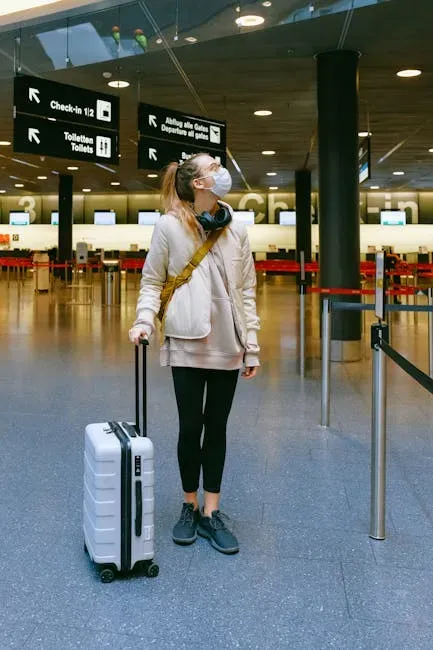
This is the one that surprises most people. It is not necessarily a habit you can always control, but it is a real factor in how upgrade decisions get made. At least one Delta Air Lines gate agent has admitted to not following standard upgrade procedure in specific situations, including when two people are on the same reservation and only one upgrade seat is available – in that case, the pair simply gets skipped.
Solo travelers are simply the easiest passengers to upgrade. No split-party complications, no matching seat preferences, no emotional negotiation about whether one person takes first class while their travel partner stays in economy. If a passenger values their potential upgrade that much, booking separately can genuinely make the process easier for the gate agent.
It is hard to say for sure that going solo is the decisive factor every single time, but the logic is sound. Gate agents are working fast and want the path of least resistance. Managing the boarding process, figuring out last-minute seating, communicating cancellations and delays, and helping passengers who might miss a flight due to tight connections all happen simultaneously. A simple, solo booking is one less variable to manage – and agents quietly appreciate that more than most travelers ever realize.