Before You Travel: 5 Tourist Habits Locals Secretly Can’t Stand
Tourism is booming like never before. An estimated 1.52 billion international tourists were recorded around the world in 2025, marking a new record year for international tourist arrivals in the post-pandemic era. That is a staggering number of people crossing borders, filling streets, and flooding historic squares – many of them completely unaware of the friction they leave behind.
Here’s the uncomfortable truth: locals around the world are reaching a breaking point. The tension isn’t just about numbers. It’s about behavior. Specific, recurring, deeply frustrating behavior that residents quietly endure every single season. If you’re planning a trip, you’ll want to read this first. Let’s dive in.
The Selfie Obsession That Is Literally Shutting Down Cities
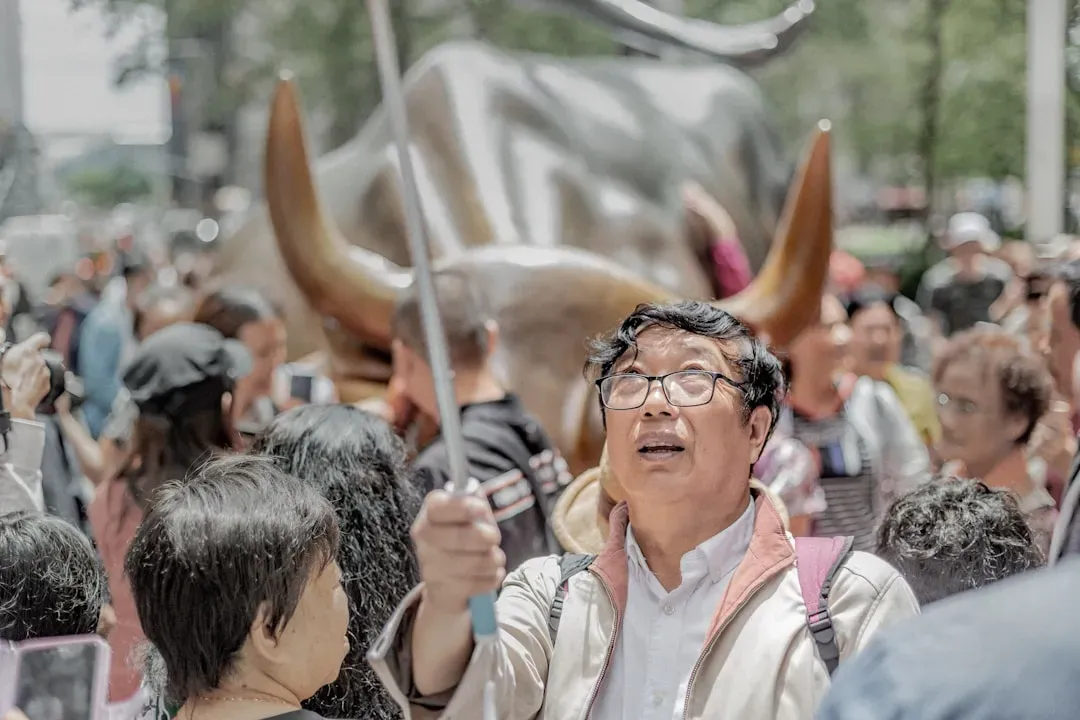
It sounds almost unbelievable, but it happened. In May 2024, a popular view of Mount Fuji was blocked to prevent tourists from taking selfies and inconveniencing locals. A town in Japan actually spent money erecting a physical barrier, just to stop visitors from swarming a convenience store parking lot for the perfect Instagram shot. Small holes quickly appeared in the screen, which tourists exploited to snap the iconic view. Within just a week of the fence being built, officials had found around ten holes, all at eye level, and all apparently just the right size to fit a camera lens through.
In Portofino, Italy, the mayor announced penalties of around $300 for those loitering in popular photo spots to alleviate “anarchic chaos” on its streets. The rule targets two “red zones” notorious for blocking pedestrian traffic. Think about that for a second. A medieval fishing village had to write laws specifically because tourists were standing frozen in the middle of walkways, phones raised, completely oblivious to everyone around them. It’s like watching someone park their car in the middle of a highway to admire the view.
According to a survey examining congestion in residential and workplace areas, nearly three in five respondents reported that living in traditional neighborhoods has become unbearable for locals dealing with constant crowds seeking the perfect Instagram shot. That is not a fringe complaint. That is the majority of people in these communities saying their daily life has been fundamentally disrupted – all for someone else’s social media content.
Being Loud in Places Where Silence Is Sacred
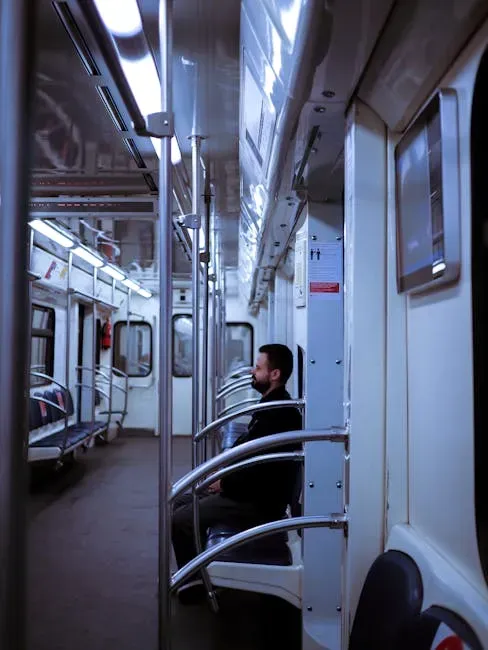
Cultural norms around volume vary dramatically worldwide, but tourists often export their home country’s noise levels without consideration for local customs or residents trying to live their daily lives. This is one of those habits that feels harmless from the inside but is jarring from the outside. Imagine living next to a library and someone arriving every day to hold a loud phone call in the reading room. That’s what it can feel like.
Japanese residents particularly struggle with boisterous tourists on public transportation where silence is culturally expected, while European cities like Amsterdam have implemented “quiet zones” after complaints about rowdy visitor groups disrupting residential neighborhoods late into the night. Amsterdam had to legislate quiet. That says everything. Tokyo’s Shibuya ward also introduced an ordinance in 2024 which prohibits public alcohol consumption from 6 p.m. to 5 a.m. year-round, expanding from restrictions previously limited to late October and late December.
According to a global survey, American tourists were the most frequently referenced group, cited by nearly a third of respondents. Complaints centred primarily on perceived loud behaviour in restaurants, on public transport and within residential areas. Honestly, it’s not about nationality. It’s about a general unawareness that not every place operates at the same volume as home. Recurring behaviours such as loudness, entitlement, poor spatial awareness and disregard for shared spaces are at the heart of complaints from locals around the world.
Disrespecting Sacred and Cultural Sites
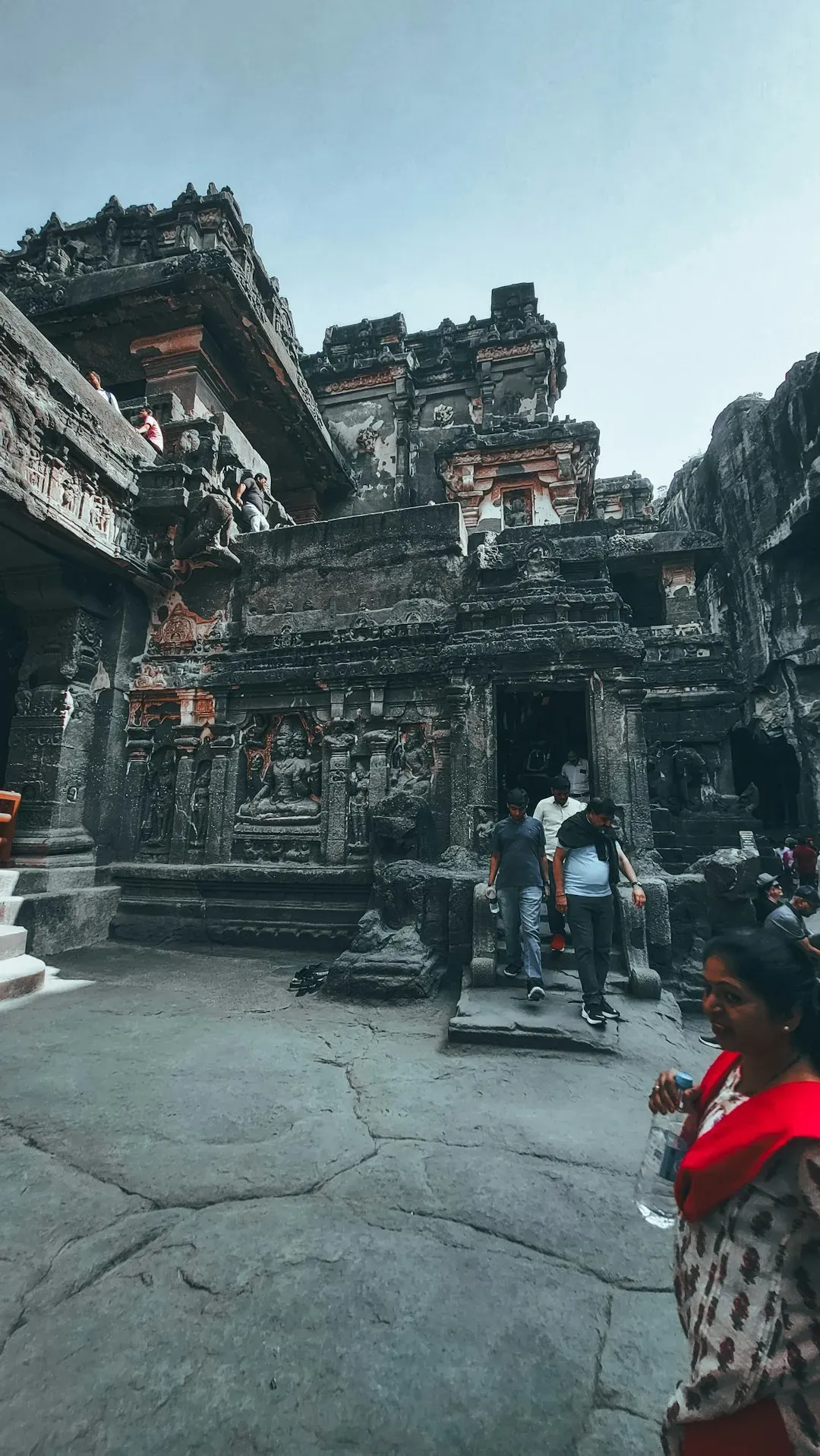
This one genuinely shocks people when they see the footage. Video footage went viral showing tourists at Tabo Monastery in India’s Spiti Valley imitating Buddha statues and posing disrespectfully while monks attempted to pray. Buddhist monks in Thailand report that visitors regularly enter temples in revealing clothing, speak loudly during meditation sessions, and climb on sacred structures for better camera angles.
What tourists perceive as harmless fun represents genuine desecration to devotees whose spiritual lives center around these holy spaces, creating deep cultural rifts between visitors and religious communities. You wouldn’t walk into someone’s funeral and start taking selfies. Yet tourists do the spiritual equivalent of this on a near-daily basis at sacred sites worldwide. Although photography bans in parts of Kyoto’s Gion district have been in place for years, that hasn’t been stopping tourists from harassing geisha and maiko for a picture. In 2024, the city created new rules limiting access to private streets, banning photography and fining violators.
Overtourism erodes local culture and heritage, leads to vandalism of cultural sites, diminishes the spiritual integrity of significant locations, and displaces traditional businesses catering to locals. The damage is not always visible and that’s what makes it particularly insidious. A sacred atmosphere, once shattered by a mob of selfie-sticks, doesn’t just bounce back when the tour bus leaves.
Treating Locals Like Extras in a Theme Park
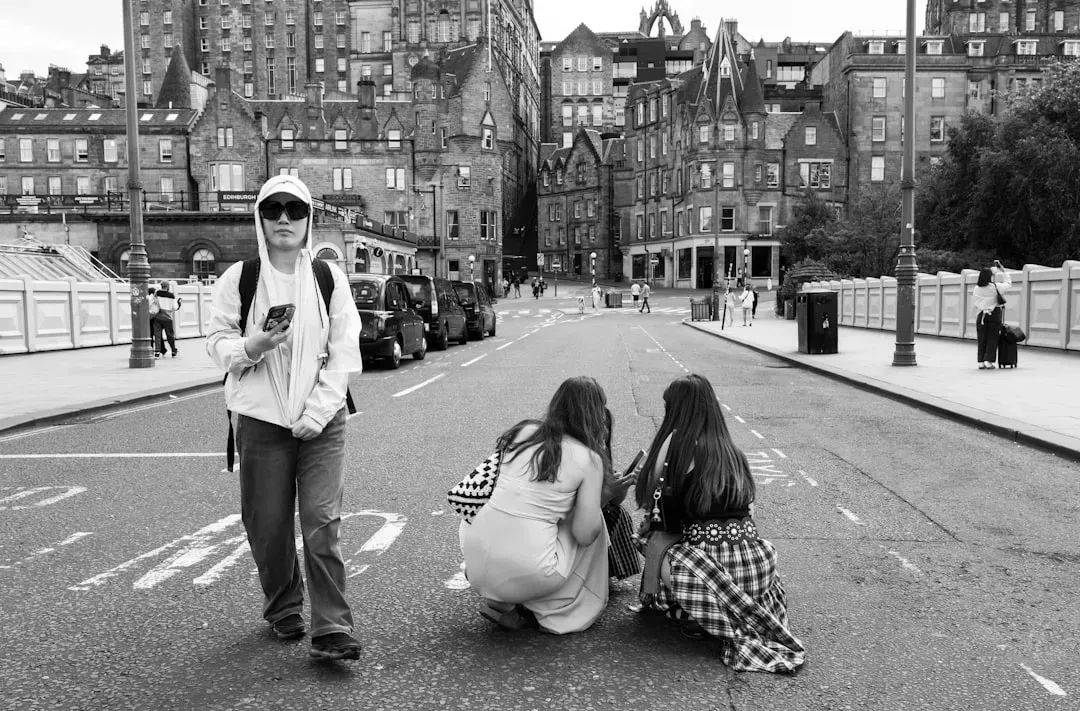
Here’s the thing – locals are not props. They are not background characters waiting to enrich your travel story. Yet a surprising number of tourists behave as though the people who actually live in a place exist purely for their entertainment. Various factors explain the decline in tourist behavior, including the lack of knowledge about local norms and what is referred to as “the energy of the main character.” This theory suggests that many tourists view themselves as the main characters in their own stories, often downplaying the importance of others to supporting roles or extras. This self-centered attitude leads them to disregard rules and show disrespect towards locals and the sites they visit.
Being rude to hospitality workers, taxi drivers, and tour guides is a major friction point. Snapping fingers at waiters or treating service staff disrespectfully is noticed everywhere. Acting entitled because you’re spending money in someone’s country is one of the most common complaints locals share. The spending-money logic is particularly tone-deaf. Imagine a guest entering your home and reminding you repeatedly that they brought wine. Despite the substantial revenue generated by tourism, many locals feel left out of the booming visitor economy, filling low-wage jobs while profits primarily benefit external investors and large corporations. This disparity fosters resentment among residents, escalating social tensions as they feel tourism degrades their quality of life.
Ignoring Local Customs Around Tipping, Dress, and Etiquette
Tipping is perhaps the most confusing cultural minefield in travel. The rules genuinely vary by country, and getting them wrong irritates people on both ends. In Japan and South Korea, tipping is not customary and can actually be considered rude. Good service is expected as standard and does not require extra reward. Meanwhile, in the United States, skipping a tip is considered deeply disrespectful to service workers.
Residents in many destinations noted frustration with expectations that local service standards and tipping customs should resemble those in the United States. In destinations where tipping is modest or optional, assertive tipping culture can create friction. It’s a strange paradox where trying to be generous can actually cause offense. The answer, of course, is research. Five minutes on your phone before you arrive could save a deeply awkward interaction.
Dress codes at religious and traditional sites are another constant issue. In January 2024, two tourists faced backlash for sunbathing at Chiang Man Temple in Chiang Mai. After their photos circulated on social media and it was revealed they disrespected a temple, they apologized. Dress according to local customs, not Instagram trends – that’s genuinely sound advice that most first-time visitors ignore entirely. A simple scarf in a bag costs nothing. The embarrassment of being turned away at a sacred gate, or worse, going viral for the wrong reasons, costs quite a lot.
Crowding Out the Places Where Locals Actually Live
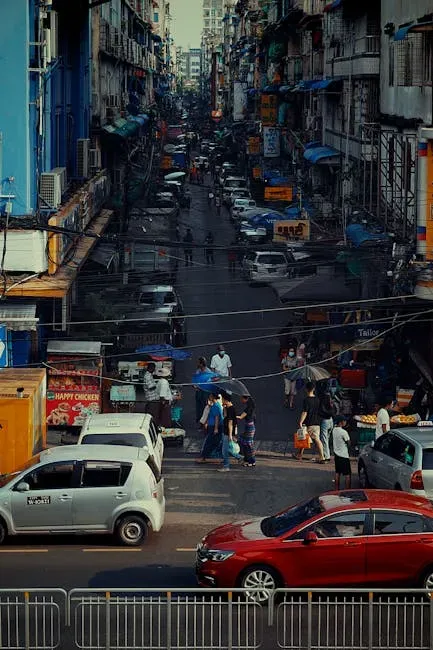
This is the big one. The habit that sits beneath all the others. The habit that turned into a movement. In summer 2024, tens of thousands of locals expressed their growing frustration in anti-tourism rallies and demonstrations across Europe, including Spain, the Netherlands and Greece. These weren’t fringe protests. These were mass movements from people who simply wanted their neighborhoods back.
Over the course of 2024, ninety-four million tourists visited Spain, compared to its forty-eight million population. The international tourist expenditure in 2024 was around 126 billion euros. Spain earns enormous sums from tourism. Yet even with that money flowing in, local governments and residents believe that, rather than sustaining the locations, the overtourism has contributed to a reduced quality of life and increased cost of living for residents.
The influx of tourists can drive up the cost of living, making it difficult to find affordable housing and displacing residents. By 2024, about 1,000 residents of Mallorca were living in their vehicles, on an island where tourists sip cocktails by the pool. According to McKinsey, roughly four in five travelers visit just ten percent of the world’s tourist destinations. That brutal concentration is precisely why certain communities crack under the pressure while others are entirely untouched. When everyone follows the same influencer-approved itinerary, entire living neighborhoods get trampled in the process.
What This Means for the Way We Travel

The frustration locals feel isn’t abstract. It is concrete, measurable, and growing. Overtourism is not simply about numbers. It is about coexistence. When visitor behaviour aligns more closely with local expectations, tensions may soften.
When tourists adjust even slightly to local customs – whether it’s learning a few words, tipping appropriately, or simply observing how locals behave – it builds mutual respect. Small gestures go a long way in showing you’re not just passing through, but engaging thoughtfully. Travel, at its core, is an exchange. You arrive as a guest. The city, the village, the neighborhood – that’s someone’s home.
Tourists must understand that they are guests in the places they visit and are responsible for preserving them for future generations. That’s not a guilt trip. That’s just reality. The world isn’t a museum built for visitors. It’s a living place full of people with routines, rents, and relationships that predate your trip and will continue long after you’ve posted your photos and gone home.
Next time you pack your bags, ask yourself: am I going somewhere to take from it, or to genuinely engage with it? The difference, locals will tell you, is impossible to miss.