The World’s 10 Most Misunderstood Countries: Unsafe by Reputation, Safe in Reality
We’ve all been there. You mention a travel destination at dinner, and suddenly everyone has an opinion. Your aunt gasps. Your friend shakes their head. Someone inevitably asks if you have a death wish. Yet millions of tourists visit these supposedly dangerous places every year and return home with nothing more dramatic than a sunburn and great photos.
Perception rarely matches reality when it comes to international travel safety. While headlines scream about conflict and crime, they rarely mention the peaceful cities, welcoming locals, and thriving tourism industries that exist in the very same countries. Let’s be real, media coverage tends to focus on the worst moments, not the everyday experiences of travelers who walk away unharmed and enchanted.
Colombia: From Cartel Chaos to Tourism Paradise
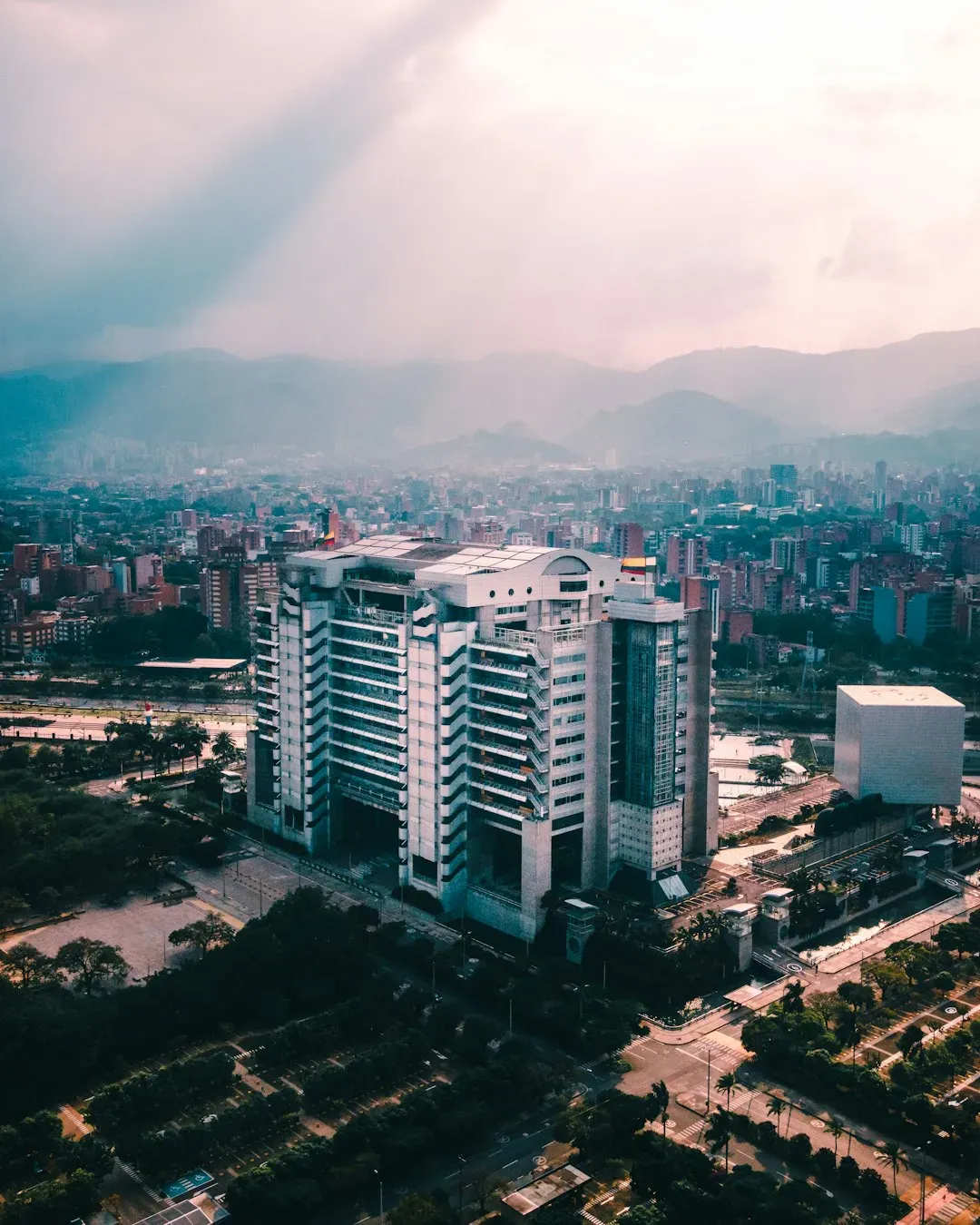
In 2024, Colombia welcomed 6.7 million visitors, breaking all previous records. Yet many people still associate this South American gem with Pablo Escobar and drug cartels from decades past. Overall, crime in Colombia dropped by 10.9% in 2023, a statistic that surprises most first-time visitors who arrive expecting danger at every corner. Cities like Medellín, once labeled the world’s most dangerous city, have undergone remarkable transformations.
The reality on the ground tells a different story than your nervous relatives imagine. Even my hometown of Dallas had almost 19 murders per 100,000 residents in 2023, which is higher than Bogotá that year. Popular tourist zones in Cartagena, Bogotá, and Medellín have visible police presence and infrastructure specifically designed to keep visitors safe. The biggest threats? Pickpockets in crowded areas and the overwhelming number of street vendors trying to sell you sombreros.
Mexico: Beyond the Border Warnings

Mexico receives more heat than perhaps any other tourist destination, particularly from nervous Americans who’ve never actually been there. More than twelve million visitors came in 2024, most of whom returned home completely unscathed. Mexican states with popular tourism destinations that fall under this second-safest category include Baja California Sur (where Cabo San Lucas and San José del Cabo are), Mexico City, Nayarit (where Sayulita is), Oaxaca (where Oaxaca City and Puerto Escondido are), and Quintana Roo (where Cancún, Playa del Carmen, Tulum, Isla Mujeres, and Cozumel are).
The nuance matters here. Mexico is enormous, and safety varies dramatically by region. About 1,100 intentional killings in 2024, or 7.9 per 100,000 people. This rate is far below the states that top 30 per 100,000. Tourist areas benefit from dedicated security measures, and millions of families vacation there annually without incident. The warnings exist for specific regions near certain borders, not for the beach resorts and colonial cities where most tourists spend their time.
Jordan: The Middle East’s Peaceful Gem
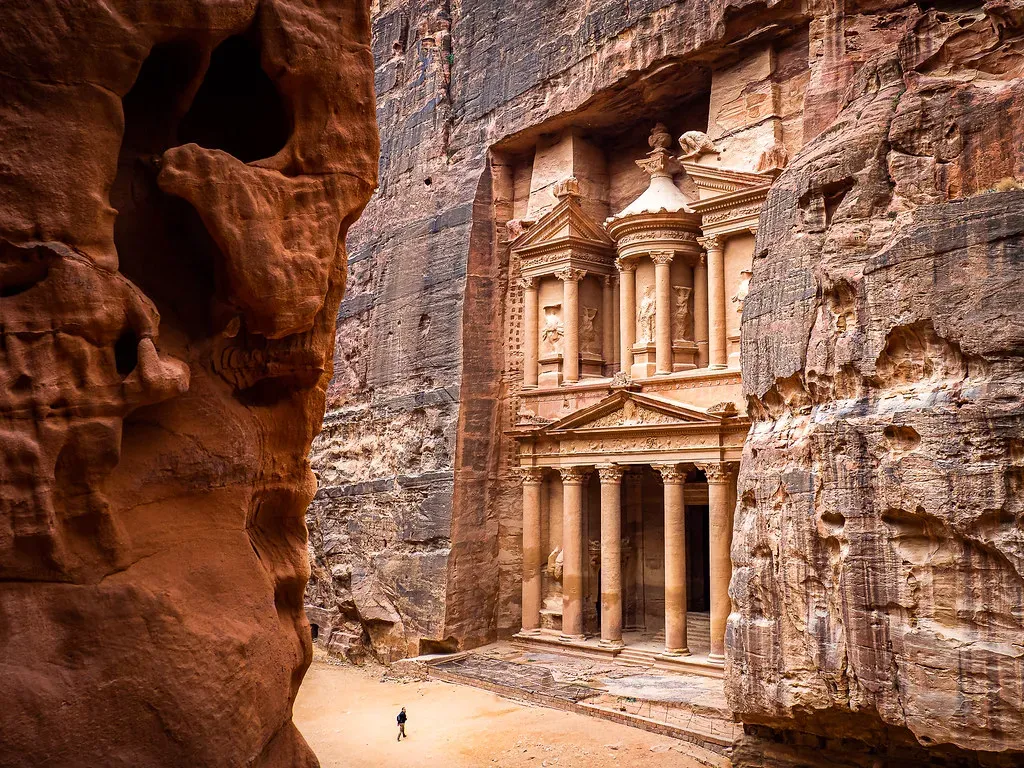
Mention travel to the Middle East, and watch people’s faces change. Jordan suffers from guilt by geographic association, despite being one of the region’s most stable nations. About six million visitors came to Jordan in 2024, many discovering that their fears were entirely unfounded. Compared to many of its neighbors in the Middle East, Jordan is an exceptionally safe country to visit. It even ranks above France on the Global Peace Index, though I doubt your family panics when you book a Paris trip.
The hospitality here is legendary. Travelers consistently report feeling safe throughout Jordan, including at major tourist sites and in cities like Amman and Wadi Musa. Petra, the Dead Sea, and Wadi Rum see steady streams of visitors who encounter nothing more threatening than persistent tea offers from friendly Bedouins. Muggings are rare in Jordan, especially against tourists. Violent crime levels are low compared to many countries.
Rwanda: Africa’s Safety Success Story
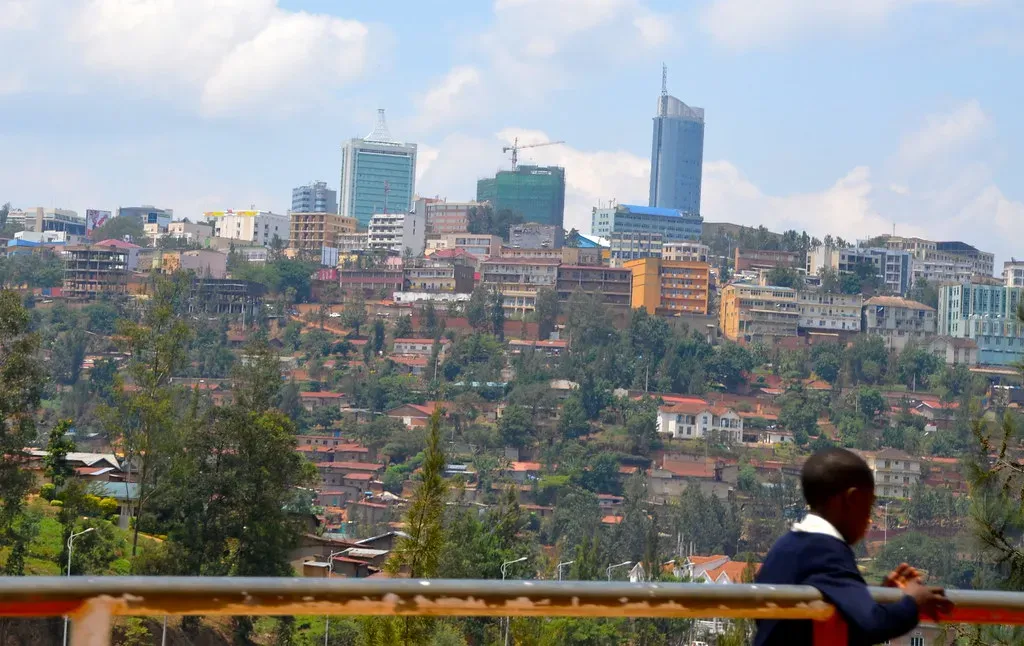
Rwanda carries the weight of its tragic 1994 genocide in global memory, causing many potential visitors to assume ongoing instability. Nothing could be further from current reality. With a Crime Index score of 26.4 and a Safety Index of 73.6, Rwanda ranks not just as Africa’s safest country but also among the top 25 globally. This small East African nation has become a model for post-conflict recovery and security.
In 2024, it was recognised as the safest country in Africa, scoring approximately 73.2 points on the safety index – the highest on the continent, with the lowest crime incidents and the only African nation with high safety levels (over 60 index points). Kigali, the capital, ranks among Africa’s cleanest and most organized cities. Gorilla trekking brings tourists from around the world, and the country’s tourism infrastructure prioritizes visitor safety above almost everything else.
Morocco: North African Jewel Misunderstood
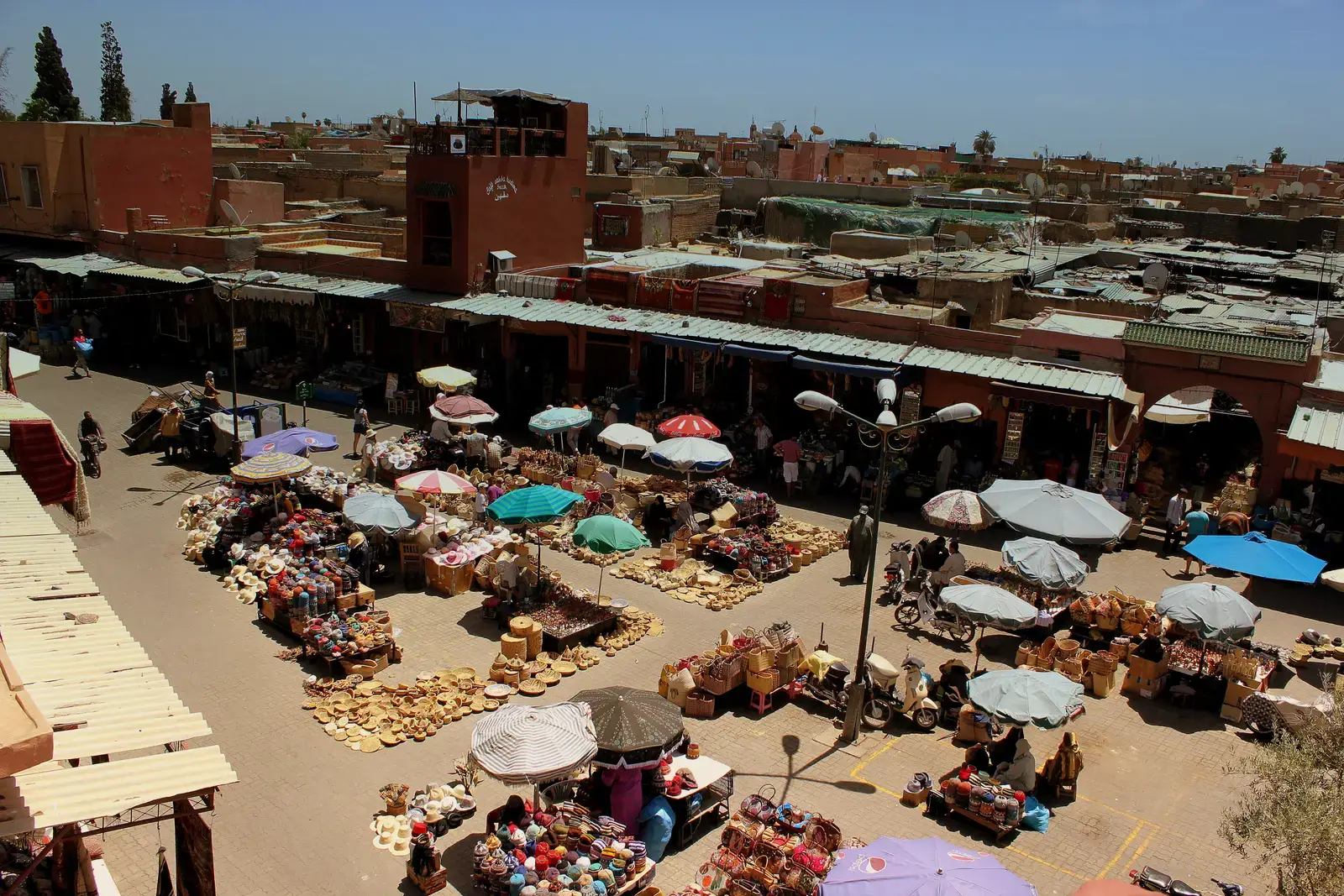
Morocco often gets lumped into broad regional stereotypes about North Africa and the Arab world. In reality, this country has cultivated a massive tourism industry built on safety and accessibility. The medinas of Marrakech and Fez buzz with tourists year-round, and coastal cities like Essaouira have become expat havens.
Street harassment exists, particularly for women travelers, which deserves acknowledgment. Yet violent crime against tourists remains exceptionally rare. The biggest actual risks involve aggressive carpet sellers in souks and taxi drivers taking scenic routes to inflate fares. Morocco has invested heavily in tourism police and infrastructure, recognizing that their economy depends on visitors feeling secure enough to return.
Vietnam: War Memories Versus Modern Reality
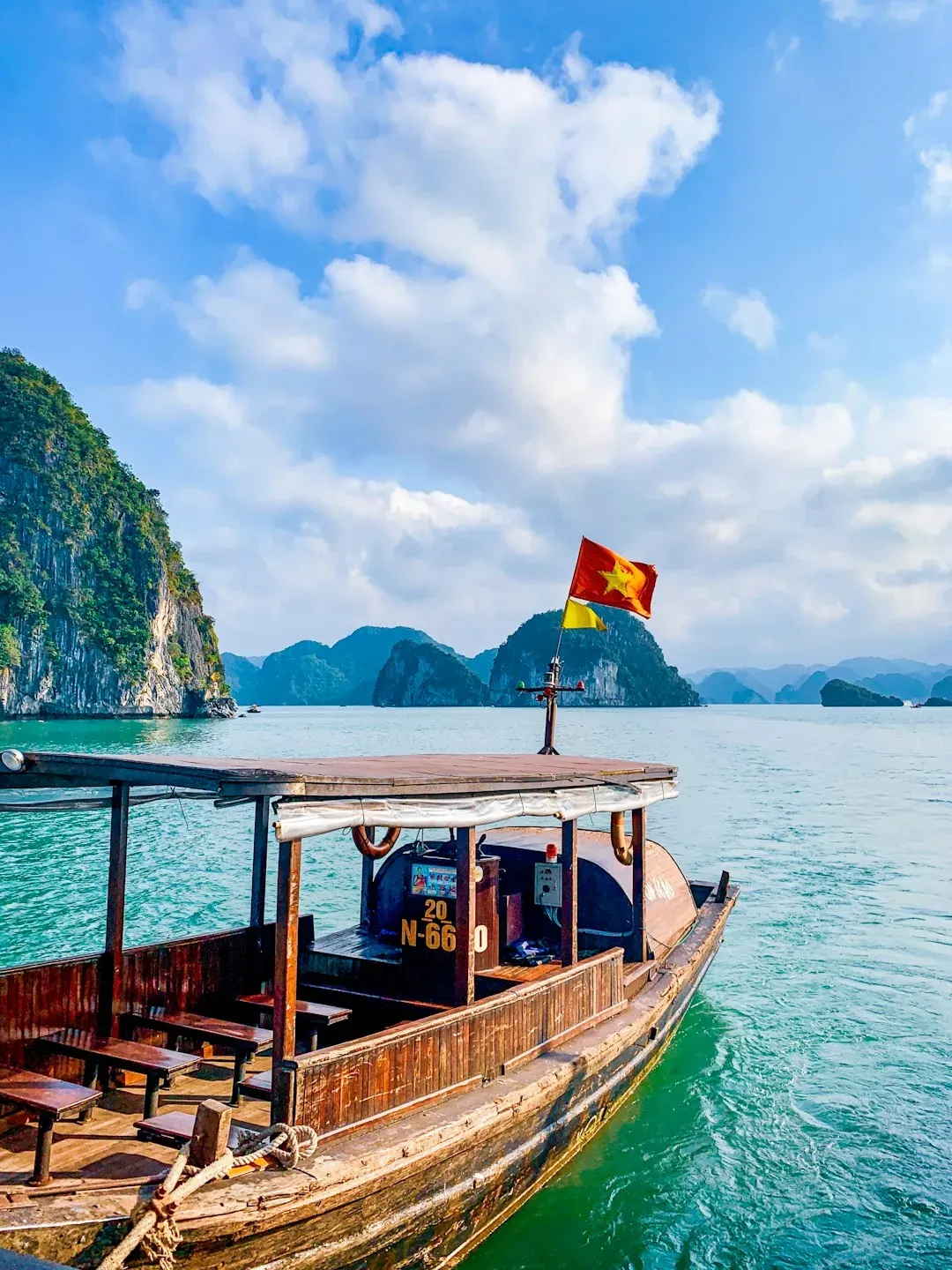
For older generations, Vietnam conjures images of war and conflict. Younger travelers discover a country that has moved far beyond that era. Vietnam has become one of Southeast Asia’s most popular destinations, with cities like Hanoi and Ho Chi Minh City welcoming millions of tourists annually.
The street food scene alone draws adventurous eaters worldwide. Ha Long Bay tours, motorbike journeys through mountain passes, and ancient town exploration in Hoi An proceed without drama for nearly all visitors. Petty theft targeting tourists exists, sure, particularly on motorbikes in big cities. Violent crime? Extremely rare. The Vietnamese government has actively cultivated tourism as an economic priority, and security measures reflect this commitment.
Egypt: Pyramids and Misplaced Anxiety
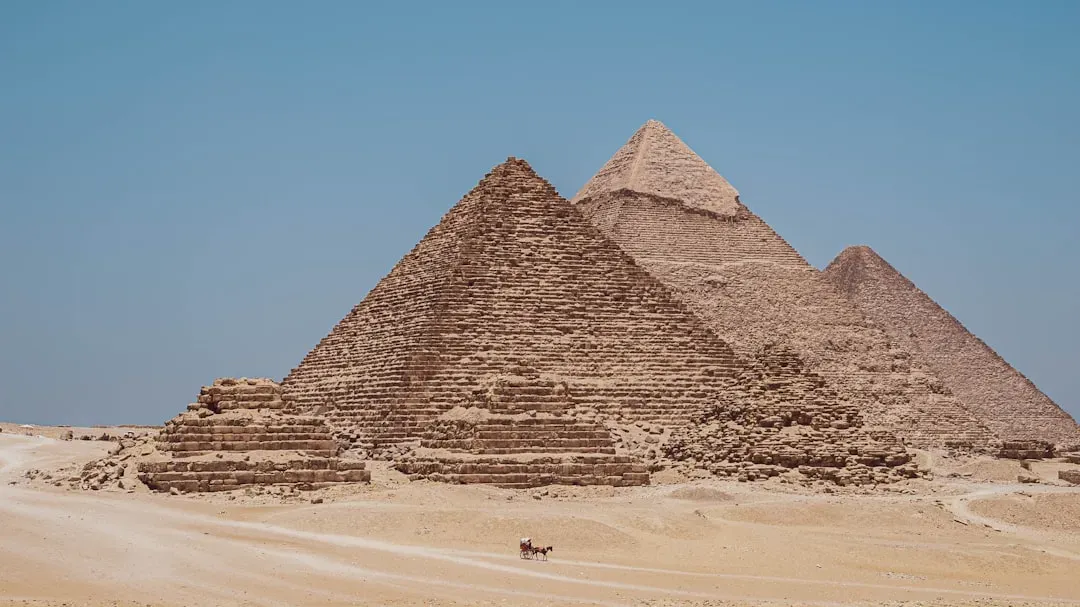
Egypt’s reputation took hits from political instability and isolated incidents over the past decade. Yet the tourism zones remain remarkably separate from any unrest. The Nile cruises continue floating between Luxor and Aswan. The pyramids still draw massive crowds daily. Red Sea resorts in Sharm el-Sheikh and Hurghada operate with dedicated security for tourist areas.
Tourism police are everywhere in Egypt, sometimes to an almost comical degree. You’ll spot them at every major archaeological site, museum, and tourist hub. The government understands that tourism brings in crucial revenue, and they protect these zones accordingly. The persistent vendors and aggressive tactics for extracting money from tourists pose bigger headaches than actual safety threats.
Indonesia: Island Paradise with Unfair Labels

Indonesia’s massive size works against it in safety perceptions. This nation encompasses thousands of islands across vast ocean distances. Bali receives millions of tourists annually with minimal incidents. Yet some people conflate unrelated issues in distant provinces with the tourism hotspots.
Bali, Lombok, the Gili Islands, and Yogyakarta maintain thriving tourism industries built on relative safety. Natural disasters like earthquakes and volcanic activity present actual risks worth considering. Criminal threats to tourists? Fairly minimal compared to the scale of visitation. Petty theft and scams targeting foreigners exist, particularly in heavily touristed areas, though violent crime remains uncommon.
Philippines: Selective Geography Misunderstood
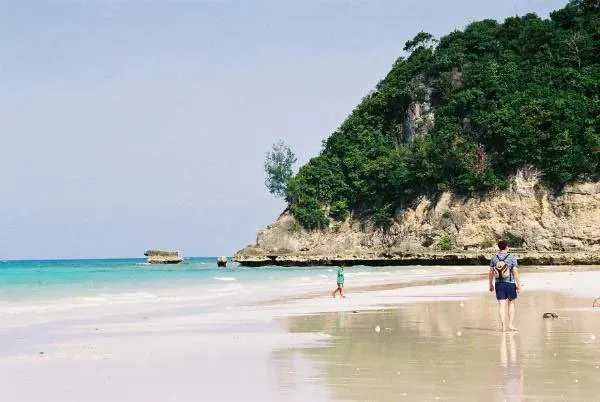
The Philippines suffers from the same issue as Indonesia – people paint the entire country with a broad brush based on specific regional problems. Certain areas in the far south near Mindanao have legitimate security concerns. Manila has urban crime like any major city. Meanwhile, Palawan, Boracay, Siargao, and countless other islands see steady tourist flows with overwhelmingly positive experiences.
Filipino hospitality is genuine and warm, often catching first-time visitors off guard. The country ranks among Asia’s most affordable destinations, with incredible diving, pristine beaches, and vibrant culture. Government travel advisories list specific regions to avoid, and tourists who respect these boundaries rarely encounter problems. The bigger challenges involve chaotic transportation systems and occasional natural disasters, not roving criminals targeting foreigners.
Guatemala: Central American Surprise
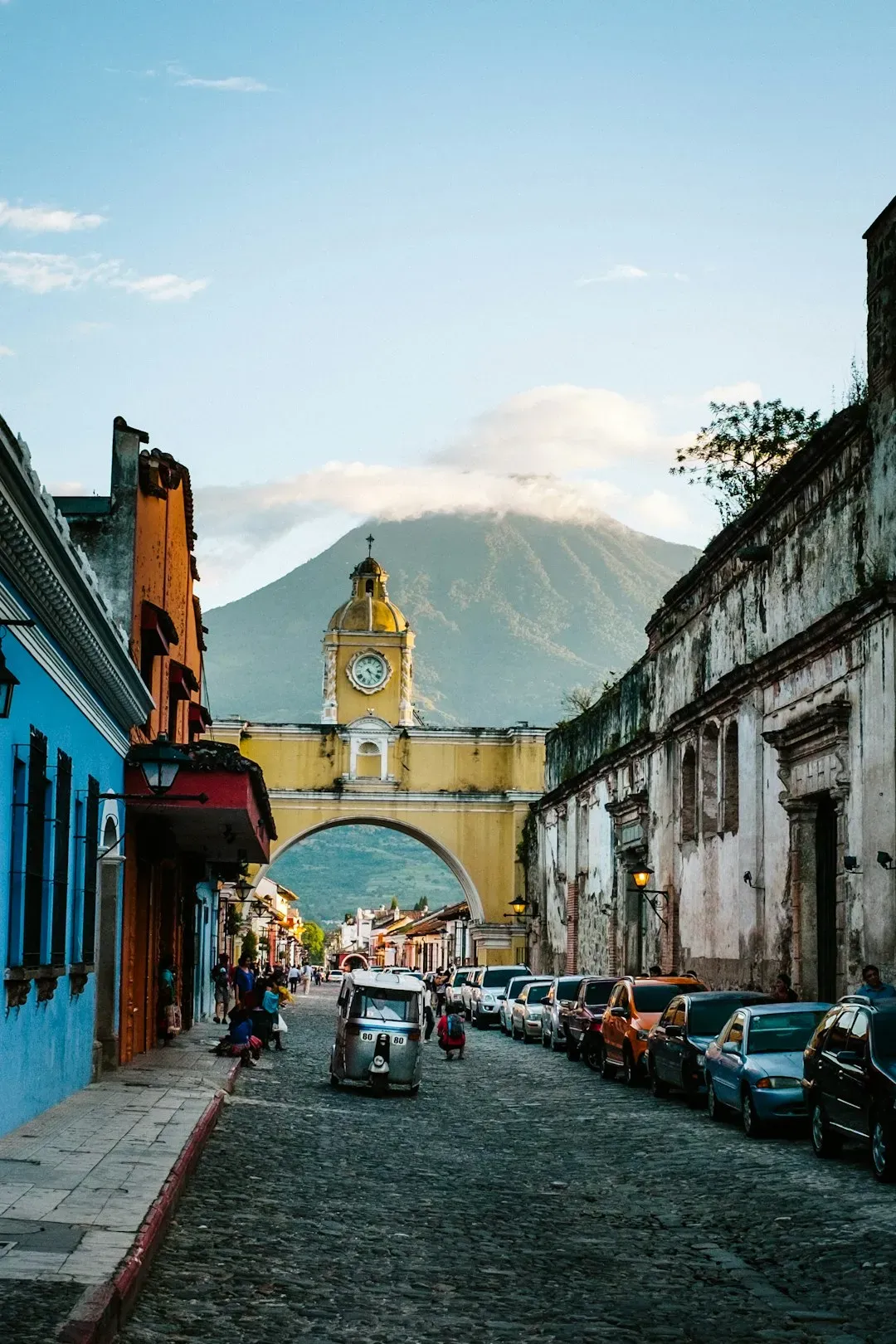
Guatemala gets overshadowed by broader Central American crime narratives. Yes, gang violence exists in certain urban areas. Yes, poverty creates desperation that fuels some criminal activity. Yet the tourist circuits around Antigua, Lake Atitlán, and Tikal operate quite differently from these troubled zones.
Antigua ranks as one of Central America’s safest cities, with cobblestone streets patrolled regularly and a tourism economy that depends on visitor security. The lake regions draw digital nomads and long-term travelers who feel comfortable enough to settle for months. Mayan ruins see steady archaeological tourism. Smart travelers avoid certain neighborhoods in Guatemala City and travel during daylight hours, just like you would in any developing nation. Following basic precautions yields safe experiences for most visitors.