8 Popular Over-the-Counter Medications Doctors Are Now Warning Against
We trust them. They’re sitting right there on our pharmacy shelves, no prescription needed, promising quick relief from everyday aches and ailments. Over-the-counter medications have become such a routine part of life that we barely give them a second thought. Pop a pill for a headache, grab a decongestant for a stuffy nose, take something for heartburn after a heavy meal.
Here’s the thing though. Just because something doesn’t require a doctor’s signature doesn’t mean it’s automatically safe for everyone, especially when taken regularly. Recent research and updated warnings from health authorities have put several popular OTC medications under serious scrutiny. What you’ve been taking for years might actually be doing more harm than good. Let’s dig into which medications are raising red flags and why doctors are increasingly concerned.
Oral Phenylephrine Found in Cold and Sinus Medications

It’s in Sudafed PE, DayQuil, Mucinex Sinus-Max, and dozens of other cold remedies. The FDA proposed ending the use of oral phenylephrine for temporary nasal congestion relief in November 2024 because the agency determined it is not effective. In September 2023, an FDA advisory committee concluded that the evidence was clear that phenylephrine is ineffective at its typical oral dosage. This was a unanimous decision by the panel.
The reason is straightforward but troubling. Phenylephrine doesn’t work in oral pill form because it breaks down in your body before reaching your nasal system, reducing its bioavailability. You’ve likely been wasting money on a placebo for years. CVS already stopped selling products containing this ingredient following the advisory committee meeting. While the medication appears safe, taking something that literally does nothing for congestion seems pointless.
Proton Pump Inhibitors Like Nexium and Prilosec

These acid-reducing medications transformed heartburn treatment when they hit the market. Proton pump inhibitors are among the most frequently prescribed medications, and their use is likely even higher than estimated due to an increase in PPIs available without a prescription. The problem? Up to 70 percent of patients take PPIs without an appropriate indication and face risk of adverse effects associated with long-term use.
Long-term PPI use has been flagged by the FDA due to interference with calcium and magnesium absorption, leading to increased bone fracture risk, and prolonged use has been linked to higher incidence of C. difficile infections and potentially kidney disease in the elderly. Many patients don’t realize these were originally intended for short-term therapy of 14 days, not as a permanent lifestyle fix. Studies show associations with chronic kidney disease, vitamin deficiencies, and increased infection risks. Honestly, if you’ve been on these for months or years without reassessing, it’s worth having that conversation with your doctor.
NSAIDs Including Ibuprofen and Naproxen

Common OTC painkillers have been linked to increased risk of high blood pressure, stroke and heart attacks, with non-steroidal anti-inflammatory drugs pinpointed as the class of medicines most linked to elevated cardiovascular risk. The FDA has noted that heart attack and stroke risk increase even with short-term NSAID use, and the risk may begin within a few weeks of starting to take an NSAID.
The concern isn’t about taking an occasional ibuprofen for a headache. Doctors emphasize that the overall risk is very low for people taking OTC pain relievers on a short-term basis, but it rises with long-term, high-dose use. Ibuprofen can raise blood pressure and has been associated with higher heart attack and stroke risk, but not as high as diclofenac, while naproxen carries a lower cardiovascular risk than ibuprofen or diclofenac but is not entirely risk-free. If you’re popping these daily for chronic pain, that’s when problems start creeping in.
First-Generation Antihistamines Like Diphenhydramine
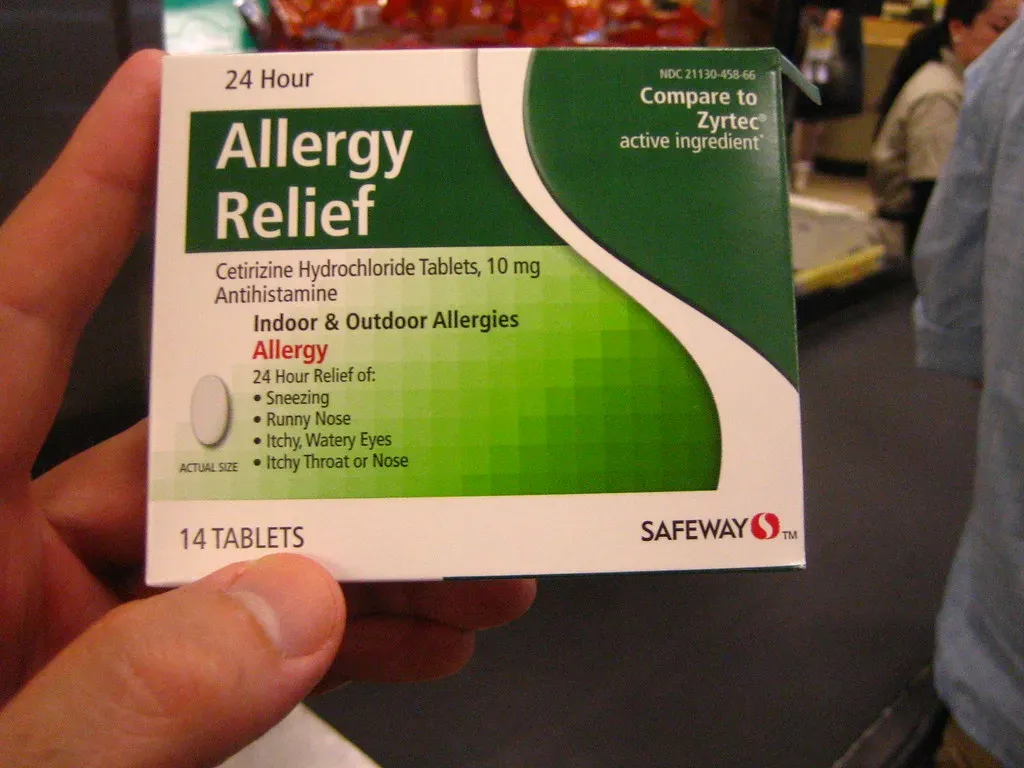
Benadryl and similar products containing diphenhydramine have been pharmacy staples for decades. Yet first-generation antihistamines like diphenhydramine are now recognized by the FDA as acting as potent anticholinergics in seniors, which can cause severe confusion, dry mouth, and urinary retention. These effects are particularly problematic for older adults, though younger people aren’t immune to drowsiness and impaired thinking.
The push is toward second-generation antihistamines like loratadine or cetirizine, which do not cross the blood-brain barrier as easily and carry much lower risk of sedation, and the 2026 safety profile suggests it’s time for an upgrade. The newer options work just as well without turning your brain into fog. It’s a pretty straightforward switch that could make a meaningful difference.
Decongestants Containing Pseudoephedrine

Unlike its ineffective cousin phenylephrine, pseudoephedrine actually works for congestion. That’s precisely why it’s kept behind the pharmacy counter. Decongestants containing pseudoephedrine, like Sudafed, can spike blood pressure, which is especially risky for older adults more prone to high blood pressure. If you have high blood pressure, FDA warnings against OTC decongestants are particularly relevant, as pseudoephedrine and phenylephrine work by constricting blood vessels, which can cause dangerous spikes in heart rate and blood pressure.
The medication remains available and effective, but it’s not appropriate for everyone. People with hypertension, heart conditions, or those on certain medications need to be especially cautious. Your stuffy nose isn’t worth a cardiovascular event.
Bismuth Subsalicylate Products Like Pepto-Bismol
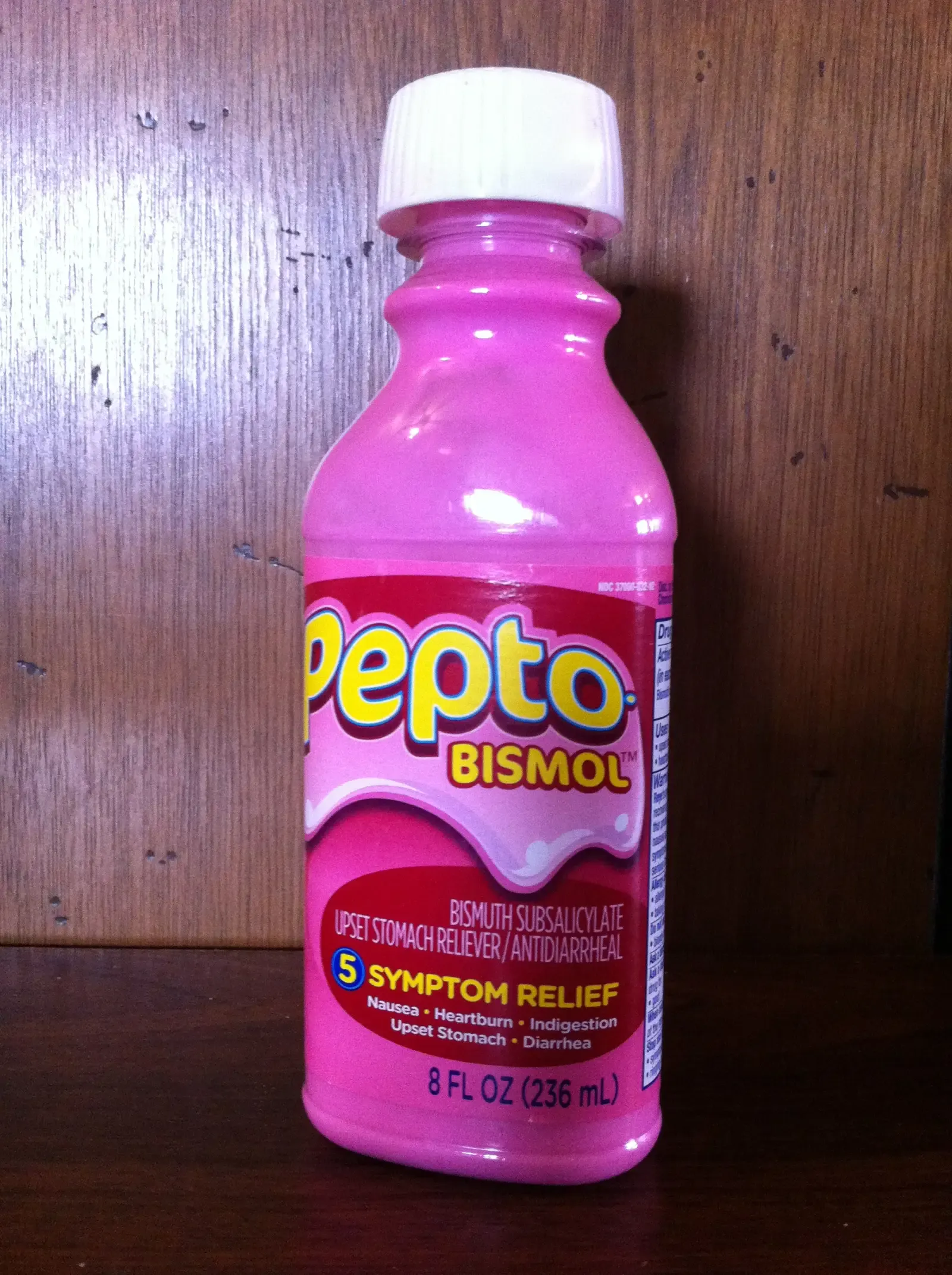
Bismuth subsalicylate contains a chemical cousin of aspirin that can be problematic for older adults, and the FDA warns that seniors taking blood thinners or those with a history of ulcers should be extremely cautious, as it can increase the risk of internal bleeding. The pink liquid seems harmless, but the salicylate component can cause tinnitus or even toxicity if taken in large doses or over a long period.
Many geriatricians are steering patients toward simpler antacids or lifestyle changes to manage upset stomachs, and if you’re reaching for it more than once a week, it’s a signal that an underlying issue needs professional medical attention. Chronic stomach issues deserve proper diagnosis, not just repeated doses of the same bottle.
Dextromethorphan-Containing Cough Suppressants
This OTC cough suppressant is found in more than 120 products marketed for cough and cold and results in about 6,000 emergency room visits a year. While safe at recommended doses, the problem is widespread misuse. Recreational users of dextromethorphan take more than recommended doses to experience altered time perception and visual hallucination, and when mixed with alcohol, acetaminophen, or other OTC drugs, it can be toxic.
This isn’t just about teenagers and social media challenges. Taking multiple medications containing DXM without realizing it, or combining it with other drugs, creates real risks. Read labels carefully and stick to recommended doses. The margin between therapeutic and dangerous isn’t as wide as people assume.
Magnesium Citrate Laxatives
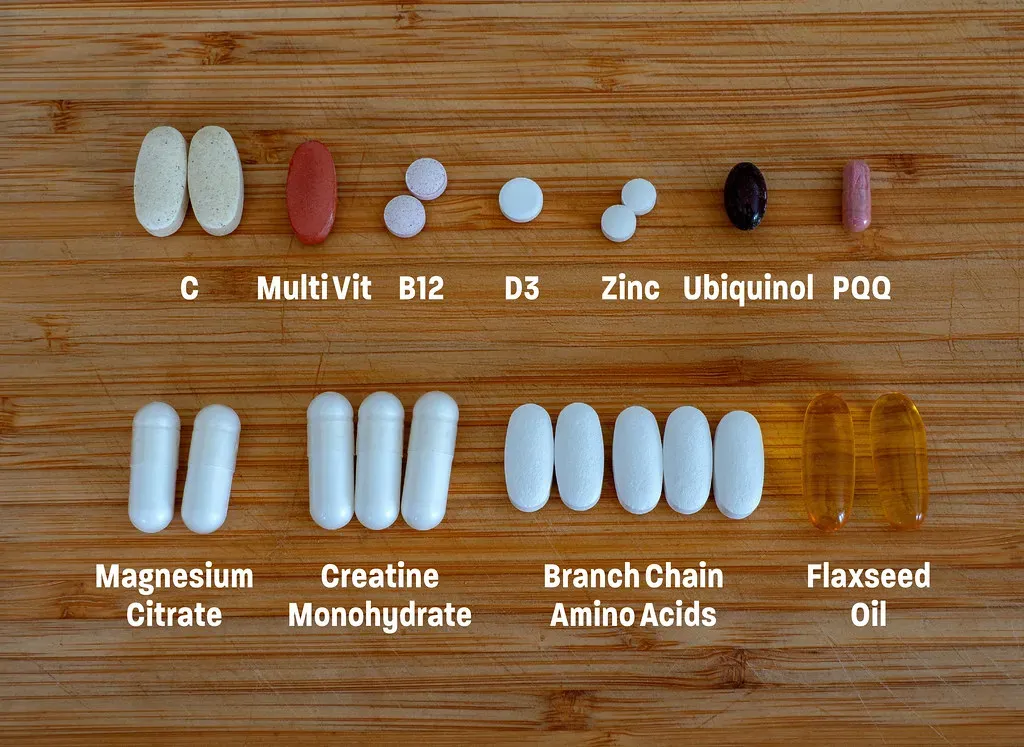
Constipation is uncomfortable, and quick-fix laxatives seem like an easy answer. For seniors dealing with chronic constipation, magnesium citrate is often used as a quick fix for irregularity, but the FDA has flagged the risk of electrolyte imbalances and dehydration in older adults who use these saline laxatives frequently. The body’s ability to maintain proper electrolyte balance decreases with age, making these products riskier than they appear.
Chronic constipation usually signals dietary issues, medication side effects, or underlying health problems that deserve proper evaluation. Relying on potent laxatives masks the real problem while creating new ones. Fiber, hydration, and movement solve most cases without the risks.
The medications filling our bathroom cabinets aren’t necessarily the villains here. Most serve legitimate purposes when used appropriately for short periods. The real issue is how casually we treat them, taking them daily for months or years without question. One study estimates that harmful reactions caused by over-the-counter medications lead to about 178,000 hospitalizations each year, and adults 65 and older are especially vulnerable to this outcome.
Your body changes over time, and what worked fine at 30 might be problematic at 60. Regular medication reviews with your doctor or pharmacist catch these issues before they become serious. Keep an updated list of everything you take, including supplements and OTC medications, and bring it to appointments. Sometimes the best medicine is reconsidering whether you still need the one you’ve been taking all along. What’s in your medicine cabinet that might be worth a second look?