How Lifestyle Travel Is Redefining What It Means to Explore
There was a time when travel meant something fairly straightforward: book the flights, check off the landmarks, return home with photographs and a fridge magnet. That model still exists, but something has quietly shifted beneath it. More and more people are treating travel not as an event to attend, but as a framework for how they actually want to live.
This isn’t a passing trend. The travel world is changing, with travelers no longer simply checking off destinations but looking for the feelings and experiences that come with each place. The question people are asking before they book has changed too. It’s less about where and more about why, and what it will feel like to be there. That shift, modest as it sounds, is reshaping nearly everything about how exploration works.
From Destinations to Ways of Living

Travel and leisure brands aren’t just competing on location or pricing anymore. They’re competing on how well they understand the consumer’s emotional needs, as travelers no longer ask “where can I go?” but “what will this experience mean to me?” That question marks the turning point between tourism and lifestyle travel.
The way we travel is always on the move. From economic shifts and social trends to remote work destinations and emerging consumer preferences, what’s happening around us is redefining how we explore the world. The result is a style of travel that looks less like a vacation and more like a deliberate extension of personal values.
The Slow Travel Shift

Those who travel today are mindfully turning the pages more slowly, savoring their travel experience and ushering in the global rise of slow travel. This trend reflects the tendency of leisure travelers to take longer-duration holidays, explore off-the-beaten-path destinations, and value more immersive experiences by connecting with the local culture, environment, and people.
A survey of 2,000 US adults revealed that roughly three in five travelers planned their vacations with the main intention of slowing down and switching off. This has led to the rise of a trend called “slow travel,” which is more about a mindset than a pace of movement. It’s exploring somewhere on a deeper level, making space mentally and physically for things to happen spontaneously. Walking in nature, cycling through the countryside, engaging with locals rather than guidebooks, these are the new markers of a good trip.
Wellness as a Core Travel Motivation
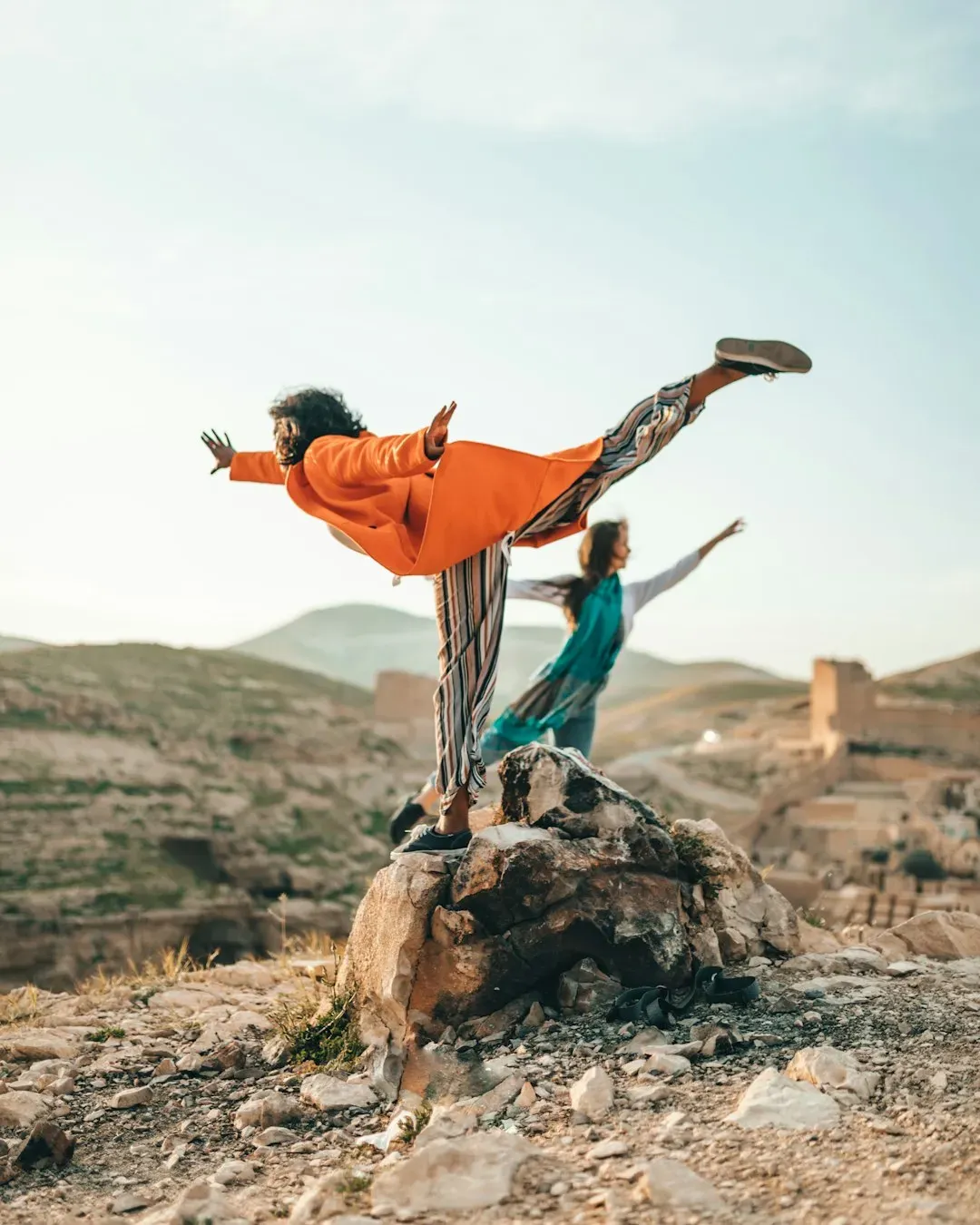
The global wellness tourism market was valued at nearly a trillion US dollars in 2024, and is projected to grow substantially through 2033. The numbers reflect something real: people are no longer reserving rest for after the trip. They want the trip itself to feel restorative.
Wellness tourism revolves around travel experiences designed to enhance physical, mental, and emotional well-being. Unlike traditional vacations centered on leisure, it integrates activities such as spa retreats, yoga and meditation programs, holistic healing, fitness getaways, and therapeutic treatments, encompassing both preventive and curative health experiences. Nearly three in five consumers who traveled for health and wellness treatments in 2024 said they expect to travel for these treatments again in the coming year.
The Digital Nomad Lifestyle Becomes Mainstream
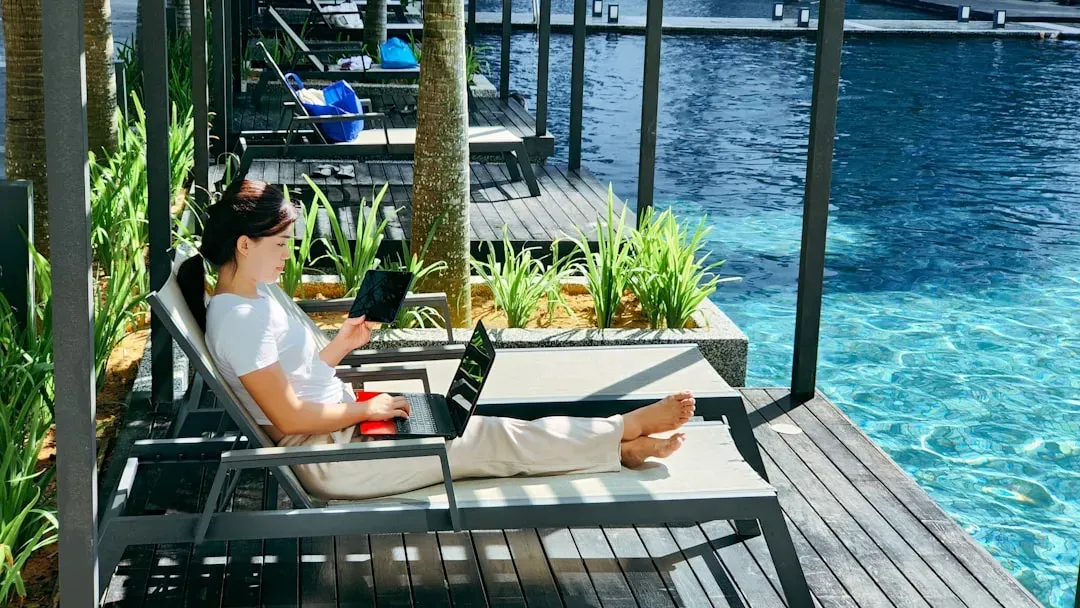
As we move from 2025 into 2026, technology and remote work are transforming how we live and travel. Digital nomadism is shifting from a trend to a permanent feature of the global workforce. The clearest sign of this is who’s doing it: no longer just young freelancers, but mid-career professionals, couples, and families.
Digital nomadism in 2026 is mainstream and more of the norm, with over 40 million people worldwide now identifying as digital nomads, clearly reshaping how global talent moves and works. By 2025, over 70 countries either have digital nomad visa programs live or in the pipeline, turning what was once a bureaucratic hurdle into a broadly available option.
Experience Over Itinerary
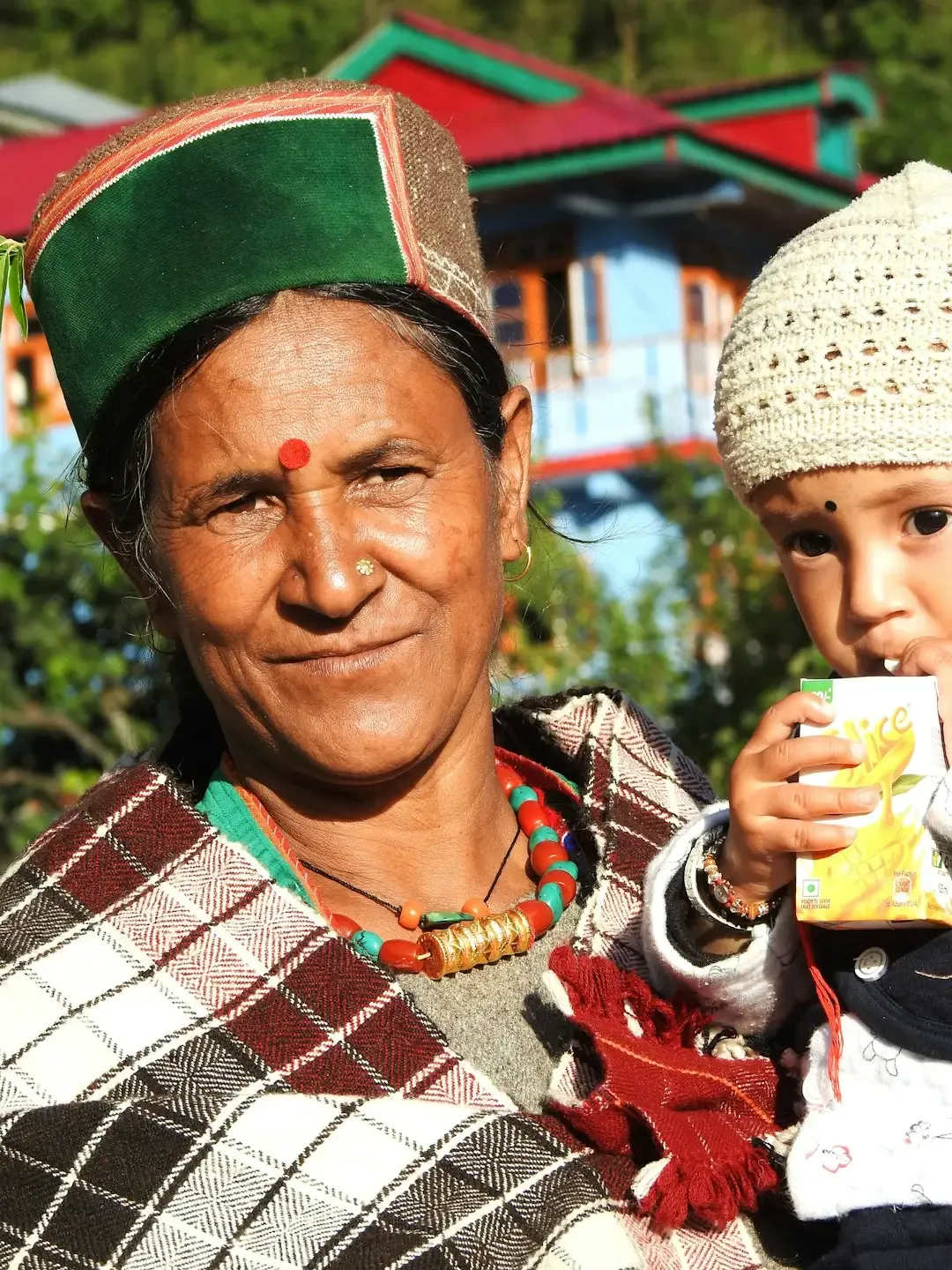
Travel insights show that experiences are king, with food and beverage tours, beach relaxation, cultural exploration, and outdoor adventures topping wish lists. The itinerary-heavy vacation, where every hour was accounted for, has started to feel exhausting rather than exciting to a growing share of travelers.
Travelers from the US booked an average of nearly five tours while on a trip in 2023, up from fewer than three in 2019, showing that the appetite for doing things, not merely seeing places, has grown substantially. Slow travel, with visitors immersing in local culture for a longer period, is expected to remain popular, just as purpose-driven adventures focused on meaningful goals such as wildlife conservation, environmental protection, or preserving traditions. Experience tourism is becoming the norm as travelers want to connect with a place emotionally.
Younger Generations Are Leading the Transformation
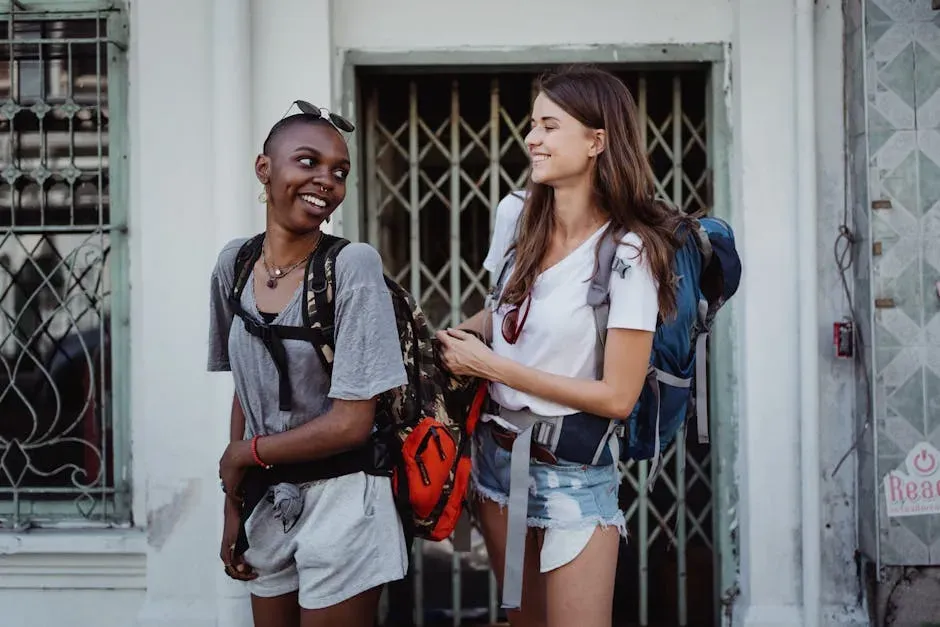
Sixty-six percent of travelers surveyed by McKinsey in 2024 said they are more interested in travel now than before the pandemic. Millennials and Gen Zers are traveling more and spending a higher share of their income on travel than their older counterparts. Their priorities are different from those of previous generations, and the industry is following their lead.
Among Millennials and Gen Z surveyed who extend a milestone trip, nearly half seek to experience the location the way they want, not how a tour operator dictates. Millennials and Gen Z make up the majority of today’s active travel respondents and are driving trends with their appetite for exploration, community, and meaningful experiences. That appetite is structural, not seasonal.
Off-the-Beaten-Path Is No Longer a Niche Choice

The saturation of traditional tourist destinations is leading travelers to explore lesser-known places. Instead of Paris or New York, cities such as Tbilisi in Georgia, Luang Prabang in Laos, and Medellin in Colombia are emerging as new points of interest, offering a combination of culture, history, and unique landscapes away from the crowds.
The appeal of emerging destinations lies in their authenticity. By avoiding traditional routes, travelers can enjoy more genuine and personalized experiences, as well as contribute to tourism development in less visited regions. Data from slow travel operators shows that well over half of nights booked are now in non-hotspot destinations, a figure that would have been unthinkable a decade ago.
Bleisure and the Blurring of Work and Travel

Remote work and changing work dynamics have led to the rise of bleisure travel, a mix of business and leisure, where professionals take advantage of business travel to extend their stay and explore the destination, combining meetings and conferences with sightseeing and personal time. This hybrid approach has made the concept of a “work trip” feel far more layered than it once was.
Interest in remote work has taken off, especially among European Gen Z travelers, where there was a notable spike between early and mid-2024. The shift to remote and hybrid work models, accelerated by the pandemic, changed the workplace landscape, with more companies embracing flexible work environments that allow employees to work from anywhere, letting professionals swap the office for inspiring locations. The boundary between a work week and a travel experience has never been thinner.
Sustainability Is Shaping Where and How People Go
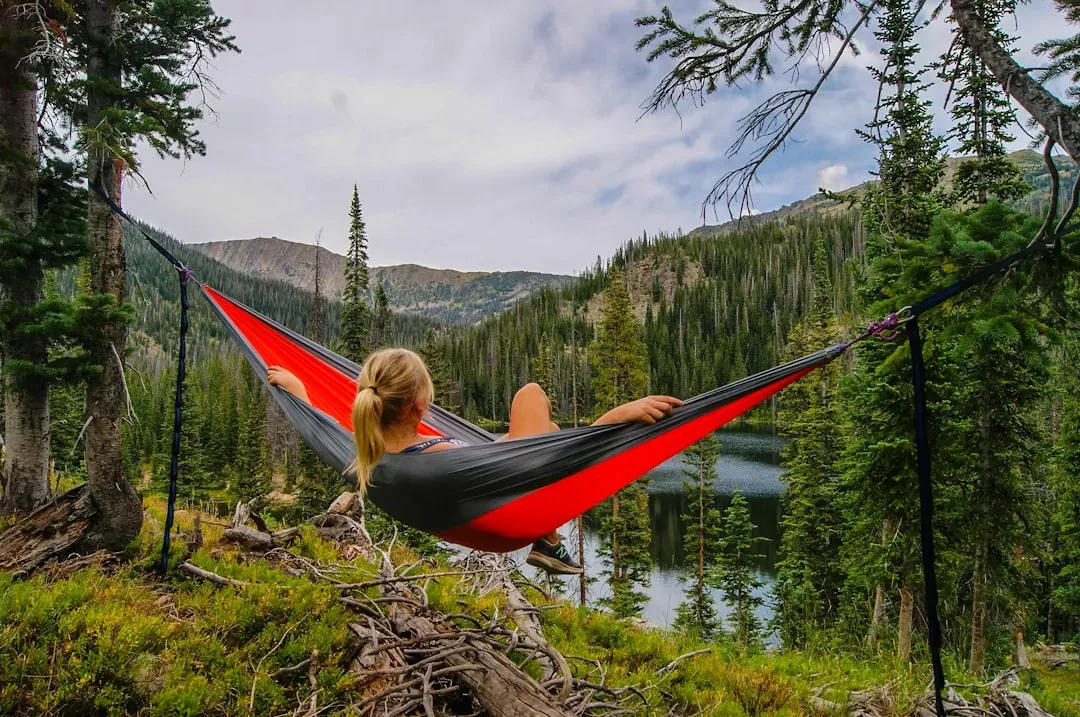
Roughly seven in ten travelers seek companies offering sustainable options. Research shows that more than a third are willing to pay a significant premium for greener flights, while a sizable portion are prepared to pay considerably more for eco-friendly lodgings. These are not fringe preferences anymore, they reflect a broad shift in what people consider a worthwhile trip.
Rather than travelling at any cost, consumers are slowing down and travelling more meaningfully, even if that means they travel less often. Slow travel is being woven into more mainstream options, empowering consumers to travel better. The sustainability of nomadic lifestyles is also under greater scrutiny, with many travelers responding by choosing longer stays in fewer destinations and prioritizing overland travel when possible.
What This Means for the Future of Exploration
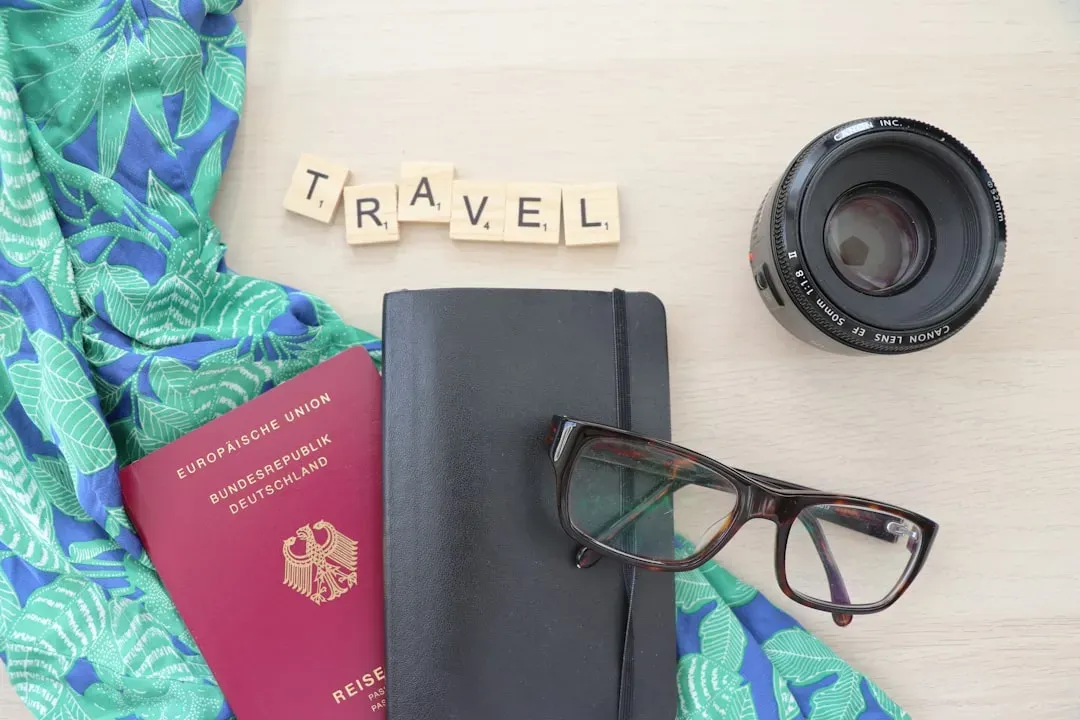
Modern travelers are seeking more than relaxation. They want connection, alignment, and impact. That single sentence might be the clearest summary of what lifestyle travel actually is. It’s travel with intention, shaped around who you are rather than what you’re expected to see.
Travel has become more purpose-driven, and when a trip has purpose, the spending that goes towards it becomes more meaningful. This mindset is driving up value and is expected to lift the market into a more equitable and sustainable future. The most significant change isn’t in destinations or technology. It’s in the reason people leave home in the first place, and what they hope to carry back with them.