The “Smart Buyer” Mistake: 8 Things That Secretly Lower Your Home’s Value
You did your research. You bought in a good neighborhood, updated the kitchen, maybe added a few personal touches you were proud of. You played it smart – or so you thought. The uncomfortable truth is that some of the most well-intentioned home decisions quietly chip away at your property’s value, often in ways that don’t show up until the worst possible moment: right before you try to sell.
The real estate market in 2026 is demanding and unforgiving. Buyers are savvier, appraisers are stricter, and the margin for error is thinner than ever. So before you pat yourself on the back for being a “smart buyer,” take a hard look at this list. Some of these might surprise you. Let’s dive in.
1. Over-Personalizing Your Interiors With Trendy Design Choices
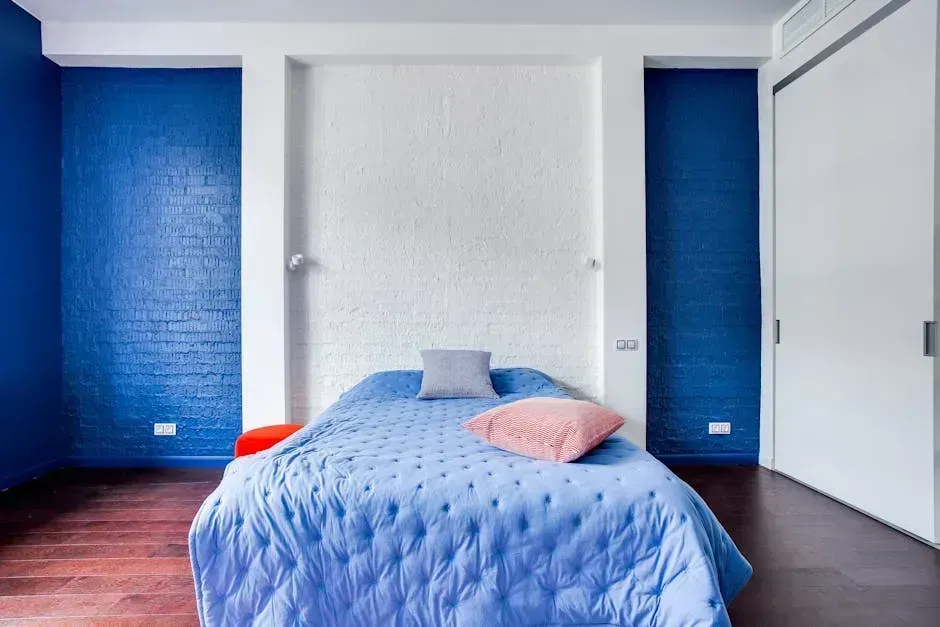
Here’s the thing about that bold wallpaper you spent weeks choosing – you love it, your guests admire it, and your future buyer might absolutely hate it. Many homes incorporate bold wallpaper, intricate tile, or mid-century furniture, but these can be a “love it or hate it” proposition for buyers. Trends tend to go out of style fast, and if your home stays on the market long enough for that trend to fade, these features can make the whole place look dated.
Wallpaper is highly personal, and a pattern that appeals to you may not appeal to a wide range of buyers. Most real estate agents recommend removing wallpaper before selling to create a neutral interior with mass appeal. Think of it this way: your home needs to look like a blank canvas, not a finished painting. The more it reflects only your taste, the smaller your buyer pool becomes.
2. Converting Your Garage Into Living Space
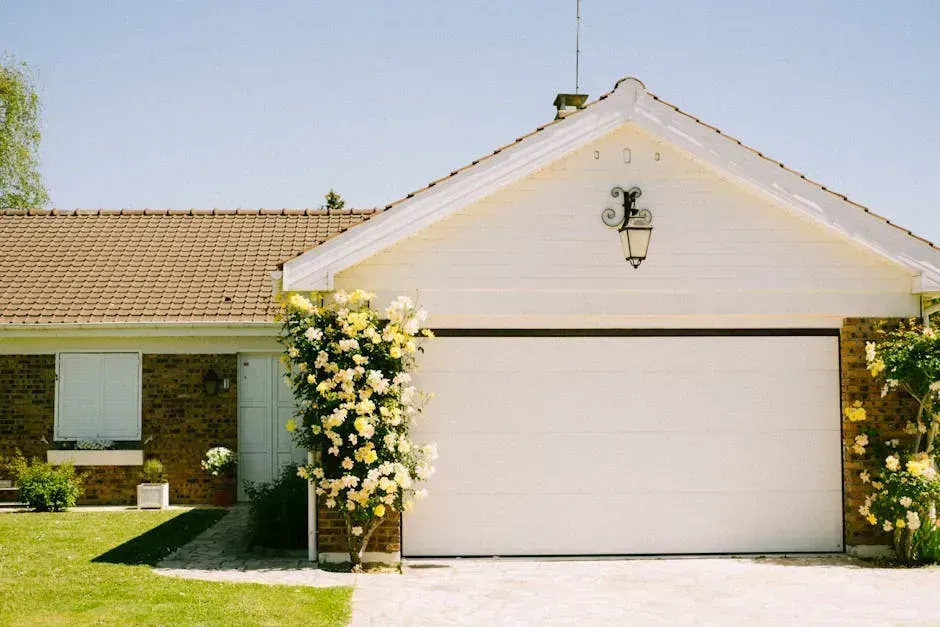
It sounds like a genius move. You’re not using that garage for cars anyway, so why not turn it into a home gym, a bedroom, or a studio? The problem is that most buyers don’t see it that way. On average, homeowners spend around $10,000 to convert their garage into a living space, but this home improvement does not add value. Most buyers prefer a functional garage to an extended living area.
In a recent survey by the National Association of Home Builders, roughly a quarter of homeowners rated garage storage as “essential” while more than half rated it as “desirable.” Certain markets put much higher value on garage space, so a home without a garage becomes much harder to sell. Depending on where you live, there may also be tight restrictions on converting garages to living spaces. You could end up spending thousands and actually shrinking your buyer pool.
3. Renovating Without Pulling the Proper Permits
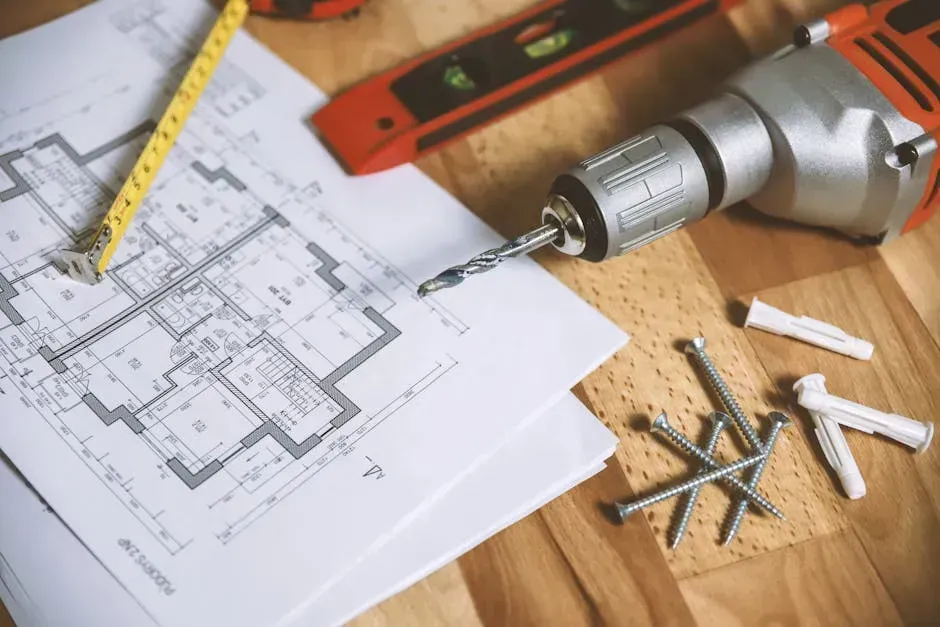
This one is genuinely alarming, and honestly, more common than most homeowners realize. You finish the basement, add a bathroom, or wire an extra room – all without pulling permits. It feels fine at the time. Then comes the appraisal. Appraisers will not count unpermitted additions as part of a home’s square footage, which can cause the appraisal to come in low. For instance, if one of the rooms in a four-bedroom home is unpermitted, the appraiser might only view it as a three-bedroom home and might not give that extra room any value.
Without proper approval, unpermitted changes can be unsafe, cause legal complications, and reduce the property’s fair market value. If an inspector finds unpermitted work, you may need to get the necessary permits, pay fines, or even demolish unapproved work. Meanwhile, home insurers may refuse to cover the home, and lenders may refuse to finance it. It’s a paperwork shortcut that can turn into a legal and financial nightmare years down the road.
4. Installing a Luxury Kitchen in a Mid-Range Home
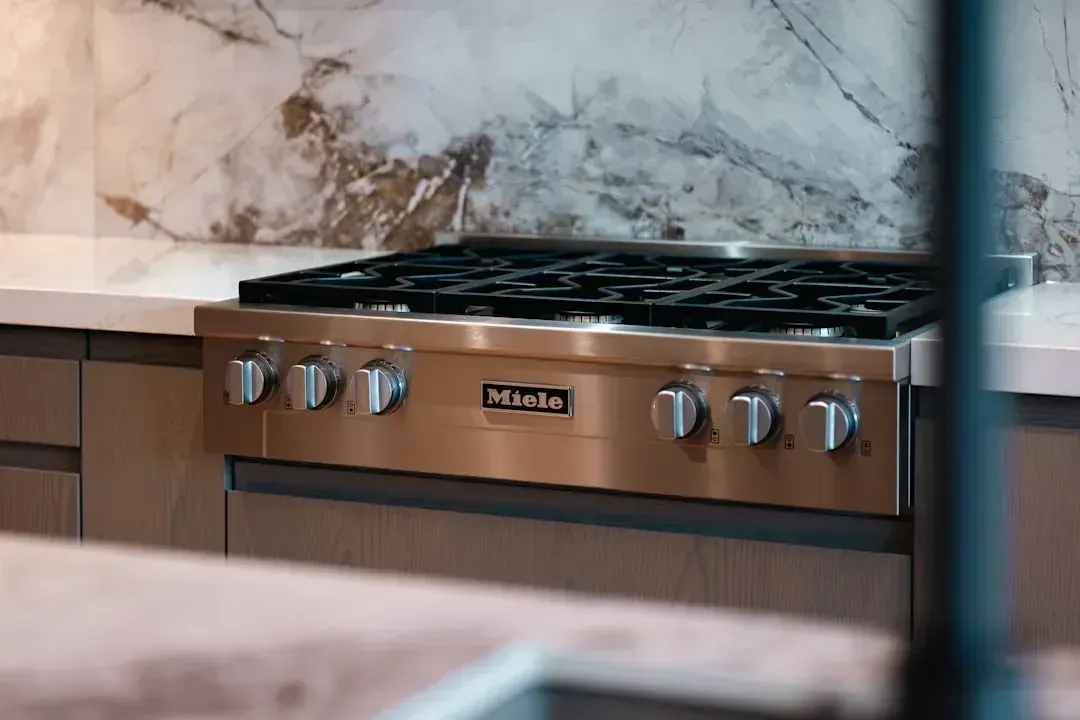
Kitchen renovations are almost always a good idea – up to a point. Beyond that point, you’re basically throwing money into a room that the market simply won’t reward you for. Buyers like nice kitchens, including new countertops and new appliances. However, they are not likely willing to pay for high-end improvements in the average home. Avoid spending too much on new appliances, cabinetry, and countertops.
The local property market is one of the most important considerations when planning home improvements. Even high-quality renovations can fail to add value if they push your property above the ceiling price for your area. The ceiling price is the maximum price buyers will pay for a home in your location, regardless of its features. Over-investing can lead to losing money in the long run. A chef’s kitchen in a starter-home neighborhood is like putting a sports car engine in a family sedan – impressive in theory, irrelevant to the buyer in front of you.
5. Removing the Only Bathtub in the House
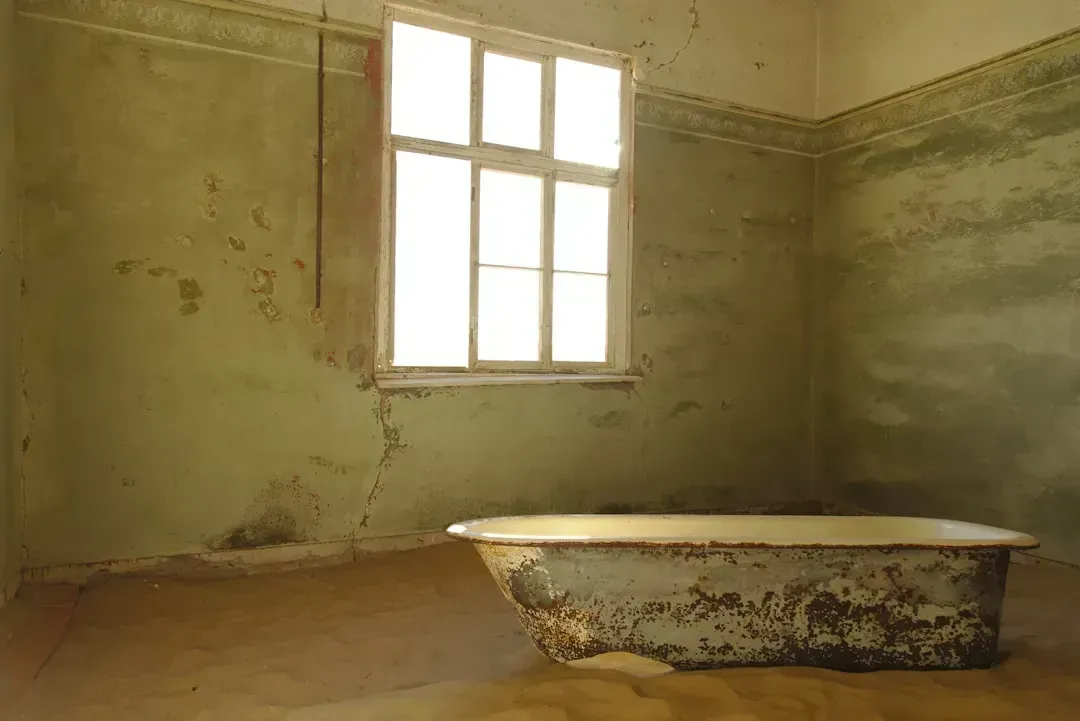
Walk-in showers are sleek, modern, and genuinely appealing. Ripping out your single bathtub to install one, though, is a move that can quietly cost you at resale – especially in family-heavy neighborhoods. It all comes down to how many bathrooms are in the home. If there’s only one, removing the bathtub will take your home from a full bath to a three-quarter bath, decreasing the home’s value. This is also less desirable for potential buyers.
According to a study by the National Association of Home Builders, over half of home buyers prefer a master bath with both a bathtub and a shower as opposed to just a shower stall. If you’re thinking of selling in the future, it’s worth keeping at least one bathtub in good condition. If your neighborhood attracts many young families, removing the tub could indeed lower your home’s resale value. The nuance here matters enormously – context is everything.
6. Going Overboard With Elaborate Outdoor Landscaping
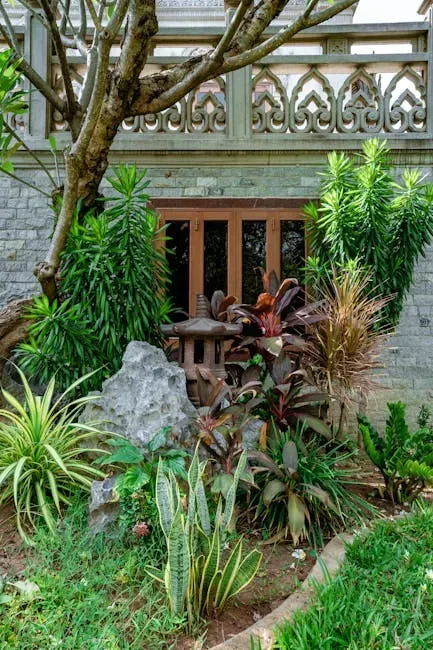
A tidy, welcoming yard is a genuine asset. A koi pond, a custom fountain, an intricate stone garden, and tiered flower beds maintained by a professional crew – that’s a different story entirely. Going overboard with elaborate landscaping or high-end outdoor additions like fountains, koi ponds, or deck remodels with custom stonework rarely offers a good return on investment. These upgrades can be costly to maintain, and may be seen as burdens rather than benefits. Most potential buyers prioritize low-maintenance yards that are easy to personalize.
According to the National Association of Realtors’ outdoor remodeling impact report, a dry stacked fire feature with gas burners and a small flagstone patio would cost about $9,000 but only recover about $5,000, a cost recovery of just 56%. I think this surprises a lot of people. The outdoor features that feel like an obvious luxury to the current owner can look like a maintenance burden to a prospective buyer. Keep it clean and manageable, not elaborate.
7. Replacing High-End Fixtures With Even More Expensive Ones
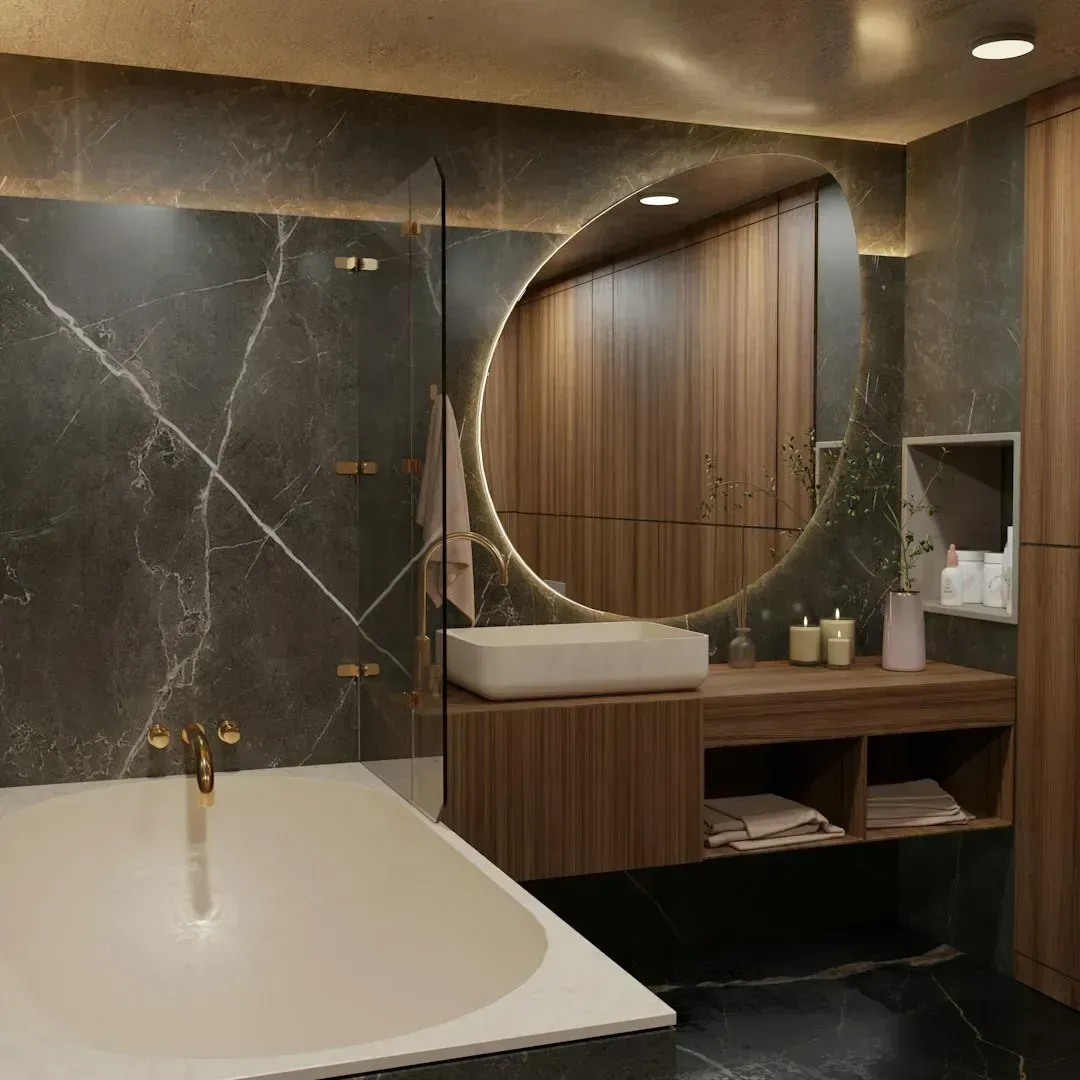
It’s tempting to think that upgrading your home’s fixtures is always a win. Custom faucets, designer ceiling fans, statement lighting – it all sounds like it adds polish and sophistication. Although they may upgrade the look of a home, replacing current fixtures with expensive, high-end alternatives is a home improvement that doesn’t add value. Installing custom faucets, ceiling fans, or lighting fixtures may elevate a room, but these improvements won’t increase your home’s value enough to cover the cost to purchase and install them. Potential buyers won’t pay more for a home just for high-end fixtures.
The average American household spent $9,322 on home improvement projects in 2024, according to Angi’s annual State of Home Spending report. A significant chunk of that money likely went into upgrades that buyers simply took for granted – or didn’t notice at all. Homeowners tend to splurge on high-end materials and finishes based on their personal preferences. When buyers tour the home, they view the luxury upgrade as a “nice to have” rather than an essential feature. Save the extravagance for your forever home, not the one you plan to sell.
8. Choosing Bold, Non-Neutral Paint Colors Throughout the Home
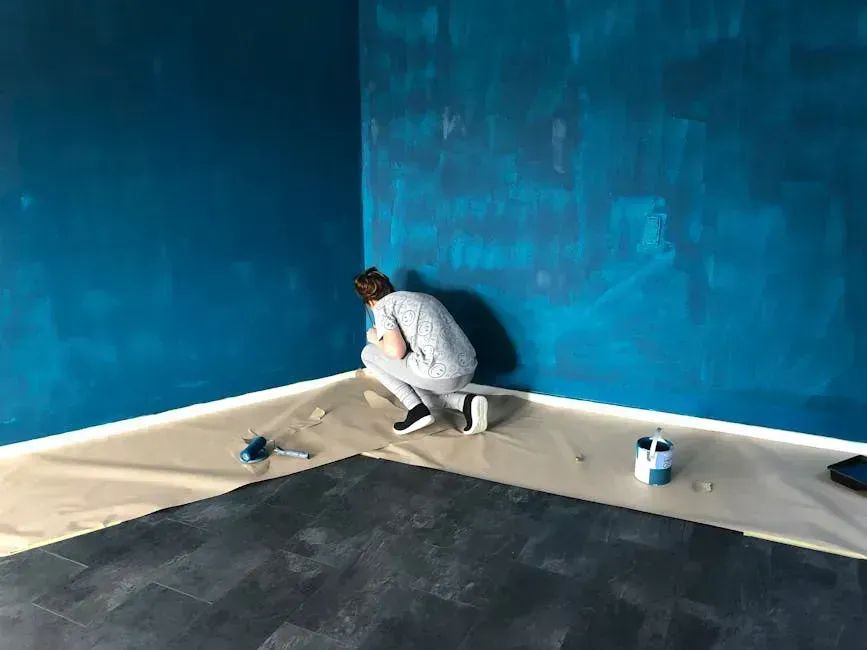
Paint is cheap. Repainting is also cheap. So why does paint color matter so much at resale? Because buyers form emotional impressions within seconds, and a room painted in a deep burgundy or bright cobalt forces them to mentally commit to repainting before they’ve even opened a closet. Exterior paint that’s faded, cracked or peeling is a big turnoff. Another negative is painting your home an offbeat color. Buyers favor neutral colors like gray, white, cream and beige.
While you may be tempted to go bold with a paint color, it’s best to play it safe when getting ready to sell. According to Zillow, dark colors may leave buyers cold. Instead, go with neutral and lighter tones that won’t bother potential buyers or hurt your home’s value. Repainting walls in neutral colors creates a blank slate for homebuyers and can make your home look modern and move-in ready. It’s one of the simplest, most affordable things you can do – and one of the most commonly overlooked.
The uncomfortable irony of all of this is that most of these mistakes come from a place of genuine enthusiasm and investment in the home. People want to make it theirs. They want to improve it. That impulse is good – the execution is where things go sideways. The smartest thing a homeowner can do is think like a future buyer before every significant renovation decision, not after. Your taste is valid. It’s just not always a financial asset.
What do you think – have you made any of these moves in your own home? It might be worth taking stock before the “For Sale” sign goes up.