10 Once-Popular Home Trends Buyers Now Avoid at All Costs
Home design has a funny way of aging fast. What looked stunning in a listing photo five years ago can feel like a renovation warning sign today. Tastes shift, lifestyles evolve, and suddenly the feature you spent thousands installing is the exact thing making buyers walk out the door without making an offer.
In a market where every detail counts, sellers need to know which trends are quietly dragging down their home’s perceived value. Some of these were once considered luxury upgrades. Others dominated Pinterest boards and HGTV for years. Today, real estate agents consistently flag them as problems. Here’s what’s fallen from grace, and why buyers are avoiding these features at all costs. Let’s dive in.
1. All-Gray Interiors
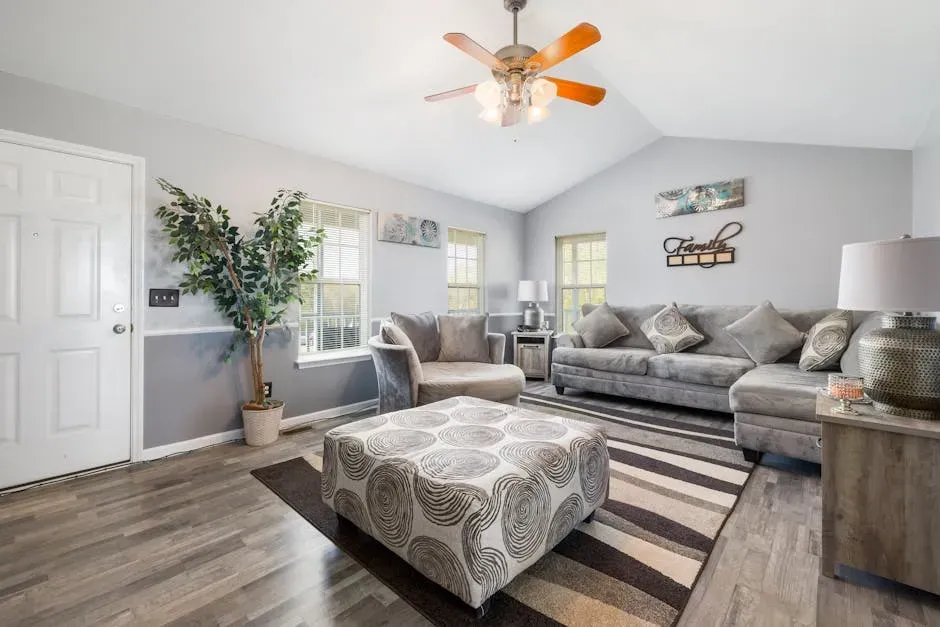
The all-gray interior had a long run as the dominant neutral palette across countless homes throughout the previous decade. Buyers today increasingly find gray schemes cold and unwelcoming compared to warmer-toned alternatives now trending in the market. Think about it like wearing a gray suit every single day, including on weekends. It stops feeling modern and just starts feeling tired.
Real estate agents frequently note that gray-saturated homes sit longer on the market in many regions. The trend has aged quickly enough that it now signals a home in need of cosmetic updating rather than one that feels move-in ready. Buyers now prefer warm neutrals like soft beiges, taupes, and earthy tones, since natural wood finishes and subtle color variation help homes feel more inviting and easier to imagine living in.
2. Open Kitchen Shelving
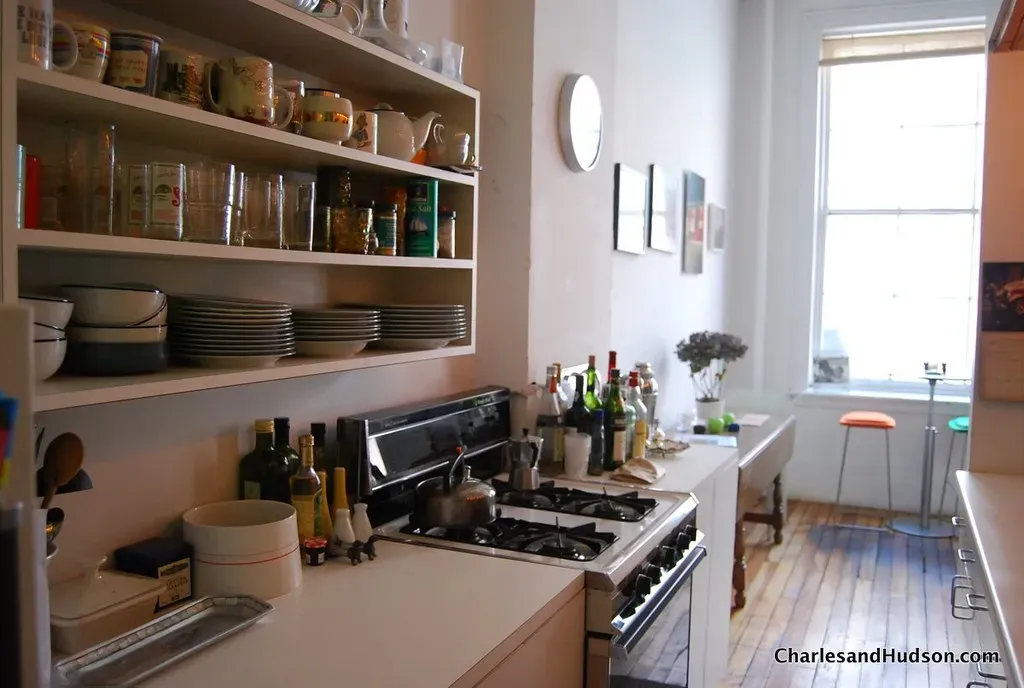
Open shelving replaced upper cabinetry in thousands of kitchens inspired by magazine-perfect styling and minimalist aesthetics. In practice, most buyers immediately calculate the storage they are losing and the daily effort required to keep the shelves looking presentable. Dust, grease, and visual clutter accumulate quickly on open displays, making the kitchen feel harder to maintain than a traditional layout.
Families with children or busy lifestyles find the concept particularly impractical compared to the functionality of closed cabinetry. What photographs beautifully in a staged home often becomes a daily frustration for real occupants. Honestly, it’s the home design equivalent of a white couch. It looks dreamy in a showroom and exhausting in real life.
3. The Full Farmhouse Aesthetic
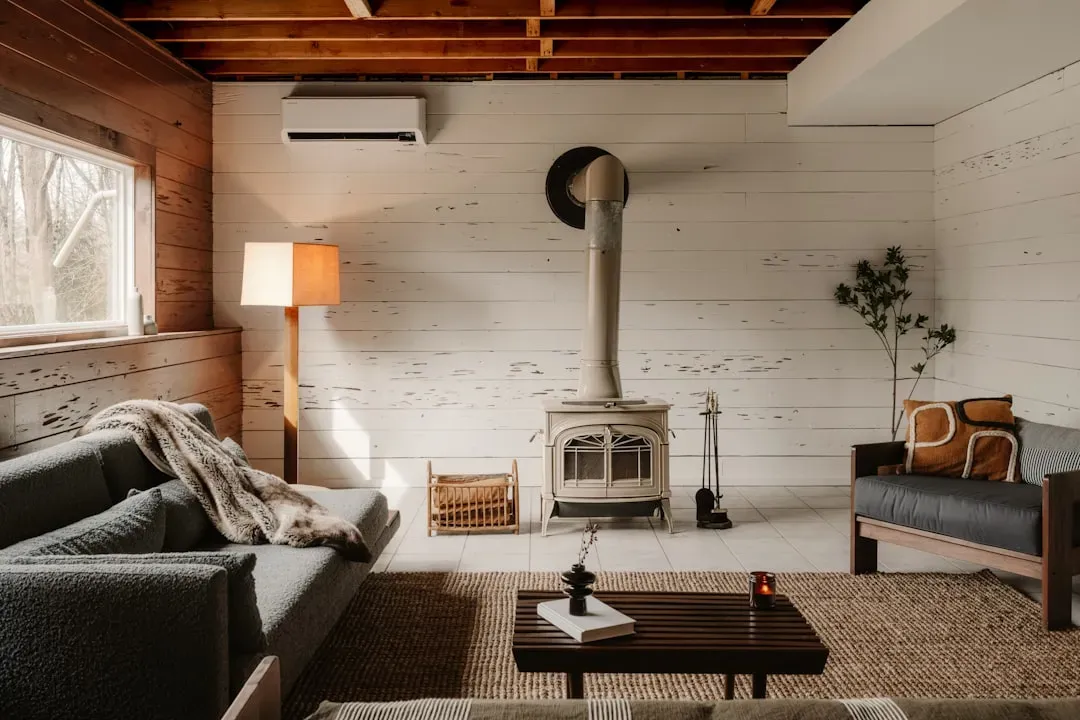
The farmhouse trend was all the rage in the 2010s. However, when the home is too rustic or shabby-chic, with sliding farm doors, shiplap walls, lots of wood elements, matching furniture, and apron sinks, it really dates the space. Shiplap, once the darling of DIY remodels, now feels busy and overdone.
Barn doors don’t offer much privacy or sound control, and buyers are noticing. Buyers now prefer pocket doors, traditional hinged doors, or modern sliding options that blend better with the architecture of the home. The full farmhouse package, all of it together, registers as a renovation project rather than a selling point for most buyers touring homes in 2026.
4. Jetted and Jacuzzi Tubs
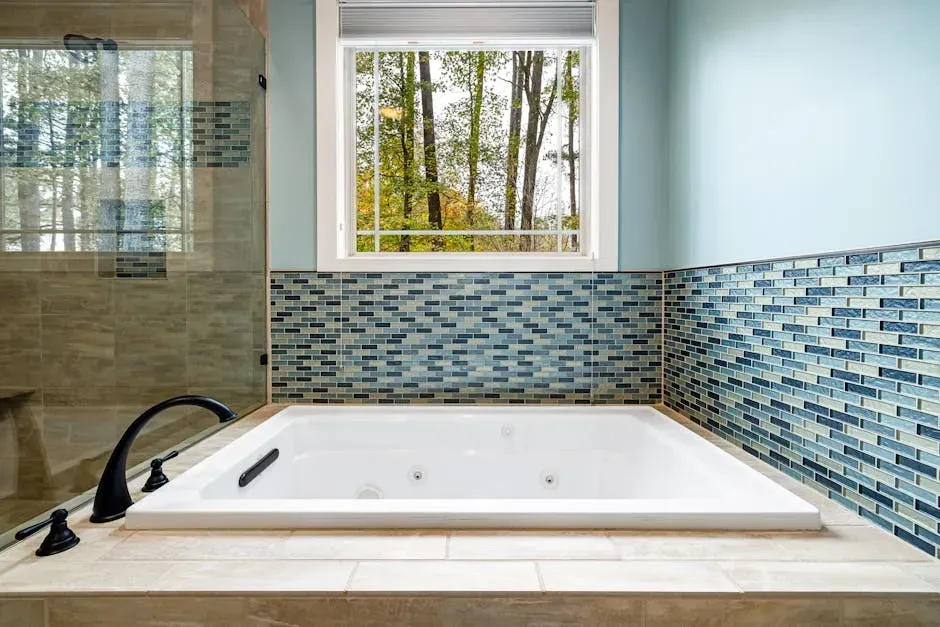
Large jetted tubs once symbolized luxury, but many buyers now consider them impractical. They consume significant space and require extensive cleaning because the jets can accumulate bacteria. They also increase water and energy usage compared to standard tubs. Nobody wants to inherit a spa feature that needs a science degree to clean properly.
Real estate agents report that homeowners often remove them in favor of large walk-in showers, which better match current bathroom trends. Two trends that will seriously date your home are small 12×12 tiles lining your bathroom floor, walls, and shower, along with space-gobbling jacuzzi tubs. The bathroom upgrade that once added value is now the first thing buyers mentally budget to rip out.
5. Popcorn Ceilings
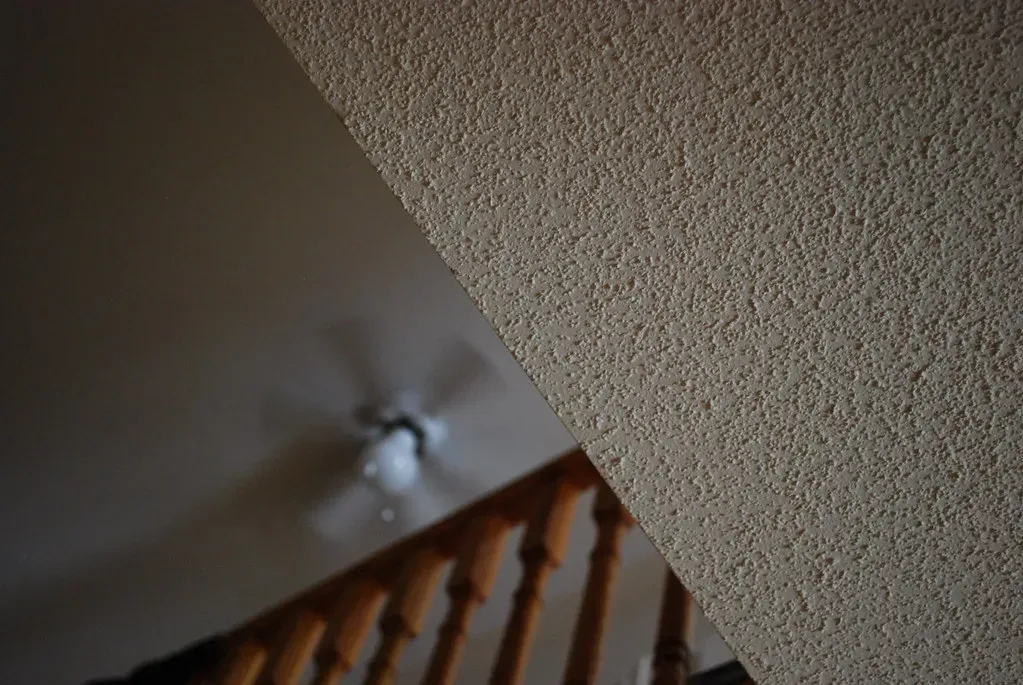
Popcorn ceilings are one of the most consistently cited cosmetic deterrents in residential real estate across all price points. The textured finish was widely applied through several decades primarily for its acoustic properties and low application cost. Buyers today associate the surface with aging homes, and the additional concern around asbestos in older applications raises inspection flags.
The removal process is messy, time-consuming, and often requires professional labor, which buyers typically deduct from their offer. A smooth ceiling finish is now considered a baseline expectation rather than an upgrade in most markets. It’s one of those things where the cost of removal feels disproportionately annoying relative to how simple the fix actually is.
6. Polished Brass Fixtures
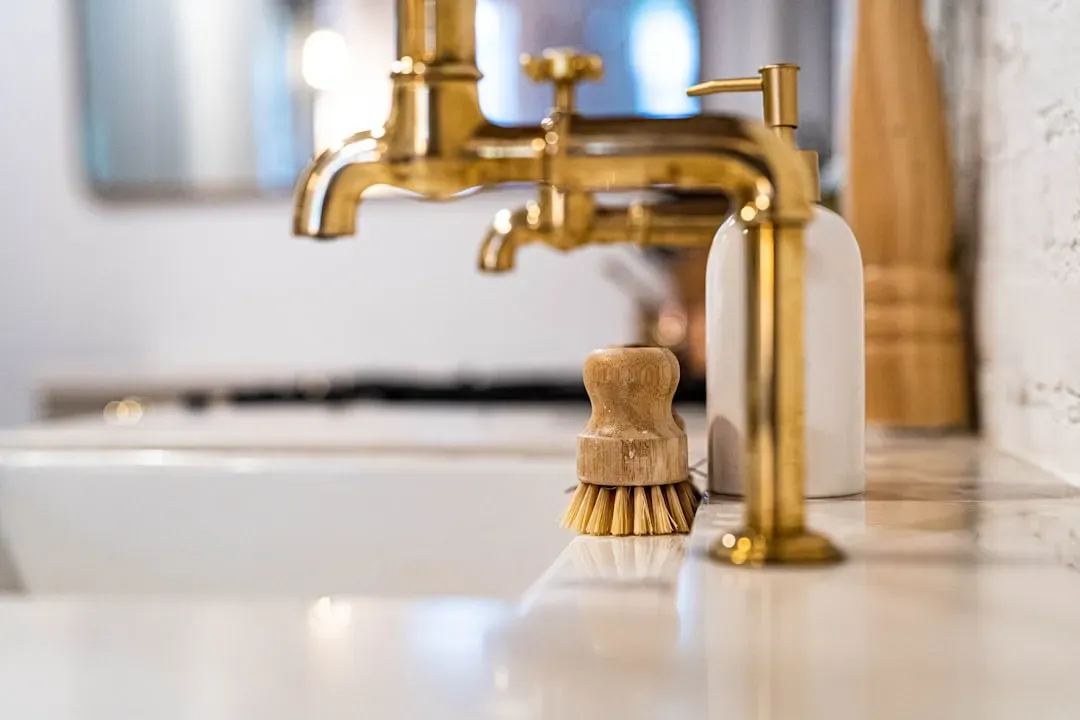
Bright brass faucets, lighting, and door hardware were popular in the 1990s but are now seen as dated. Surveys from design professionals show that buyers overwhelmingly prefer brushed nickel, matte black, or stainless finishes because they match modern appliances and cabinet styles. Brass fixtures can make a recently renovated home look older than it is, reducing perceived value.
Here’s the thing: there is a version of brass making a comeback, but it looks completely different. Brass metals are making a comeback, but the last run featured shiny, polished brass that coated kitchens and bathrooms in the 1980s and 1990s. The more modern look is brushed gold or unlacquered brass, which are less shiny and more smudge-proof than past iterations. The old polished version? Still a dealbreaker for most buyers.
7. Granite Countertops
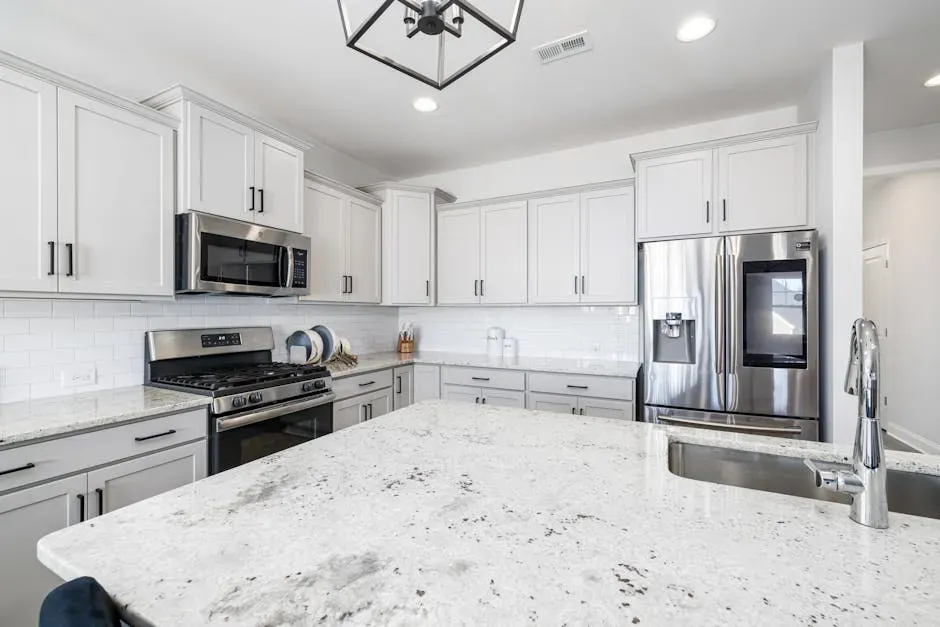
For decades, granite was the undisputed king of kitchen renovations, but its reign has officially ended. Buyers are now rejecting the busy, speckled look of granite in favor of cleaner, lower-maintenance materials that fit modern aesthetics. The requirement to seal natural stone annually is a chore that today’s low-maintenance homeowner is happy to leave behind.
The industry numbers show a dramatic shift in kitchen design preferences. The National Kitchen and Bath Association’s 2026 forecast reported that the vast majority of professionals now favor quartz for its durability and consistency. It’s a bit of a shock, actually. Granite was the gold standard for so long that it felt permanent. Turns out nothing in home design ever really is.
8. Industrial Style Interiors
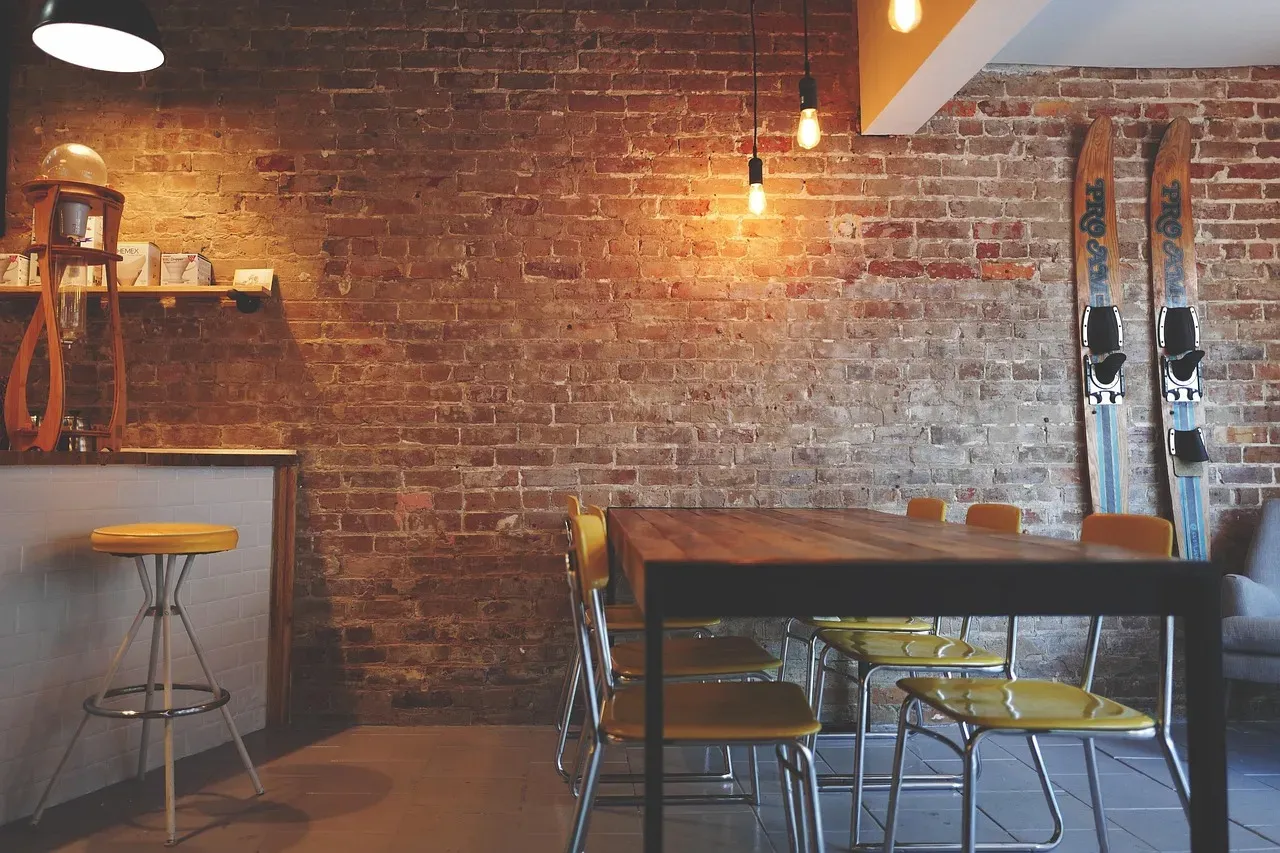
One trend that’s slowly fading away is the industrial style. While it had its moment, the harshness of exposed pipes and rough concrete finishes is becoming less appealing. Exposed brick, metal fixtures, and utilitarian design were once a popular look, but industrial décor is being phased out in favor of more personalized, softer spaces. Industrial décor can seem stark and cold, and warmer homes are the name of the game right now.
Think of it this way: the loft-factory look was thrilling when it felt rebellious. Now that nearly every bar, coffee shop, and rental apartment adopted it, the aesthetic lost its edge completely. According to a new design outlook report from the luxury brokerage Engel and Völkers, homes in 2026 are expected to do much more than look beautiful, with design choices increasingly centered on well-being, comfort, and creating spaces that reflect how people truly live. Industrial design scores low on all three.
9. Vestigial Formal Dining Rooms
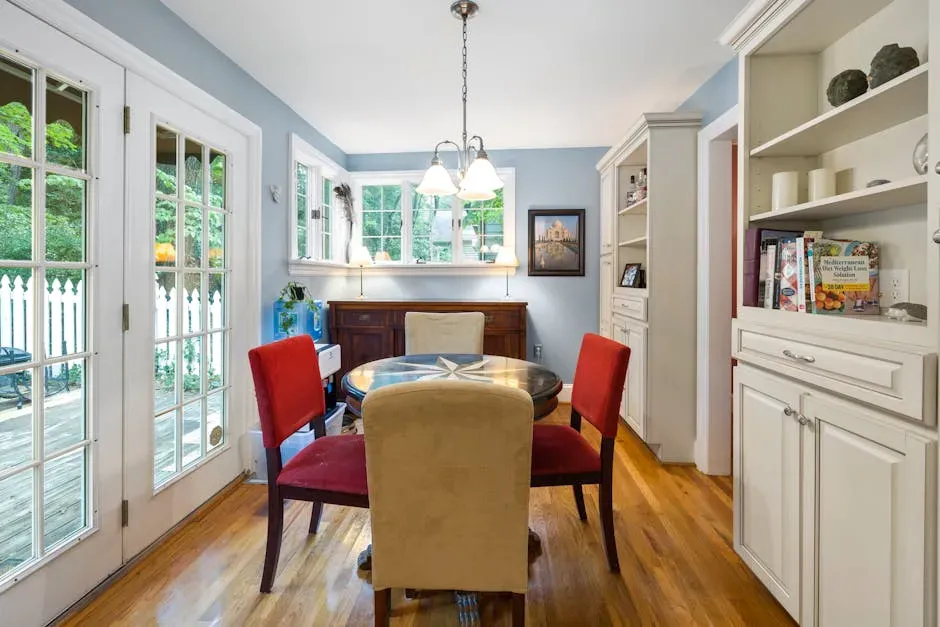
A trend report released by Realtor.com in late 2025 revealed that listings featuring formal dining rooms with built-ins saw a roughly one-quarter year-over-year decline, signaling a massive drop in buyer interest. People are choosing multifunctional layouts over stiff, traditional floor plans. Most buyers today want a space that can be a dining area on Sunday and a homework station on Monday.
Home buyers are embracing smaller, cozier spaces for affordability and sustainability, and rejecting cavernous open floor plans and pandemic-era needs for more and more space, according to Zillow’s home trends expert. The rigidly formal dining room sits awkwardly in between: too dedicated a space for modern flexibility, yet not quite the grand statement it once was. Design trends that sell best are the ones that balance style, function, and livability, and there’s a clear shift in what today’s buyers value.
10. Vessel Sinks and Over-Personalized Bathroom Features
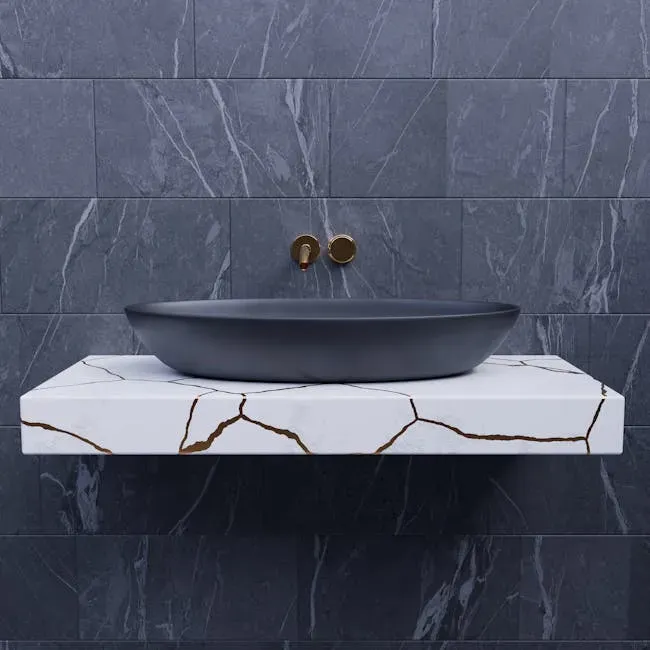
Bowl-style basin vessel sinks sitting atop vanity counters were once considered the height of modern bathroom luxury. Practicality issues such as splashing water and difficult cleaning around the base have made them less desirable for daily use. Families with small children often find the height of the bowl makes the sink inaccessible and harder to maintain. Many renovations now favor undermount sinks for their sleek look and ease of cleaning.
Many features that once defined stylish American homes have rapidly fallen out of favor with modern buyers. Changing lifestyles, maintenance costs, and updated building standards mean that design trends from the 80s, 90s, and early 2000s no longer match what today’s buyers want. The vessel sink is a perfect symbol of that gap: chosen for drama, abandoned for the daily reality of wiping water stains off a pedestal base twice a day.
The through-line connecting all ten of these trends is surprisingly simple. Buyers in 2026 are prioritizing ease, warmth, and flexibility over statement-making. Trends in real estate are moving away from excess and toward a highly functional form of simplicity. Buyers are no longer impressed by features that look expensive but add chores to their weekend to-do lists. If you’re preparing to sell, or just protecting your investment, that shift is worth taking seriously. The real question is: how many of these trends are sitting quietly in your own home right now?