Avoid These 10 “Normal” Behaviors That Instantly Make People Judge You
We all think we’re pretty self-aware. We know when we’re being rude, we know when we’re out of line – or at least, we like to think so. The uncomfortable truth is that some of the most judgment-triggering behaviors out there feel completely ordinary to the person doing them. They’re habits so deeply embedded in everyday life that nobody stops to question them anymore.
Here’s the thing: other people’s brains are working against you faster than you realize. It takes just one-tenth of a second for people to judge someone and make a first impression. That’s not even enough time to say hello. So if you’re walking through life doing any of these ten things, you may already be losing the room before the conversation even starts. Let’s dive in.
1. Staring at Your Phone While Someone Is Talking to You
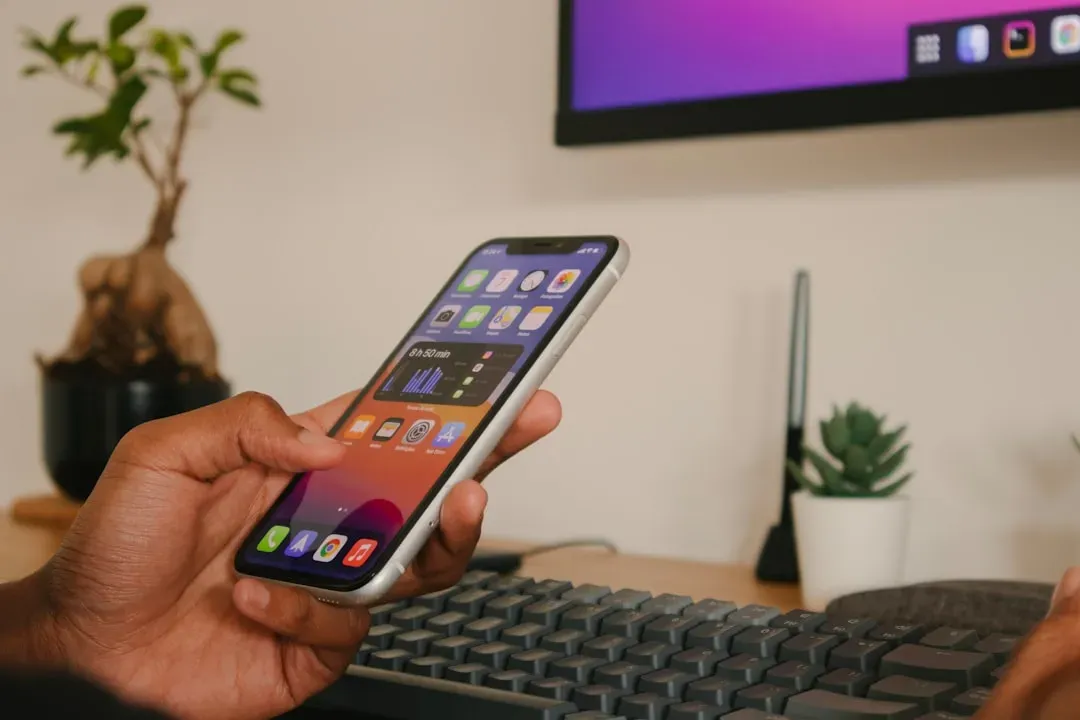
Let’s be real – nearly everyone does this. You’re at lunch with a friend, a notification pops up, and your eyes drift down for “just a second.” Feels harmless. It isn’t. Research shows that phubbing – using your phone in the presence of others – created a perception that the person engaging in this behavior was rude, lacking manners, disrespectful, and perceived as not wanting to be in the company of others. That’s a heavy price for a quick scroll.
The science backs it up hard. Phone use during a meal led to a modest but noticeable decrease in diners’ enjoyment, with technology at the table causing people to feel more distracted and less socially engaged. People around you notice, even when they say nothing. Even if someone doesn’t say that they don’t like you being on your phone, it doesn’t mean that they don’t think it. Most people aren’t exactly going to be first in line to call someone out right away.
2. Being Chronically Late

A few minutes here, ten minutes there – no big deal, right? Wrong. Chronic lateness is one of those quietly devastating social habits. When someone is repeatedly late, it betrays a lack of respect and consideration for others. Unless there’s a genuinely good excuse, being late sends the message: “My time is more valuable than yours.” People internalize that message fast.
In social situations, consistently arriving late can strain relationships as friends and family might perceive it as a lack of respect or interest, and this repeated behavior can lead to feelings of frustration and even alienation from social circles. Professionally, it gets worse. In professional settings, being late can be even more detrimental, as employers and colleagues might view chronic tardiness as a sign of unreliability or poor time awareness, which can hamper career growth opportunities, missed promotions, and less responsibility.
3. Interrupting People Mid-Sentence

Interrupting someone feels so natural in the moment, especially if you’re excited or think you already know where the conversation is heading. Honestly, it’s one of the most common social sins that people genuinely don’t notice in themselves. The problem is that the person being cut off absolutely notices. It signals that you think your thoughts are more important than theirs – and that’s a fast track to being labeled dismissive or arrogant.
The negativity bias in human judgment is well-documented: when making judgments, people consistently weight the negative aspects of an event or stimulus more heavily than the positive aspects. So that one interruption lands harder than three kind things you said before it. Think of it like a jar of clear water – one drop of ink changes the whole thing instantly.
4. Complaining Constantly

We all need to vent sometimes. That’s human. The trouble is when venting quietly morphs into a permanent personality setting. Negativity can be a draining behavior to be around. No matter what happens, constantly focusing on the negative affects the mood and perspective of everyone nearby. People don’t always tell you you’re exhausting them. They just quietly start showing up less.
Judging others is also bad for health. Passing judgment on others can negatively impact the speaker as well, because the mind is trained to focus only on the negative aspects of a situation, and over time this raises individual stress levels, negatively impacting overall health. The same principle applies in reverse: people around constant complainers absorb that negativity and begin to associate you with stress rather than connection.
5. Making Everything About Yourself

You know the type. Someone shares exciting news, and within two sentences the conversation has somehow pivoted back to them. It happens more than most people realize – including the people doing it. Self-centered behavior is that pattern where someone frequently turns the conversation back to themselves, seeming uninterested in others, or putting their own needs and wants above everyone else’s. It reads as a complete lack of empathy, even when that’s not the intention.
Think of a conversation like a tennis match. Both players are supposed to hit the ball back. If one person just catches every shot and pockets it, the game collapses – and so does people’s patience. This is something that people instinctively react negatively to because it goes against our social nature. Research shows that empathy isn’t just about being nice – it’s linked to our survival as a species. In our early days as humans, being able to understand and share the feelings of our fellow tribe members was essential for cooperation and survival.
6. Avoiding Eye Contact
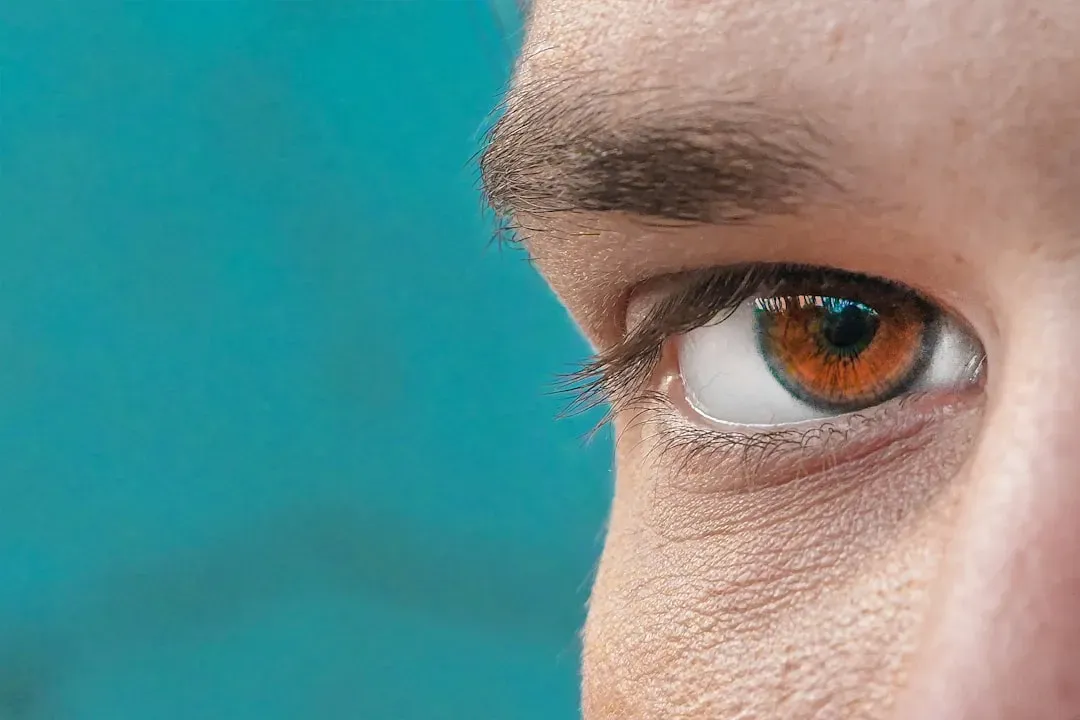
Looking away, glancing at your shoes, staring past someone’s shoulder – these tiny habits send enormous signals. Non-verbal behaviors are particularly important to forming first impressions when meeting someone, with components of social expressivity such as smiling, eyebrow position, emotional expression, and eye contact being especially emphasized. Skipping eye contact reads as disinterest, dishonesty, or anxiety, even when none of those things are true.
Human beings are built to size each other up quickly, and these first impressions are influenced by a number of factors, including facial shape, vocal inflection, attractiveness, and general emotional state. Eye contact is one of the fastest signals your brain reads in another person. It communicates presence, confidence, and engagement all at once. Deny people that signal, and they will fill the gap with their own interpretation – usually not a flattering one.
7. Poor Posture

It seems almost unfair to be judged on how you hold your spine, but here we are. Slouching is something most people do absentmindedly, especially in the age of desk jobs and phone scrolling. Yet the social read on it is remarkably consistent. Straightening one’s posture, leaning in slightly, and giving a firm handshake promotes favorable impression formation. Collapsed posture does the opposite – it signals low confidence, low energy, or disengagement.
After viewing pictures of people, observers were accurate at judging targets’ levels of extraversion, emotional stability, openness, and self-esteem. The combined impression of physical characteristics, body posture, facial expression, and clothing choices lets observers form accurate images of a target’s personality. In other words, your body is broadcasting information whether or not you intended to send it. Make sure what it’s saying is something you actually want people to hear.
8. Using Filler Words Excessively

A well-placed “um” or “like” is barely noticeable. Peppering every other sentence with them is a different story. Excessive filler words instantly make a speaker sound less credible, less prepared, and frankly less intelligent to most listeners – even if none of those things are accurate. It’s an unfair cognitive shortcut, but it’s deeply wired into how we assess competence. It takes a mere seven seconds to make a first impression, and people judge others based on how a person looks and sounds, more so than their explicit verbal statements.
The vocal dimension of a first impression is massively underestimated. People make snap judgments about education level, reliability, and trustworthiness based on speech patterns alone. It’s not about having a perfect accent or sounding rehearsed. It’s about the quiet signals your language patterns send. Any information about a person, from her physical properties to her nonverbal and verbal behaviors, and even the environment she inhabits, influences our impressions and judgments about her.
9. Name-Dropping and Boasting

I think this one fascinates me the most, honestly. People who name-drop or constantly talk about their achievements are almost always trying to be liked more, yet the effect is precisely the opposite. Disingenuous social media posts that make your life seem much better than it is, buying expensive or showy things to impress others, and being overly boastful – these are behaviors people use to try to manage the judgments of others, usually ineffectively.
Narcissists tend to view themselves as confident, agreeable, and friendly, and their high self-esteem may make them seem charming and attractive initially – although this first impression quickly sours. In time, people typically see through to how self-involved and smug they truly are. The irony is brutal. The more loudly someone performs their status, the more suspicious people become. Genuine confidence is quiet. It doesn’t need a press release.
10. Judging Others Out Loud
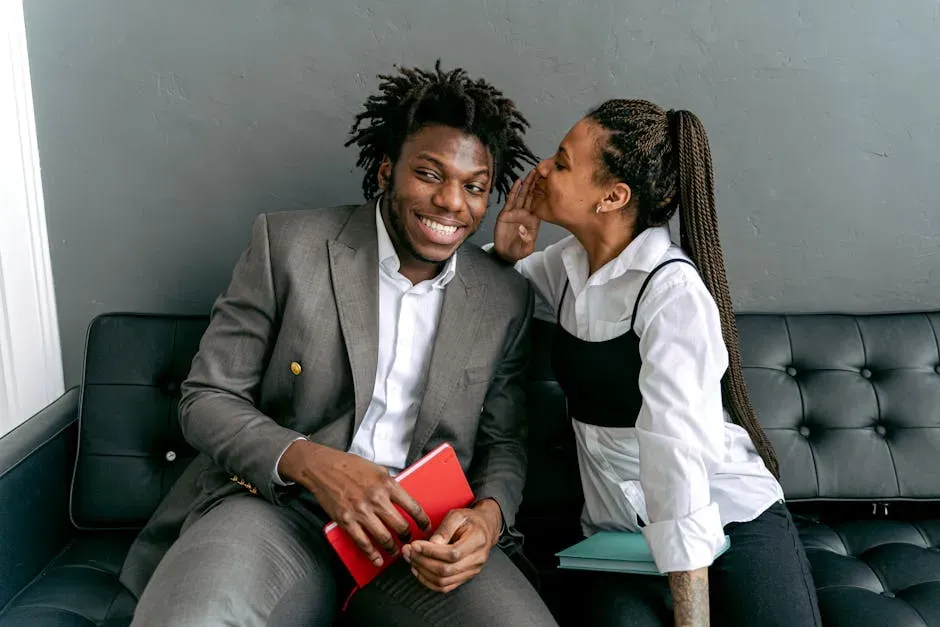
Here’s a behavior so normalized it practically has its own social media genre. Publicly criticizing others – whether it’s gossiping about a coworker, mocking a stranger’s choices, or playing the expert on someone else’s life decisions – feels social and bonding in the moment. The fundamental attribution error happens when we judge others based on their character or inherent traits rather than the situation they are in. For example, if someone arrives late to a meeting, we might quickly assume they are disorganized or disrespectful, without considering other factors. This bias influences our understanding of people’s behaviors, often leading to unfair judgments.
The problem? When you judge others openly, the people around you make a quiet calculation: if this person judges them so easily, they probably judge me the same way. The act of judging others offers insight into the mindset and worldview of the speaker, often indicating a narrowed perspective and a lack of objectivity. As a result, it’s important to gain an awareness of our own behaviors, being intentional about noticing our thoughts – because humans are quick to pass judgment on others, but rarely turn the lens inward to examine their own behavior. Being known as a judge makes you someone people can’t fully trust or relax around.
The Conclusion: Small Habits, Big Consequences

None of the behaviors on this list are dramatic. Nobody on it is shouting insults or throwing chairs. These are quiet, everyday things – habits so common they’ve become invisible. That’s exactly what makes them so powerful. First impressions have been shown to last for months and affect personal judgments even in the presence of contradictory evidence about the individual. Once a perception forms, it has real staying power.
The good news is that awareness is already half the battle. People tend to get attached to their initial impressions of others and find it very difficult to change their opinion, even when presented with lots of evidence to the contrary. As a result, it’s important to be aware of how one comes across to others, and then employ impression management skills to ensure people have a more favorable opinion. You don’t have to be perfect. You just have to be a little more intentional. Which of these habits surprised you the most? Drop your thoughts in the comments – chances are, at least one of these hits closer to home than you expected.