The No-Go List: 8 Popular Islands Travelers Say Disappointed Them
You book the flights months in advance. You save up, pack carefully, maybe even buy a new swimsuit. Then you arrive. The beach is wall-to-wall sunbeds, the air smells faintly of exhaust fumes, and the cocktail you just ordered costs more than your dinner back home. Sound familiar? It turns out, some of the world’s most Instagrammed islands are quietly breaking travelers’ hearts, one overpriced sunset at a time.
From Greece to Southeast Asia to the Caribbean, a growing number of tourists are coming home from dream destinations feeling cheated, overwhelmed, and honestly just tired. The gap between expectation and reality has never been wider. So which islands are ending up on the no-go list? Let’s find out.
1. Mykonos, Greece – When the Party Eclipses the Paradise
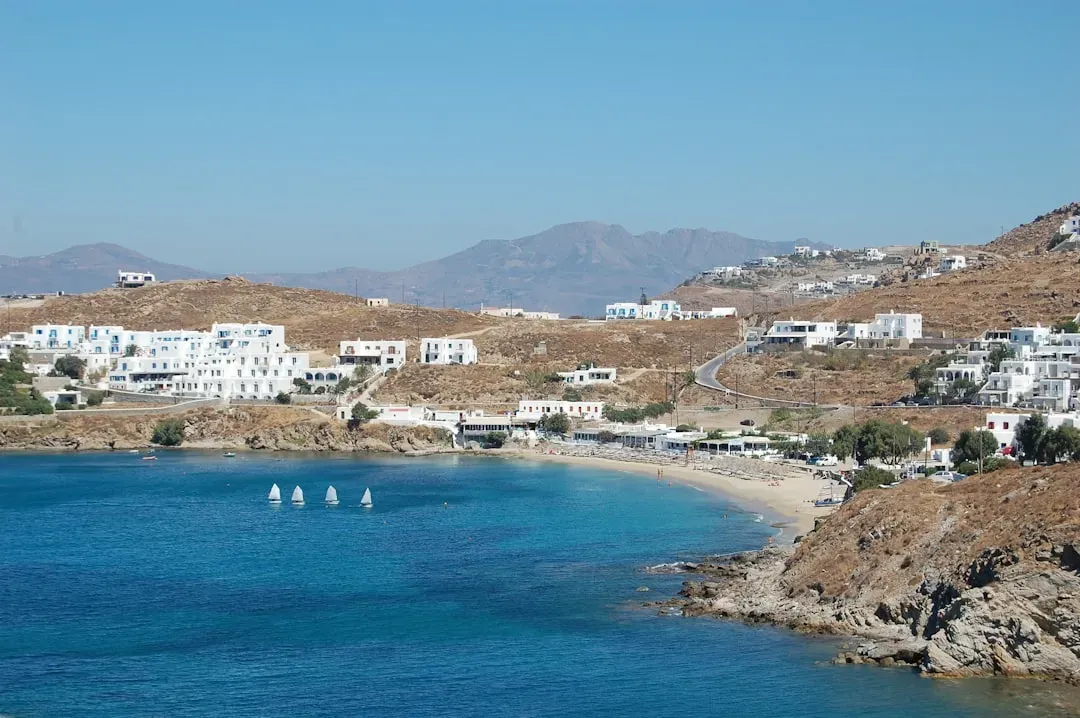
There was a time when Mykonos was a sun-drenched secret, beloved by artists and free spirits. That time is long gone. Mykonos now welcomes upwards of 2 million visitors each year, and according to some projections, the island might see as many as 3 million in 2025. That is a staggering volume of people funneling into a tiny island that was never designed for such pressure.
Critics say the result is sky-high prices, including at beaches that require a fee to access, uncontrolled partying, and subpar dining options. Not to mention an influx of influencers crowding many of the island’s most photogenic spots, such as the beautiful windmills of Kato Mili and blue-domed churches.
Greek officials are aware of the problem. Prime Minister Kyriakos Mitsotakis told Bloomberg in 2024 that the government was considering a cap on the number of cruise ships that could sail around Greece’s Cycladic islands, and in 2025, new per-passenger port fees went into effect. Honestly, though, fees feel like a band-aid on a broken leg when the culture that made Mykonos magical has already been replaced by bottle service and branded beach clubs.
2. Santorini, Greece – Picture-Perfect, Painfully Crowded
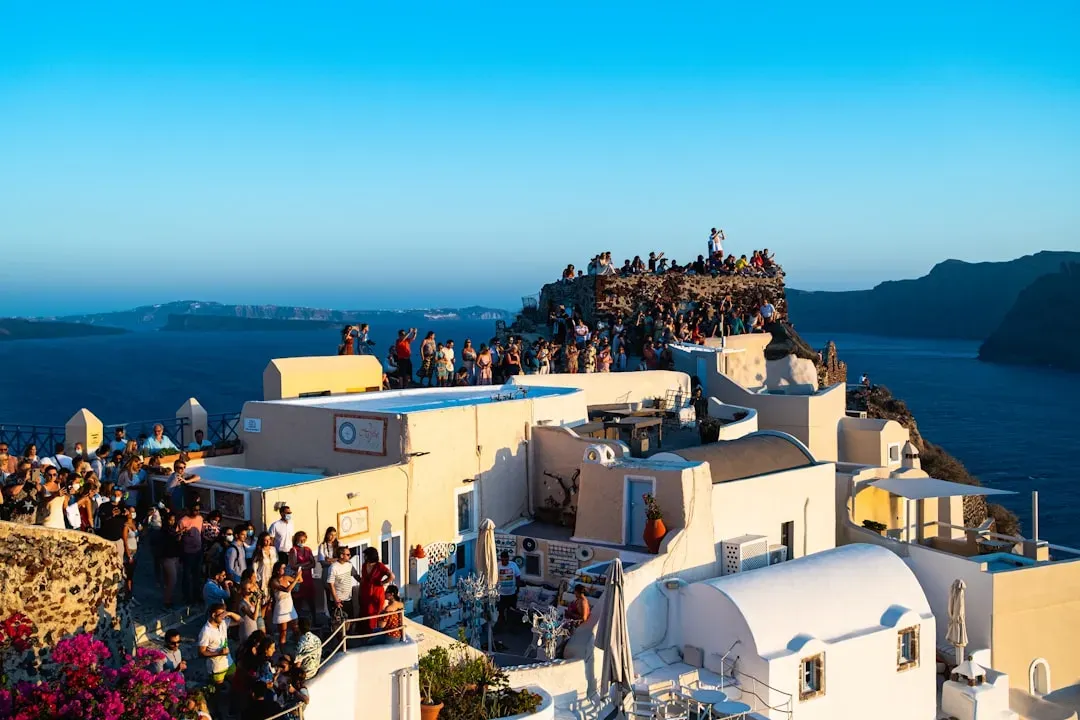
Santorini has become sadly unbearable over time for a host of reasons related to too many tourists and too much kitsch. The postcards show serene caldera views and narrow lanes draped in bougainvillea. What they don’t show is the queue of cruise ship passengers blocking every single corner of Oia.
Santorini’s charm is in its quiet, picturesque villages and crystal-clear waters, but the flood of tourists, many arriving on large cruise ships, has led to severe overcrowding. In peak season, visitors often outnumber the island’s 15,000 residents several times over. This has resulted in traffic jams, overbooked hotels, and overwhelmed restaurants. Popular spots like Oia, where tourists gather to watch the sunset, are packed to the point where it’s nearly impossible to move through the narrow streets.
Various firsthand accounts from visitors to Santorini tell the same tale. Users on Fodor’s Travel bemoan the tourist-laden streets as well as the rocky, very non-green coastline. Santorini is a typical example of overdependence on offshore operators that are largely affecting overtourism in the island, with cruise companies constituting one of the major factors for the noticeable overcrowding phenomenon.
3. Bali, Indonesia – Paradise Lost in the Traffic Jam
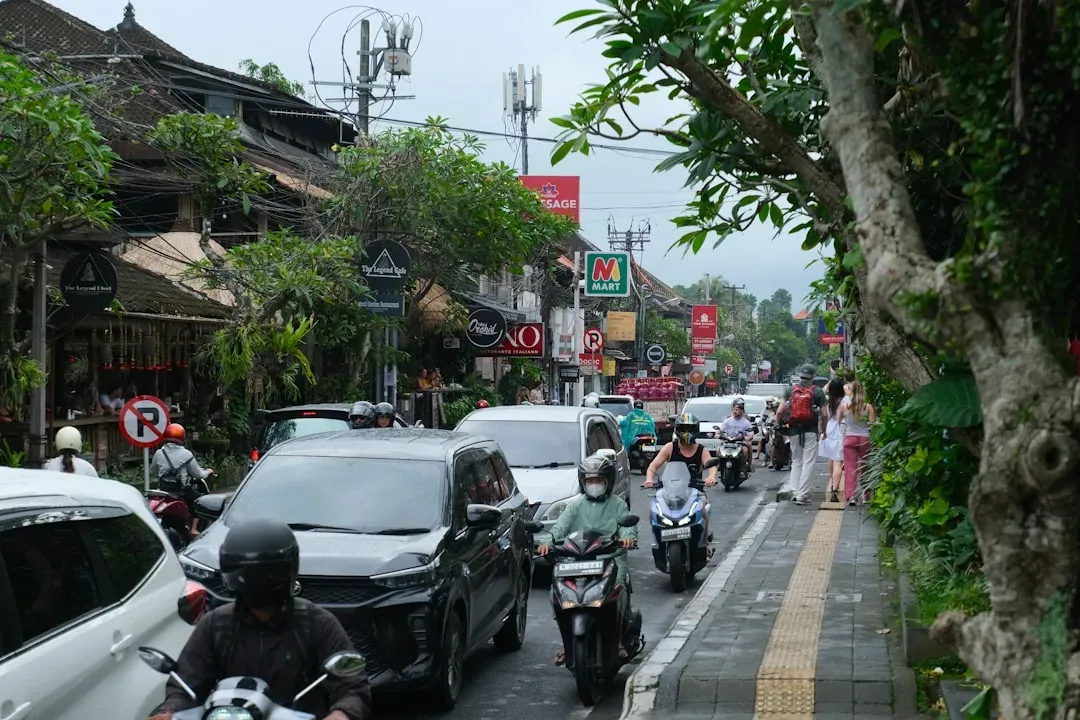
Few islands have fallen from grace as dramatically as Bali. It used to be the gold standard of spiritual, affordable, and genuinely beautiful travel. Now? It’s a cautionary tale. In 2024, a record-breaking 6.3 million international tourists visited this Indonesian paradise, pushing the island’s infrastructure and environment to their limits.
From the moment you arrive in Denpasar, the issues are obvious: lengthy traffic delays plague the route between the airport and Ubud, beaches are marred by plastic and endless rows of sunbeds, rice terraces suffer under the feet of Instagram seekers, and at revered temples, selfie sticks seem to outnumber actual offerings.
As more and more tourists experience the effects of overcrowding, bookings for Bali in 2025 and 2026 are already seeing a decline. European and Australian travel companies are reporting a drop in interest as tourists search for quieter alternatives. In early 2025, monsoon rains brought piles of trash to Bali’s beaches. That image says it all, really.
4. Phuket, Thailand – The World’s Most Over-Touristed Island
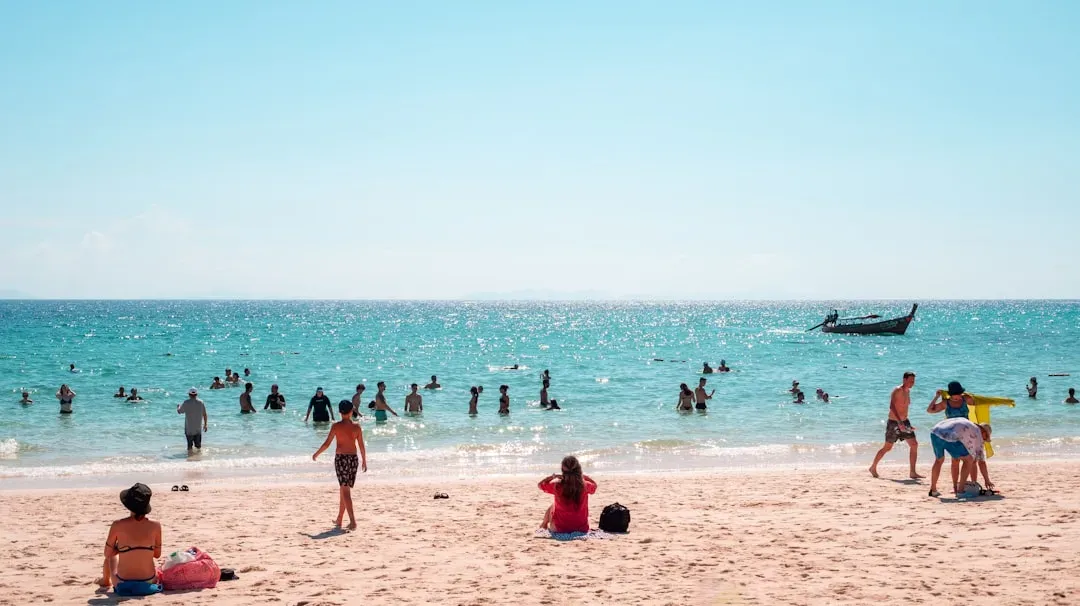
The numbers here are hard to argue with. Phuket earned the title of the world’s most over-touristed city, with 118 tourists for every local resident. Think about that for a second. For every single person who actually lives there, 118 visitors are roaming the streets. It’s not a destination anymore, it’s a conveyor belt.
Previously tranquil beaches like Patong, Kata, and Karon now suffer from chronic traffic congestion. More than 1,000 tonnes of waste are collected on Phuket every day, with projections indicating this could reach 1,400 tonnes daily. The government in Phuket recently announced plans to tackle some of the major challenges facing the island, including traffic jams and water shortages, as it struggles to keep pace with growth.
The focus on mass tourism can lead to a decline in the high-end segment of the market, as discerning travelers seeking exclusivity and quality experiences are deterred by the overcrowding and decline in service standards. Consequently, investment in high-end tourism infrastructure dwindles, resulting in aging resorts, neglected public spaces, and a decline in the overall quality of the tourist experience.
5. Koh Phi Phi, Thailand – Maya Bay’s Broken Promise
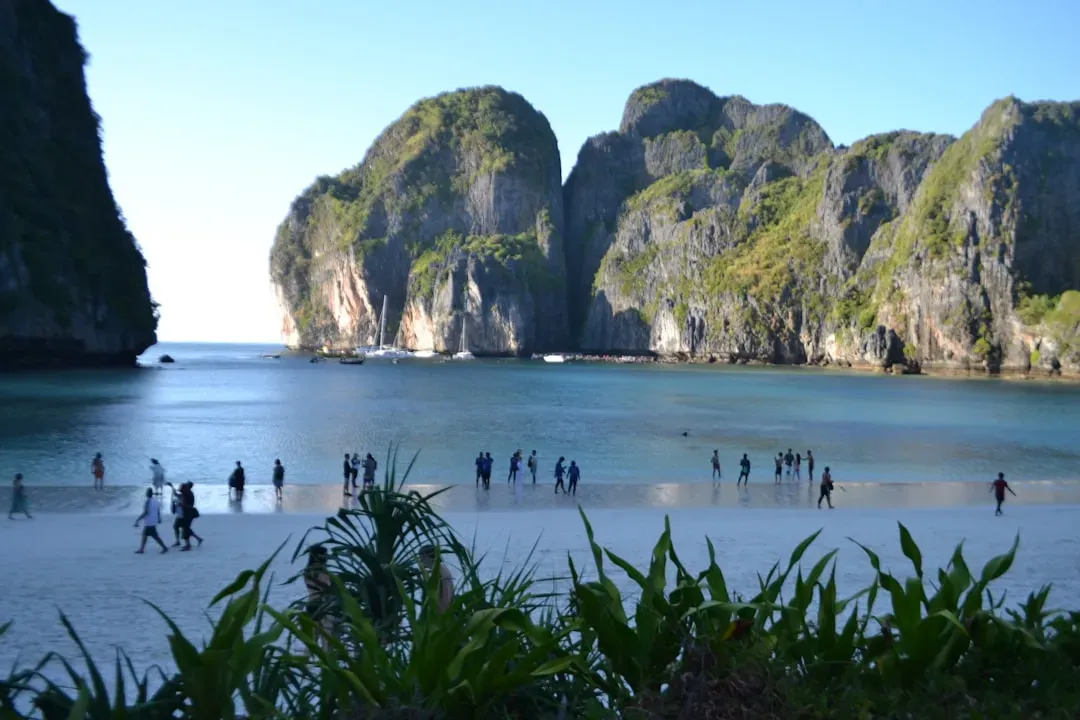
If you grew up watching “The Beach” with Leonardo DiCaprio, you probably dreamed of Maya Bay. The reality in 2025 is a different story entirely. Visitor numbers wreaked so much damage to the island’s ecosystem that Maya Bay completely shut its doors to tourism for four years, reopening in 2022. Today, boats can no longer enter the bay, swimming along the beach has been banned, and daily visitor numbers have been restricted.
However, these measures don’t seem to have mitigated the unruly crowds, meaning your Koh Phi Phi trip is likely to leave you feeling disappointed. One traveler told CNN in 2025 that their boat tour featured over 100 boats doing the exact same multi-stop itinerary simultaneously. Specifically at Maya Bay, what should be a 10-minute stop ended up being over an hour trying to fight through the crowds just to get to the beach and back.
Maya Bay in Thailand closed in 2018 after roughly four-fifths of coral degradation attributed to tourist boat activity. The coral is still recovering. The crowds, unfortunately, never left.
6. Mallorca, Spain – Where Anti-Tourism Protests Made Headlines
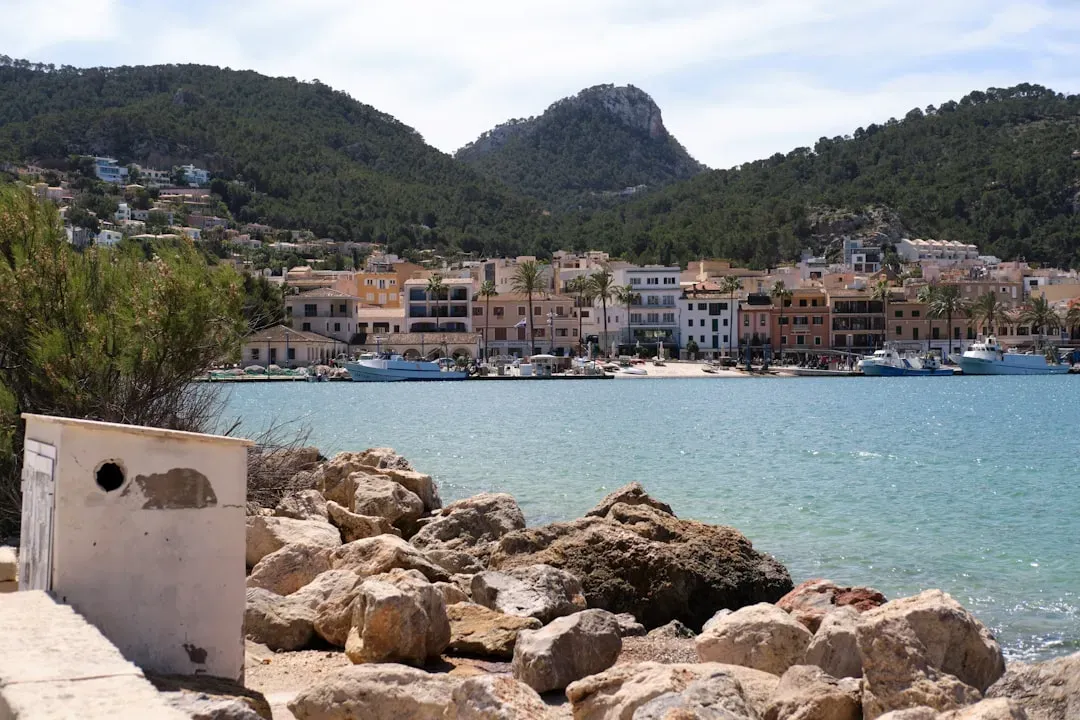
Mallorca is gorgeous. There is no denying that. In 2024, Mallorca welcomed 13.4 million total visitors, a 7.4% increase from 2023. That is an extraordinary volume of people for an island whose roads, water supply, and housing stock were not built to support such numbers. The pushback from locals has been fierce and increasingly visible.
Protests in Mallorca and Tenerife in 2024 featured slogans like “Our island is not a theme park.” Short-term rentals surged, producing housing scarcity, with reports in 2024 noting around 1,000 people in Mallorca living in vehicles. Those are locals, priced out of their own island by the tourism economy that was supposed to benefit them.
Mallorca has been included in Fodor’s “Fifteen destinations to reconsider in 2025” list. Tourist transport services saw a downturn, with July and August numbers down by approximately one fifth. The island’s official tourist guides reported a comparable reduction in excursion bookings, particularly affecting popular destinations such as Valldemossa, Palma, and Port de Soller.
7. Tenerife, Canary Islands – Protests, Politics, and Packed Resorts
Let’s be real: Tenerife is not going to disappear from holiday brochures anytime soon. The Canary Islands grew from roughly 9 million annual visitors in the early 2000s to more than 16.2 million in 2023, with tourism representing nearly one-third of GDP. Those numbers put enormous strain on everything, from water supplies to housing costs to the sheer livability of the island for people who were actually born there.
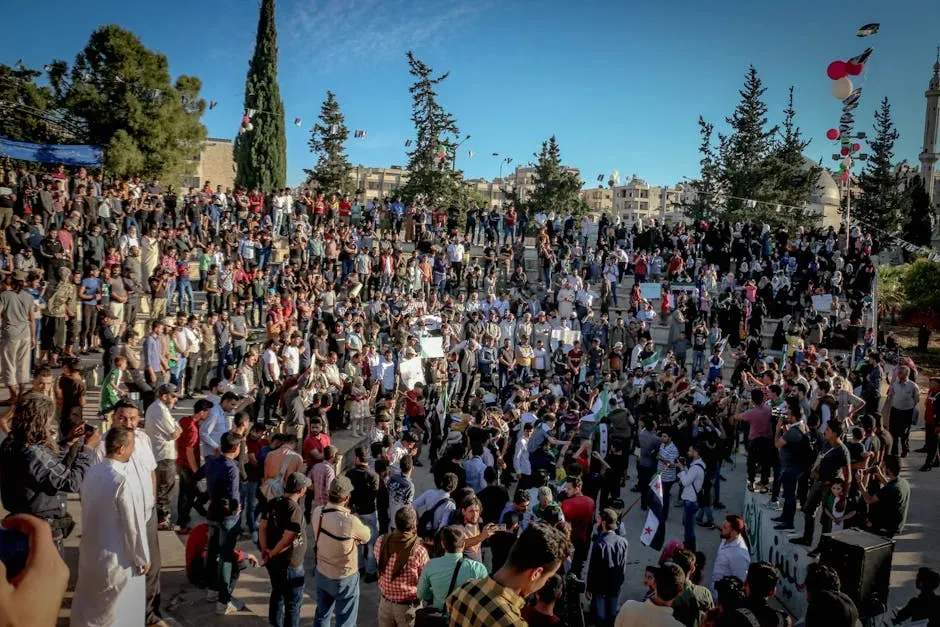
The Canary Islands saw their fair share of protests against overtourism in 2024. In October, thousands protested at holiday resorts in Gran Canaria, Tenerife, Fuerteventura, and Lanzarote under the slogan “Canary Islands has a limit.” A third of Canary Islands residents were at risk of poverty in 2023, despite the tourism boom. That’s an uncomfortable fact to sit with while you’re sipping a poolside cocktail.
Coverage of protests in 2024 and 2025 highlights recurring complaints about overcrowded resorts, pressure on water resources and sewage systems, and the expansion of large luxury developments in already saturated coastal areas. In 2026, visitors to the Canary Islands face tighter rental rules, rising local protests over overtourism, and growing pressure for a new tourism model.
8. Honolulu, Hawaii – The Paradise That Priced Itself Out
Hawaii is still jaw-droppingly beautiful. Nobody is arguing with the volcanoes and the water. The issue is that the experience of visiting Honolulu has become, for many travelers, a genuinely exhausting and expensive ordeal. A study by Radical Storage, called The Paris Syndrome Report 2025, looked at almost 100,000 visitor reviews of popular tourist cities around the world. By calculating what proportion of reviews contained negative phrases, the study singled out the destinations that most underwhelmed tourists.
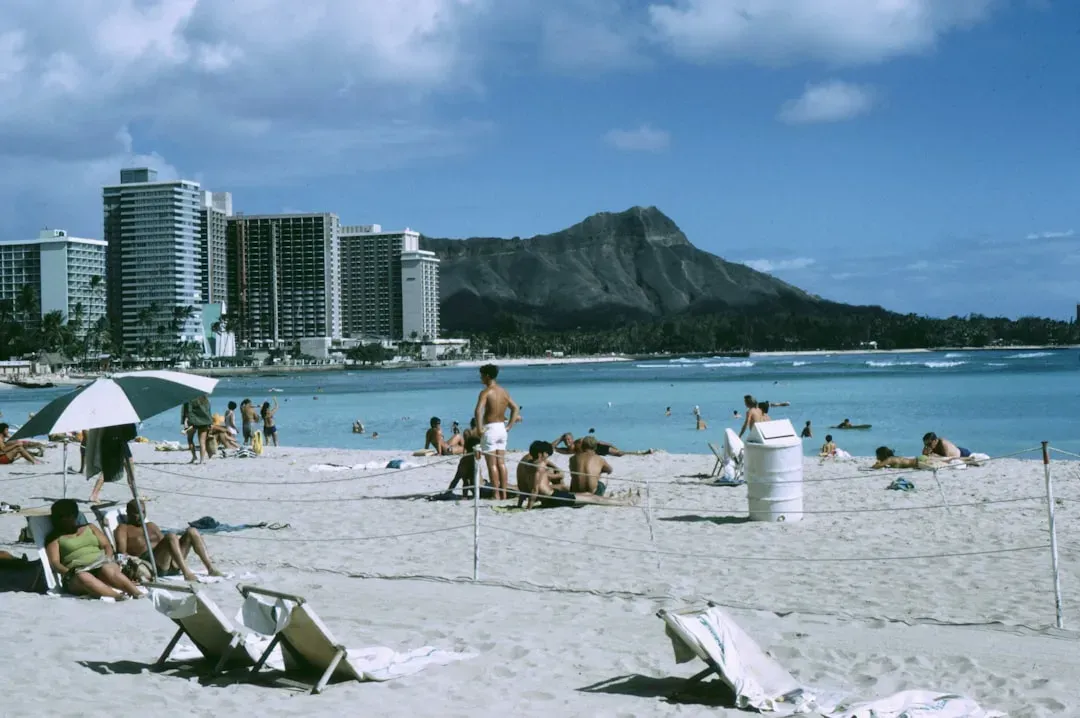
Waikiki Beach, one of Hawaii’s most popular stretches of sand, draws about 4 million visitors annually, per the Hawaii Tourism Authority. As a result, complaints about beach crowds and commercial activities like ferry and catamaran services are frequent. Between 2009 and 2019, tourist numbers almost doubled, and the over-commercialization and high prices resulting from that boom are still present.
Interestingly, tourism in Hawaii has marginally declined, with current visitor numbers lower than pre-pandemic figures. However, this hasn’t solved the pain points felt by visitors. It’s a strange situation: fewer tourists than before, yet the crowds, the prices, and the frustrations remain. The infrastructure snapped under the pressure years ago, and it hasn’t fully recovered since.