7 “Healthy” Breakfasts Spiking Your Blood Sugar – Number 2 Is the Worst
You wake up, you make what you think is a smart, health-conscious breakfast. Maybe you pour a glass of orange juice. Maybe you scoop out a bowl of granola. You feel good about it. Responsible, even. Here’s the problem: some of the most popular “healthy” breakfasts on the planet are quietly doing a number on your blood sugar every single morning – and most people have absolutely no idea.
The sneaky thing about blood sugar spikes isn’t just that they matter for people with diabetes. If you regularly experience blood sugar spikes and crashes, it can increase your risk of chronic inflammation and metabolic illnesses like heart disease, stroke, and type 2 diabetes. So yes, this affects everyone. Let’s dive in.
1. Sweetened Breakfast Cereals – The “Whole Grain” Wolf in Sheep’s Clothing
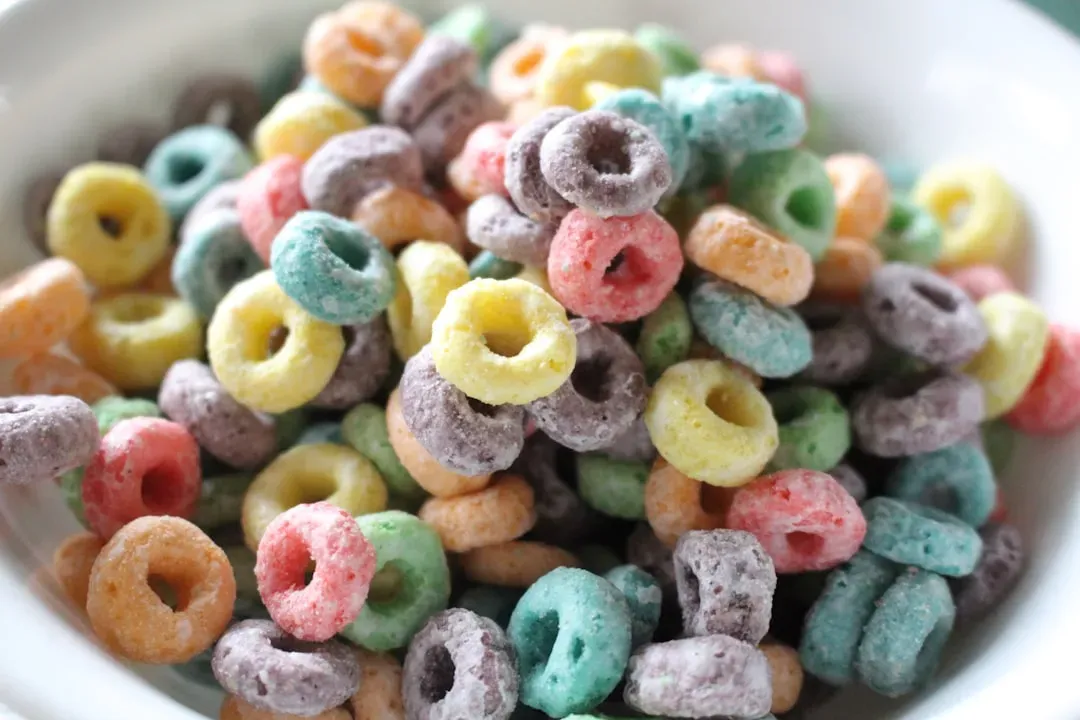
Walk down any cereal aisle and you’ll find boxes covered in the words “whole grain,” “natural,” and even “heart-healthy.” It feels reassuring. Honestly, it’s a bit of a trap. Many breakfast cereals look innocent but are packed with sugar, making them risky – and research from Harvard Medical School found that cereals like frosted flakes, honey nut varieties, and even some granolas can contain between 10 and 20 grams of added sugar per serving.
These sugars are digested extremely fast, causing a dramatic rise in blood sugar within minutes after eating. The American Heart Association warns that added sugar at breakfast is a key driver of morning hyperglycemia in type 2 diabetes. That crash you feel at 10 AM, the one that sends you reaching for more food? That’s the spike and drop cycle at work.
A Stanford University team showed that common foods like cereal breakfast can provoke huge glucose spikes – even above 200 mg/dL – in healthy individuals without diabetes. Even cereals labeled as “healthy” and “low calories” can spike glucose levels. Think about that. Two hundred milligrams per deciliter in people without any metabolic condition at all.
Even those labeled “whole grain,” “natural,” or “heart-healthy” can contain significant amounts of sugar or refined grains that your body breaks down quickly into glucose. A bowl of cereal with milk can easily push your blood sugar up, especially first thing in the morning when insulin sensitivity can be lower.
2. Orange Juice – The Absolute Worst Offender on This List

This one might genuinely surprise you. Orange juice has been a breakfast staple for generations – the cheerful little glass sitting next to toast and eggs, practically synonymous with a “healthy start.” But strip away the nostalgia and look at what it actually does to your blood sugar, and the picture gets ugly fast.
A whole medium orange has a glycemic index of approximately 40, a glycemic load of 4 to 5, and delivers about 3.1 grams of fiber along with its 12 grams of sugar – firmly a low-GI, low-GL food. A 250ml glass of orange juice, however, has a glycemic index of approximately 66, a glycemic load of 12 to 15, and delivers roughly 21 grams of sugar with only 0.2 grams of fiber. That is a colossal difference for what most people assume is the “same thing.”
A glass of orange juice requires approximately three to four oranges to produce. Most people would never sit down and eat four oranges, but they can drink the equivalent sugar in 30 seconds. The volume of sugar delivered per minute of consumption is dramatically higher with juice. Think of it like this: would you eat four apples in half a minute? Of course not. Yet that’s essentially what a glass of juice does.
A 2017 study in Diabetes Care using continuous glucose monitors showed that participants who drank orange juice experienced blood glucose peaks roughly twice as high as those who ate equivalent calories from whole oranges. The glucose peak also occurred about 15 minutes sooner with juice. The mechanism is simple: when you juice an orange, pectin and nearly all other fiber stays behind in the pulp that gets discarded. Even “high pulp” orange juice contains only about 0.4g of fiber, a fraction of what the whole fruit provides.
3. Instant Oatmeal – When “Healthy Oats” Become a Problem
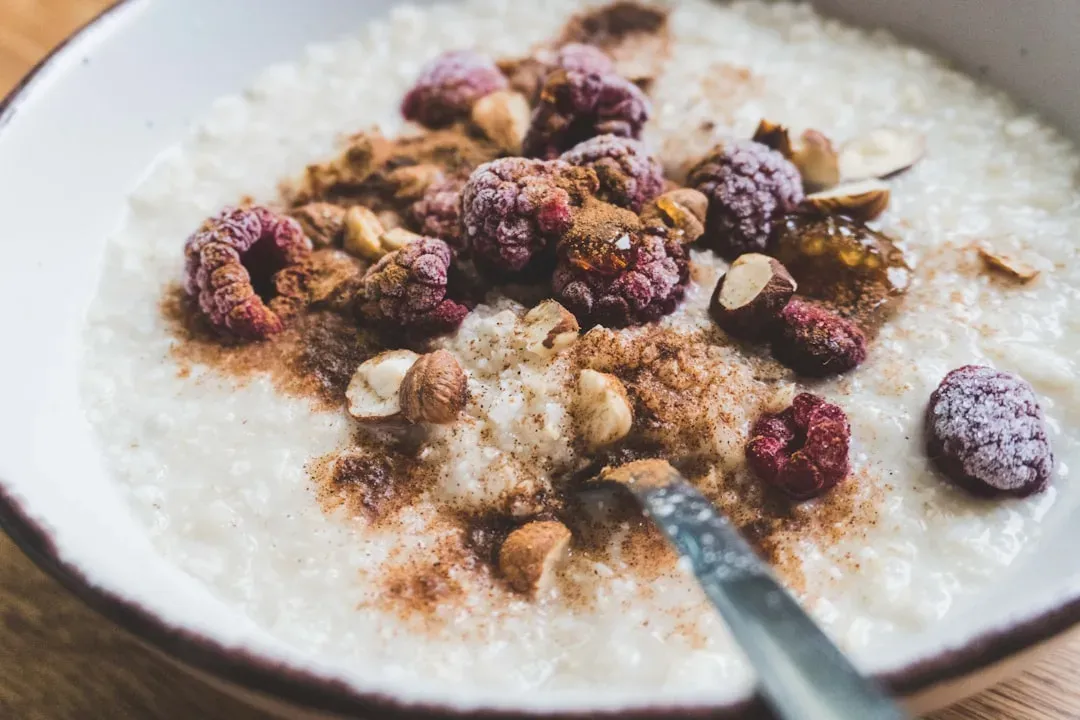
Oatmeal has one of the strongest health reputations in the breakfast world, and honestly, some of that reputation is deserved – for the right type. The problem is that most people grab the quick-cook or instant packets from the store, and that changes everything.
Different types of oatmeal have very different impacts on blood sugar. Steel-cut oats carry the lowest glycemic index at 42 to 53, with slow digestion and a gradual glucose release. Rolled oats sit in the moderate range at 56 to 69. Instant oats, however, land at a high glycemic index of 79 to 83, with rapid glucose release. That’s nearly double the glycemic impact of steel-cut oats.
The oats in quick-cooking oatmeal have been processed and stripped of the fiber-rich outer layer. The starchy part left behind cooks quickly but also breaks down faster in your body, leading to a sharp rise in blood sugar. It’s a bit like comparing a sponge to a rock – they’re technically the same material, but how they behave is completely different.
For some individuals, oatmeal might actually be causing blood sugar spikes followed by energy crashes. If you’ve ever felt an unexpected drop in energy, irritability, or hunger just a couple of hours after eating oatmeal, you may be experiencing reactive hypoglycemia – a rapid blood sugar drop following an initial spike. The fix is surprisingly simple: choose steel-cut oats, skip the flavored packets, and add protein to the bowl.
4. Flavored Yogurt – A Dessert Pretending to Be Breakfast

Let’s be real – yogurt is one of those foods that has been successfully rebranded as a health food, and in its plain, unsweetened form, that label is genuinely deserved. The moment you add fruit flavoring, sweetened fruit-on-the-bottom layers, or vanilla swirls, you’re essentially eating dessert at 7 AM while feeling virtuous about it.
Flavored yogurts tell a completely different story from their plain counterparts. These products often contain 15 to 25 grams of added sugar per serving, which can cause significant blood sugar spikes. Research suggests flavored yogurts contain almost double the sugar of unflavored yogurts. That’s not a minor difference – that’s a completely different food category wearing the same label.
Depending on where you buy your parfait, it can contain as much as 80 grams of carbs and 41 grams of added sugar. Smaller, prepackaged containers found at the grocery store are a little better, but still contain up to 35 grams of carbs and 16 grams of added sugar. For context, that’s the sugar content of a candy bar sitting inside something that says “probiotic” on the label.
The good news for people with diabetes is that unsweetened Greek yogurt can contain up to twice the protein and half the carbohydrates of regular yogurt. It’s an easy swap. Add your own berries, a handful of walnuts, and a sprinkle of cinnamon and you get all the flavor without the glucose rollercoaster.
5. Granola – The Crunchy Illusion of Wholesomeness
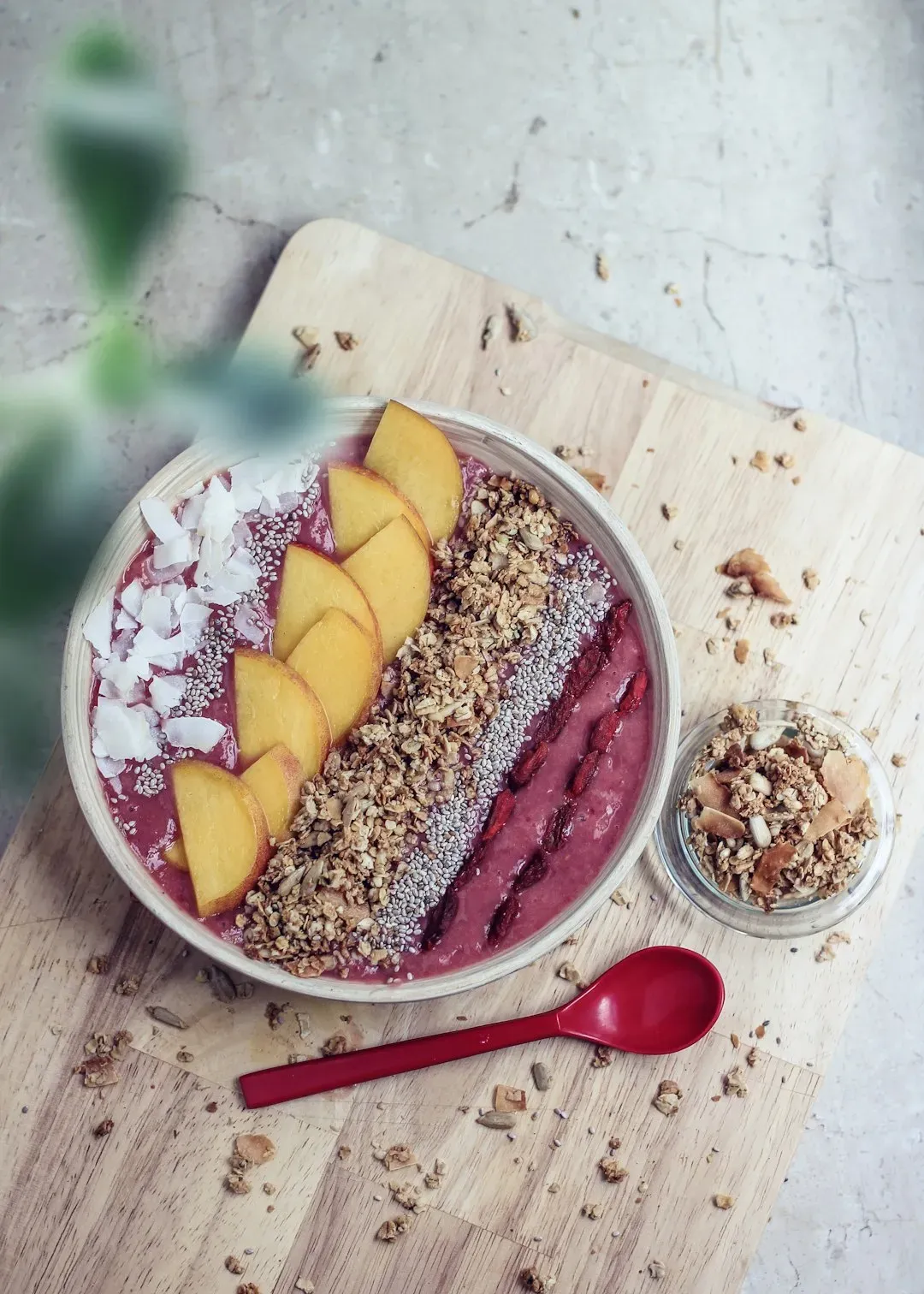
Granola looks the part. Oats, nuts, seeds – it photographs beautifully, it sounds nutritious, and it has somehow managed to maintain a health halo for decades. The trouble is that most commercial granolas are loaded with added sugars, syrups, and dried fruits that push their glycemic impact far higher than the oats alone would suggest.
Most granolas and muesli have just about as much sugar in them as regular cereal. That’s a sobering comparison. Commercial granolas often have added sugars and preservatives, which can increase their glycemic index. It also doesn’t help that granola is extremely calorie-dense, meaning even a modest-looking bowl can be a surprisingly large serving by any nutritional measure.
Consuming granola in the morning might lead to a different blood sugar response compared to eating it in the evening. This is due to various factors such as your body’s circadian rhythm, insulin sensitivity, and the overnight fasting period, which all play a role in how blood sugar is regulated at different times. In plain terms: your body is at its most glucose-sensitive first thing in the morning, which is exactly when most of us pour a bowl of granola.
First thing in the morning, when we are in our fasted state, our body is at its most sensitive to glucose. Our stomach is empty, so anything that lands in it will be digested extremely quickly, which is why eating sugars and starches at breakfast often leads to the biggest spike of the day. Granola with added syrup hits an empty stomach especially hard.
6. Pancakes With Syrup – The Double Threat Everyone Knows But Ignores

Pancakes are the weekend comfort food that almost nobody truly believes is healthy, yet they still get filed under “breakfast” and served with a side of good intentions. Here’s the actual data: when topped with syrup, pancakes become a double threat. Research from the Mayo Clinic shows that pancakes made from white flour have a high glycemic index, and pouring syrup over them adds a hefty dose of pure sugar. Just two pancakes with two tablespoons of syrup can deliver more than 40 grams of carbohydrates, most of which is simple sugar.
Pancakes tend to be low in fiber and protein, both of which are important for slowing digestion and preventing blood sugar swings. For anyone focused on blood sugar management, pancakes with syrup are more like a sugary dessert than a balanced breakfast. Protein and fiber are the two main brakes on blood sugar spikes, and a stack of white-flour pancakes has essentially neither.
Science shows us that, while a sweet and starchy breakfast gives us pleasure – it releases dopamine in our brain – it is not the best way to give us energy. A sweet and starchy breakfast leads to a glucose spike, which hurts our body’s ability to make energy efficiently and kicks off all kinds of side effects. That post-pancake sluggishness an hour later isn’t a coincidence. It’s biology.
7. White Toast and Jam – The Classic Spike in Disguise

White toast feels innocent. It’s light, it’s quick, it’s simple. Spread some jam on it and you’ve got breakfast in under two minutes. The problem is that white bread and jam is essentially a delivery system for fast-digesting carbohydrates and pure fruit sugar, arriving together in your bloodstream at maximum speed.
White bread is made from refined grains, stripping away the fiber that would otherwise help slow sugar absorption. When you eat white toast, your blood sugar can jump up quickly. The glycemic index of white bread is high – around 70 or more – meaning it rapidly raises glucose levels in the bloodstream. Adding jam to that equation layers concentrated fruit sugars on top of already fast-digesting refined carbohydrate.
Jellies and jams are packed with added sugar. By topping your toast with avocado, you get the flavor, healthy fats, and fiber instead. That’s genuinely one of the simplest swaps in nutrition – same toast, completely different blood sugar outcome. Whole grain bread’s carbs take longer to digest and can help keep your blood sugar levels steady for longer. The switch from white to whole grain alone makes a measurable difference, without giving up toast entirely.
Studies show that people who regularly eat high-GI foods like white bread have more difficulty controlling their A1C levels, a key marker for long-term blood sugar control. Even toasting the bread doesn’t lower its glycemic index enough to make much of a difference. It’s one of those facts that genuinely surprises people – toasting doesn’t help nearly as much as most assume.