The Quiet Wealth Uniform: 10 Brands Rich People Rarely Wear
There’s a game being played in fashion that most people don’t even realize they’re losing. The rules are simple: flash a logo, look wealthy. The reality? Almost the exact opposite is true. The truly rich – the kind of people who don’t check prices – have quietly stepped away from many of the brands that the rest of us still save up months to afford.
Understanding which brands wealthy people avoid, and more importantly why, reveals something fascinating about the psychology of money, status, and what real confidence actually looks like when it’s dressed up and heading out the door. Let’s dive in.
1. Gucci: The Logo That Screams “New Money”

Walk into any room wearing that interlocking GG belt buckle, and you’ve already told everyone exactly where you stand. Honestly, it’s not a subtle look. Gucci’s logo obsession is something else entirely – the double-G buckle so prominent it could probably be seen from across the room, and somehow every conversation ends up revolving around getting people to notice it.
Gucci lost the most value among all luxury brands according to Interbrand’s 2025 Best Global Brands report. That’s a telling signal. Revenue figures for Gucci dropped by roughly a quarter on a comparable basis in the first half of 2025, per Kering’s own data. The wealthy segment of the market has simply moved on.
The wealthier segment of the market has been preferring other brands, like Hermès and Chanel. It’s not that Gucci makes bad products. It’s that the brand has become shorthand for aspiration rather than attainment – and truly wealthy people rarely want to be seen aspiring to anything.
2. Louis Vuitton: The Brown Monogram That Lost Its Magic
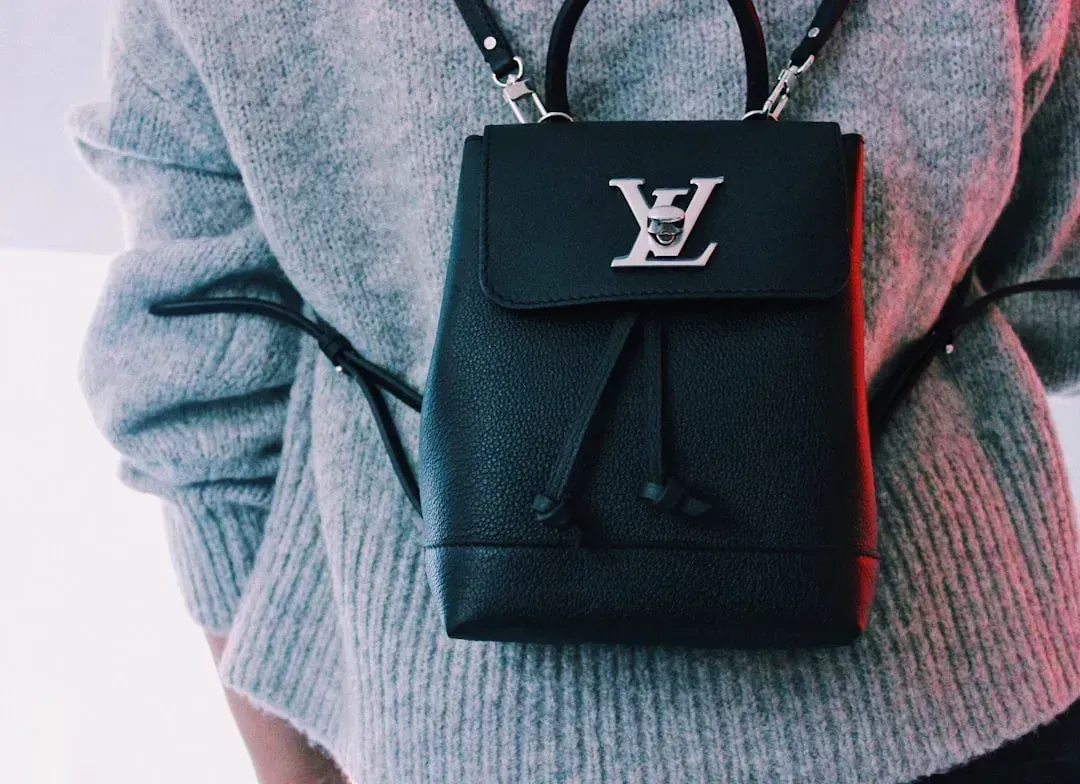
Having a Hermès Birkin was once the litmus test for being extremely wealthy, with yearslong wait-lists and eye-popping price tags – but then knockoffs flooded the market. The same story has been playing out with Louis Vuitton for even longer. Once the monogram canvas was everywhere, it stopped meaning anything to people who already had everything.
Louis Vuitton’s customers have faced price hikes as high as 30 to 50% in just a few years, while the brand has allegedly focused more on meeting production numbers than maintaining standards in quality. That’s a brutal combination. You’re paying more for something that feels like less.
The slump in Louis Vuitton sales, alongside brands like Dior, has resulted in a drop in LVMH stock prices and brand image, with LVMH down in revenue and profits for the first six months of 2025 compared to the same period in 2024. Old money spotted this trajectory years ago and quietly placed the monogram bag in storage.
3. Gucci’s Parent-Brand Sibling: Versace and the Maximalism Trap
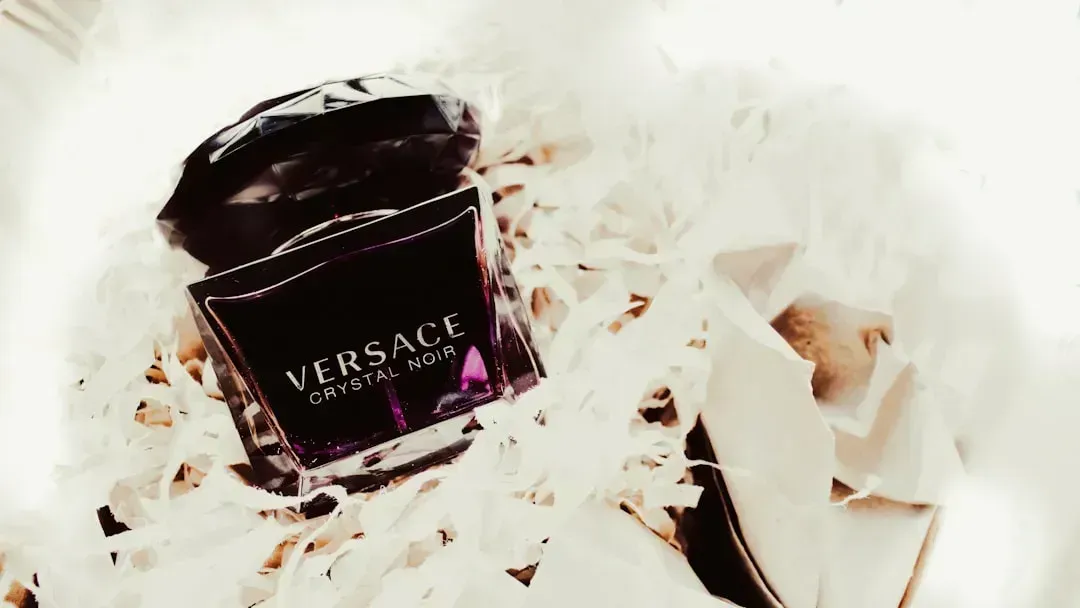
Versace has always been loud. That’s kind of the point. Medusa heads, baroque gold chains, prints so bold they could stop traffic. There’s nothing wrong with loving it – but the very noise of the brand is precisely why discreetly wealthy people rarely reach for it.
Versace is down more than 21% in revenue, and that decline mirrors a broader cultural shift. Sociological research has found that conspicuous consumption is most common among people who are relatively wealthy but not secure in their social position – they use branded goods as social proof of success, buying validation through visible spending. Truly wealthy people don’t need this validation and often actively avoid it.
Think of it this way: someone who inherited generational wealth doesn’t need a gold Medusa to prove they belong in the room. They already know they do. Versace is a statement piece for people who are still making their statement. The already-arrived rarely need to announce themselves.
4. Burberry: The Plaid That Got Over-Exposed
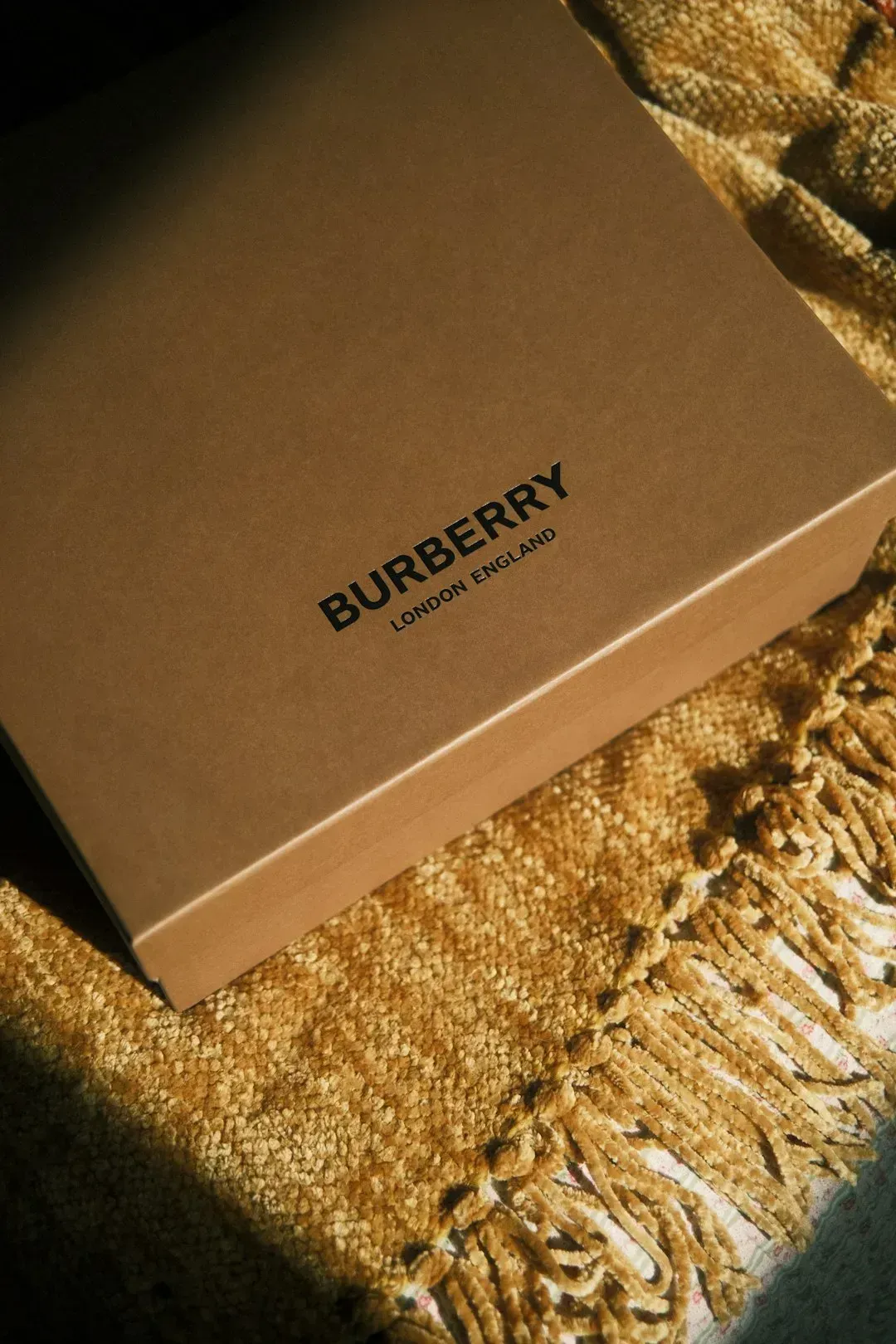
Burberry’s iconic plaid check is one of the most recognizable patterns in fashion history. For a long time, that was a beautiful thing. Then it became the signature print of every fast-fashion knockoff, every market stall in Southeast Asia, and every mid-range department store sale. Recognition, at some point, becomes its own liability.
In 2024, Burberry’s brand value fell by $2 billion, a stunning 42% plunge compared to 2023, and the almost 170-year-old brand got kicked out of the FTSE 100 – Britain’s most well-known stock index – due to a loss in sales and dwindling profits. That’s not a minor wobble. That’s a brand identity crisis in plain sight.
During the two-year period from January 2023 to December 2024, which saw all major luxury brands struggle, Burberry fared the worst, per Morningstar. For the truly wealthy, this brand now carries too much noise and too little mystery – exactly the combination they tend to avoid.
5. Michael Kors: The Aspirational Brand With a Flash-Sale Problem
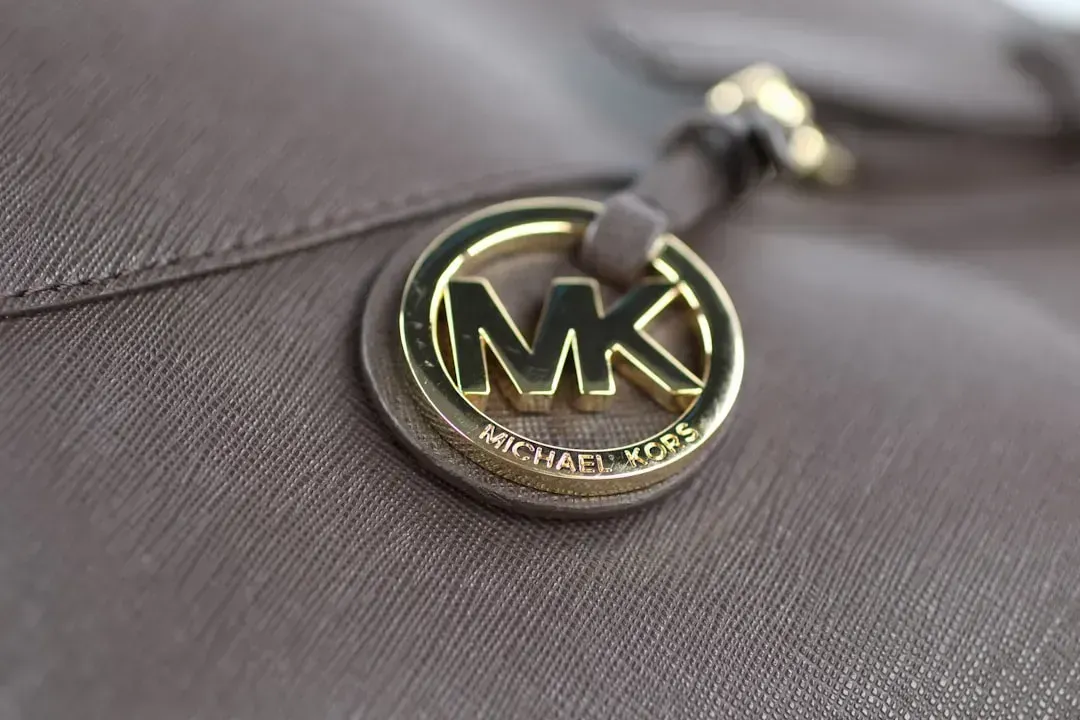
Here’s the thing about Michael Kors – it’s a genuinely well-made brand for the price. That’s not the issue. The issue is what it has become to the people who buy it and the people who don’t. Michael Kors has become the uniform of aspiration rather than achievement. People who are genuinely wealthy don’t need to wear their financial status on their wrist or handbag. They understand that true luxury lies in quality and craftsmanship, not in logos that everyone can afford during the next flash sale.
The brand’s frequent discount cycles have essentially trained shoppers to wait for markdowns rather than pay full price. That is practically the opposite energy of quiet wealth. Luxury brands make their real money not from billionaires but from middle and upper-middle class consumers stretching their budgets to afford designer items – these buyers want visible logos because the entire point of their purchase is signaling that they can afford luxury goods.
The truly wealthy shopper isn’t the customer Michael Kors is actually chasing. Both sides of that equation seem to know it.
6. Dior: Prestige Pricing Without the Prestige Payoff
Dior carries enormous cultural cachet. The fashion shows are spectacular. The history is undeniable. Still, the brand has made some choices in recent years that have quietly alienated the clientele it most wants to keep. A Chanel bag that cost $5,800 in 2019 cost nearly $12,000 in 2024 – and Dior has followed a similar steep upward trajectory without delivering a proportionally elevated product.
Milan authorities said that Dior handbags costing nearly $3,000 were being made for $57 in “sweatshop-like conditions.” That is the kind of revelation that sticks. Once a customer knows that, it’s very hard to justify carrying the bag with the same pride as before.
Dior was one of the brands that took the biggest hit in terms of consumer expectations – the percentage of people willing to choose Dior over other brands while making a purchase fell notably in surveys conducted by YouGov from late 2024 into 2025. The truly wealthy have a very finely tuned sense of when a brand is trading on reputation rather than earning it.
7. Coach: The Accessible Luxury That Became Too Accessible
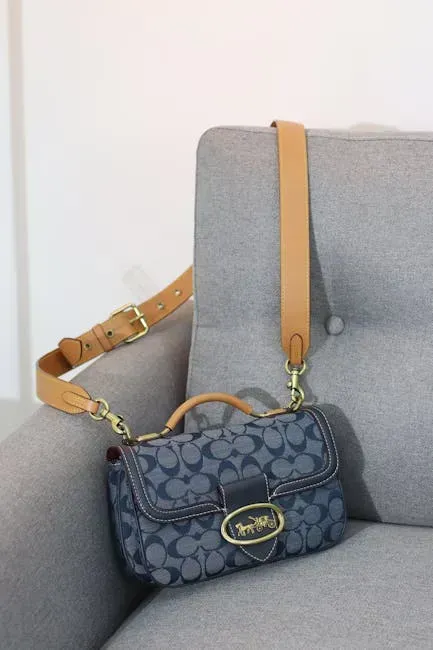
Coach is a genuinely interesting case study. For a period in the early 2000s, it successfully occupied a sweet spot between everyday brands and full-on luxury. The leather was good. The price was ambitious but achievable. Then it opened more outlets, offered more discounts, and placed itself in more department stores, and something important evaporated.
The luxury goods market has essentially split into two segments: actual luxury items focused on quality, craftsmanship, and subtle design for wealthy clients who know what they’re looking at, and branded luxury items focused on visibility and status signaling for aspirational consumers who need others to recognize their purchase. Coach decisively landed in the second camp, and wealthy shoppers noticed.
It’s a bit like a restaurant that was once impossible to book a table at, and then started franchising. The food might still be fine. But the feeling of it – the exclusivity that made it meaningful – has completely vanished. The wealthy tend to notice exclusivity disappearing before anyone else does.
8. Balenciaga: When Shock Value Becomes the Only Value

Balenciaga built an empire on provocation. Triple S sneakers that looked intentionally ugly. Garbage bags sold as luxury items. A $1,800 hoodie that looked like it came from a gas station. There is a kind of genius in that, honestly. It changed the conversation about what luxury even means.
A study by Han, Nunes, and Drèze found that wealthy consumers with little need for status signaling tend to prefer inconspicuous luxury goods with subtle branding, while consumers with a stronger desire to signal status are more likely to prefer conspicuously branded luxury products. Balenciaga practically defines conspicuous branding.
The brand’s controversy cycles and extreme aesthetic shifts have made it a favorite for those who want to be noticed, talked about, and maybe provoke a little discomfort. That’s a completely valid creative vision. It’s just not one that typically appeals to people whose wealth is so established they no longer feel the need to provoke anyone. Quietly wealthy people rarely choose clothes that start arguments.
9. Dolce & Gabbana: Maximalism at Maximum Volume
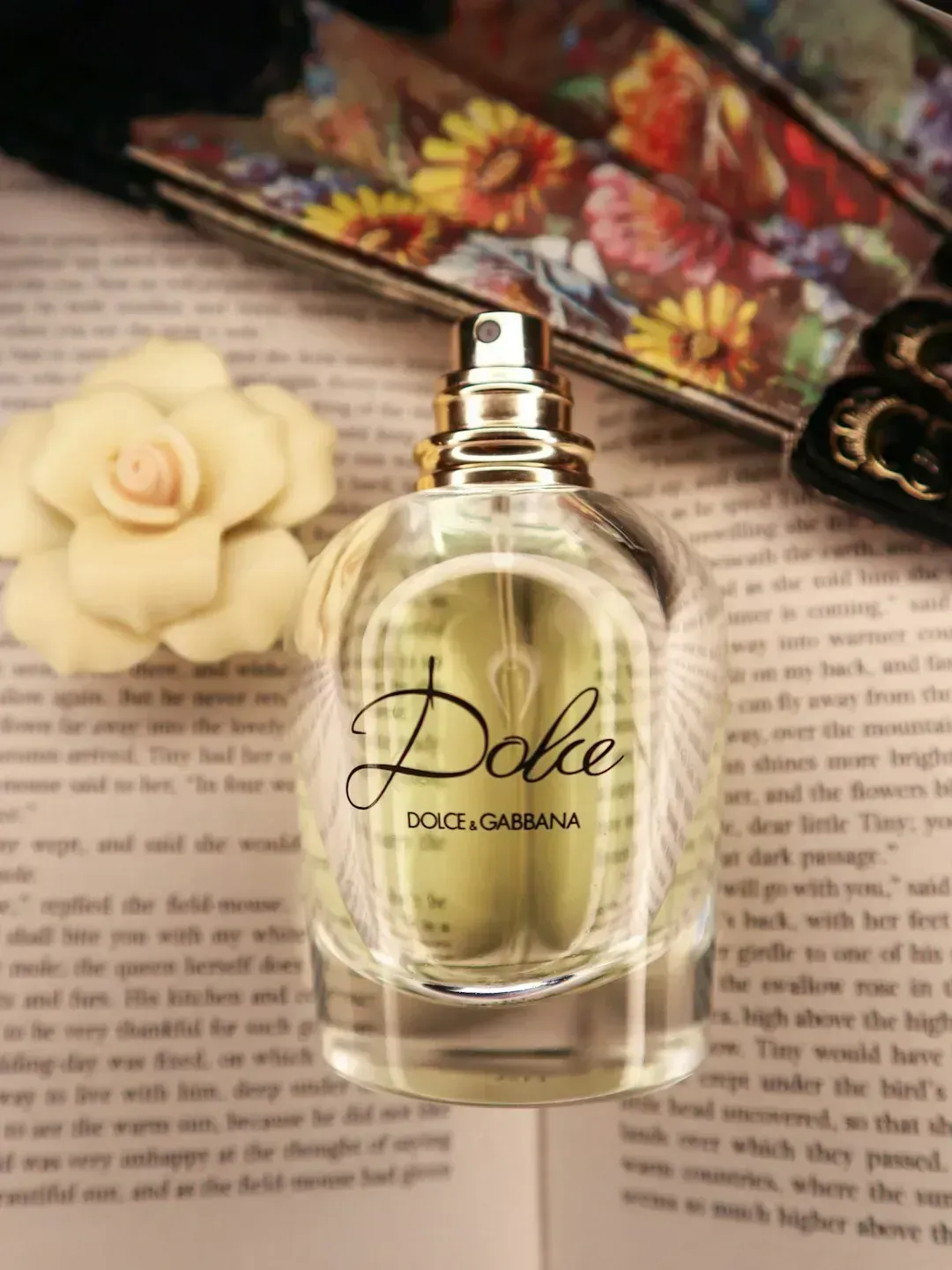
Dolce & Gabbana is, in every sense of the word, a lot. The baroque gold, the animal prints, the Sicilian references stacked on top of each other – it is a brand that believes more is more, and then some. That energy can be genuinely electric when done well. It is also almost entirely incompatible with the aesthetic philosophy of old money and quiet wealth.
The “quiet luxury” aesthetic, also known as stealth wealth or old money style, emphasizes understated elegance, high-quality materials, and timeless design over overt branding and ostentatious displays of wealth. Dolce & Gabbana occupies practically the opposite design philosophy. Where quiet luxury whispers, D&G uses a megaphone.
The brand has faced significant reputational headwinds in several key global markets, which has not helped its positioning with the wealthiest consumers. Smaller, independent luxury firms are gaining traction by concentrating on specialized markets and providing highly personalized experiences, appealing to a rising group of buyers looking for alternatives to mass-produced luxury items by emphasizing ethical sourcing, sustainable processes, and handcrafted excellence. D&G is swimming against that tide.
10. Chanel (Logo-Heavy Pieces): The Double C Dilemma
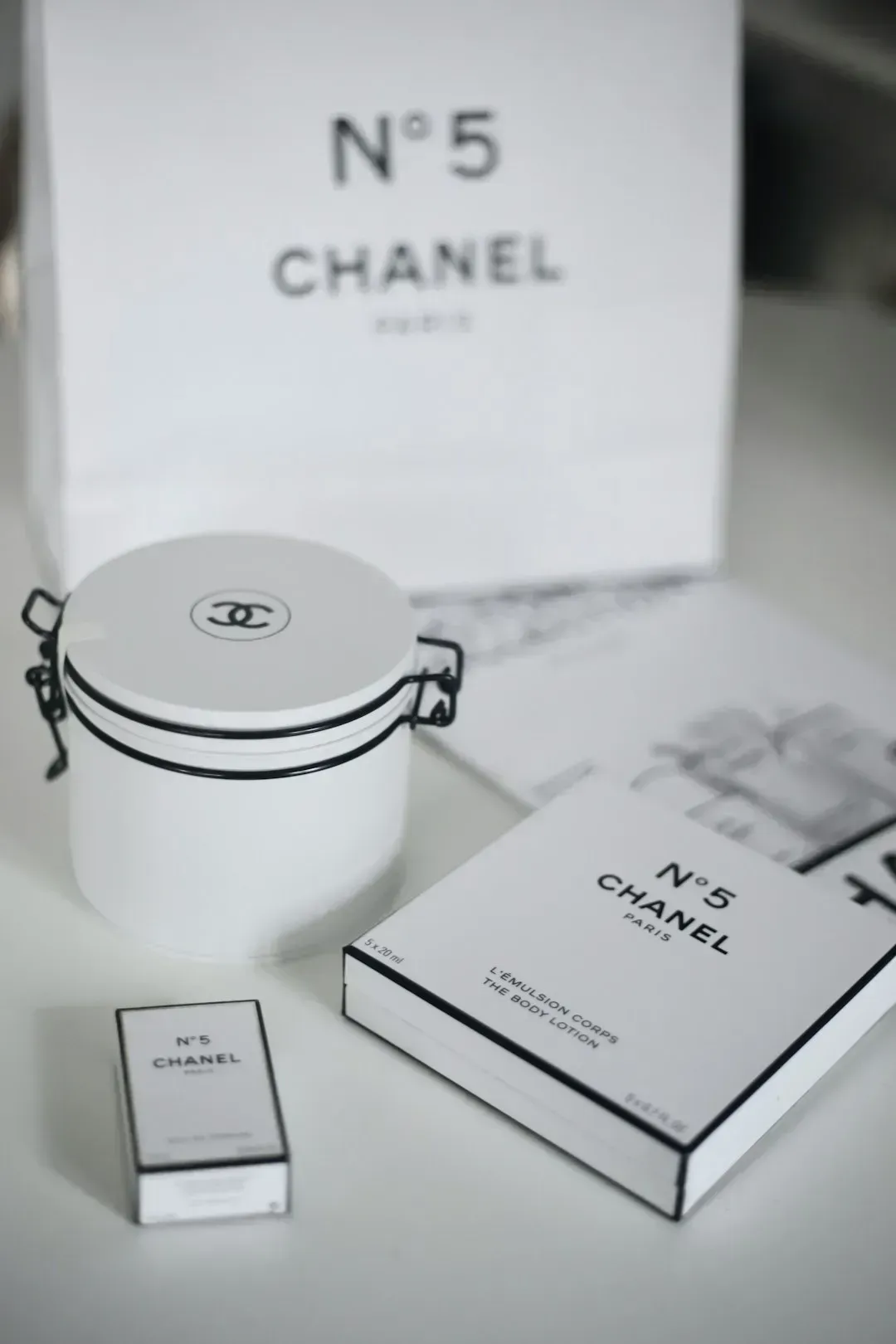
This one is a little more nuanced, so stay with it. Chanel as a house is deeply respected. The brand’s craftsmanship on its couture level remains extraordinary. The problem isn’t Chanel itself – it’s the very specific Chanel items that lead with the double-C logo so prominently that the brand does all the talking.
The general consumer has always been drawn to logos and branding, and it’s hard to maintain a quiet luxury wardrobe over time while being satisfied – those signature logos and patterns like the double C of Chanel have become associated with the noughties’ new-money act of trying too hard. That’s a remarkable cultural shift for a brand that was once considered the pinnacle of discretion.
In 2024, Chanel faced a loss in revenue, while operating profits slumped by roughly a third – the first time the brand stood at a net loss since 2020. The truly wealthy still buy Chanel. They just tend to buy the pieces that don’t announce themselves quite so loudly – the beautifully cut jacket with no visible logo over the quilted bag with the hardware spelling it all out. There is a world of difference between the two, and the wealthy know exactly which one to reach for.