9 Must-Watch Films Before You Die – How Many Have You Seen?
There are roughly two million films in existence. Yet only a tiny handful ever manage to completely stop you in your tracks, make you forget where you are, and stay with you for years after the credits roll. Those are the ones worth losing sleep over.
Movies are more than just entertainment – they are windows into different worlds, cultures, and ideas, and the films that truly matter have had a significant impact on the film industry, influencing filmmakers for decades and shaping pop culture in ways that still ripple through today. This list is not about the latest streaming hits or flashy blockbusters. It’s about the films that changed cinema itself. How many have you actually seen? Let’s find out.
1. The Shawshank Redemption (1994) – The Film That Refuses to Die
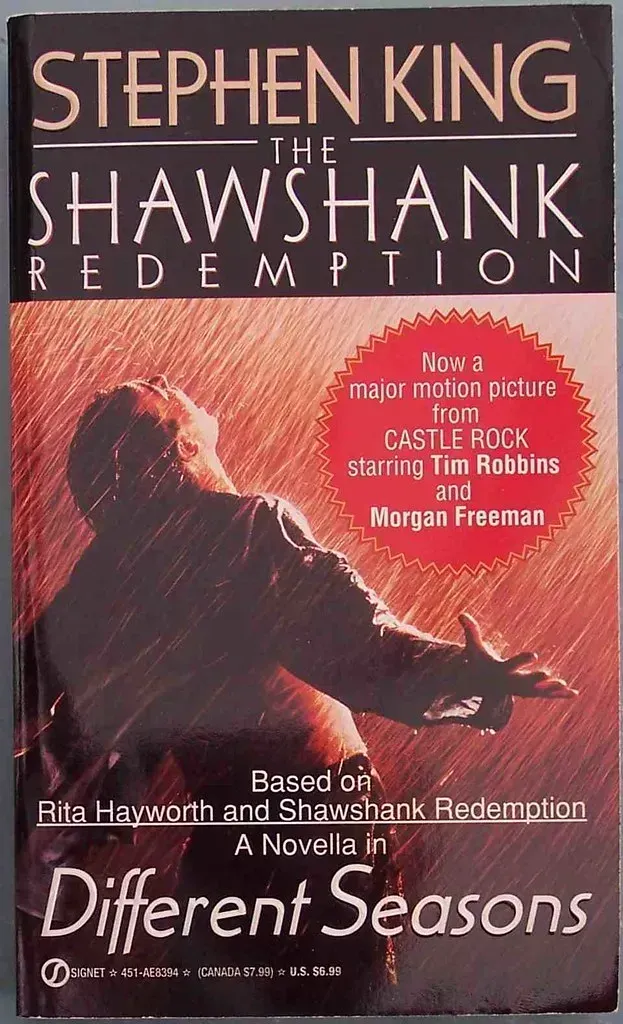
Here’s the thing: this movie was a flop when it first came out. Genuinely. While the film received critical acclaim upon its release – particularly for its story and the performances of Robbins and Freeman – it was a box-office disappointment, earning only $16 million during its initial theatrical run. That’s a jaw-dropping fact for a movie that now sits at the very top of cinema’s greatest achievement lists.
Its failure was attributed at the time to many factors, including competition from the films Pulp Fiction and Forrest Gump, the general unpopularity of prison films, its lack of female characters, and even the title, which was considered confusing for audiences. Think about that. The film we now crown as the greatest was almost buried alive.
It has been the number-one film on IMDb’s user-generated Top 250 since 2008, when it surpassed The Godfather, having remained at or near the top since the late 1990s. It climbed entirely through word of mouth, TV reruns, and video rental. The Shawshank Redemption doesn’t confine itself to a genre; the crime elements are peripheral and there’s more humor than one might find in a typical thriller – instead, it deals in universal themes that almost anyone can relate to and almost anyone can enjoy.
In the United Kingdom, readers of Empire voted the film as the best of the 1990s, the greatest film of all time in 2006, and it placed number four on Empire’s 2008 list of “The 500 Greatest Movies of All Time” and their 2017 list of “The 100 Greatest Movies.” A comeback story that mirrors the film’s own message about hope. Stunning.
2. The Godfather (1972) – The Standard By Which All Others Are Judged
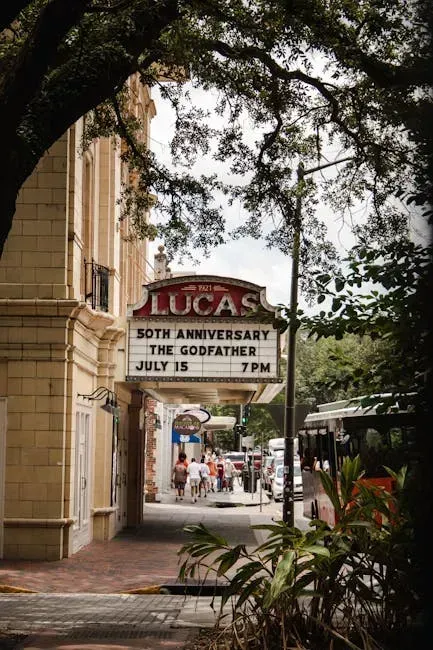
Considered one of the greatest films ever made, Francis Ford Coppola’s The Godfather is a masterpiece of crime cinema, featuring unforgettable performances by Marlon Brando and Al Pacino. There’s a reason every other “best movie” conversation eventually returns to this film. It set a benchmark so high that over half a century later, nobody has truly cleared it.
The Godfather was voted number 1 by Entertainment Weekly’s readers in 1999, and it was voted the “Greatest Movie of All Time” in September 2008 by 10,000 readers of Empire magazine, 150 people from the movie business, and 50 film critics. It also topped Empire’s 2017 poll of 20,000 readers – meaning its dominance has lasted across entire generations.
The Godfather was, at one point in time, the highest-grossing film ever made worldwide, universally celebrated for its quite groundbreaking and genre-defining qualities. Among these, it is its acting that stands the test of time. The stellar cast includes Marlon Brando, Al Pacino, James Caan, Robert Duvall, and Diane Keaton. Honestly, picking just one performance from this cast is like picking a favorite star in the sky.
It is not the characters themselves that make the film so enduring but rather the interplay between them and how the constant struggle for control dominates their lives. That’s what separates it from every other crime drama ever made. It’s not a film about crime. It’s a film about family, power, and the price of both.
3. Citizen Kane (1941) – The Blueprint That Changed Everything
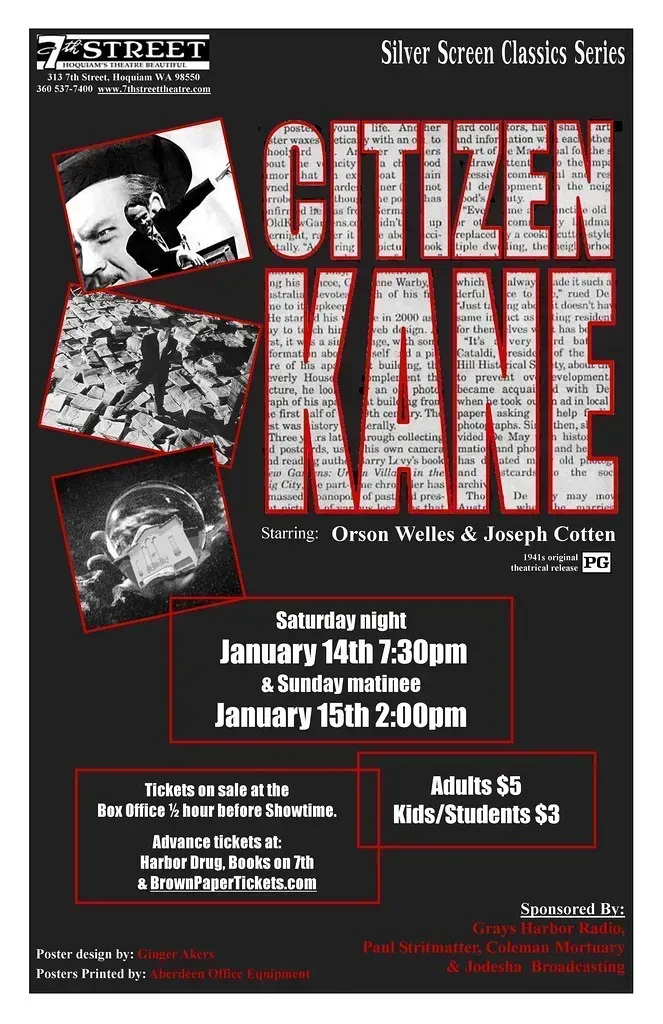
Orson Welles was just 25 years old when he directed, co-wrote, starred in and produced the film – his very first feature. Let that sink in. Twenty-five years old. First film ever. And it permanently changed the grammar of cinema. I think that’s the single most remarkable creative achievement in the history of the art form.
Citizen Kane is frequently cited as the greatest film ever made. For 40 years – five decennial polls: 1962, 1972, 1982, 1992 and 2002 – it stood at number one in the British Film Institute’s Sight and Sound poll. That is a reign so long and so consistent it’s almost impossible to wrap your head around.
On a technical level, Citizen Kane is important for the innovative lighting and focusing methods of its cinematographer, Gregg Toland, and the dramatic editing style of Robert Wise. It was Orson Welles’s debut as a film director, and it has been hailed by many critics as one of the greatest movies of all time. And just to add to the wild story behind this masterpiece – Citizen Kane was nominated for nine Academy Awards, but won only one: Best Screenplay.
Deemed “culturally, historically or aesthetically significant” to America’s film heritage, it was among the first films selected in 1989 for inclusion in the Library of Congress’s National Film Registry. A film ahead of its time, then. And probably still ahead of ours.
4. Schindler’s List (1993) – The Film You Need to See, Even When It Hurts
Based on the true horrors that occurred during the Holocaust, Schindler’s List follows Oskar Schindler, a German industrialist and opportunist who arrives in Kraków to profit from the war. Initially indifferent to the plight of the Jewish population, Schindler slowly realizes the terrible crimes going on around him and begins using his factory as a refuge, ultimately saving over 1,100 lives by the war’s end. This is not light viewing – but it’s necessary viewing.
Director Steven Spielberg’s critically acclaimed work is one of the most impactful depictions of the Holocaust in cinema. The black-and-white cinematography combined with restrained direction helps maximize the emotional effect of the retelling of the unbelievable true story. The choice to shoot in black and white was deliberate, brave, and absolutely correct.
Without question one of Steven Spielberg’s greatest works, telling the true story of the German industrialist Oskar Schindler, who saved over 1,000 Jewish people from concentration camps during World War II. Liam Neeson provides an Oscar-winning turn as Schindler, the suave businessman whose humanity is tested in the face of true evil. Ralph Fiennes, meanwhile, delivers one of the most chilling villain performances ever committed to film.
5. Pulp Fiction (1994) – The Film That Rewrote the Rules
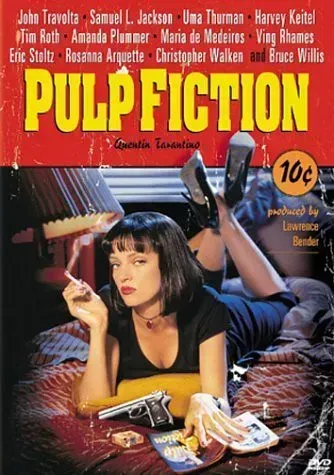
Frequently referred to as the most important film of the 90s, Pulp Fiction made similar use of the structure of time, creating an intertwined story where time does not exist until the film is over and the audience can piece together the different stories. It’s the cinematic equivalent of a Rubik’s Cube that’s somehow also thrilling and hilarious at the same time.
It was a perfect representation of the postmodern movement in the early 90s, combining humorous natural yet profane dialogue with pervasive violence and drama. Quentin Tarantino essentially handed modern screenwriters a new playbook – and decades later, filmmakers are still borrowing from it.
Pulp Fiction changed the style of the cinema in the 90s. Many films to follow would emulate both the non-linear structure and the comical, profane and realistic dialogue that Tarantino created. It’s also one of the most rewatchable films ever made. Every time you go back, you catch something new hidden in a scene you thought you knew cold.
6. The Dark Knight (2008) – The Superhero Movie That Transcended the Genre
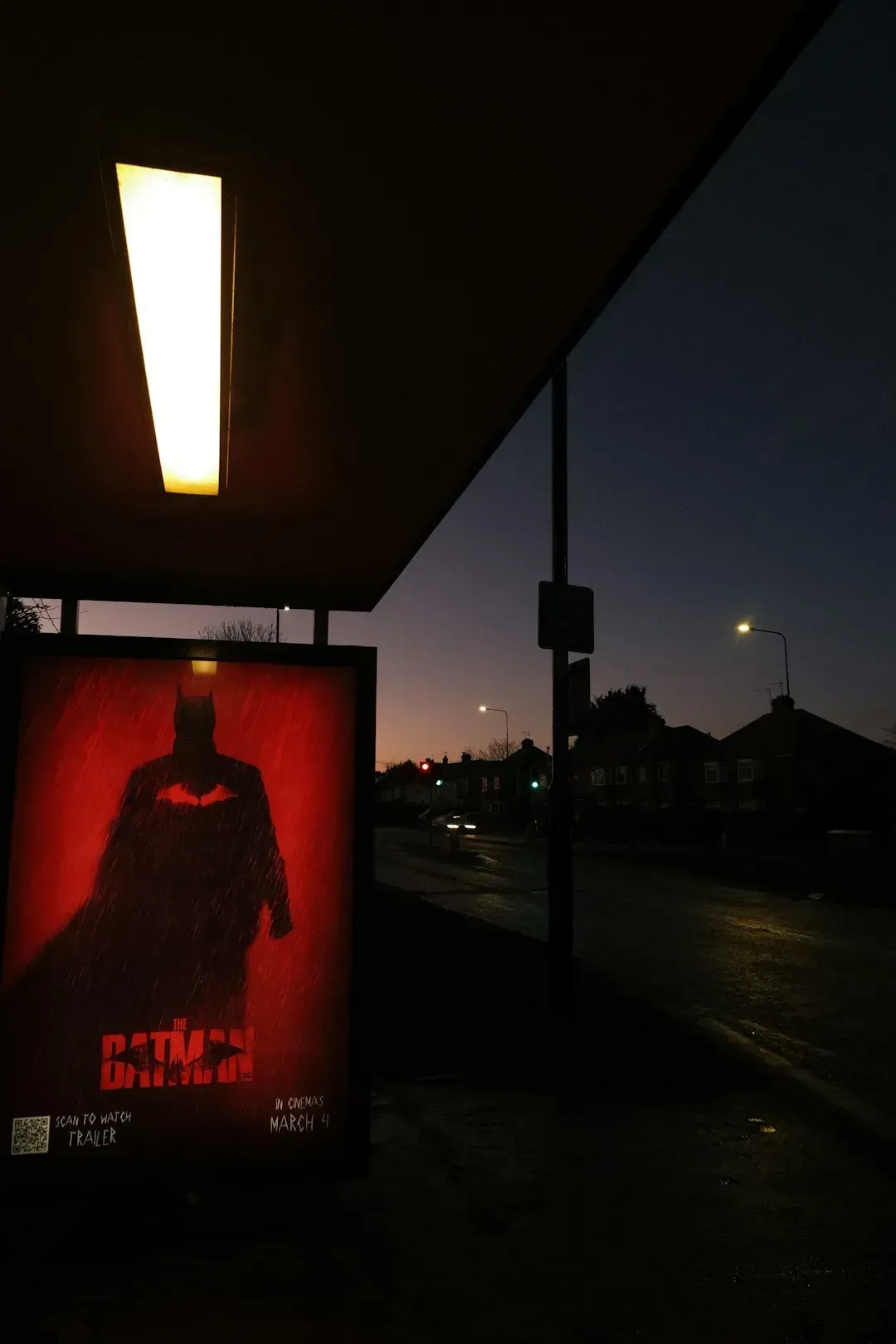
This Batman film, directed by Christopher Nolan, redefined superhero movies, with a legendary performance by Heath Ledger as the Joker. It’s one thing to redefine a genre. It’s another to make a superhero film that film critics, academics, and general audiences all agree is a masterpiece. The Dark Knight did both.
The Dark Knight was voted the greatest superhero movie in a reader’s poll conducted by American magazine Rolling Stone in 2014. And it appears consistently in the upper tier of the IMDb Top 250 alongside classics that predate it by decades. That kind of staying power doesn’t come from hype. It comes from genuine craft.
The Dark Knight requires at least some interest in superheroes. But honestly, even if you couldn’t care less about Batman, the film works as a crime thriller, a psychological study, and a meditation on chaos. Heath Ledger’s performance as the Joker was so unsettling and so brilliant it genuinely defies easy description. We lost him too soon, and this film is the most painful reminder of that.
7. The Lord of the Rings: The Return of the King (2003) – Epic Cinema at Its Absolute Peak
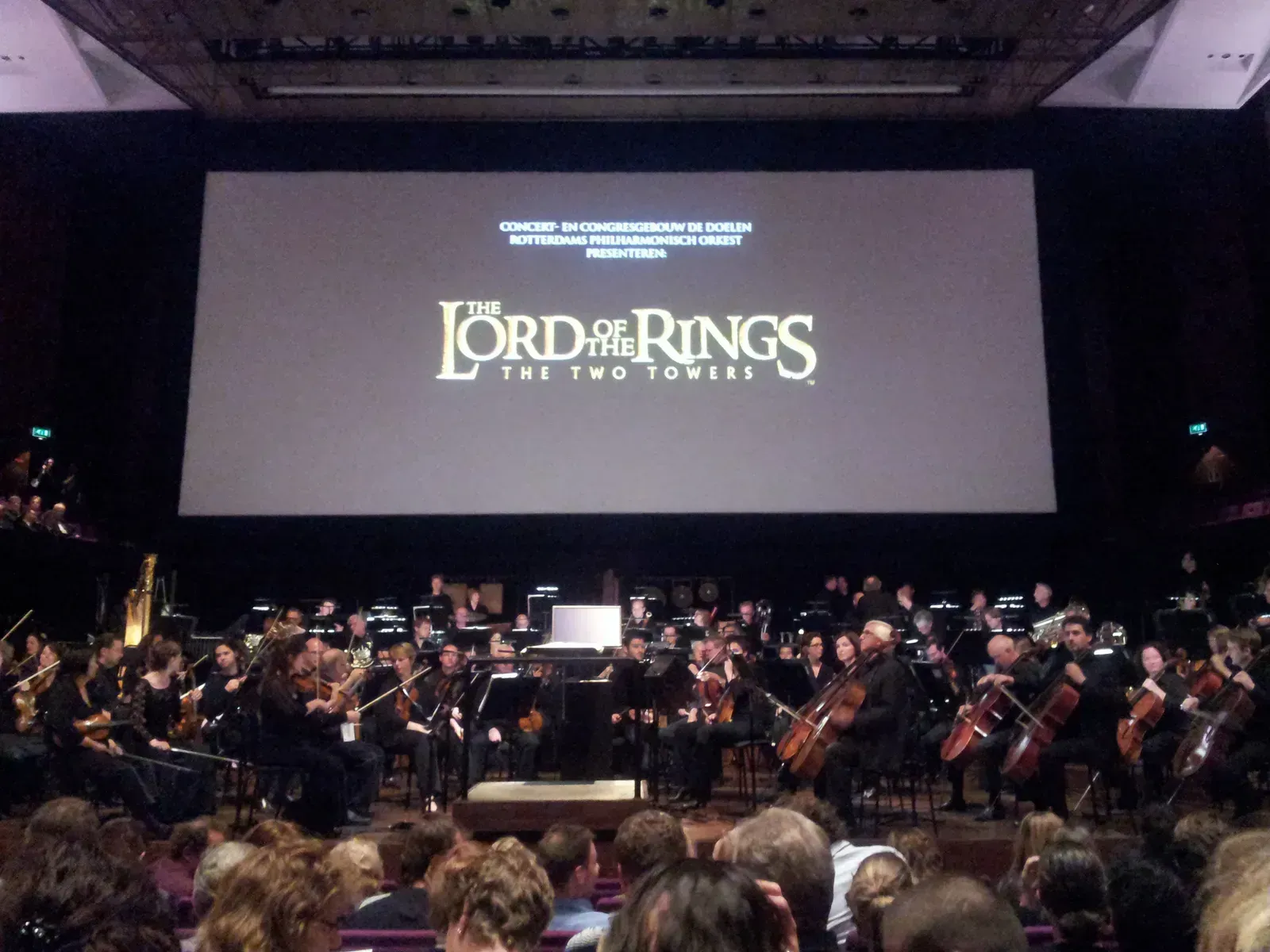
The Lord of the Rings: The Return of the King is the crowning jewel of Peter Jackson’s epic trilogy. Released in 2003, it swept the Oscars with 11 wins, including Best Picture. Eleven for eleven. Every category it was nominated for, it won. That has only been matched twice in Oscar history, and it remains one of the most staggering nights in Academy Awards history.
The film brings J.R.R. Tolkien’s fantasy saga to a thrilling conclusion with breathtaking battles and emotional farewells. The ensemble cast, including Elijah Wood and Ian McKellen, delivers powerful performances. Its themes of friendship, courage, and sacrifice resonate with audiences around the globe. It’s a film that genuinely makes you feel something in your chest you can’t quite name.
Let’s be real: no fantasy film before or since has come close to achieving what this trilogy accomplished, and the third film ties it all together with extraordinary emotional weight. For many viewers who saw it in theaters as teenagers, it remains the defining cinematic experience of their lives. It’s that kind of film.
8. 12 Angry Men (1957) – The Most Gripping Film Ever Set in One Room
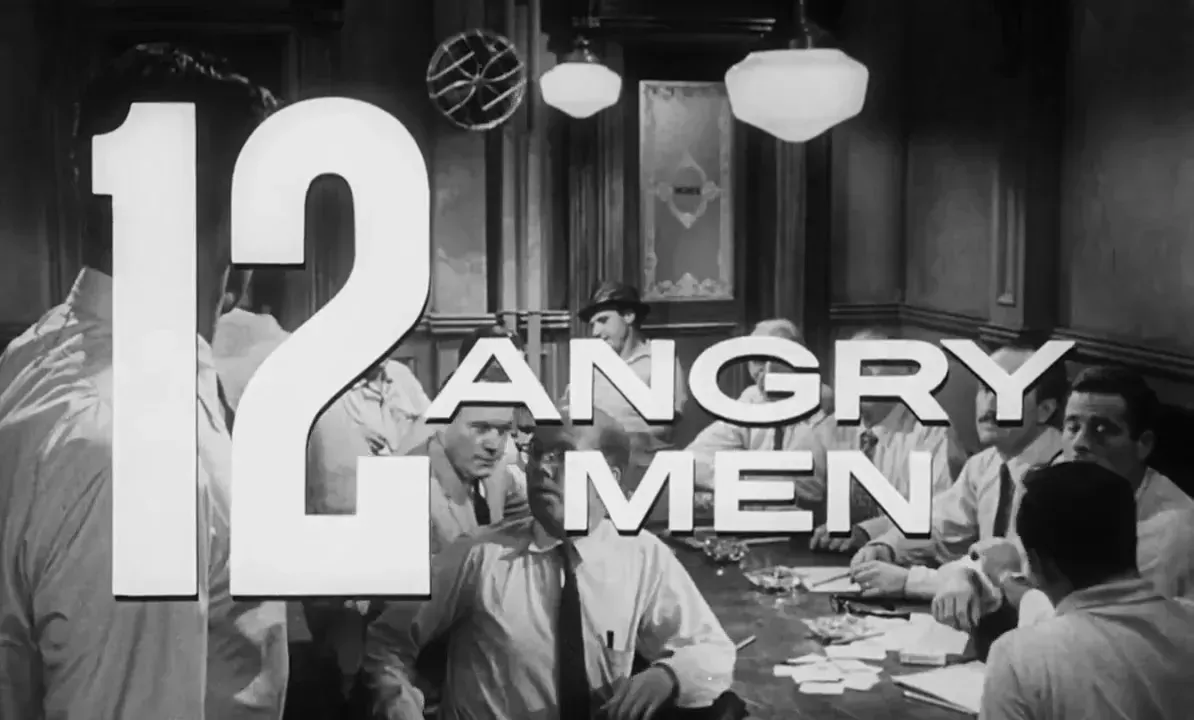
12 Angry Men consistently appears on IMDb’s most celebrated lists, sitting among The Shawshank Redemption, The Godfather, and The Dark Knight. It’s a black-and-white film from 1957, set almost entirely in a single jury deliberation room. By every modern rule of filmmaking, it has no business being as gripping as it is. Yet here we are.
The entire film is essentially a conversation. Twelve jurors deciding the fate of a boy accused of murder. One man stands against the others, refusing to rush to a verdict. What follows is a masterclass in tension, psychology, and the nature of reasonable doubt. It sounds simple. It is anything but.
Director Sidney Lumet shoots the room with mathematical precision, gradually tightening the framing as tensions rise. The camera literally closes in on the characters as the arguments heat up. The British Film Institute’s Sight and Sound poll, the largest of its kind with 1,639 participating critics, programmers, curators, archivists and academics, regularly champions films like this for their enduring impact on cinema. Decades later, film schools still screen 12 Angry Men as a lesson in pure storytelling. It’s that effective.
9. Forrest Gump (1994) – The Film That Made a Generation Cry in Public
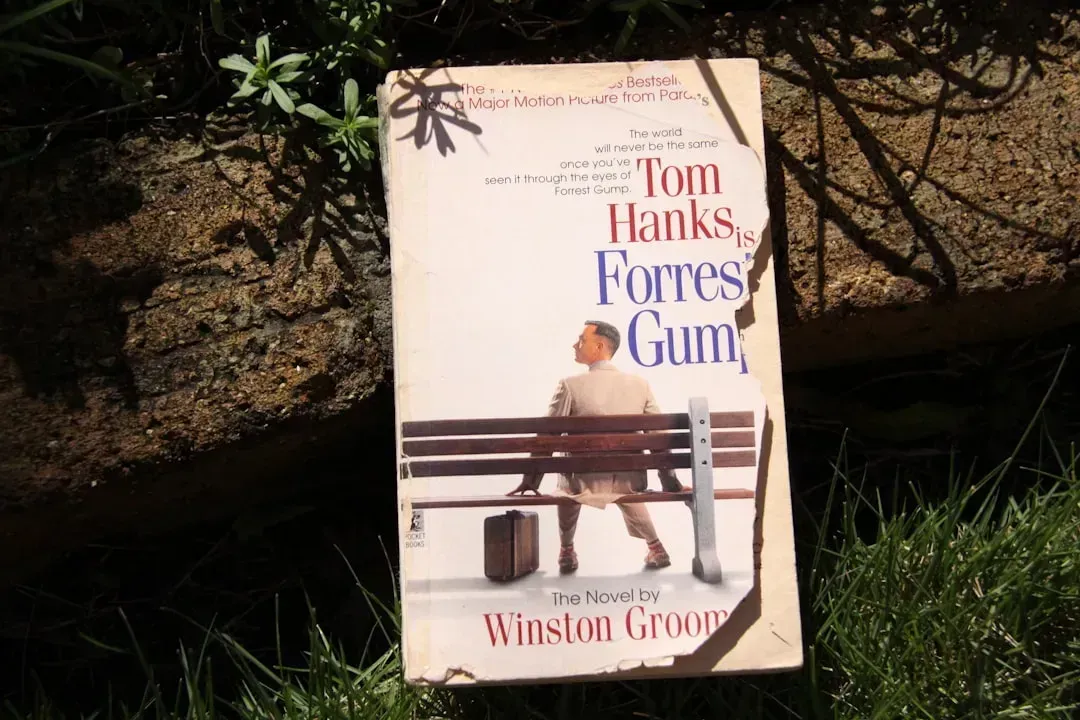
Tom Hanks delivers a heartwarming performance as Forrest Gump, a man whose life journey coincides with pivotal moments in American history. There is something almost unfair about how well this film works. It takes an impossibly wide canvas – spanning Vietnam, Watergate, the moon landing, and more – and somehow makes it deeply personal.
The Shawshank Redemption was actually named the greatest film to not win the Academy Award for Best Picture in a 2013 poll by Sky UK – it lost to Forrest Gump. That gives you an idea of the competition that year. 1994 was arguably the greatest single year in modern cinema history, and Forrest Gump beat them all at the Oscars. Whether you agree with that verdict or not, it earned its place at the table.
What I think people underestimate about this film is how technically ambitious it actually is. The visual effects work that placed Forrest into real archival footage was groundbreaking for its time. Add in one of Tom Hanks’ finest performances, a genuinely moving story, and a soundtrack that functions almost like a second narrator – and you have something that stands apart from everything else in the decade.