By 2031, These 8 Home Features May Be So Outdated They’re Nearly Worthless
The housing market is constantly shifting under our feet. What seemed essential five years ago might already feel unnecessary today. With technology advancing faster than ever and buyer preferences changing just as quickly, certain home features are rapidly losing their appeal and value.
Think about it. Your home is likely your biggest investment. Ignoring these shifts could mean losing tens of thousands of dollars in potential resale value. We’re not just talking about outdated aesthetics here. We’re talking about features that could actively turn away buyers or force you to drop your asking price significantly.
Formal Dining Rooms
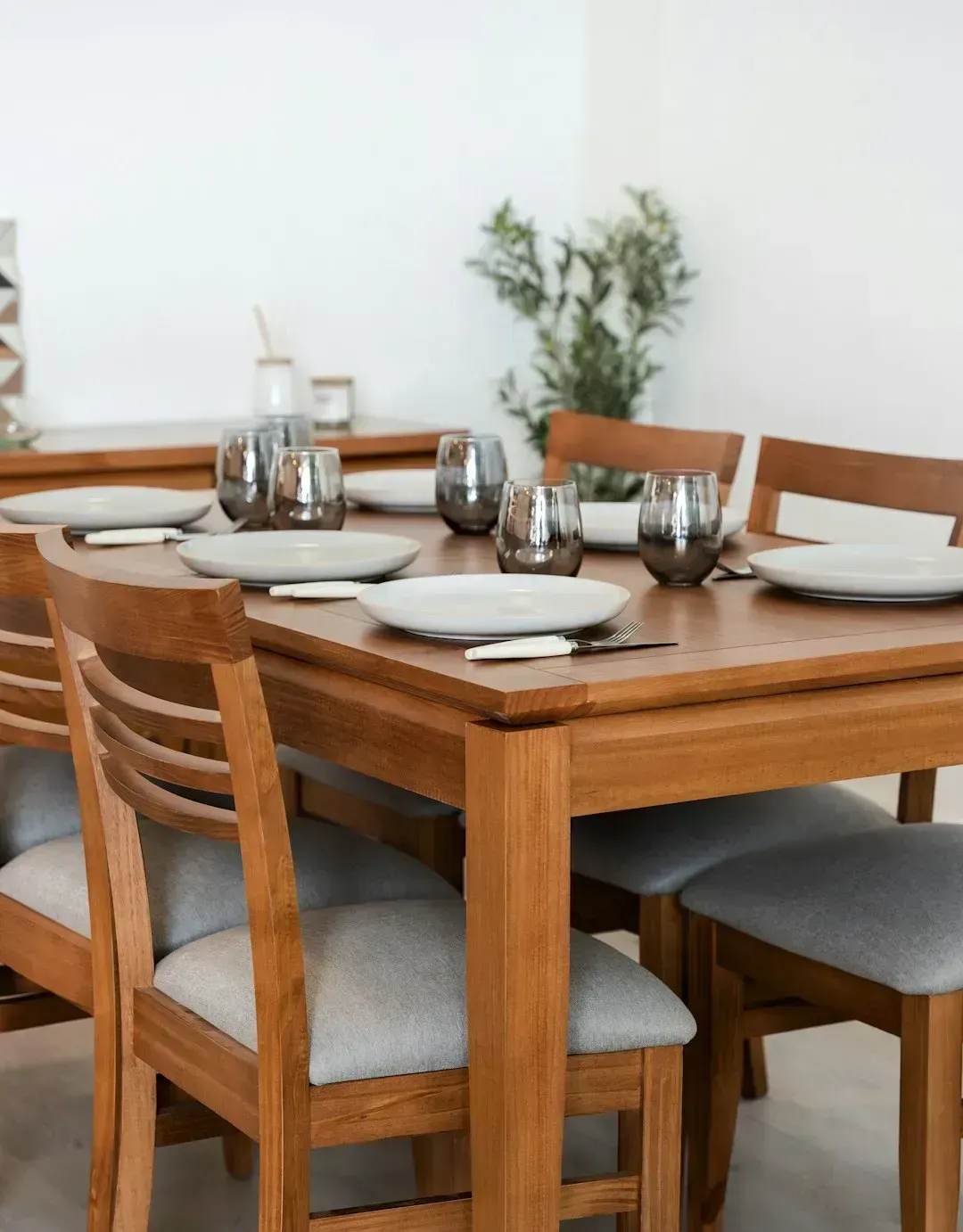
Nearly 80% of designers working on new home communities report that dining rooms have become significantly less important over the past year, according to research by John Burns Research and Consulting and Pro Builder magazine. That’s a staggering shift. Formal dining rooms are now considered obsolete as remote work reshapes how we use our homes. The reasons are obvious when you think about it. Busy families simply don’t have time for formal dinners anymore, and that dedicated space feels like wasted square footage when you could have a larger kitchen or home office instead. Families request that walls be removed between the dining room, kitchen and living room areas to create a great room, which allows for more flexibility and openness. By 2031, houses with traditional formal dining rooms may struggle to compete with homes offering multifunctional open spaces that actually get used every single day.
Wall-to-Wall Carpeting
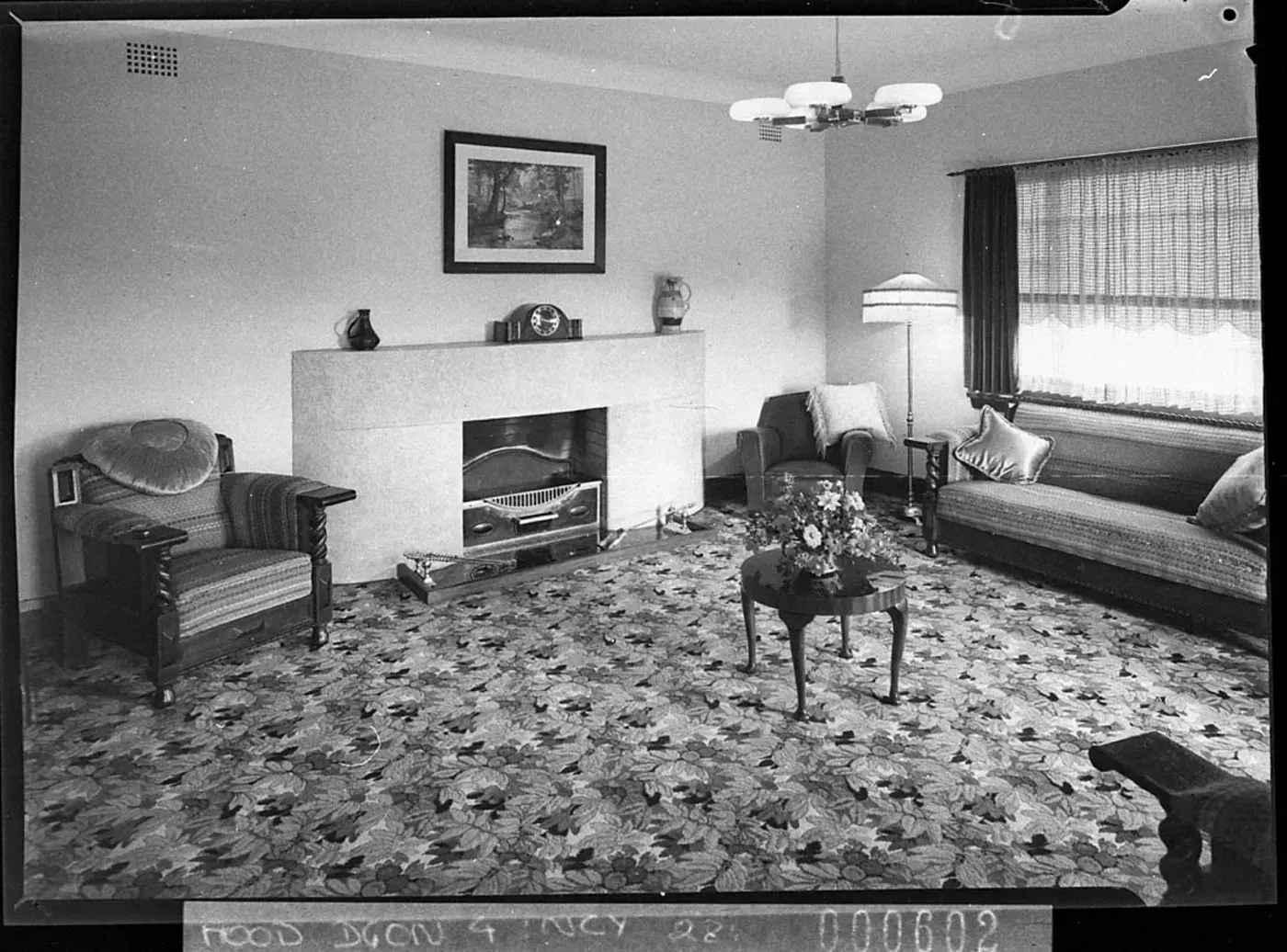
Buyers in 2025 expect hard flooring in main living areas as carpet is seen as high-maintenance, prone to stains and less durable than modern flooring options. Let’s be honest here. Carpet in living rooms and hallways has become a red flag for many house hunters. It traps allergens, wears unevenly, and often carries odors that are impossible to fully remove. Wall-to-wall installations in living rooms or dining areas are increasingly rare in thoughtful modern design as they’re prone to staining and trap allergens. The numbers back this up too. Total carpet sales declined 4.1% in 2024 to $7.15 billion, with residential carpet sales down 6.2%. Meanwhile, luxury vinyl plank and hardwood are surging in popularity because they look high-end without the maintenance headaches. By the time 2031 rolls around, expect wall-to-wall carpeting to be viewed the same way we now view popcorn ceilings.
All-Gray Everything
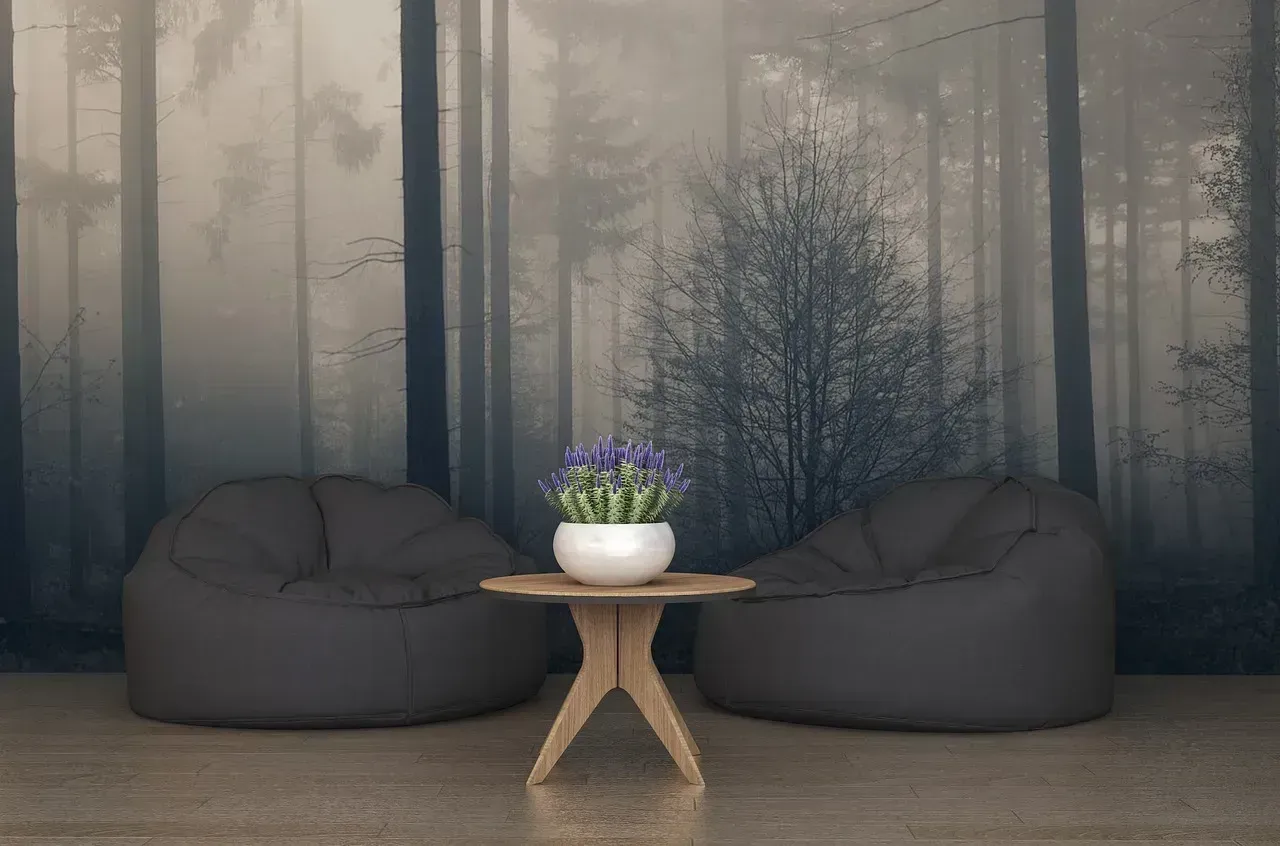
For years, real estate investors have relied on gray walls, gray flooring, and gray cabinets to create a modern look, but in 2025 this trend is dead as buyers now see all-gray interiors as cold, outdated, and overdone. I think we’ve all experienced gray fatigue at this point. What started as a fresh alternative to beige has turned into a generic, soulless aesthetic that screams “cheap flip.” Warm, earthy neutrals like beige, taupe, and creamy whites are trending as buyers seek homes with personality and warmth. The shift away from gray is happening faster than many homeowners realize. Properties decked out entirely in gray tones are already sitting on the market longer, and that problem will only intensify as we approach 2031.
Oversized Jacuzzi Tubs
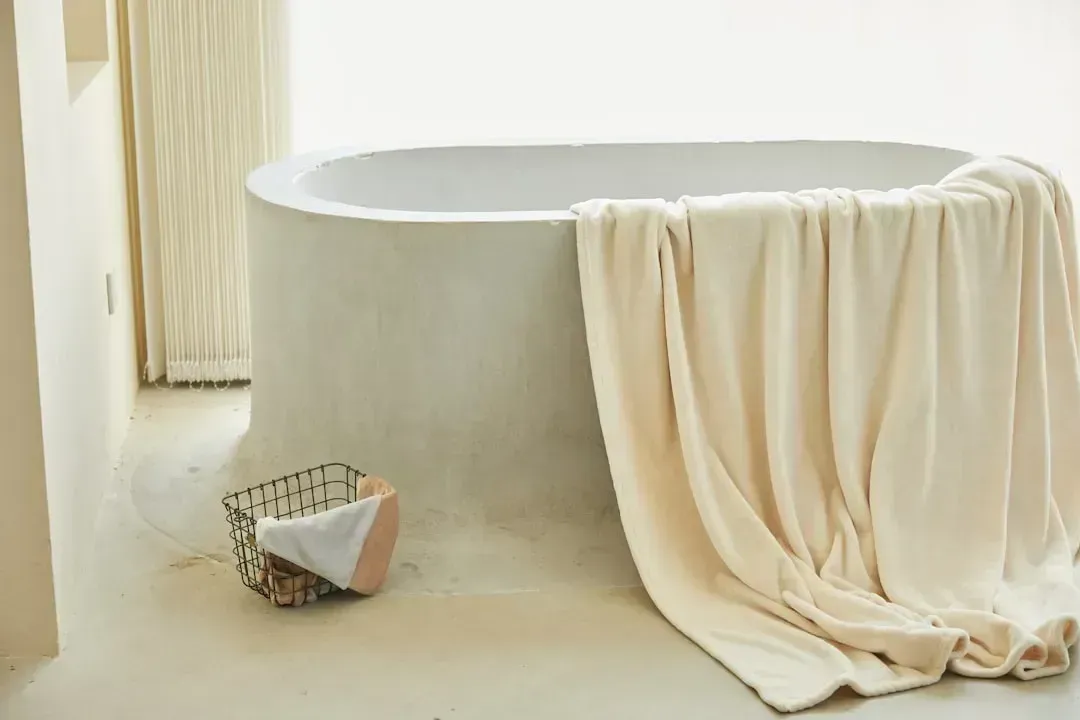
Here’s a surprising one that caught many homeowners off guard. More than a quarter of renovators remove the bathtub, a bathroom trend that has continued for the last few years. Those massive corner jetted tubs that were all the rage in the early 2000s? They’re becoming bathroom liabilities. Most people never actually use them because filling a giant tub takes forever and wastes water. They’re also incredibly difficult to clean, and the jets can harbor bacteria. The shower versus tub decision is less about design trends and more about long-term usability, safety, and resale flexibility, as rising renovation costs and aging-in-place planning mean removing a bathtub is no longer a simple decision. Smart homeowners are replacing these behemoths with spacious walk-in showers featuring multiple shower heads and built-in seating. It’s hard to say for sure, but I suspect by 2031 a home with one of these giant unused tubs will actually detract from its value rather than add to it.
Popcorn Ceilings
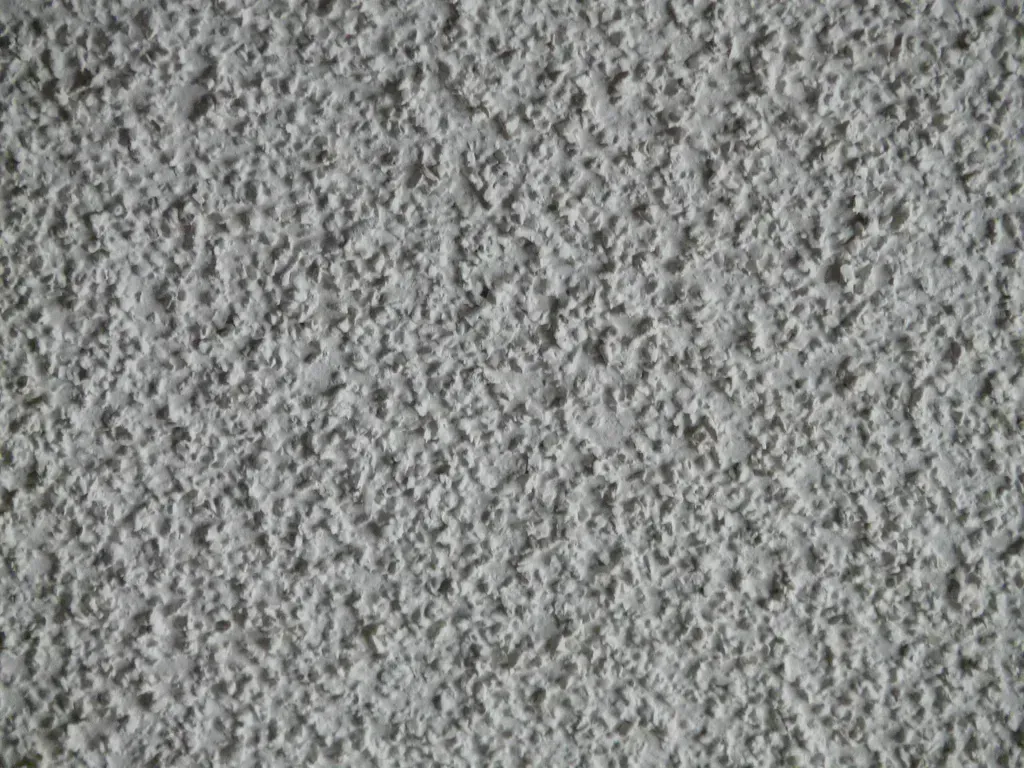
Properties lagging in updates, sporting ancient heating systems, inadequate insulation, and dated kitchens and bathrooms, or those missing smart home features, are becoming tougher to sell at desired prices. Popcorn ceilings fall squarely into this category of features that scream “this house hasn’t been updated since 1985.” They collect dust, are nearly impossible to clean, and often contain asbestos in older homes. The texture was originally used to hide imperfections and provide acoustic dampening, but modern buyers view them as an eyesore that immediately signals deferred maintenance throughout the property. Removing popcorn ceilings is messy and time-consuming work, which means buyers will either walk away or demand a significant price reduction to cover the cost of having them scraped and the ceilings refinished. Within the next six years, homes with popcorn ceilings still intact will be increasingly difficult to sell at market value.
Builder-Grade Everything

Buyers are more educated than ever and can spot cheap materials instantly, as basic subway tile, hollow-core doors and builder-grade finishes scream low quality. There’s a growing sophistication among homebuyers that’s making generic, mass-produced features a real problem. The trend is moving toward custom touches that don’t feel mass-produced. We’re talking about those flat-panel oak cabinets, basic chrome hardware, and standard white appliances that look like they came straight from a bulk order. The internet has given buyers access to high-end design inspiration, and they know what quality looks like now. Properties filled with builder-grade materials are starting to feel cheap and unloved, regardless of how new they actually are. As we get closer to 2031, the gap between upgraded homes and those still sporting original builder-grade features will widen dramatically in terms of marketability and value.
Outdated Smart Home Avoidance

According to a 2024 survey, nearly 70 million households in the U.S. were already leaning toward homes with integrated smart tech. This one might surprise you because it’s not about having something outdated – it’s about not having something modern. Homes without any smart technology integration are quickly becoming the dinosaurs of real estate. High-net-worth buyers are looking for homes with sophisticated automation, from AI security systems to voice-controlled environments. We’re not just talking about a smart thermostat anymore. Buyers expect smart locks, integrated security systems, app-controlled lighting, and energy management systems as baseline features. The lack of these technologies signals to buyers that the home hasn’t kept pace with modern living standards. By 2031, trying to sell a completely “dumb” home will be like trying to sell a car without air conditioning. Sure, some people might be interested, but you’re cutting out a huge portion of potential buyers and leaving serious money on the table.
Homes Lacking Energy Efficiency
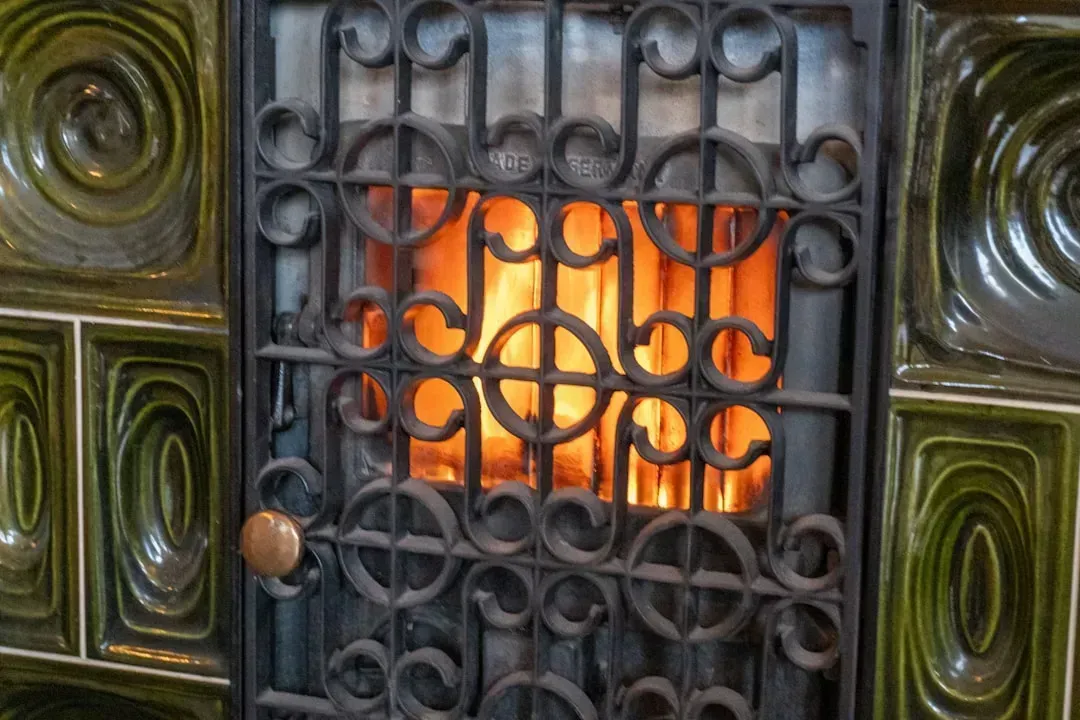
Properties with ancient heating systems and inadequate insulation are becoming tougher to sell at desired prices due to economic instability and a shift in consumer demands towards sustainability and modern features. Energy costs have been rising steadily, and buyers are getting smarter about long-term ownership costs. More homebuyers are prioritizing eco-friendly, energy-efficient homes as concerns about the environment continue to grow, wanting homes that reduce their carbon footprint and lower energy bills. Homes with single-pane windows, poor insulation, outdated HVAC systems, and no solar options are becoming harder sells in many markets. The monthly cost of heating and cooling these energy vampires is substantial, and informed buyers are factoring those ongoing expenses into their purchase decisions. In 2025, homes with solar panels, energy-efficient appliances, and sustainable building materials are becoming more common. As utility costs continue climbing and environmental consciousness grows, homes without energy-efficient features will face an uphill battle for buyer interest through 2031 and beyond.
The real estate landscape is evolving faster than most homeowners realize. These eight features represent substantial shifts in what buyers value and expect from their homes. Honestly, if your home checks multiple boxes on this list, it might be worth considering some strategic updates sooner rather than later. The gap between modernized homes and those clinging to outdated features will only grow wider as we approach 2031. What do you think? Are there features in your home that might already be working against its value?