The Property Line Trap: 9 Ways a Neighbor Can Legally Claim Part of Your Yard
You mow your lawn every week. You tend to your garden with care. You’ve lived there for years thinking every square foot of that grass, every tree, every patch of dirt, belongs to you because your deed says so. Then one day a neighbor casually mentions something about “their side” of the yard, or a surveyor’s report drops a bombshell that changes everything.
Suddenly, property you thought was yours might not be anymore. Sounds impossible, right? Here’s the thing: it happens more often than most people realize, through completely legal mechanisms most homeowners have never heard of. Let’s look at how your neighbor could quietly acquire a portion of your land without you even knowing it was at risk.
1. Adverse Possession: The Squatter’s Secret Weapon
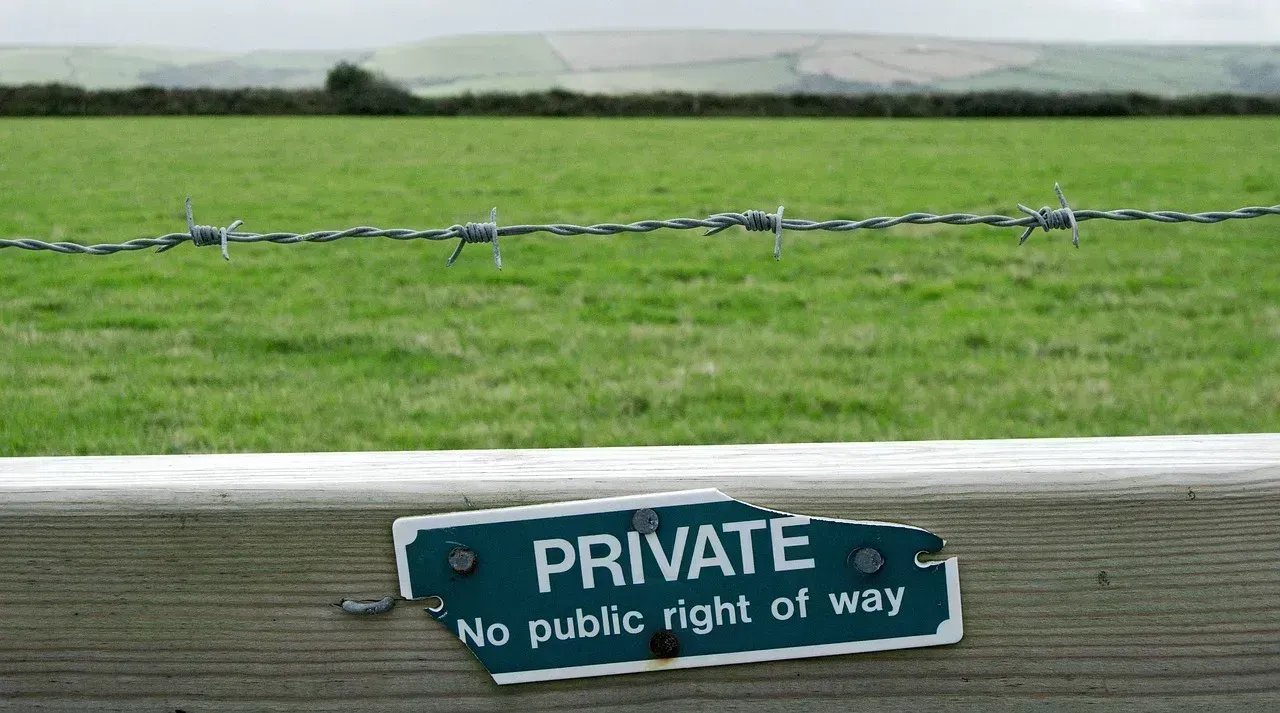
Adverse possession is a doctrine under which a trespasser, in physical possession of land owned by someone else may acquire valid title to the property. A neighbor who puts up a fence three feet over the boundary line or a neighbor who has been using your garage for several years without your permission could make the legal argument that they now own the property over the boundary line or garage. Think it’s unbelievable? It absolutely happens.
In California, the trespasser must maintain continuous possession of the land for the statutory period, which is typically five years. To qualify as adverse possession sufficient to get ownership, the trespasser’s occupation of the land typically must be hostile, actual, open, and notorious. The doctrine of adverse possession favors the productive use of land and punishes property owners who do not exercise and enforce their property rights promptly. The law essentially rewards people who use land productively while penalizing owners who ignore what’s happening on their own property.
2. Boundary by Acquiescence: When Silence Means Agreement
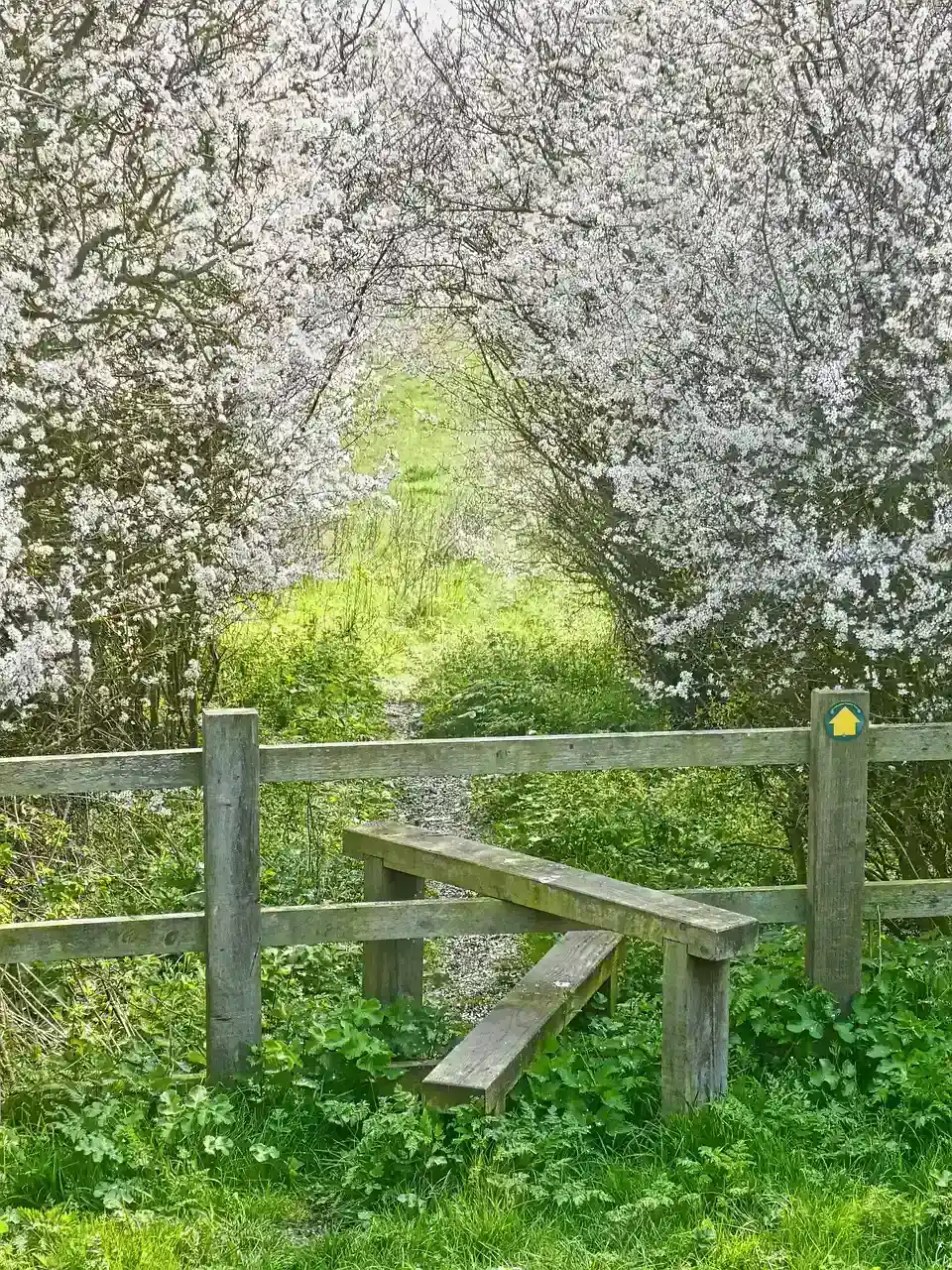
The doctrine of acquiescence is a legal concept that may be utilized by a property owner to help determine the boundary line between two properties by looking at the past conduct of neighboring property owners. Let’s be honest, this one is particularly sneaky because it doesn’t require hostile intent. It is the mutual recognition of a dividing line by two adjoining property owners for at least ten years.
Where adjoining property owners acquiesce, or accept, a boundary line for at least fifteen years, that line becomes the actual boundary line. If the law of acquiescence applies, then one property owner may lose title to some amount of their land and the other property owner will gain title to the land that was lost. So that old fence your grandfather put up decades ago? If it’s slightly over the line and nobody complained, it might have just become the new legal boundary.
3. Prescriptive Easements: Your Driveway Isn’t Just Yours Anymore

A prescriptive easement allows someone other than the property owner to gain the right to use a property. This doesn’t transfer ownership, but it grants someone else legal access to your land. Suppose your neighbor starts parking in your driveway without your permission. You don’t stop them, and they continue to do it year after year. Allowing someone to access your property for years without permission may grant them the legal right to access it in the future.
In California, the statutory period is five years of continuous, open, and unpermitted use. The claimant’s use of the land must be open and notorious use, actual, hostile, and exclusive and continuous use of the property for a specified number of years as required by their state’s laws. Once established, that easement runs with the land, meaning future buyers inherit it.
4. Encroachment That Goes Unchallenged
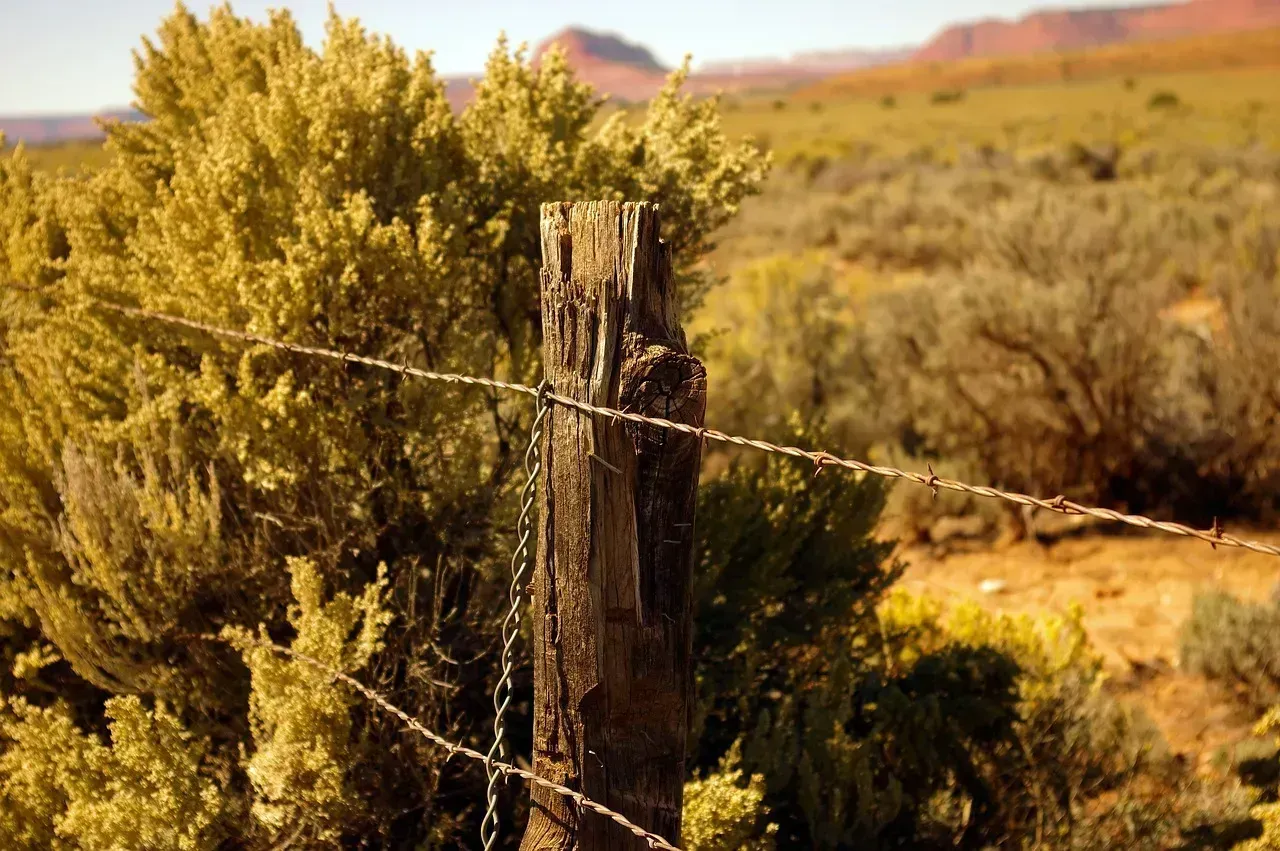
An encroachment is when a property owner constructs or extends an unauthorized physical structure into their neighbor’s land or property. Maybe it’s a shed built two feet over the line, a deck extension, or even tree roots spreading underground. The encroaching party may assert ownership through adverse possession, even if their deeds do not entitle them to the property.
In some cases, encroachments may go unnoticed for years, only becoming a legal issue when a property is sold or a boundary dispute arises. Over time, the encroachment can turn into an easement, which gives someone access to your property for a limited purpose. The longer you wait to address it, the stronger their legal claim becomes.
5. Mistaken Surveys and Reliance on Old Markers
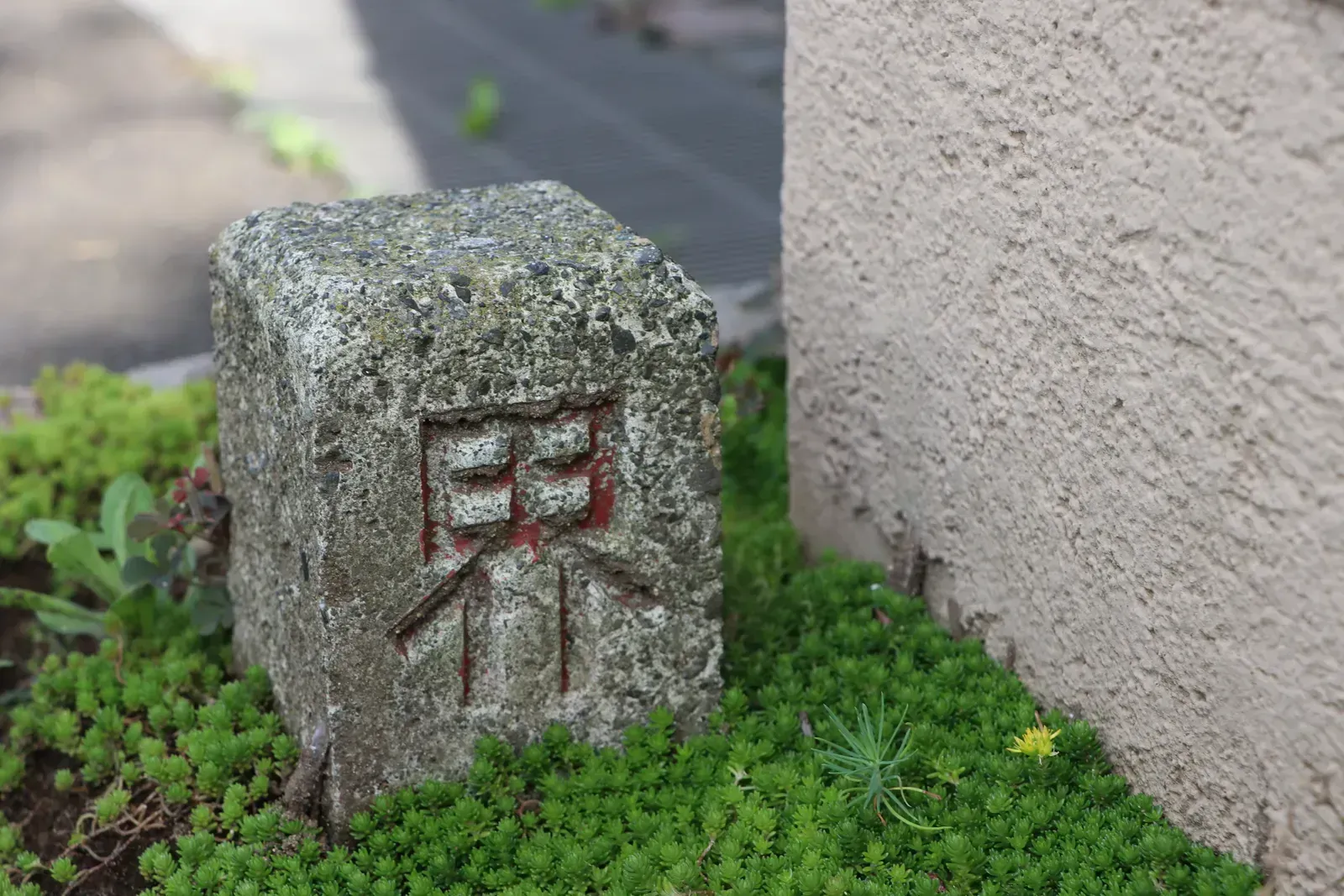
Disputes over overlapping property lines often arise from unclear or outdated legal descriptions. In 2019, a New York homeowner faced a lawsuit over a boundary line discrepancy due to an error in a decades-old deed. Sometimes the problem isn’t malicious neighbors but inaccurate information that’s been accepted as truth for generations.
In some circumstances, adverse possession happens as a genuine mistake. Due to an incorrect deed or mistaken belief, a neighbor may extend their backyard onto their neighbor’s property. If a dispute arises over property lines, a plat survey may be necessary to redraw boundaries, with costs averaging between $800 and $1,200. By the time you discover the error, legal precedent may have already shifted in your neighbor’s favor.
6. Implied Easements by Necessity
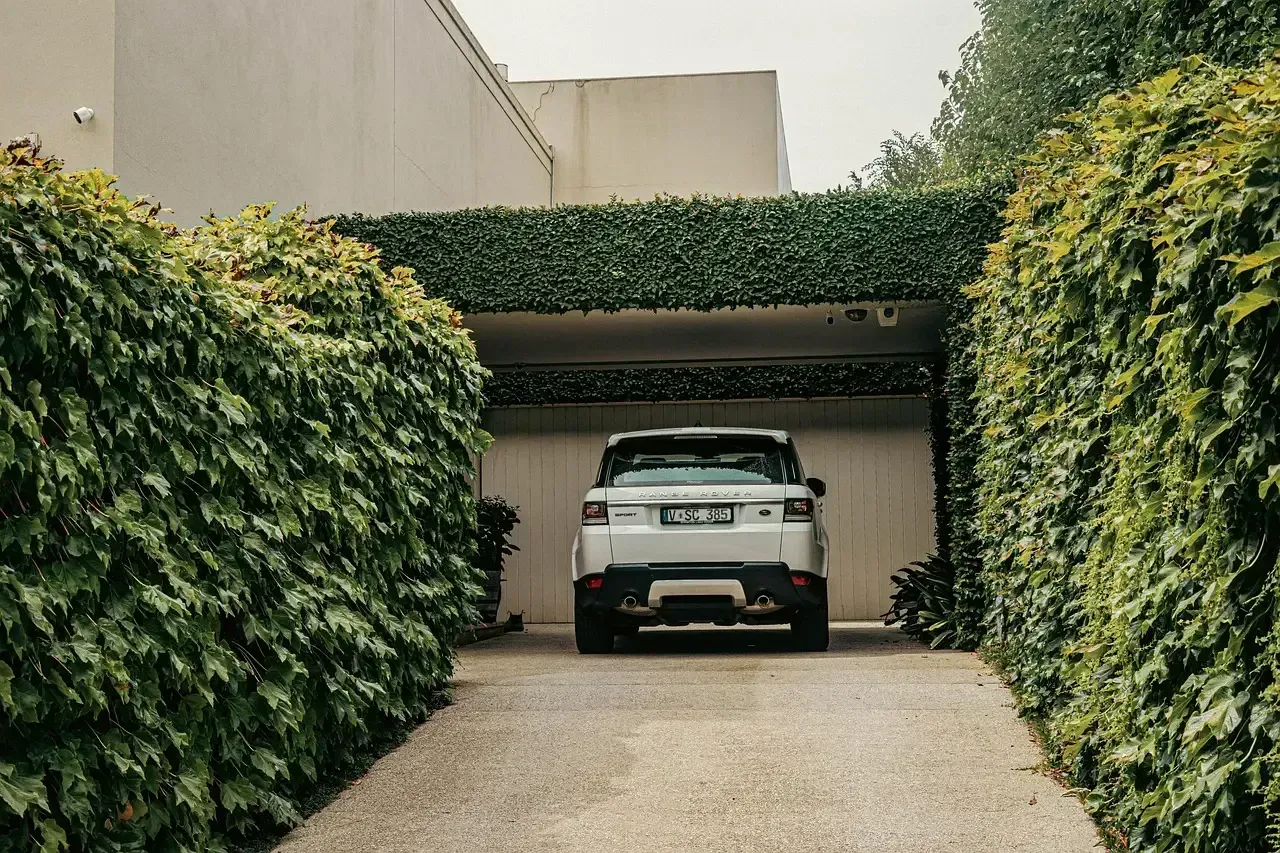
Courts establish easements by necessity when landlocked properties have no reasonable access to public roads. Landlocked property owners will generally need to get an easement, either from their neighbor or from the court, to legally access their property. If your property is the only way for a neighbor to reach theirs, a court might grant them an easement across your land whether you like it or not.
A right-of-way easement is a legal agreement that grants an individual or entity the right to travel across or use another person’s land for a specific purpose. This type of easement is commonly used to provide access to a property that would otherwise be landlocked. Courts tend to favor practical access over strict property rights in these scenarios.
7. Utility Easements Morphing Into Broader Access
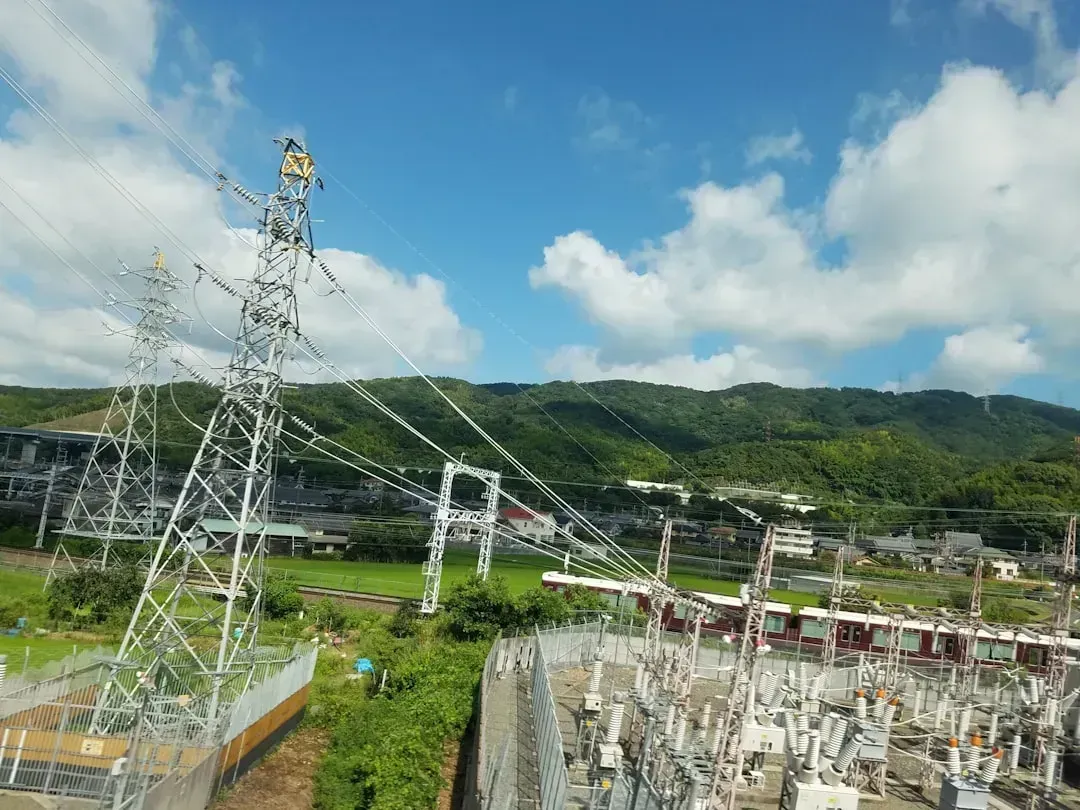
Utility easements are granted to utility companies by property owners to provide access to necessary utilities. Private property owners cannot block or obstruct existing utility easements. Here’s what most people don’t realize: these easements can sometimes be leveraged by neighbors or others for broader access than originally intended.
Utility easements are sometimes referred to as affirmative easements because they grant a utility company legal access to a property for a specific use. A utility company will likely need to access your property for repairs and to maintain or expand its infrastructure. They have the right to use every square inch of land that the easement is located on. You as the servient estate do not have a right to prevent their use on any of it unless they agree.
8. Oral Agreements and Handshake Deals Gone Wrong

If both parties acknowledge a line and agree to treat it as the property boundary, the agreement may be enforceable. When neighbors respect a certain boundary for many years without dispute, a court may uphold that line, even if it differs from the legal description. Perhaps your grandfather told the neighbor they could use part of the driveway decades ago. No paperwork. Just a friendly conversation.
It is based on an implied agreement indicated by a long-standing marker such as a fence or a hedgerow. Interestingly, this can lead to the recognition of a de facto property boundary. If the neighbors then agree to a line to settle the dispute and a fence is built along this line, this likely qualifies as acquiescence. Verbal agreements might seem harmless, but courts can enforce them as binding.
9. Tacking: Inheriting Someone Else’s Claim
Many jurisdictions allow an adverse possessor to tack on his or her period of adverse possession to a previous possessor’s period, so long as there is no lapse in time between the two occupations. As a new owner, the statutory period doesn’t have to restart when you buy the property. This means you can claim that the trespass began when the garage was built. Since 40 years is past the typical statutory period, the neighbor-owner has forfeited their ownership of the property.
Even if your current neighbor only moved in recently, they can inherit the claim from the previous owner who’d been encroaching for years. The clock doesn’t reset with new ownership. So if the prior owner used your land for a decade, and the new neighbor continues for just another five years, the full statutory period might be satisfied. You could be fighting a battle that started long before you or they ever arrived.