8 Kitchen Trends That Are Already Outdated – Avoid Number 5 at All Costs
Kitchen renovations are expensive, time-consuming, and deeply personal. The last thing you want is to pour tens of thousands of dollars into a design that looks dated before the paint has even dried. Yet, it happens constantly. Styles that once felt fresh and forward-thinking can turn stale with shocking speed, and the kitchen – arguably the most used room in any home – is especially vulnerable to the cold sting of a passing trend.
The good news is that design professionals, contractors, and industry researchers have been watching closely. The National Kitchen and Bath Association (NKBA), the world’s leading trade association for the roughly 230-billion-dollar kitchen and bath industry, surveyed hundreds of industry experts including designers, manufacturers, remodelers, and architects to identify exactly what is shaping kitchens right now. Their findings, alongside a wave of real-world contractor insight, paint a pretty clear picture of what needs to go. So let’s get into it.
1. The All-White Kitchen – A Look That Has Officially Overstayed Its Welcome
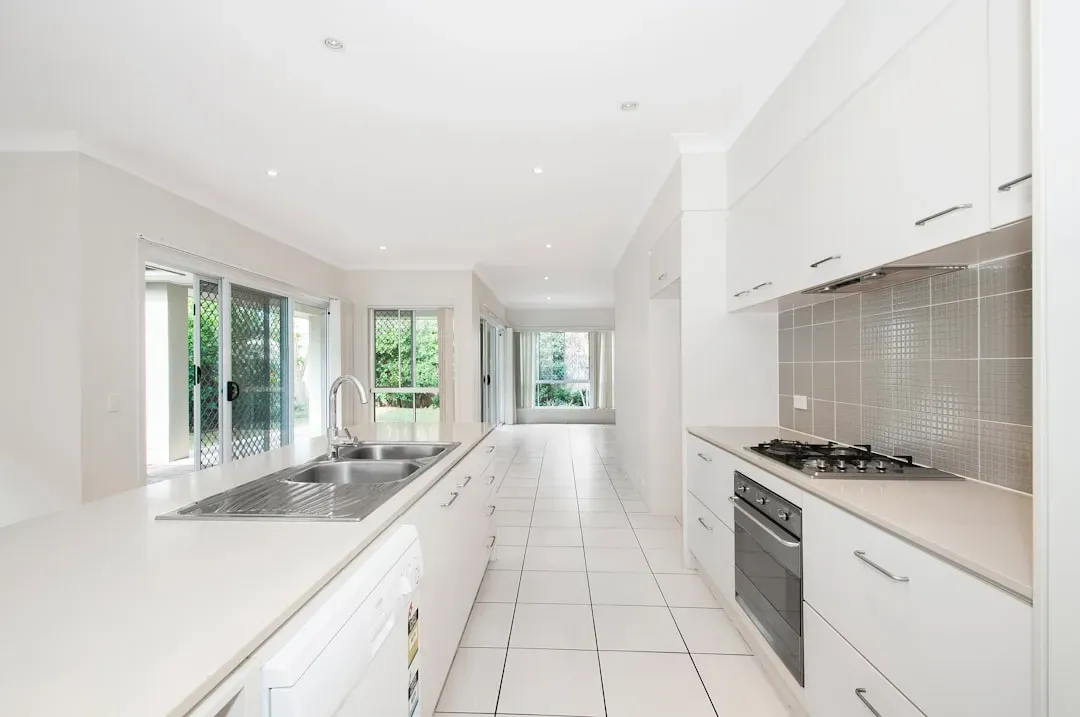
For over a decade, the all-white kitchen felt like the safe, universally stylish choice. Crisp cabinets, white subway tiles, snowy countertops – it was clean, it was bright, and it was absolutely everywhere. That ubiquity is precisely why it is now a problem.
All-white kitchens had a long run, but sterile, monochromatic palettes can feel cold and uninspired in 2026. Honestly, walking into a completely white kitchen these days feels less like walking into a home and more like stepping into a clinic.
According to a recent Houzz survey, although white remains the top choice for kitchen cabinets, its dominance has decreased by a few percentage points over the last two years. The shift is subtle but real. Instead of going completely white, today’s designers are adding depth with earthy tones, wood accents, and contrasting cabinetry. Think of it like seasoning food – a single, flat note gets boring fast, no matter how clean it tastes.
2. Open Shelving Everywhere – Pretty in Photos, Exhausting in Real Life
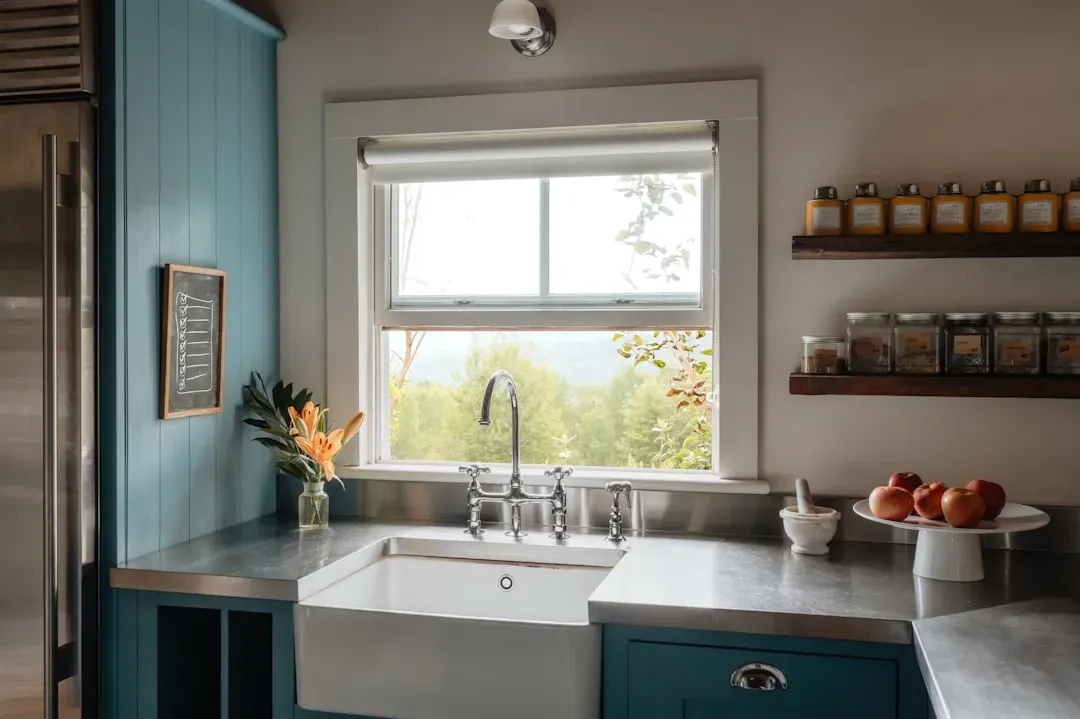
Open shelving had its big Instagram moment, and for a while, those perfectly curated shelves with artfully arranged ceramics looked genuinely wonderful. The problem is that almost nobody actually lives that way. Real kitchens have mismatched mugs, half-used spice jars, and the occasional greasy splatter.
There is no one culprit that holds the blame for the decline of open shelves from the trend charts. The maintenance and upkeep was always a sore point for homeowners. Given the amount of grease and dust generated in the kitchen, a more diligent cleaning schedule was required for open shelves.
Gone are the days of cluttered countertops and peekaboo shelving. Over the past few years, the trend toward open shelving has slowly waned. Homeowners now are looking for a cleaner, more uniform look in their busy spaces – and this includes the kitchen. In response, the vast majority of upgraded kitchen cabinets now include some type of specialty storage. The era of the curated shelfie is giving way to something far more sensible.
3. The Modern Farmhouse Aesthetic – Shiplap Has Seen Better Days
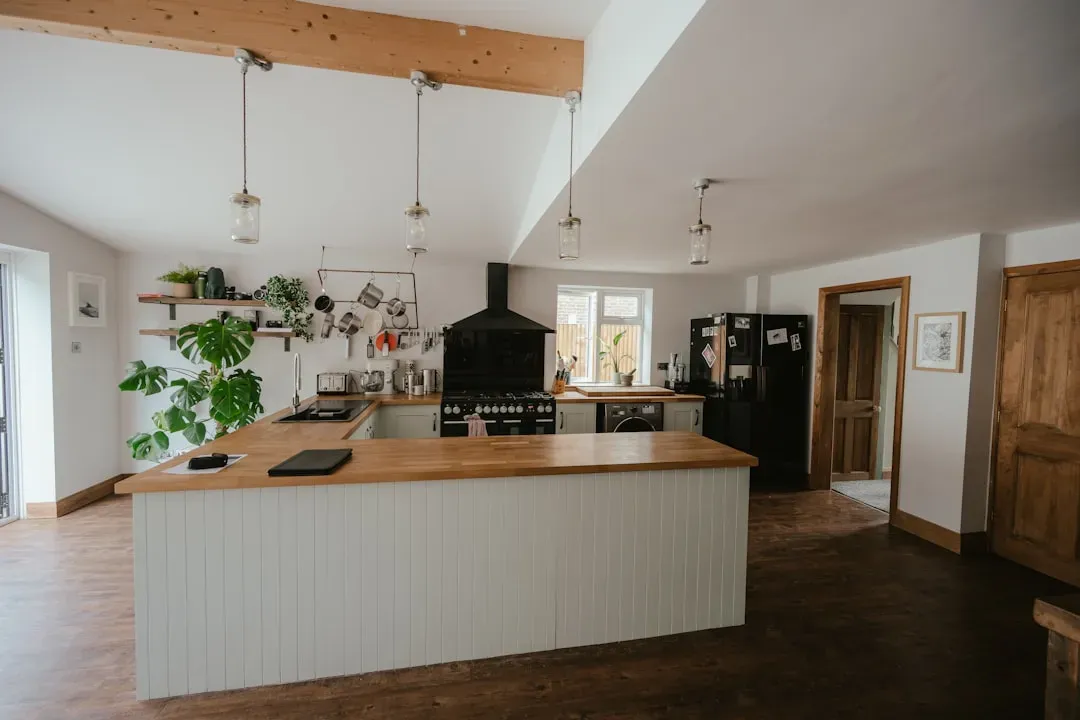
Few design trends dominated the 2010s quite like the modern farmhouse kitchen. Shiplap walls, apron-front sinks, exposed wood beams, barn door hardware – it was charming when it was fresh. That was a while ago, though. Now it just looks like every kitchen ever featured on a home renovation television show.
Rustic and farmhouse kitchens, long oversaturated in the market, are falling out of favor, with people now looking for less obvious approaches to add texture and interest to their kitchens. The desire for character in the kitchen is still very much alive. It is just finding new, more interesting expression.
Once a hallmark of the farmhouse aesthetic, shiplap reached peak saturation in the 2010s. While its linear texture brought depth to walls, its overuse has rendered it a design cliché. Painted wood paneling, plaster finishes, and even bold wallpaper are stepping in as far more interesting alternatives.
4. Wall-to-Wall Upper Cabinetry – Heavy, Boxed-In, and Visually Exhausting
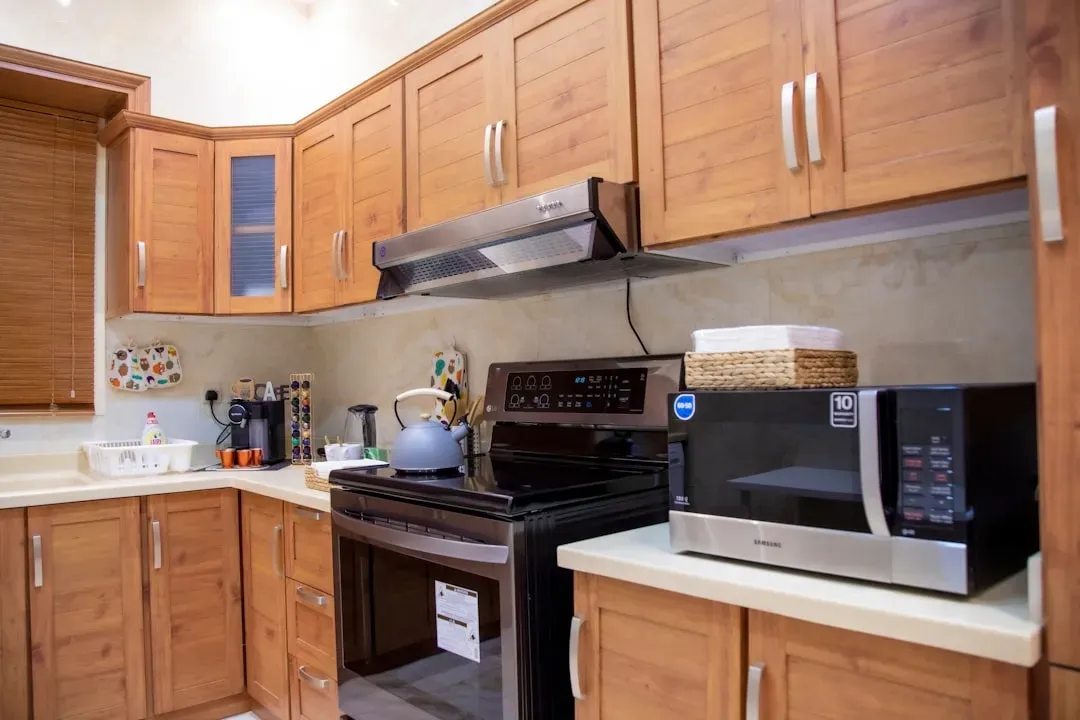
The logic behind filling every wall with cabinetry always made sense on paper. More storage, right? In practice, the result tends to feel dense and almost suffocating, especially in kitchens that are not enormous to begin with. It turns a cooking space into something that feels more like a storage unit.
When upper cabinets stretch across an entire wall, the kitchen can start to feel boxed in. Large uninterrupted rows of cabinetry create a dense visual block that makes the space look more like a storage wall than a living area. In many kitchens built over the past decade, designers maximized storage by filling every inch with cabinetry. While practical, the result often feels heavy and overly structured, especially in smaller spaces.
Design trends in 2026 are moving away from this fully built-in look. Instead of covering every wall with cabinets, designers are introducing more breathing room through floating shelves, freestanding pantry units, and mixed cabinetry approaches. It is a shift that makes kitchens feel more like actual rooms people want to spend time in.
5. The All-White Subway Tile Backsplash – The Most Overused Element in Kitchen History
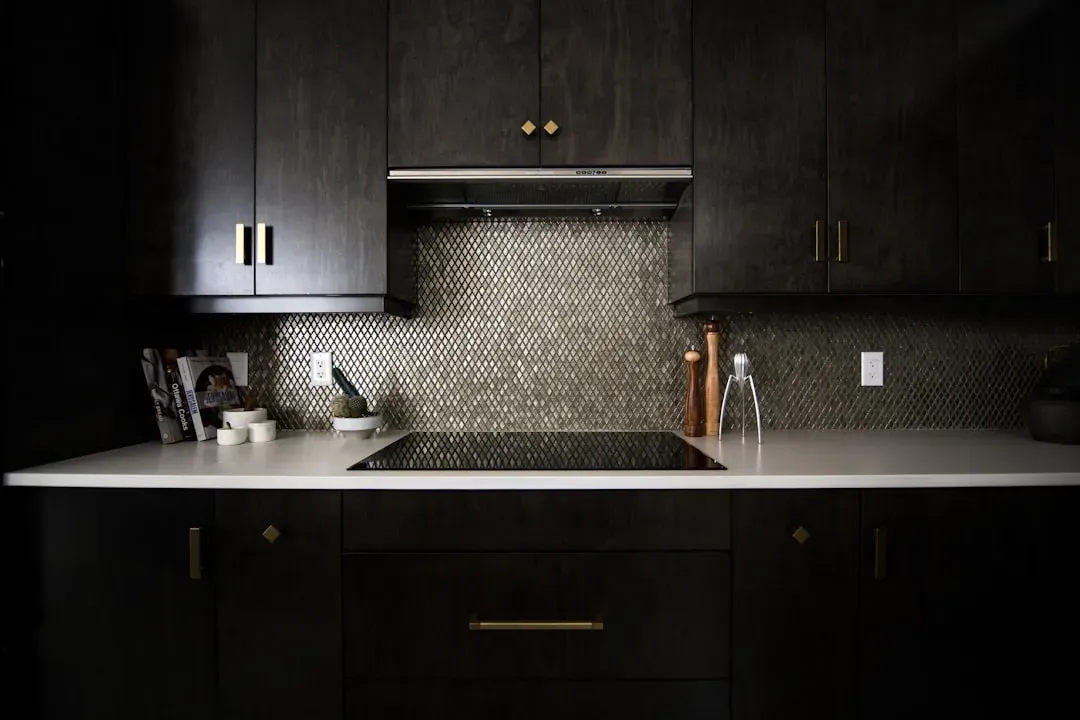
Here it is. Number 5. The white subway tile backsplash. Let me be direct: if you are about to install white subway tiles in a 3×6 horizontal brick pattern behind your kitchen counter, please stop and reconsider. This is the single most overused design element in recent kitchen history, and it has officially reached the point of no return.
In 2026, this once-popular backsplash is starting to feel overused. Because subway tiles appear in so many kitchens, the look can now feel predictable and lacking in character. Designers are increasingly replacing basic subway tile with materials that add more texture and depth. The subway tile is basically the beige of backsplashes at this point – technically inoffensive, absolutely forgettable.
Handmade ceramic tiles, zellige, stone slab backsplashes, and vertically stacked tiles are becoming more popular choices because they bring visual interest while still keeping the kitchen timeless. Continuous backsplashes are the way to go – a solid slab of quartz, stone, or porcelain behind your sink will give your kitchen a sense of life while keeping maintenance easy. It is a worthwhile investment that will not look embarrassingly dated in three years.
6. The Fully Open-Concept Kitchen – The Pandemic Changed Everything
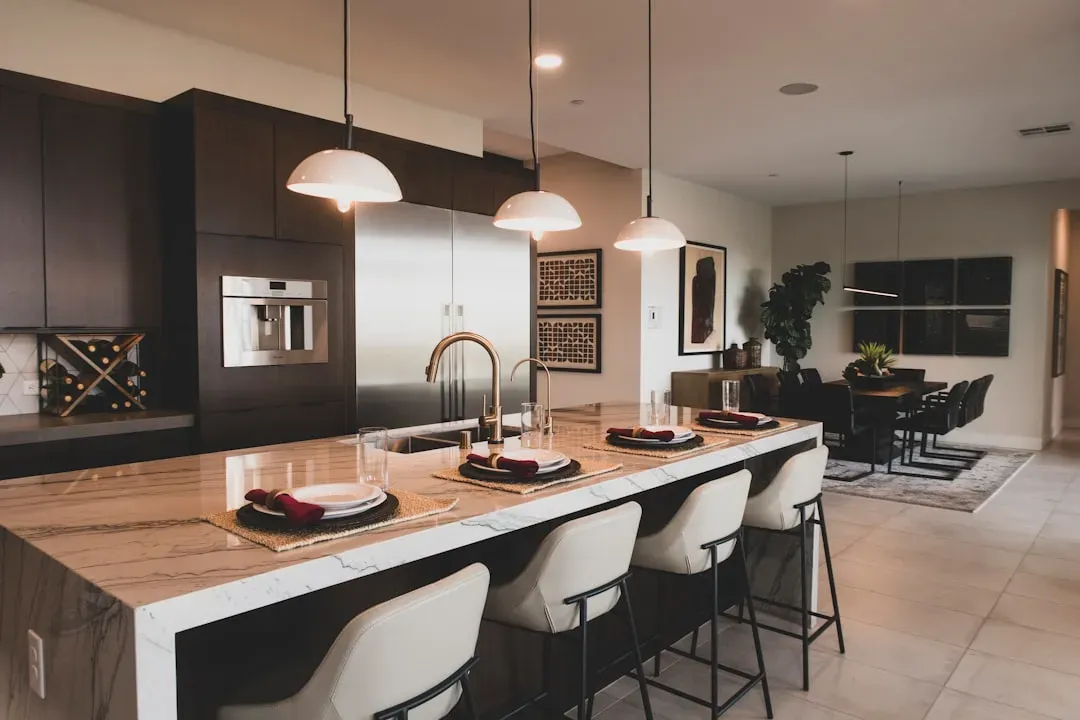
The open-plan kitchen was the dream for decades. Knock down the walls, let it all flow together, and suddenly your home feels spacious and sociable. It worked, for a while. Then everyone spent a year or two stuck inside those open plans and discovered firsthand that cooking smells, noise, and general mess travel remarkably well without walls to stop them.
Open-concept kitchens have been everywhere over the last few decades, perhaps driven by countless property shows. However, in recent years, they have been declining in popularity, partly due to the low-level chaos that open floor plans create. Open-concept kitchens invite more noise, more smells, and less privacy, and all of this makes things a lot less intimate.
Designer Lucy Glade-Wright has observed a move towards the “broken plan” style instead of the traditional open plan. “Wide open spaces are great, but not in interiors these days. We’re seeing a preference towards partition zones rather than an open plan layout.” This “broken plan” approach allows for visual connection while creating more defined spaces for different activities. It is a smarter, more livable compromise than the all-or-nothing approach.
7. Matte Black Hardware – A Once-Sharp Trend Now Looking Tired
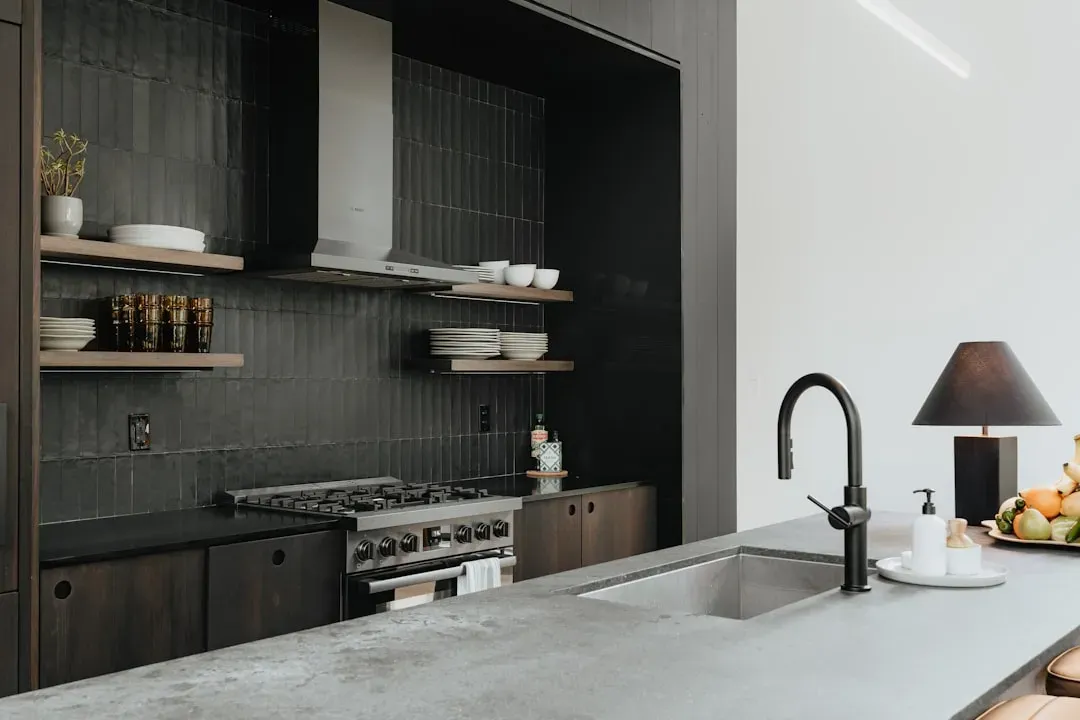
Matte black hardware had a real moment. Faucets, cabinet pulls, knobs, light fixtures – the deep, flat black finish felt fresh and dramatic against pale cabinetry for a few years. It photographed beautifully and gave kitchens an edge. The problem, as with so many trends that spread too fast, is saturation.
Matte black has had its day. The shift now is toward metallics for kitchen hardware. Brass, brushed gold, polished nickel, and warm bronze are stepping in as more nuanced, layered choices that feel genuinely elevated rather than just on-trend. High-polish finishes are also a no-go in 2026, with brushed and satin finishes the most popular choices. A muted sheen is the best bet for the kitchen regardless of the metal color chosen.
Think of hardware like jewelry for the kitchen, as designers often say. You wouldn’t wear the same chunky black statement piece to every occasion. Mix it up, lean warm, and let the hardware add genuine personality rather than just following the loudest trend of last decade.
8. The Industrial Kitchen Look – Cold, Clinical, and Completely Over
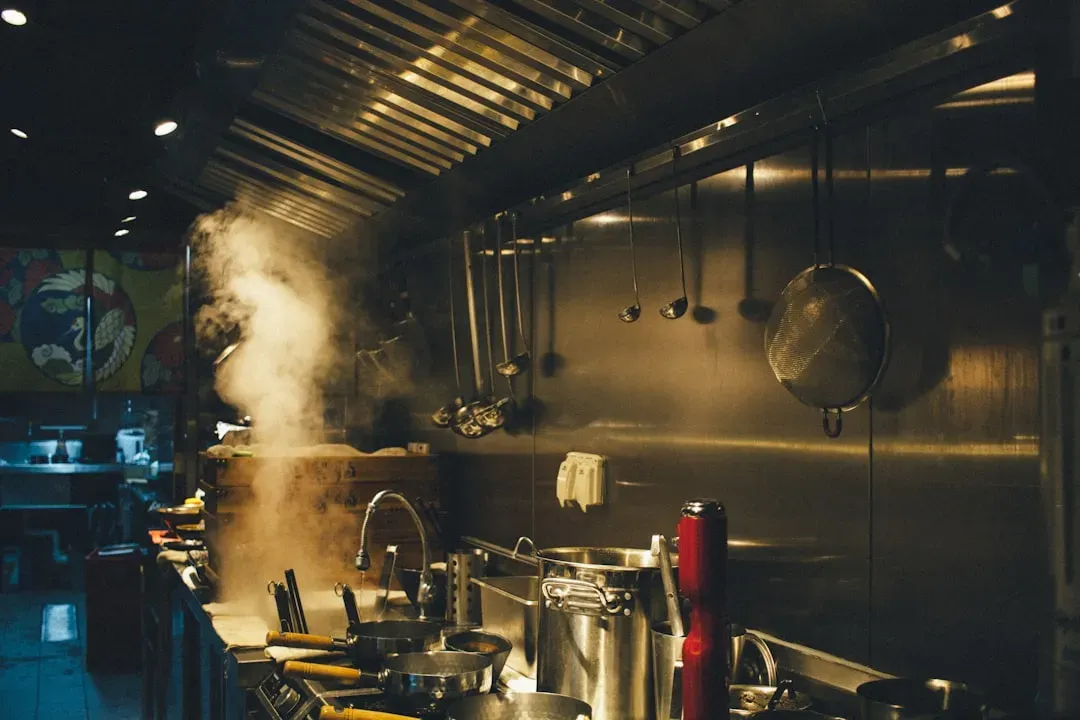
The industrial aesthetic borrowed from restaurant kitchens and urban lofts – stainless steel appliances everywhere, exposed pipes, concrete surfaces, utilitarian pendant lights, and an overall vibe that said “professional chef” rather than “warm family home.” It felt cool for a time. Now it mostly just feels cold. Literally cold.
Industrial style has its place, but it is not the kitchen in 2026. Hardware can be a sort of jewelry to the kitchen, and overly industrial looks can take over the aesthetic and overpower other elements of the design. Most of the trends fading in 2026 revolve around themes that either lacked lasting charm or weren’t practical over the long run – including industrial coldness and monotone minimalism.
According to NKBA’s 2026 report, the kitchen will continue to evolve toward a more intelligent, personalized, and health-conscious space that supports modern lifestyles. That vision has no room for a space that feels like you need a hairnet and safety goggles to enter. There is a particular kind of refinement emerging in kitchen design that many in the industry are calling “quiet luxury” – instead of chasing trendy statements, homeowners are gravitating toward quality materials, expert craftsmanship, and details that reveal themselves slowly.
The through-line connecting all eight of these fading trends is really quite simple: homeowners are done with kitchens that look good in photos but fail in daily life. Real warmth, real texture, real personality – that is what is taking their place. If you are planning a kitchen renovation right now, the question is not just “what looks good today” but “what will still feel right in ten years?” That is a question worth sitting with. What would you have guessed was the most overdone kitchen trend of the past decade – and does number 5 surprise you?