The No-Go List: 6 European Cities That Have Become Major Tourist Traps
There is something quietly heartbreaking about arriving at a place you have dreamed about for years, only to find it buried under selfie sticks, overpriced menus, and endless queues. Europe has long been the world’s most magnetic travel region, but that magnetic pull has a dark side. The very thing that makes these cities beautiful is being slowly crushed under the weight of the crowds that come to admire it.
Europe welcomed nearly 340 million international tourists in just the first half of 2025, a four percent increase from 2024 and seven percent higher than pre-pandemic levels, according to the United Nations Tourism Organization. The numbers sound impressive until you actually stand in the middle of a once-charming alley that now smells of sunscreen and fast food. From protests and entry fees to outright bans, these six cities have become cautionary tales of what happens when tourism devours its own host. Let’s dive in.
1. Venice, Italy – The City That Now Charges You Just to Walk In
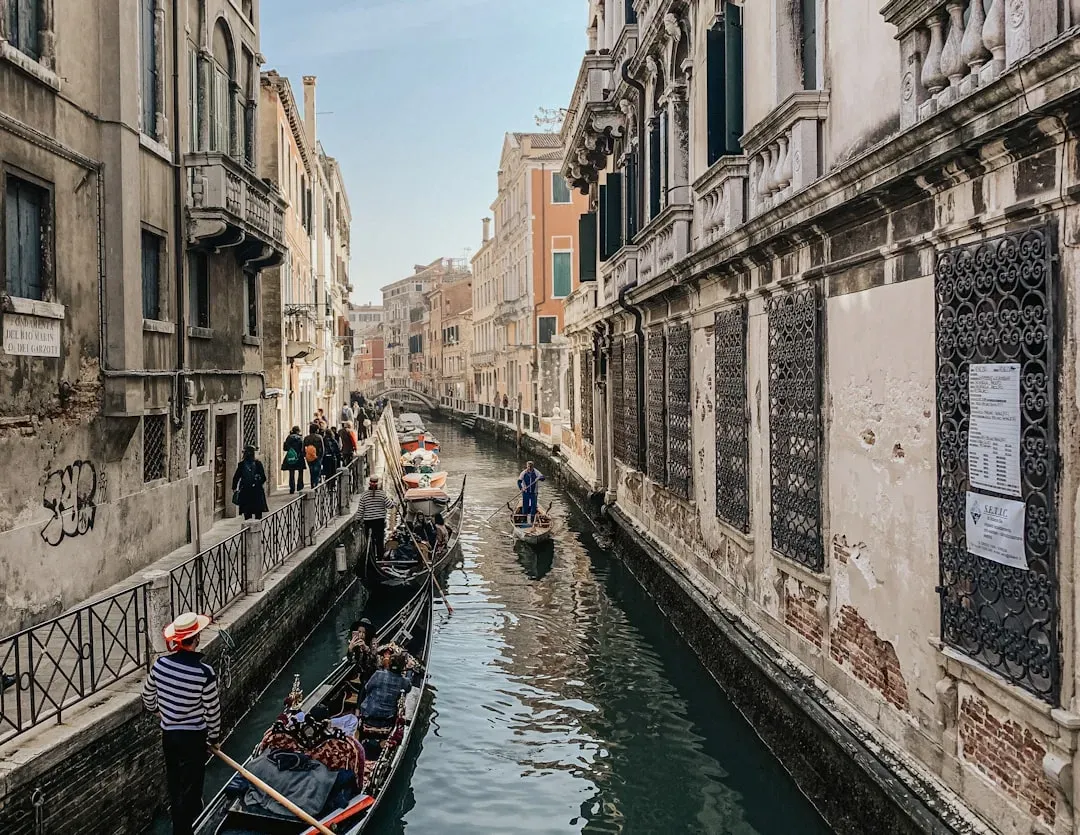
Venice has always been a city on the edge, literally and figuratively. It floats on a lagoon, sinks a little more each decade, and for years has been inundated by visitors in numbers its narrow alleyways were simply never designed to handle. Honestly, it is hard to think of another place in the world where the tension between beauty and overcrowding feels quite so raw.
Around 30 million visitors shuffle through the city of canals each year, yet only around three million will actually stay the night. Venice covers roughly three square miles, with much of that space occupied by canals. Meanwhile, its resident population has shrunk from 170,000 in the 1950s to around 50,000 today. Think of it this way: a city the size of a small American suburb somehow absorbs a crowd the size of a major nation.
In ongoing efforts to combat overtourism, Venice doubled down on its tourist entry fee. Following a 29-day trial run in 2024, the floating city reintroduced and expanded the tourist entry fee program, requiring it on 54 days during the high season in 2025. The fee was doubled to €10 for day visitors who arrive without reservations during peak hours, targeting last-minute travelers visiting on high-demand days including weekends and holidays.
Venice introduced the long-discussed day-tripper fee after the city narrowly escaped being placed on the UN’s list of endangered heritage sites, due largely to the impact of overtourism. Activists sounded a warning when the number of tourist beds officially overtook the number of residents, saying the imbalance drains the city of services, clogging its tight alleyways and water buses with suitcase-toting tourists and pushing residents to the mainland. When a city has more beds for tourists than for its own people, you have to ask: who does it actually belong to anymore?
2. Barcelona, Spain – Where Locals Started Spraying Tourists with Water Guns
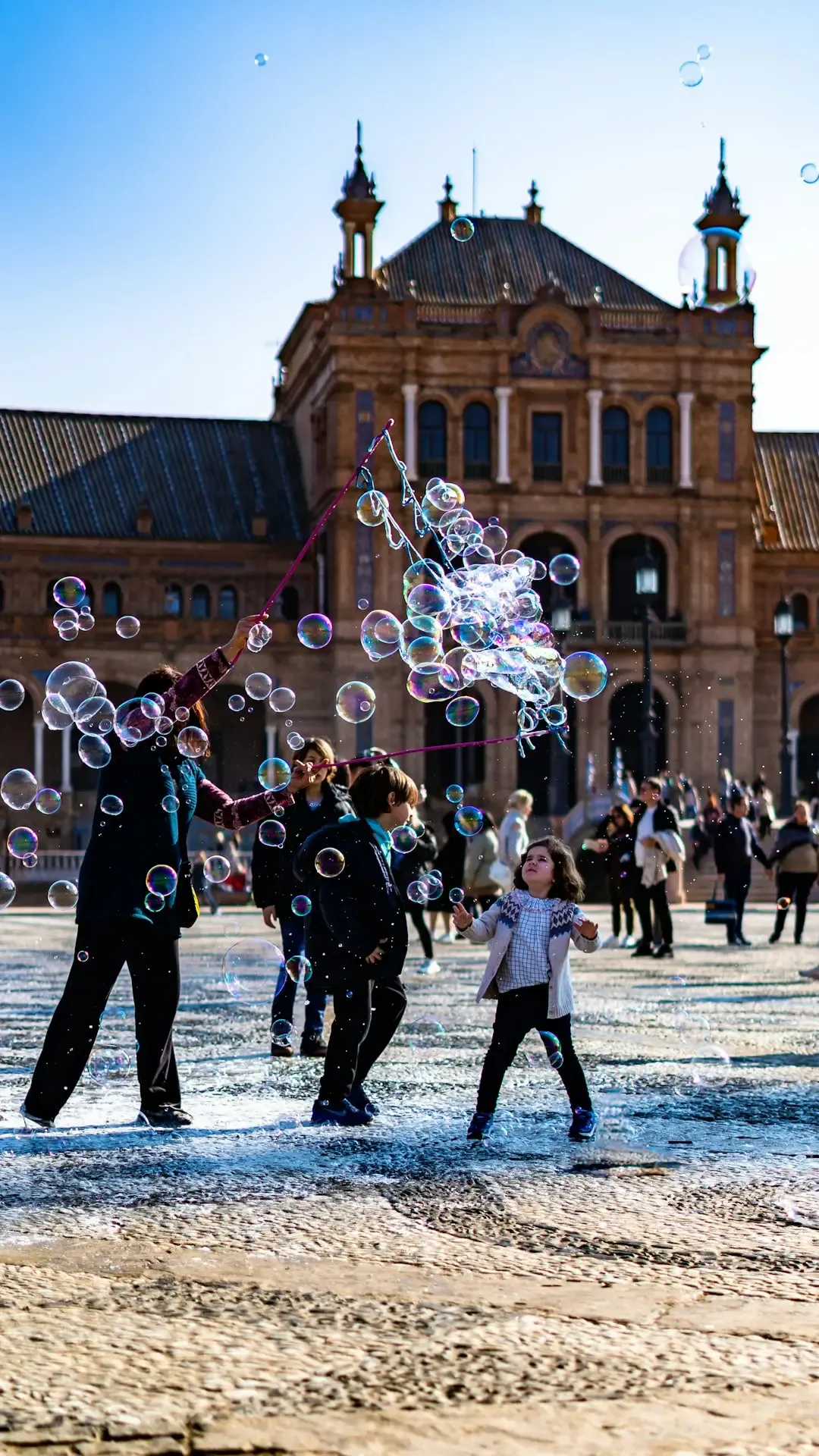
When residents of a city resort to squirting visiting strangers with water guns to make a political point, something has clearly gone very wrong. Locals unable to walk through Barcelona’s clogged streets sprayed visitors with water guns. It sounds almost funny until you understand the genuine desperation behind it.
Barcelona, home to 1.7 million Spaniards, drew 15 million tourists in 2024, prompting these water-gun protests about being overcrowded. In terms of sheer tourist concentration, Barcelona records approximately 152,110 tourists per square kilometer. That is not a travel destination. That is a pressure cooker.
Barcelona has gone further than most European cities with its plans, announcing its intention to eliminate all tourist rentals by 2028. In July 2025, the city also announced a significant change to its cruise tourism policy, with two of its cruise terminals at the Moll Adossat port set to be permanently closed by October 2026, reducing the city’s cruise traffic by nearly half, driven by concerns over crowding in historic neighborhoods and pollution from docked ships.
In Barcelona, the share of inbound visitors out of total arrivals exceeds 80 percent. Rather than protesting against tourism itself, a valuable economic source in the Mediterranean, residents demanded a more sustainable model, as soaring house prices and overcrowded places triggered frustration and anger among locals. The proliferation of apartments rented to tourists has caused rents to spike, pricing out locals. Let’s be real: when a city’s own people can no longer afford to live there, calling it a travel destination starts to feel morally complicated.
3. Dubrovnik, Croatia – The Game of Thrones Curse
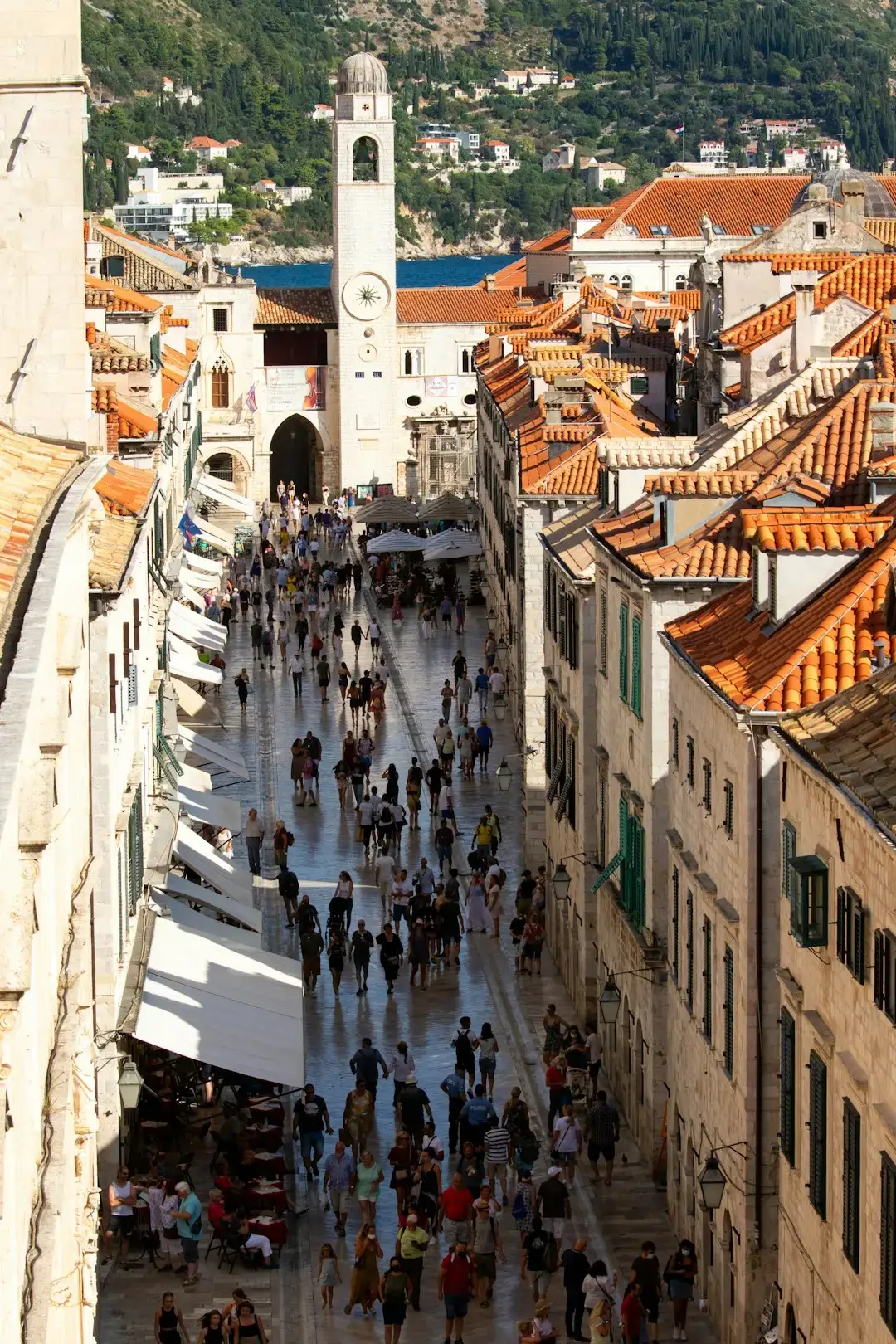
Dubrovnik was already one of Europe’s most stunning walled cities before a certain HBO fantasy show decided to film there. Then the whole world wanted a piece of King’s Landing, and the medieval streets of the Adriatic jewel were simply never the same. It is a classic case of pop culture tourism gone completely out of control.
According to the 2025 Overtourism Report by Wellness Retreats Magazine, Dubrovnik ranks second globally in tourist-to-resident ratio, with 32 tourists per resident. Cruise ships unloading thousands of day-trippers can overwhelm places like Dubrovnik’s Old Town, where narrow streets fill shoulder-to-shoulder and even the stone pavement has been worn smooth by feet. The cobblestones are literally being polished away.
Dubrovnik has faced consistent complaints of overcrowding and high prices, and local authorities have introduced caps on cruise ship berths and higher taxes. After daily caps on cruise visitors were introduced, some port-related revenues declined, but hotel occupancy and length of stay increased, suggesting a possible shift toward slower, higher-value tourism.
Despite everything, Dubrovnik actually walked away with a Special Award at the 2025 Wanderlust Reader Travel Awards for its efforts toward sustainable tourism, recognized as a city that was once a symbol of overtourism and has worked to restore balance by capping visitor numbers within its historic walls, limiting cruise ship arrivals and tightening short-term rental rules. There is some hope there, if the will holds. But for now, visiting in peak season still means sharing those famous walls with thousands of sweaty strangers all chasing the same photograph.
4. Amsterdam, Netherlands – A City Actively Trying to Repel Tourists
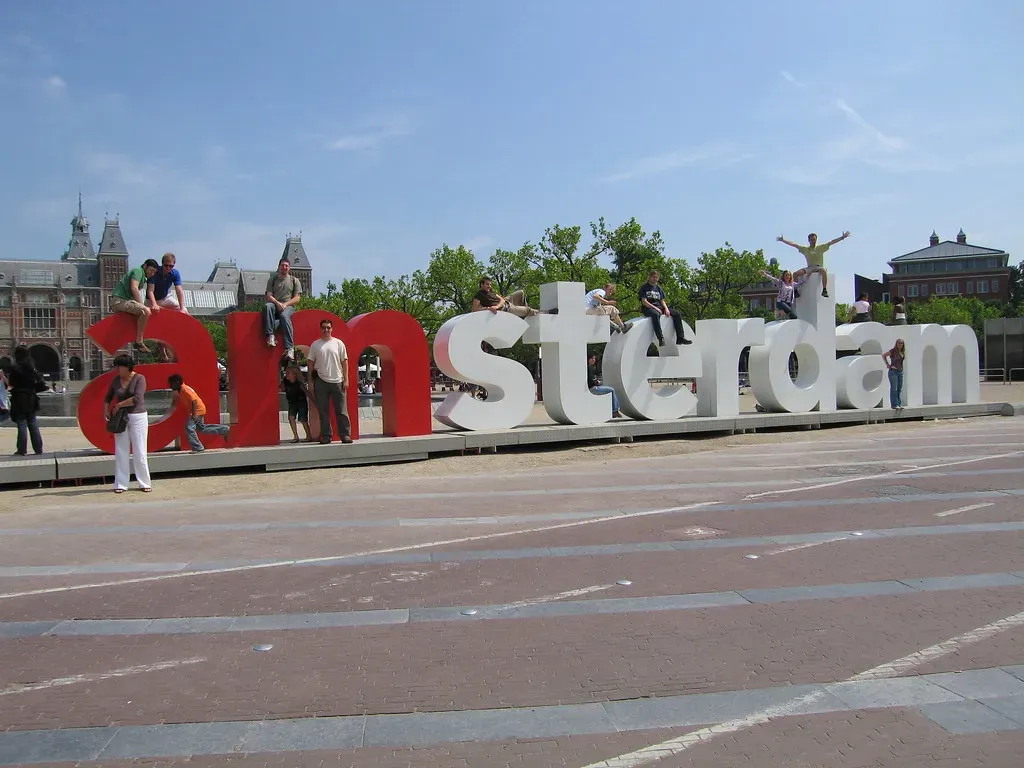
Here is something you do not hear every day: a city running official campaigns telling tourists not to come. Amsterdam has reached that point. The Dutch capital, long synonymous with canals, cycling, and a certain permissive nightlife, has become so overwhelmed by visitors that local authorities have launched some of the most aggressive anti-tourism policies anywhere in Europe. It is a wild situation.
In 2021 the Amsterdam City Council approved a “Tourism in Balance” policy that caps visitor numbers at 20 million per year and obliges the municipal executive to act if the figure reaches 18 million. Amsterdam records approximately 113,999 tourists per square kilometer, placing it among the most tourist-dense cities on the planet. The city has also banned new hotel construction to try to keep those numbers from rising further.
Amsterdam plans to phase out its cruise terminal near the city center by 2030, citing sustainability goals and resident concerns. In Amsterdam and Barcelona, politicians recently decided to double the nightly tourist tax as part of coordinated efforts to discourage purely volume-driven tourism. The logic is simple: if you make it more expensive and less convenient, perhaps you attract fewer but more mindful visitors.
Much of the recent backlash from locals is because tourism is coming at the cost of a lower quality of life and spiking housing costs. With an uptick in the number of properties dedicated to hospitality, the market for rentals has shrunk, causing home prices to increase. I think this is the pattern you see in almost every city on this list, honestly. The tourist economy does not just take over the streets. It takes over the housing market too, and that is when things get really ugly for the people who actually call it home.
5. Prague, Czech Republic – The Stag Party Capital of Europe
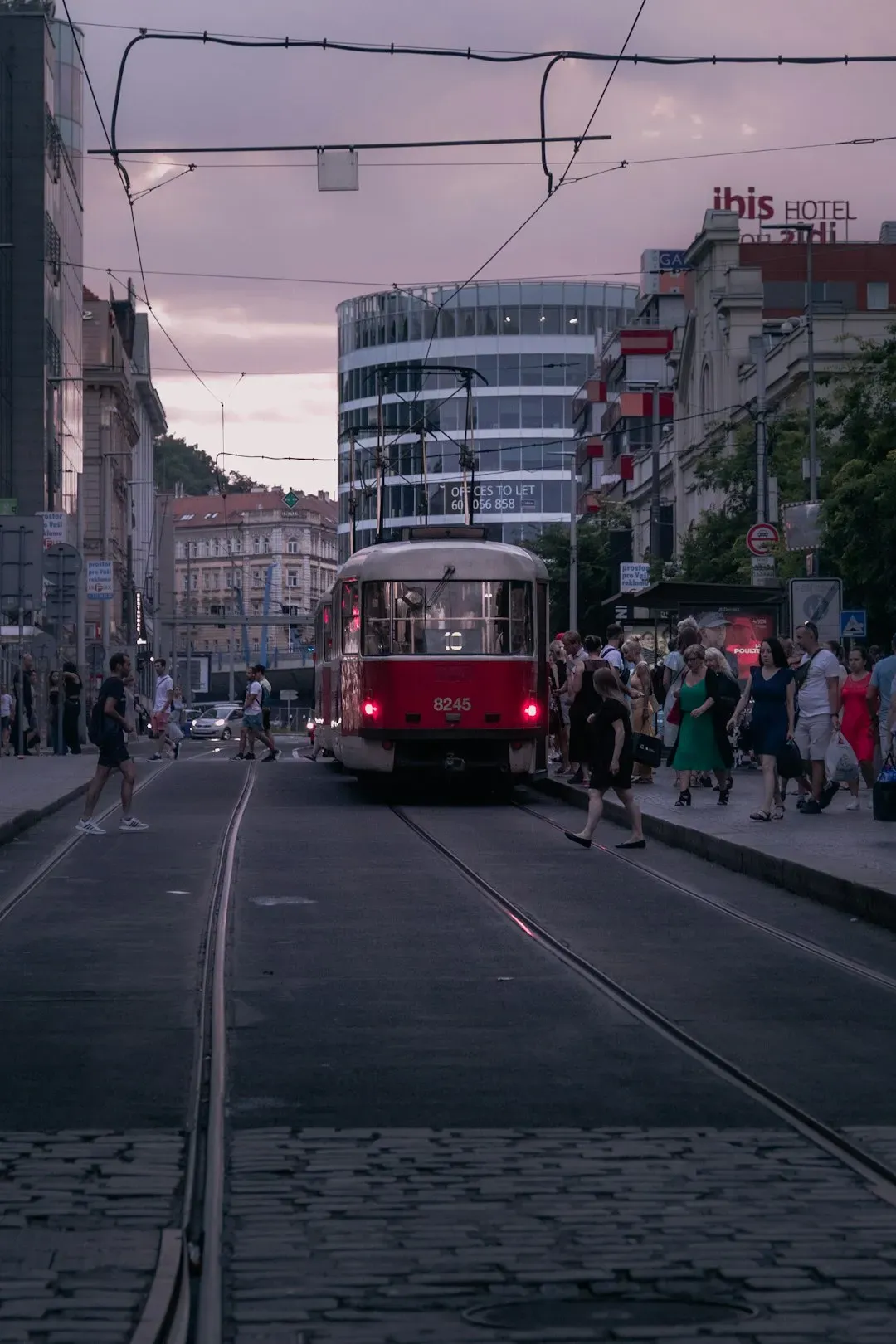
Prague is breathtaking. Its Gothic architecture, medieval bridges, and fairytale old town make it one of the most visually striking cities in all of Europe. Unfortunately, it has also become known for something else entirely: cheap beer tourism, rowdy bachelor parties, and streets that transform into something almost unrecognizable after dark.
Prague saw around 8.1 million visitors in 2024, a nine percent rise on 2023, dwarfing its 1.3 million population. Stag dos are a major problem in the UNESCO-listed city centre, and the city council has banned organised late-night pub crawls and explored banning “silly” stag party costumes. When a city has to legislate against novelty fancy dress, you know it has a problem.
Among the most overvisited European locations, Amsterdam, Antwerp, Berlin, Dubrovnik, Edinburgh, Ljubljana, Paris and Prague have all shown stability in their overtourism ranking over multiple study periods, meaning their overcrowding problems are not getting better with time. In October 2024, Prague banned guided bar-hopping tours after 10pm to reduce disruptions from rowdy tourists.
Prague’s authorities announced plans to limit the amount of short-term tourist accommodation available, hoping that the proposed move will bring down real estate prices and ensure residents are not forced out by tourists. It is a city that is genuinely fighting for its own soul. The tragedy is that the very things that made Prague so magical, its authenticity, its slightly melancholy grandeur, are exactly what cheap mass tourism tends to destroy. You come for the fairy tale and find a theme park.
6. Santorini, Greece – The Instagram Island That Is Losing Its Charm
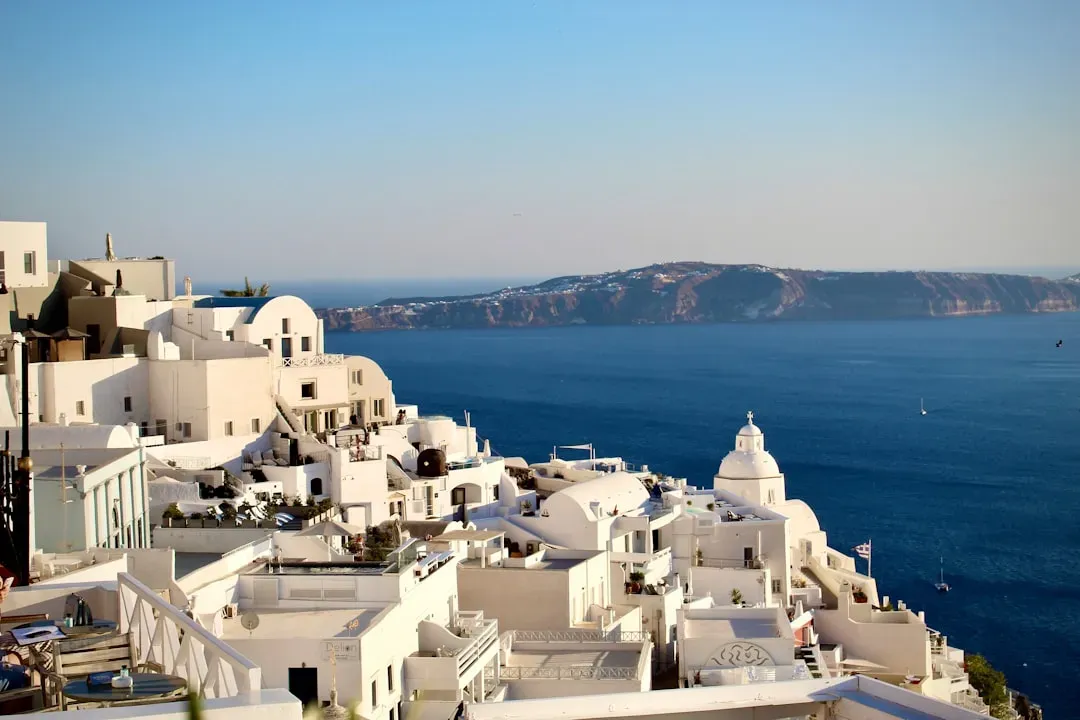
Of all the places on this list, Santorini might be the saddest story. It is still staggeringly beautiful, there is no denying that. The white cube houses, the electric-blue domes, the caldera dropping away into the sea below, it looks exactly like every photograph you have ever seen. That is actually the problem. Santorini has become a backdrop, not a place.
Santorini struggles to accommodate a staggering 3.4 million tourists annually, according to Mayor Nikos Zorzos. The increasing influx of foreign visitors is overwhelming the island’s infrastructure and pricing its 20,000 permanent residents out of the housing market. In 2024, reports documented up to 18,000 cruise passengers overwhelming the island daily, straining resources for its 15,000 residents.
High costs for accommodation, dining, fuel, and transport often deliver questionable value. Meals frequently feature overpriced frozen imports. The experience feels uniform, with cloned hotels, infinity pools designed for social media, and sunset selfie marathons dominating the area. Real local culture fades in tourist hubs, with generic shops and restaurants taking its place.
To manage visitor numbers, the Greek government introduced a cruise passenger fee starting July 1, 2025. For Santorini, the fee is €20 during the high season from June to September. In the second quarter of 2025, businesses in accommodation and food services experienced a sharp decline in revenue, with losses exceeding 20 percent compared to the same period in 2024. It’s hard to say for sure whether that reflects the tourism crisis, the earthquake scares of early 2025, or both, but the island is clearly at a crossroads. As Santorini’s own mayor put it: “If you destroy the landscape, one as rich as ours, you destroy the very reason people come here in the first place.”