The Lemon Wedge Warning: 9 Reasons Servers Avoid Putting Citrus in Their Own Water
It looks innocent enough. A cheerful yellow wedge balanced on the rim of your water glass, offering the promise of freshness and a hint of vitamin C. Most of us don’t think twice about it. Servers, however, know something that most diners don’t – and many of them quietly skip the lemon altogether when it comes to their own drinks.
There’s a whole hidden world behind that little slice of citrus, and it involves bacteria, bare hands, recycled fruit, and a few genuinely jaw-dropping research findings. The science is real, and the insiders have spoken. Let’s dive in.
1. Nearly 70 Percent of Restaurant Lemons Are Contaminated
Let’s start with the number that should make everyone pause before squeezing. Seventy-six lemons from 21 restaurants were sampled during 43 visits, and 53 of them – that’s nearly 70 percent – produced microbial growth. This wasn’t some obscure fringe experiment. It was published in the respected Journal of Environmental Health.
The study found that the lemon wedges sampled produced microbial growth encompassing a total of 25 different microorganisms including bacteria and yeasts. Think about that. A garnish you probably didn’t even ask for is routinely carrying a cocktail of up to 25 different microbes.
The study noted that the microbes found on the lemon samples had the potential to cause infectious diseases at various body sites. That’s a direct quote from the researchers themselves. Servers who work in kitchens and behind bars are well aware of this data, even if customers are not. Many choose to quietly leave the lemon out of their own glass entirely.
2. Fecal Matter Found on Half of Tested Wedges
Honestly, this one is hard to write about without cringing. Philip Tierno, Ph.D., clinical professor of microbiology and pathology at NYU Langone Medical Center, conducted dozens of experiments, including one commissioned by ABC News, which found that half of lemon wedges collected from various restaurants were contaminated with human fecal matter.
Good Morning America tested lemon wedges from six popular family restaurants, and at four of them, the lemons were contaminated with fecal matter, including one sample that was contaminated with E. coli. The words “fecal matter in your water glass” are not exactly the kind of thing printed on a menu. Still, it keeps showing up in lab tests.
There are bacteria from respiratory secretions, skin contamination, and fecal waste, which lead to the presence of things like E. coli, norovirus, enterococcus, and staph on the skins of the wedges. No wonder experienced servers who actually understand how their workplace operates tend to skip the garnish in their own glass. They’ve seen where those hands have been.
3. Servers Handle Lemons With Bare Hands – After Touching Everything Else
Here’s the thing: the contamination often isn’t coming from the lemon itself, but from whoever places it in your drink. A server’s primary concern is the many objects they touched before putting a lemon in a glass of water, including picking up other people’s plates, money, and various other items. Servers do wash their hands frequently, but that is hardly the case during busy hours.
ABC cameras caught employees handling lemons with their bare hands, and in the experience of researchers, restaurants may not be diligently washing lemons – or they rinse them but don’t scrub. Simply rinsing a lemon under a tap is a bit like rinsing your hands without soap. It removes some surface dirt, but it leaves plenty of bacteria behind.
Lemons and limes served with drinks are singled out because they are handled by servers with their bare hands. Even if a server regularly washes their hands, they also handle trays, money, credit cards, and other items that may not be clean. It’s a chain of contact that’s nearly impossible to break in a busy restaurant environment. Servers who know the industry first-hand understand this better than anyone.
4. Lemons Are a Garnish – Not a Food Item, in Restaurant Terms
This might be the most surprising structural problem of all. Lemon wedges are way more likely to have bacteria than the food you order on a plate because restaurant health standards tend to be less strict for garnishes. That means the little yellow wedge perched on your glass exists in a regulatory gray zone. It’s decoration, not dinner.
When you request lemons at a restaurant, you’re essentially trusting that establishment’s hygiene practices without any way to verify them. Unlike ordering a cooked dish where heat kills most bacteria, that raw lemon slice comes to your table exactly as it was handled. There is no heat kill step. No second chance to eliminate contamination.
Bars don’t always have easily accessible sinks for hand washing, and during peak times, staff prioritize speed over sanitation. The tools used at bars, like cutting boards and knives for lemons, might not get sanitized as frequently as kitchen equipment. Some establishments use the same cutting board for lemons all day without proper cleaning between uses. Servers who understand this setup are understandably reluctant to drop one in their own glass.
5. The Contaminated Knife Problem

Even before a server touches a lemon with their bare hands, the slice itself may already be compromised. Oral flora or skin contact can cause contamination, as can the knife that was used to prep the lemons. A knife used on raw produce, or worse, on raw proteins earlier in the shift, carries bacteria directly onto every lemon it cuts afterward.
Contaminated knives can be silent culprits in the spread of bacteria and foodborne illnesses. The residues left on a knife from cutting raw meat, vegetables, or other ingredients can become breeding grounds for harmful microorganisms, posing a serious risk to the health of consumers. Think of a knife as a relay runner in a bacteria relay race.
Lemons go through several stages before they reach your table: someone washes and dries them, another worker preps and slices them, a glass or tray is used to store them, and someone else picks them again to place them in your plates and glasses. Every single one of those handoffs is a potential contamination event. The knife in the prep kitchen is often just the first one.
6. Bacteria Multiply on Wet Lemons – Rapidly
Wet surfaces are bacteria’s best friend. That floating lemon wedge in your glass of ice water? It’s practically a bacteria incubator. Research showed that E. coli could easily make its way to ice and wet lemons 100 percent of the time. However, dry lemons only held this bacteria about 30 percent of the time. The difference between wet and dry is enormous.
When hands were contaminated with E. coli, the bacteria were transferred to wet lemons and ice 100 percent of the time. What makes this worse is that bacteria tend to multiply at room temperature – when lemons were inoculated with E. coli, they increased in population over five times when held at room temperature for four to 24 hours.
In many restaurant bars, lemons are sliced in advance and stored in a tray with chilled soda water to keep them hydrated and ready for use. If servers aren’t using tongs to fish them out, there are a lot of hands going in and out of that dish, which means a lot of germs are likely going into customers’ drinks. A shared tray of wet, open lemon wedges with multiple people dipping in? That’s not a garnish tray. That’s a petri dish with good aesthetics.
7. The Rind Is Even Worse Than the Flesh
Most people assume squeezing only the juice into their drink sidesteps the problem. It helps, but it doesn’t solve it. Germaphobe lemon lovers might opt to squeeze the juice directly into the water instead of letting the wedge float about – doing so will reduce exposure, though not eliminate it, since even the flesh of the lemon can be contaminated.
While contaminants could have come from the fingertips of a restaurant employee via human fecal or raw-meat contamination, they might have contaminated the lemons before they even arrived. Although lemons have known antimicrobial properties, a wide variety of microorganisms may survive on the flesh and the rind of a sliced lemon. The lemon’s natural acidity isn’t enough to do the heavy lifting of disinfection.
While lemon juice does have mild antimicrobial properties, its effect in a glass of water is negligible. Studies show that citric acid can inhibit certain pathogens like E. coli and Salmonella – but only under controlled conditions involving prolonged exposure and high concentrations. A single lemon slice in an eight-ounce glass of water doesn’t come close to achieving those levels. I know it sounds crazy, but the very thing people assume makes their water healthier might be making it riskier.
8. Lemons Are Sometimes Recycled
This is the detail that tends to make people go very quiet. As a cost cutter, served lemon and lime wedges would be recycled if not used. No one thought that the wedges had been touched and might carry germs. This practice had not been fully terminated, with some bars and restaurants still doing the same cost-effective salvage of lemon and lime wedges.
Servers on Reddit shared predictably hair-raising anecdotes about lemons getting dropped on the floor and then sliced and added to drinks, or servers clearing dirty tables and then handling lemon slices without washing their hands. These aren’t just stories from one grimy dive bar. They surface consistently across price points and restaurant types.
The point: skip the lemon and lime wedges in bars and restaurants. They may have been recycled and now carry whatever germs accompanied those that may have previously handled them. Servers who have spent time behind the bar or on the floor are often acutely aware that the wedge floating in a customer’s glass may have had a previous life on somebody else’s table entirely.
9. The Risk Is Especially Real for Vulnerable People
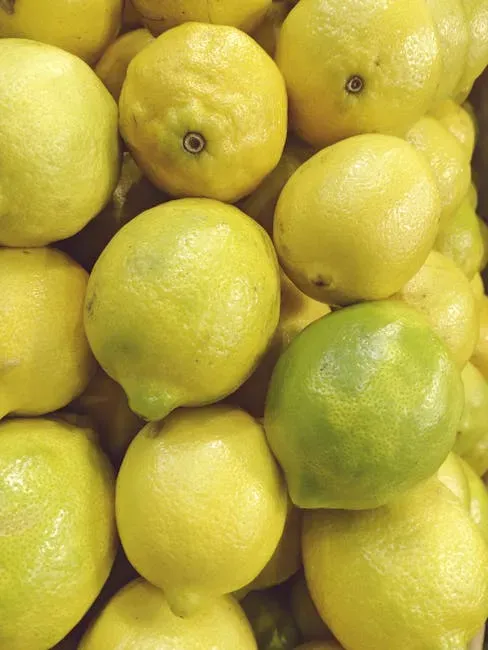
Let’s be real – for most healthy adults with a functioning immune system, a lemon wedge probably won’t send you to the hospital. The risk is small but distinct. These lemon wedges will probably not result in any kind of infection, but there is always a possibility. If you have a healthy immune system, you will probably be able to fight off the bacteria. If your immune system is compromised, however, you should be careful.
Other factors that would contribute to establishing an infection include whether the organisms were resistant to multiple antibiotics, the general health and age of the individual, the status of the immune system, and the integrity of the mucous membranes of the lips and mouth. For elderly diners, young children, or anyone on immunosuppressant medications, that risk gap widens considerably.
According to two separate studies, the lemon slices served at restaurants are contaminated with viruses and bacteria, and if you have a compromised immune system, you should be extremely cautious. Experienced servers who’ve worked in the industry for years often choose to simply skip the garnish in their own glass. Not out of paranoia, but because they understand what they’ve seen. Ask for lemon wedges on the side, squeeze their juice into your drinks, and avoid dropping the wedges into your beverage if possible.
The lemon wedge in your restaurant water glass is one of those things that most people never think to question. It’s bright, cheerful, and seemingly harmless. Yet the science and the real-world experience of food industry workers tell a different story. The next time a server brings your water and asks if you’d like lemon – maybe ask yourself what they’d put in their own glass. What would you choose?