5 Regional Appalachian Breakfasts You’ve Probably Never Heard Of
Fried Cornmeal Mush with Crispy Edges
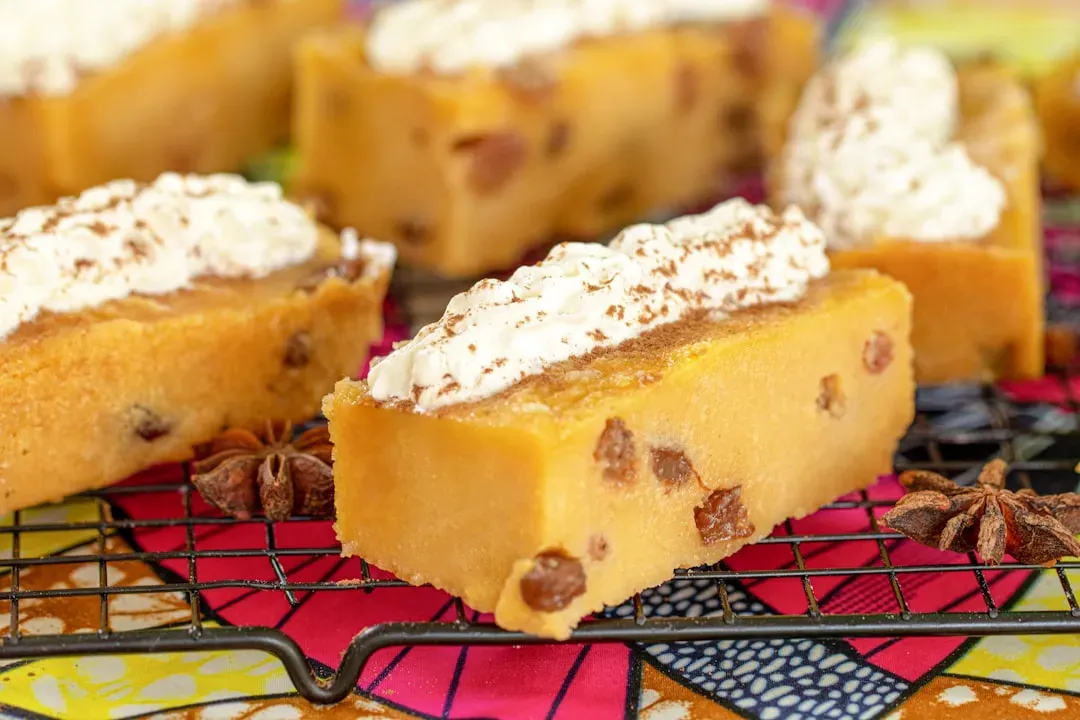
When times were hard in Appalachian households, families often relied on cornmeal mush for breakfast, with leftovers sometimes reappearing at supper. Cornmeal mush was traditionally eaten for both breakfast and supper in many Appalachian families, serving as an inexpensive meal. Let’s be honest, this dish sounds pretty basic until you understand how resourceful mountain cooks transformed simple water and cornmeal into something genuinely satisfying.
The leftover mush would be poured into a pan to set up, then later sliced and fried in butter until crispy edges formed. The result is something beautiful: a golden exterior that crackles when you bite into it, giving way to a soft, almost creamy center. For many who grew up eating it, cornmeal mush became a comfort food that reminded them of childhood. Some topped it with molasses or honey, others with butter and salt, proving that even the most humble ingredients could create a memorable meal when cooked with care.
Leather Britches (Shucky Beans) For Winter Mornings
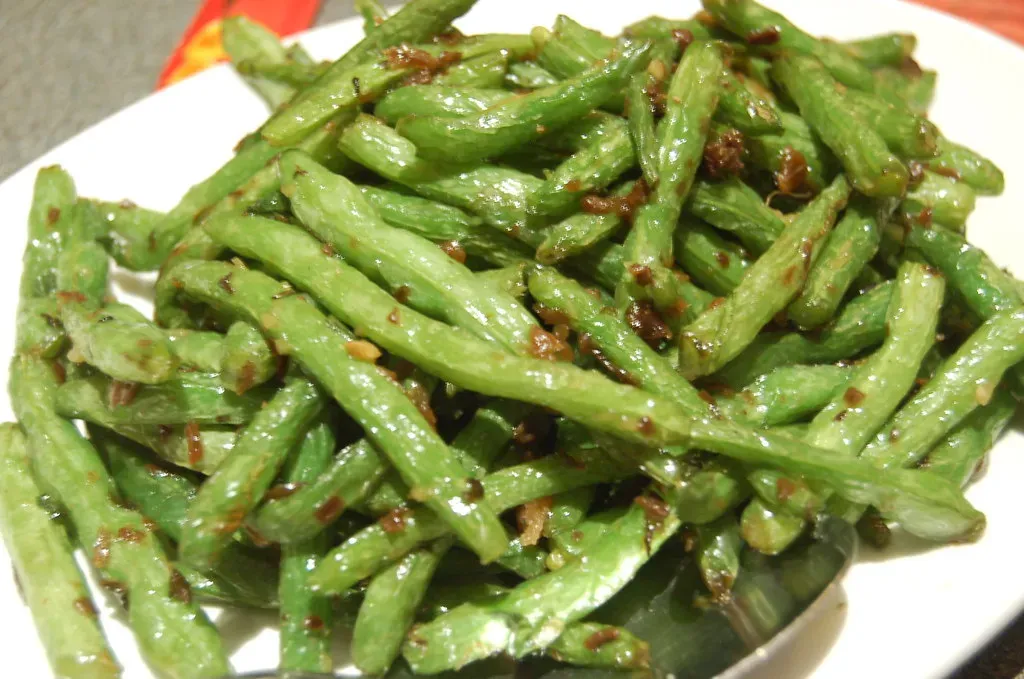
Shucky beans, also called leather britches, are dried green beans preserved for winter consumption and represent one of the most common side dishes of old-fashioned Appalachian cuisine. Now, you might be wondering why anyone would dry green beans whole and eat the leathery pod along with the bean itself. The traditional preparation method involved stringing beans on thread with a needle and hanging them behind a wood stove until they shriveled into what resembled leather britches.
Here’s the thing though: once you rehydrate and cook them, magic happens. The rehydrated and cooked skins take on a texture like silk and nearly dissolve on the tongue, while the beans become tender, rich, and velvety. The dried beans would be simmered for hours with fatback to create a winter meal served with cornbread and sliced onion. I know it sounds crazy, but mountain families preserved beans this way to ensure protein through brutal winters when fresh vegetables weren’t available. Shuck beans create a powerful taste memory, and food experts warn that if you lose the taste memory of a dish, that food is lost.
Sawmill Gravy Made with Cornmeal

Sawmill gravy is a creamy white sauce often containing breakfast sausage, and historians believe it got its name for its stick-to-your-ribs quality, perfect for sawmill workers in 1800s Southern Appalachia. The version most people know today uses flour, but the original Appalachian recipe had a grittier secret. Some historians believe sawmill gravy was originally made with cornmeal instead of flour, and sawmill workers likened its gritty texture to having sawdust inside.
Mountain men working at lumber camps always made their gravy with cornmeal, which is why it was called sawmill gravy. This wasn’t just breakfast food either. Some families served cornmeal gravy with pork chops or chicken for supper, but it was especially beloved for breakfast with scrambled eggs, bacon, fried potatoes, and hand-choked biscuits. The rough texture might have inspired jokes about sawdust, yet it provided the dense calories necessary for men hauling logs all day in the cold mountain air.
Appalachian Apple Stack Cake for Special Mornings
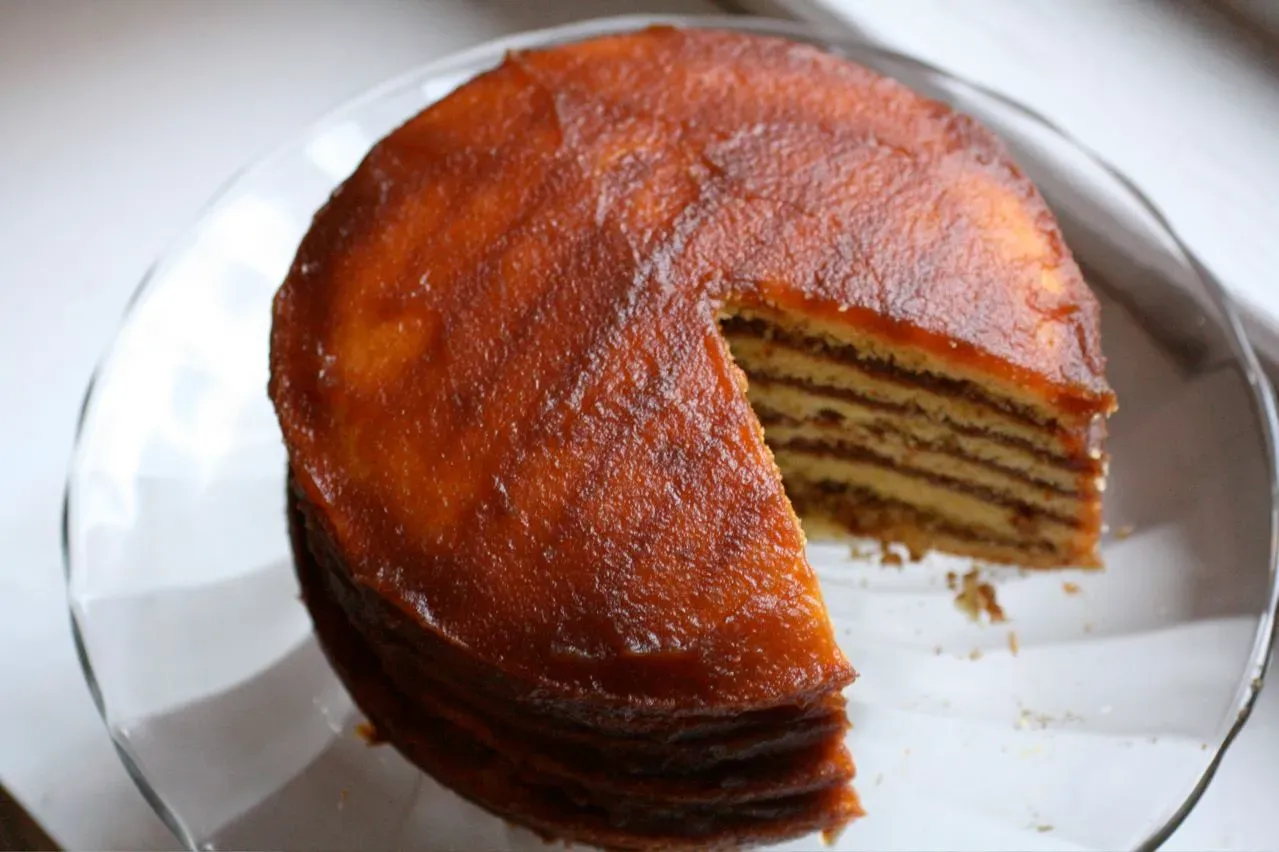
The apple stack cake is generally believed to have first emerged in the mountains of Kentucky, with legend holding it originated as an affordable alternative to wedding cakes, where friends and family each brought a layer to assemble at the event. While typically considered a dessert, many Appalachian families served this elaborate creation for special breakfast occasions during holidays.
Thin, sorghum-sweetened layers are married together by fragrant filling made from dried apples, with the layers made from dough rather than batter and resembling excellent plate-sized gingerbread cookies. Stack cakes must sit and cure for at least two days, during which the moisture from the apples softens the layers, making the cake moist, sliceable, and delectable. It’s hard to say for sure, but I’d argue that waking up to a slice of properly cured stack cake with coffee might be one of the most underrated breakfast experiences in American food culture. The patience required to let it rest goes against our instant-gratification instincts, yet that’s precisely what makes it extraordinary.
Tomato Gravy Over Hot Biscuits
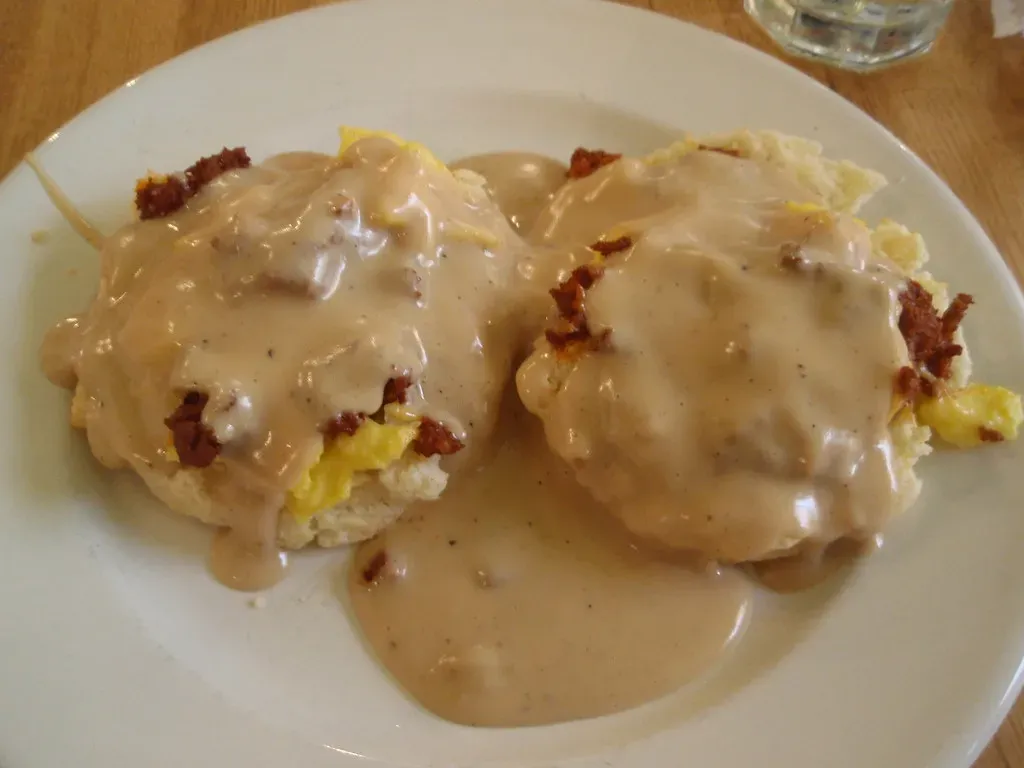
Tomato gravy is a traditional secret of the Appalachian South, often served over biscuits for breakfast or over meats, potatoes, and rice at other meals. Tomato gravy remains popular in Appalachia alongside other regional gravies like chipped beef gravy and red-eye gravy. This isn’t your Italian Sunday gravy or anything resembling marinara sauce.
Appalachian tomato gravy is distinctly Southern Appalachian in nature, definitively what you call a gravy, and a favorite breakfast item, especially on biscuits. The preparation involves adding flour to hot bacon drippings, cooking for several minutes while stirring and seasoning with salt and pepper, then stirring in tomatoes with a dash of sugar. The sugar cuts the acidity of the tomatoes, creating a balanced, savory-sweet sauce that soaks into fluffy biscuits. Some families added diced onions sautéed in the bacon drippings for extra depth. When summer tomatoes were abundant, mountain cooks found endless ways to use them, and this breakfast gravy represents pure Appalachian ingenuity at its finest.
What’s your favorite regional breakfast dish? These Appalachian traditions deserve recognition alongside more famous American breakfast foods, don’t you think?