7 Modern Mint Errors That Make Common Coins Valuable
That loose change jingling in your pocket might be worth way more than face value. Honestly, it’s pretty wild when you realize that minting mistakes can turn ordinary coins into prized collectibles worth hundreds or even thousands of dollars. In 2002, the mints changed their production methods which resulted in fewer errors released into circulation, and as a result, prices for error coins dated after 2002 are much higher. Let’s dig into the specific modern errors that could make your spare change seriously valuable.
The Doubled Die Obverse Error
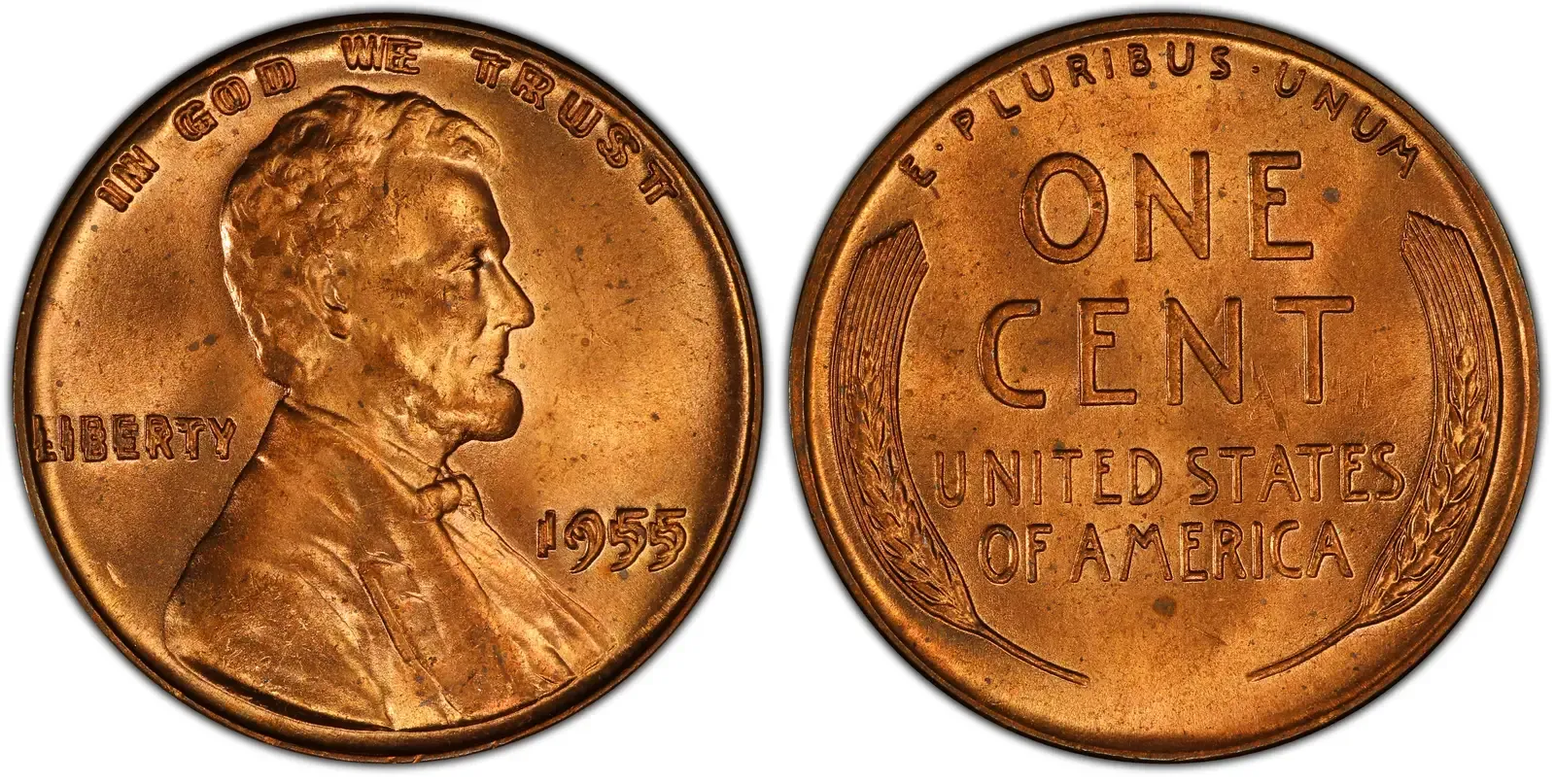
One of the most famous doubled die cent errors occurred in 1955, according to the Numismatic Guaranty Company, and today, these mistakenly-made pennies have a retail value ranging from $1,000 to $85,000, depending on the coin’s condition. Here’s the thing: doubled dies happen during the die manufacturing process, not when the coin is struck. Double die is an error made during the stamping process when the die strikes the blank twice, resulting in duplicate design elements. The error creates a shadowed or doubled appearance on inscriptions like “LIBERTY” or “IN GOD WE TRUST” that can be spotted even without magnification on dramatic examples. In 2023, the rare 1958 doubled die penny broke auction records when it sold to a collector for $1,136,250 after 117 bids, proving these errors remain highly desirable in the modern market.
Off-Center Strike Mistakes
Sometimes the planchet is not properly fed through machinery and centered correctly on the die punches, and when that happens, only part of the design is imprinted on the blank with some area of the planchet left blank. The percentage matters immensely. The percentage off-center is important, since most collectors want to see some of the design as well as some of the planchet, which is why 40% to 60% off-center is generally considered to be the “perfect” percentage for a coin to be struck off-center. What really drives up value is when the date remains visible on the coin. A Standing Liberty Quarter Struck 35% Off Center graded NGC Mint Error MS 65 FH realized $33,600 in July 2022, showing how dramatic these errors can be for collectors. For modern pennies and quarters, you’re typically looking at values between twenty dollars and several hundred depending on the severity of the error.
Wrong Planchet Errors
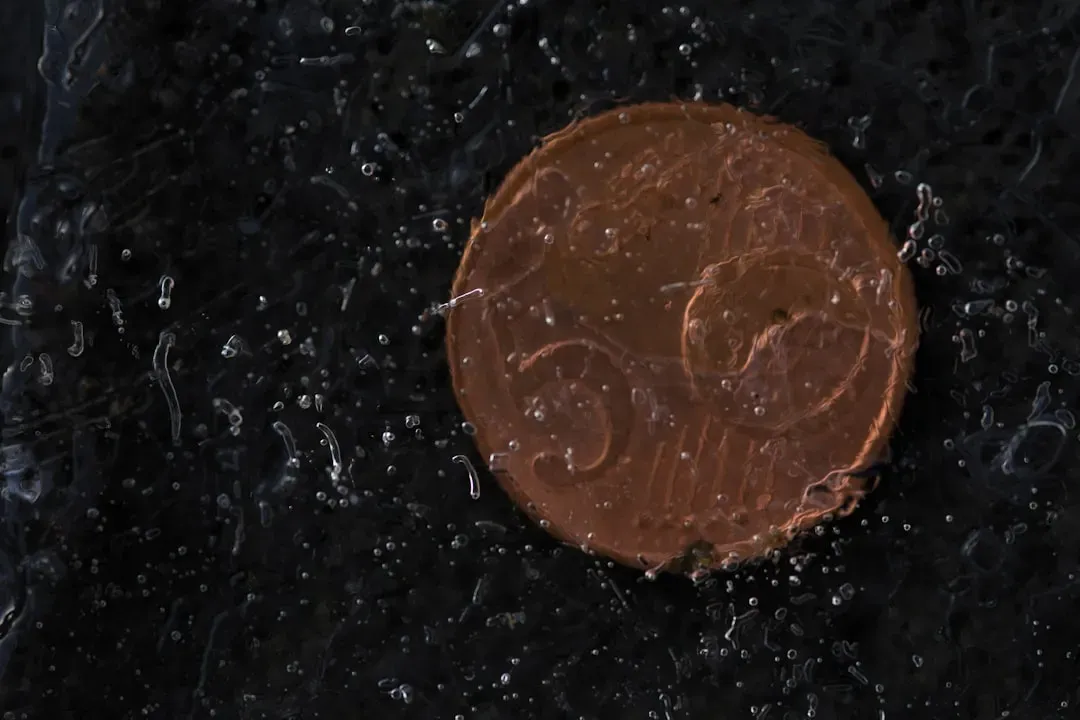
Sometimes planchets for one coin denomination are fed into a coin-stamping press equipped with dies of another denomination, with some examples including cents struck on dime planchets, nickels on cent planchets, or quarters on dime planchets. These are incredibly rare mistakes. A 1943 Lincoln Cent was struck on a planchet intended for a 25 Cent piece from Curacao, which are much heavier than the bronze planchets used for 1942 Lincoln Cents or the steel planchets used for 1943 Lincoln Cents, and this particular coin realized $31,200 at a Heritage Auctions sale in August 2021. The weight of the coin is the telltale sign, as it will match the intended planchet rather than the design that was actually struck onto it. Modern examples still pop up occasionally, making them genuine treasures for anyone lucky enough to find one.
Broadstrike Errors
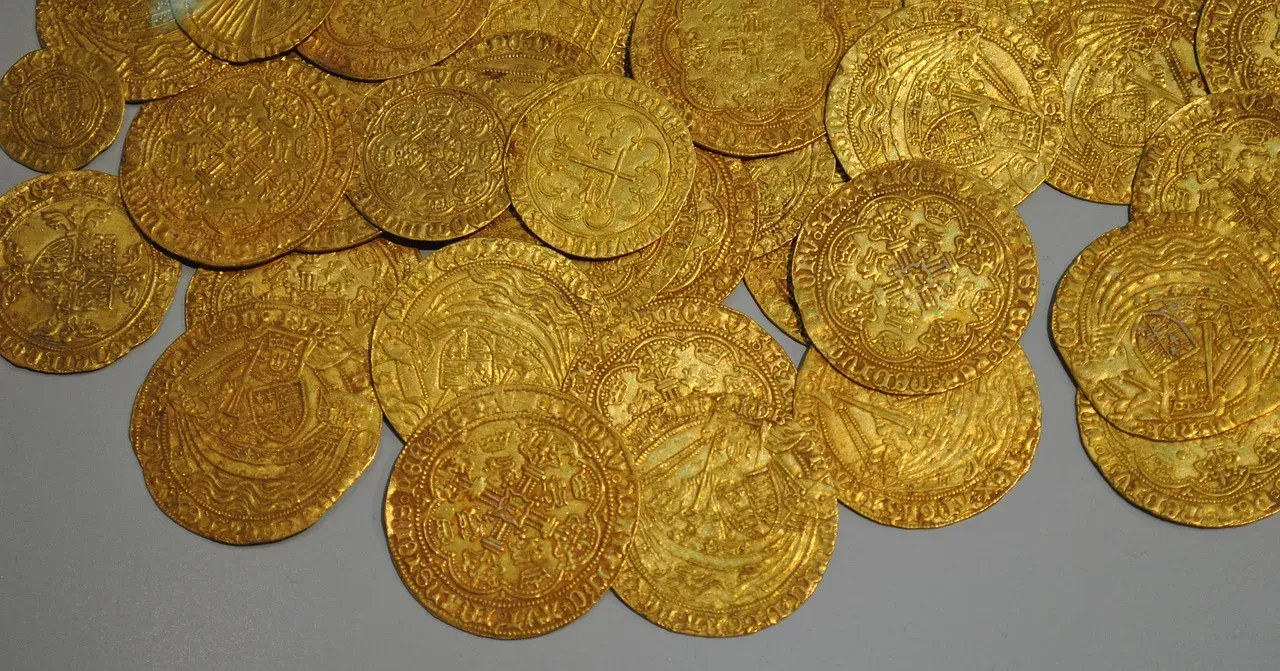
A Broadstrike error occurs when a coin is struck without a collar, which is the retaining ring that establishes the final diameter of a newly struck coin, and with no collar to constrain the planchet, the coin will expand beyond the boundary of a normal coin, sometimes drastically so. The coins look noticeably flatter and wider than normal. Broadstrikes range in value from $5 to $50 for modern pennies, nickels, dimes, and quarters, while older pieces and larger-denomination coins are worth more. The key diagnostic feature is that all design elements must be present on both sides of the coin. If any part of the design is missing, it’s classified as an off-center strike instead. These errors sometimes slip past quality control because they don’t always look dramatically wrong at first glance.
Clipped Planchet Variations
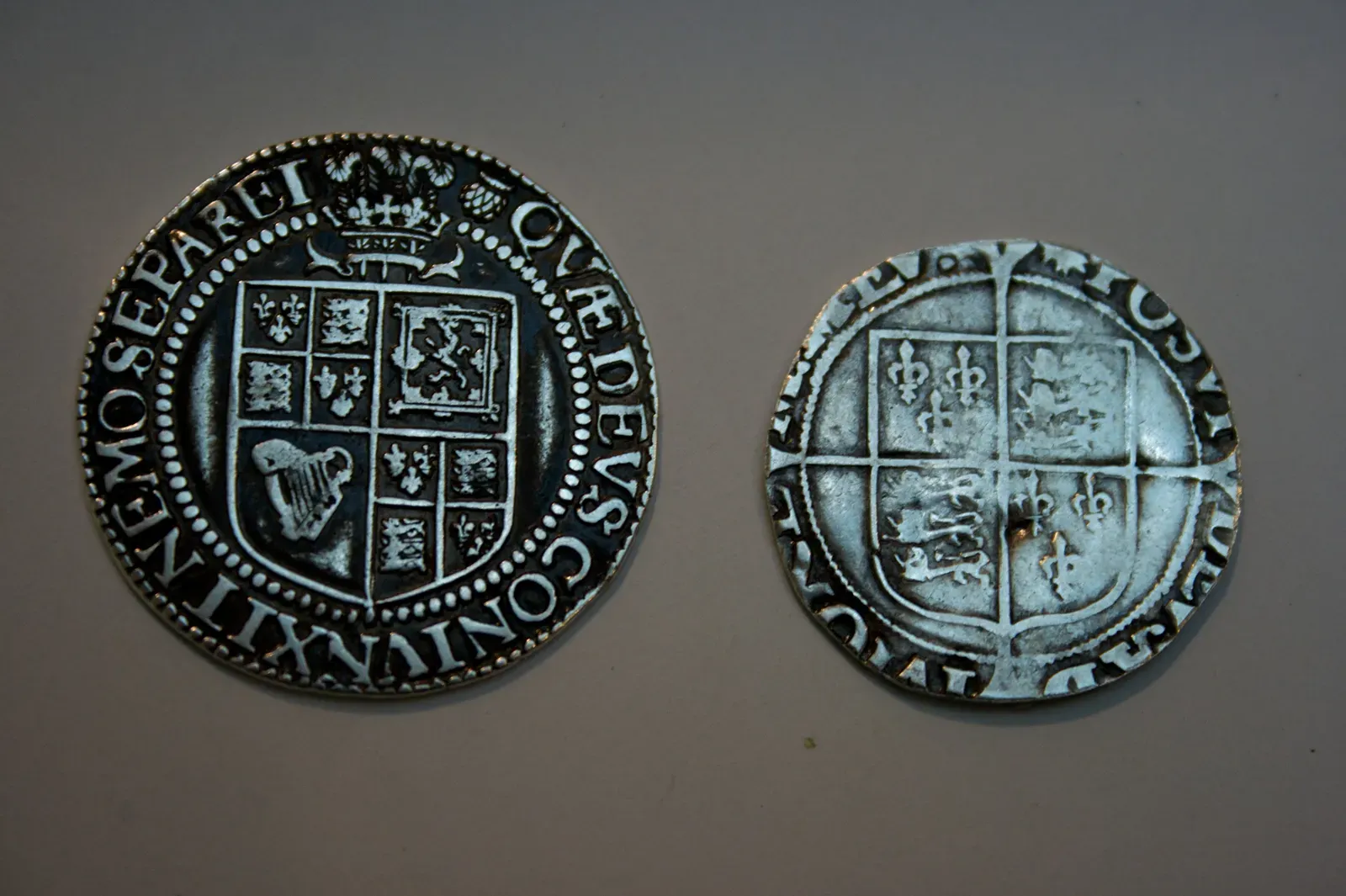
If a coin is not whole and missing 10-25% of its material, it is called a clipped planchet, and this is caused when in the blanking press one of a few things happen, with the value of these coins depending on the size and location of the clip. There are three main types: straight clips, curved clips, and ragged clips, each caused by different machinery malfunctions. With clipped-planchet errors, size matters and so does the number of clips, with a statehood quarter with a single clip worth about $50 to $60, worth $75 to $100 with a double clip, $100 to $150 with a triple clip, and a coin with particularly dramatic clips, or with more than three clips, could be worth even more. Multiple clips on a single coin are exceptionally rare and command premium prices. The edge of a genuine clip will show metal flow rather than a sharp edge, which helps distinguish them from fakes.
Die Break and Cud Errors
All of these errors are the result of die cracks, or seams formed within the surface of the dies, and cracks have appeared in the image of Ms. Idar’s hair, the edges of the coin, and notably across her shirt, with any of these errors, particularly the crack across her shirt, able to increase the value of the Idar quarter above $20. Major die breaks, commonly called “cuds,” occur when a chunk of the die actually breaks away. This creates a raised, blank area on the struck coin where the design should be. Because these errors are so noticeable, it is likely that these quarters are going to remain popular for collectors and investors. The 2023 quarter series featuring American Women has proven especially prone to these errors, and collectors have been actively searching circulation for examples. Die cracks and cuds are different from each other, though related: cracks appear as raised lines, while cuds are solid raised blobs of metal.
The Famous Sacagawea Dollar Mule Error
The Sacagawea Mule, one of the most famous modern coin errors, was set to be auctioned by GreatCollections on Sunday, January 21, 2024, and the coin with a face value of $1.25 was struck with a Washington Quarter on one side and a Sacagawea Dollar on the other. This represents the ultimate mint error: two dies never meant to be paired together. About two dozen examples are known, since it was first discovered by Frank Wallis of Arkansas in the year of issue, 2000, and it was the first “mule” released into circulation by the U.S. Mint. The 100 Greatest U.S. Mint Errors book by David Camire, Nicholas Brown and Fred Weinberg featured the Sacagawea Mule on the cover as well as ranked the mule as the #1 U.S. coin error. These coins have a value range of $50,000 to $150,000 with less than 20 known examples, and the last sale reached $144,000 at auction in 2024. If you happen to have a dollar coin that looks suspiciously like it has a quarter on one side, you might want to get that authenticated immediately.
The hunt for error coins requires patience and a keen eye. Modern minting technology has dramatically reduced the frequency of these mistakes slipping into circulation, which ironically makes recent errors even more valuable than their older counterparts. Next time you get change from a purchase, take an extra second to really look at those coins. You never know what might be hiding in plain sight. What’s the strangest coin you’ve ever found in your change?