11 Things Grandparents Say That Stick With You for Life
There are voices from childhood that never really leave you. Not the loudest ones, not the most urgent ones – the quiet, steady ones that belonged to someone who had already lived through most of what you were still afraid of. Grandparents carry a kind of wisdom that no classroom teaches and no app can replicate. Their words land differently. Softer, maybe. But they go deeper.
It’s remarkable how a single phrase, said at the kitchen table or on a slow walk around the block, can follow a person through decades of life. Some of those sayings feel ancient, almost cliché. Others hit you one ordinary Tuesday morning when you’re thirty-five and suddenly understand what they meant. Let’s take a look at eleven things grandparents say that genuinely stick – and why science is starting to back up what our hearts already knew.
1. “We Didn’t Have Much, But We Had Each Other”
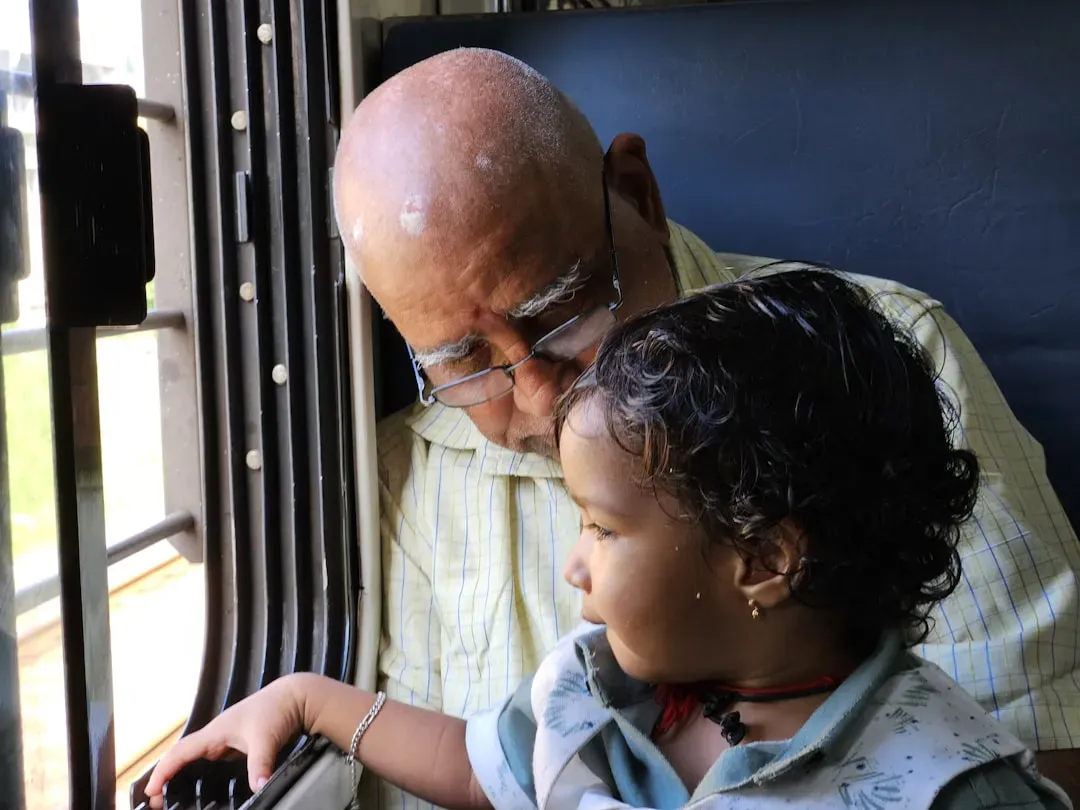
This one sounds simple. Almost too simple. Yet it might be one of the most quietly powerful things a grandparent can say to a child growing up in a world obsessed with accumulation. It reframes the whole idea of what counts as wealth. Coming from someone who actually lived through scarcity, it carries a weight that no motivational poster ever could.
The resources that grandparents transfer to their grandchildren extend well beyond money – they include practical assistance, emotional support, and a sense of grounded family identity. That lesson, absorbed early, shapes how a person relates to others for the rest of their life. Honestly, it’s not about poverty nostalgia. It’s about teaching children that connection is the actual foundation of a good life.
2. “Always Treat People the Way You Want to Be Treated”
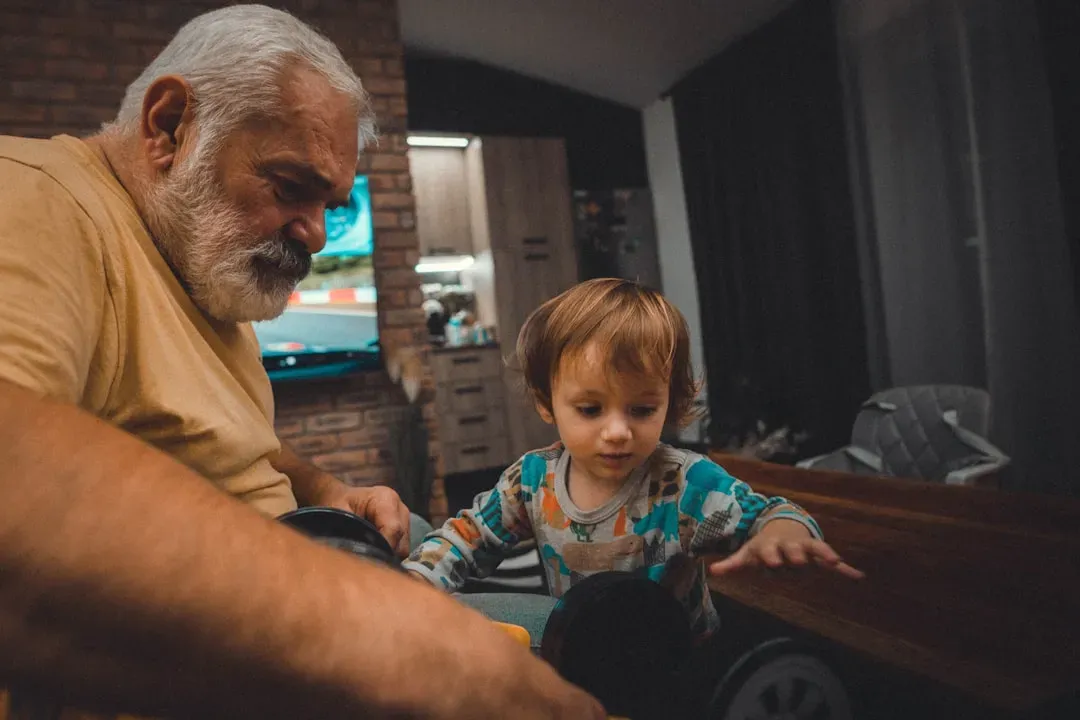
Grandparents have a talent for saying things that sound ancient and yet remain completely relevant. The golden rule – dressed up in a grandparent’s own language – is one of those phrases kids hear and initially brush off. Then life happens, and suddenly those words are the only compass they’ve got.
Modeling kindness and compassion in everyday life teaches children how to treat others. Whether it is showing respect to a store clerk, helping a neighbor, or talking about others with empathy, these everyday moments shape a grandchild’s understanding of how to move through the world. Grandparents do not just say this – they tend to live it. Children notice. They always notice.
3. “Hard Work Never Killed Anyone”
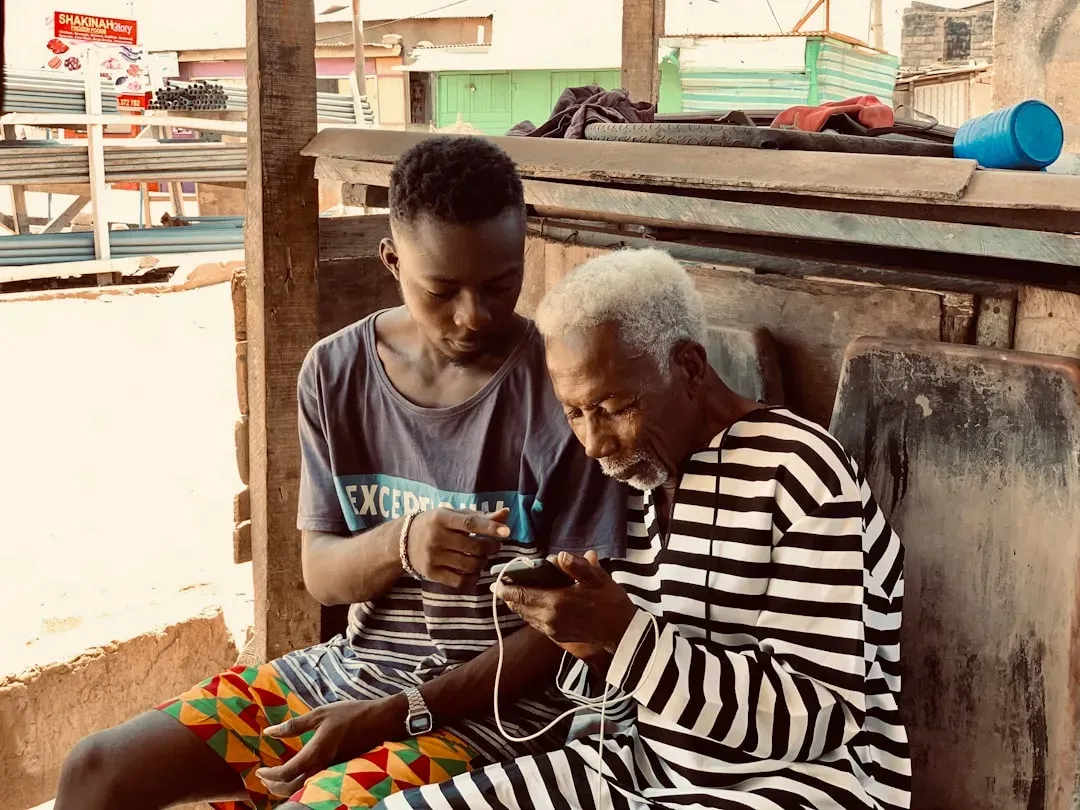
Okay, yes, said bluntly, it can sound a little ruthless. But the spirit behind it is something else entirely. This saying teaches effort, perseverance, and the dignity of doing something well. It is the kind of statement that echoes back to you the first time a tough project pushes you to the edge of quitting.
When grandparents work hard, even if retired, they demonstrate a strong work ethic to their grandchildren. By showing love for one another and encouraging, helping, and learning together, grandparents exemplify values that leave a lasting positive impact on the lives of their grandchildren. Studies of college students found that grandparents were particularly important in establishing work ethic, moral values, and a sense of family identity. That is not trivial. That is the stuff careers and character are built from.
4. “You Are Loved, No Matter What”
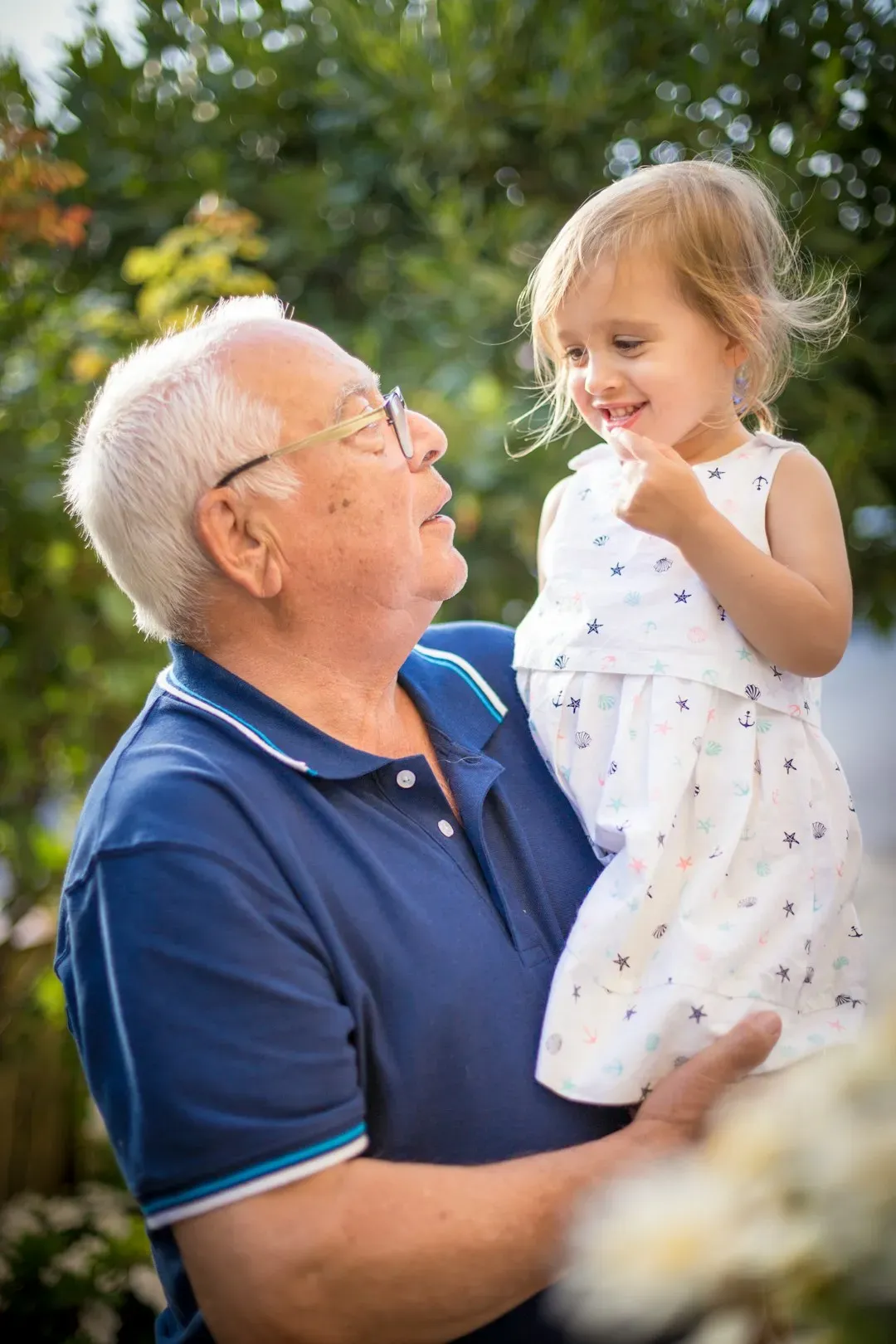
This one might be the most important of all. Unconditional love, spoken clearly and consistently, does something to a child’s developing sense of self. It builds a kind of internal anchor. When everything else shifts – friendships, grades, first heartbreaks – that anchor holds.
Children gain self-esteem and self-confidence by feeling loved. Research tells us that the bond between grandparent and grandchild is second only to the bond between parent and child, and some scholars call this bond “clear love” – love with no strings attached. Studies show that children who are close to their grandparents exhibit fewer emotional issues and lower levels of depressive symptoms. Grandparents offer something unique: unconditional love without the burden of day-to-day discipline. That combination is rare and genuinely irreplaceable.
5. “This Too Shall Pass”

Few phrases carry as much calm, earned authority as this one – especially when it comes from someone who has already survived war, loss, illness, poverty, or all of the above. When a grandparent says it, it is not platitude. It is testimony. And a child, somewhere deep down, registers that difference.
Children who received care from their grandparents may have gained resilience over time as they navigated through challenging life events. Research suggests that grandparents’ protection, care, and material support can act as sources of resilience for their grandchildren, enabling the children to cope effectively with traumatizing experiences. Learning early that difficult moments are temporary is one of the most protective psychological skills a person can carry into adulthood.
6. “Know Where You Come From”
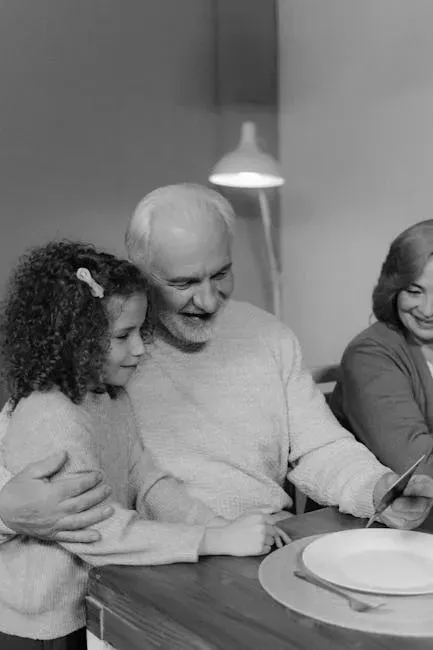
Family history, cultural traditions, stories about ancestors who struggled and survived – grandparents are the living keepers of all of it. This phrase is not simply about genealogy. It is about identity. It is about giving a child roots deep enough to withstand the storms of growing up.
When grandparents share family stories, traditions, and cultural practices, they help children develop a stronger sense of identity and belonging. They serve as living links to family heritage and history. Grandparents often have the opportunity to share their knowledge, wisdom, and family traditions with their grandchildren. Such early experiences strengthen a grandchild’s self-esteem and reinforce beliefs, norms, and values while creating opportunities to explore identity in the context of one’s family. That is a gift no algorithm delivers.
7. “Don’t Borrow Trouble”

This old-fashioned way of saying “stop worrying about things that haven’t happened yet” is surprisingly sophisticated. It is, in plain language, a lesson in cognitive regulation – managing anxiety before it spirals. Coming from a grandparent who has watched a lifetime of worries either resolve themselves or demand action, it lands with real credibility.
During early childhood, children develop emotional and social skills including self-awareness and regulation, and evidence from longitudinal research underscores the link between greater mastery of these skills and better emotional wellbeing and fewer mental health symptoms in adulthood. Grandparents can provide stability, comfort, and wisdom, helping their grandchildren navigate life’s challenges and develop essential skills and traits for emotional resilience. In other words, the folksy advice has genuine neurological merit behind it.
8. “Always Say Thank You”
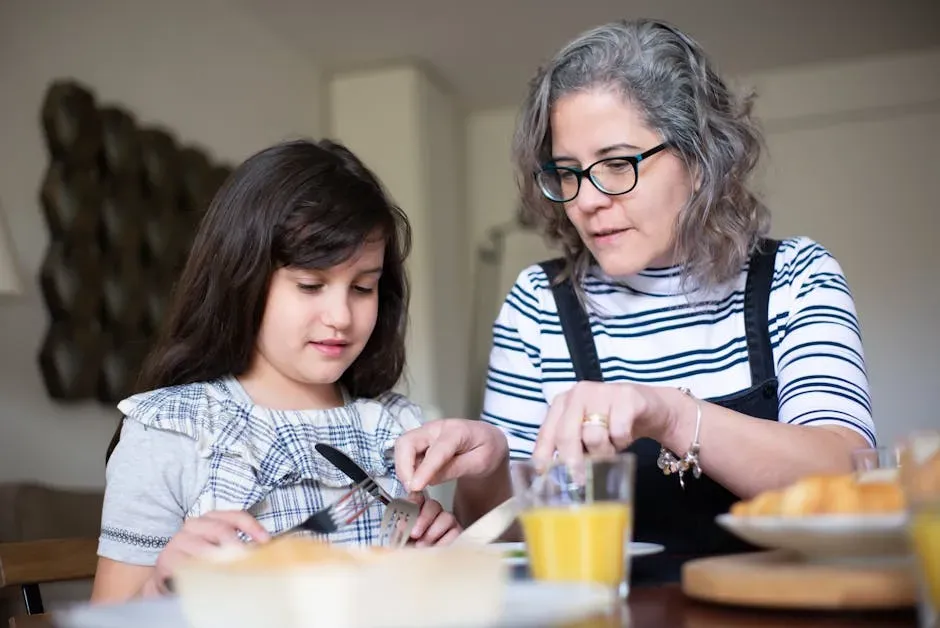
Gratitude. It sounds small. It is not. Research on gratitude has exploded in the last decade, consistently linking it to better mental health, stronger relationships, and higher life satisfaction. But long before any of that research existed, grandparents were already teaching it – at the dinner table, after receiving a gift, in every interaction with a stranger.
Spending time with grandparents can provide children with opportunities to develop social skills such as communication, empathy, and cooperation. Grandparents can be positive role models, modeling good social behavior and providing guidance on interacting with others. Something as small as a consistent “say thank you” trains children in empathy and social awareness. Over years, that training becomes character.
9. “The World Doesn’t Owe You Anything”
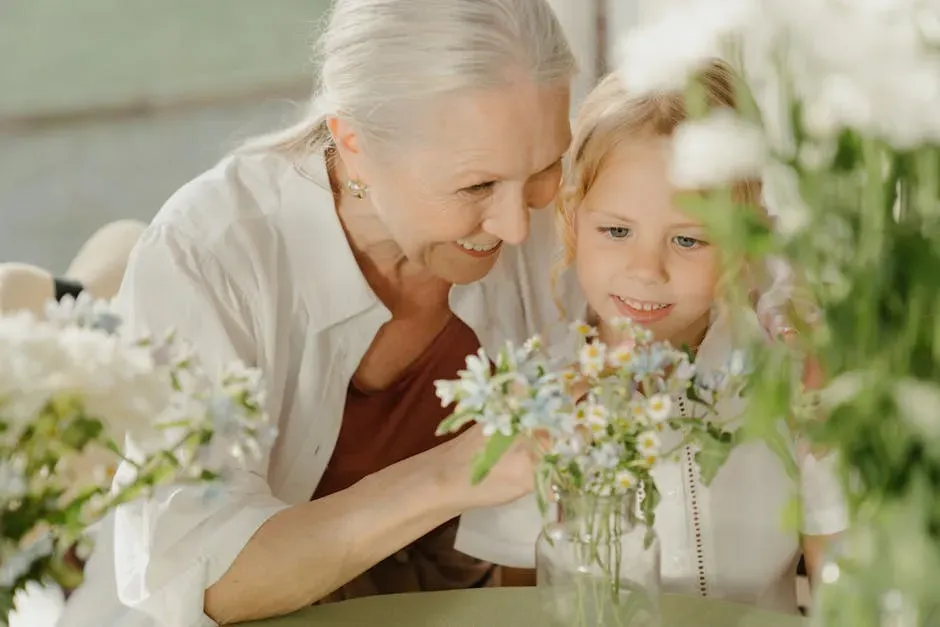
Tough love in five words. It is not cruel – it is clarifying. It pushes back against entitlement and sets expectations that serve a person well when life, inevitably, disappoints. Grandparents who survived economic hardship or social inequality often say this with a clarity that cuts straight through.
Recent research suggests that grandparent involvement during childhood is positively linked to emotional development, cognitive functioning, and social adjustment in early adulthood. The lessons learned from grandparent-grandchild relationships, especially those related to moral development, persist into early adulthood. By sharing their wisdom on relationships, values, financial management, and major life decisions, grandparents equip the next generation to overcome challenges and achieve success. That pragmatic realism, passed down, is protective rather than harsh.
10. “Be Someone People Can Count On”
Reliability. Trustworthiness. Integrity. These are not flashy virtues. They don’t trend on social media. Yet they are the ones that hold relationships and careers and entire lives together. Grandparents understand this instinctively – perhaps because they have watched enough people fail to keep their word to know exactly what it costs.
Grandchildren can learn good morals and values by observing what grandparents say and how they act. When grandparents model consistent behavior, grandchildren absorb the importance of those values firsthand. Grandparents often serve as a trusted confidante for grandkids, as they are aware of the family’s ups and downs but are less directly impacted. If a child is struggling with their parents’ divorce or remarriage, they might feel more comfortable opening up to their grandparents. Modeling reliability while also being a safe emotional harbor is a remarkable combination.
11. “I’m Proud of You”

Three words. Possibly the three most sustaining words a grandparent can offer. Not “I’m proud of your grade” or “I’m proud of your trophy.” Just: proud of you. The person. The whole, imperfect, trying-their-best human being sitting across the table. It’s a different kind of pride, and children feel the distinction viscerally.
Grandparents, serving as pivotal contributors to childcare, play a significant role in family life by providing both practical assistance and emotional support to their children and grandchildren. Greater affinity towards a grandparent is associated with lower depressive symptoms in young adult grandchildren. Young adults who confide more in their grandparents report lower depressive symptoms compared to those who share less. Hearing “I’m proud of you” from someone whose opinion you deeply respect is one of those moments that quietly becomes a reference point for the rest of your life.