I’m a Private Wealth Manager – Here Are 11 Things I Notice About How “Secret Millionaires” Dress
You’d walk right past them. At a coffee shop, in an airport lounge, in a suburban grocery store. No flashy logo in sight, no watch that could fund a college education, nothing that screams “I have seven figures sitting in a brokerage account.” That’s precisely the point. After years of working directly with high-net-worth and ultra-high-net-worth clients, I’ve sat across the table from people quietly holding generational wealth, and most of them look absolutely, deliberately, unremarkably ordinary. The contrast between what we imagine wealthy people look like and what they actually look like is honestly staggering. Let’s get into it.
1. They Wear Clothes That Fit Perfectly – Not Expensively
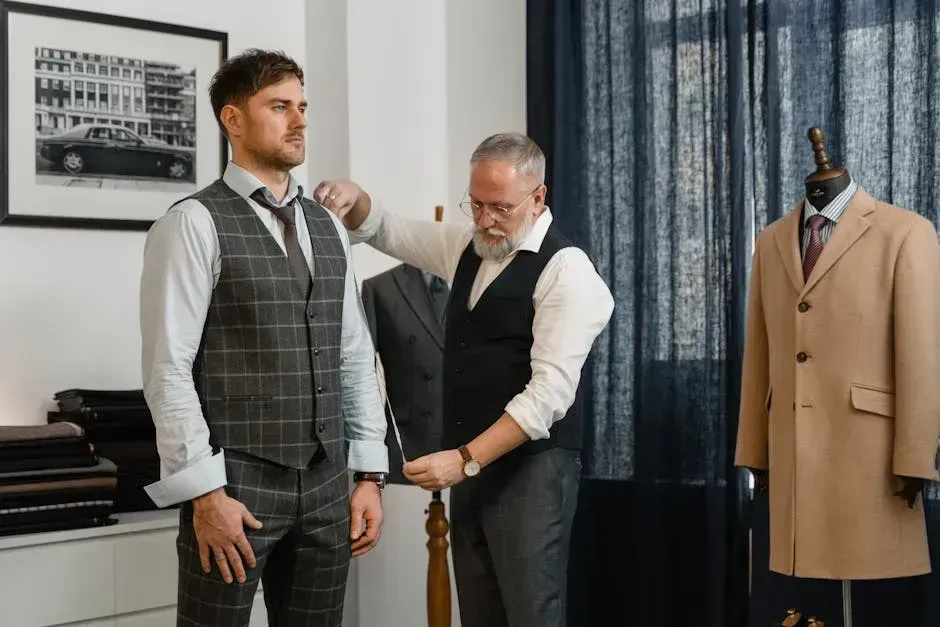
Here’s something I notice almost immediately. The first giveaway isn’t a brand name. It’s fit. Wealthy individuals often have clothing tailored specifically for them, and even off-the-rack pieces are altered for a perfect fit – look for clean shoulder lines, seamless trouser breaks, and jackets that sit effortlessly on the frame. That level of precision is not accidental.
Tailoring is one of the most underappreciated signals of wealth – it’s quiet, intentional, and difficult to fake. You can drop serious money on a designer blazer and still look sloppy if it doesn’t fit. Conversely, a mid-range jacket altered by a skilled tailor looks enormously expensive. That’s the real insider secret.
2. The Fabric Tells the Story Before a Word Is Spoken

Nothing gives away wealth more quickly than the quality of fabric. From cashmere to silk, from Egyptian cotton to wool sourced from Loro Piana, the fabric tells the story. Real luxury pieces feel different to the touch – soft, weighty, and fluid without being flashy. Once you start noticing this, you can’t un-notice it.
Cheap polyester blends and synthetic fibers cannot mimic the drape and elegance of high-end textiles. I’ve watched clients sit down for portfolio reviews in what looks like a plain gray sweater, and it’s only when you’re close enough that you realize it’s Brunello Cucinelli cashmere. The visual difference is subtle. The tactile difference is another universe entirely.
3. Zero Logos. Seriously, None.
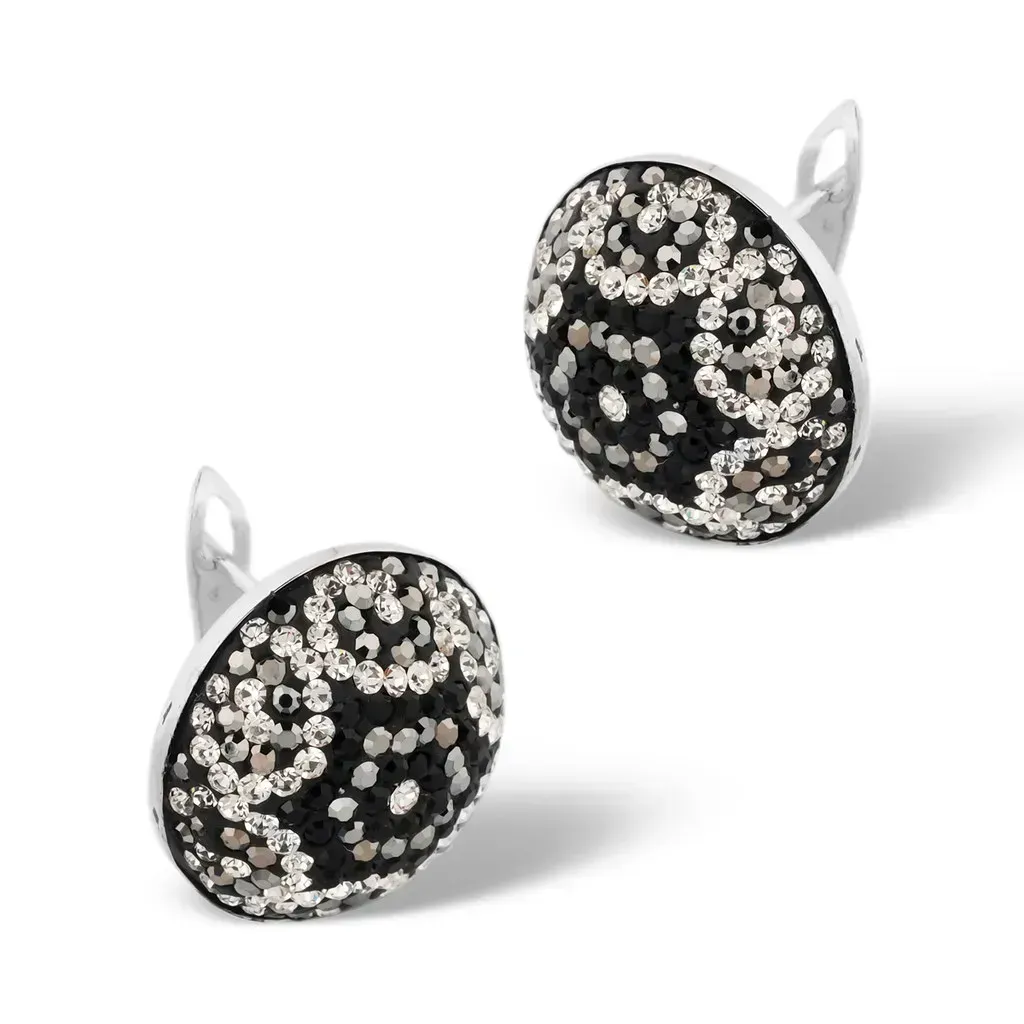
Stealth wealth prioritizes invisible quality markers. Natural fabrics, perfect tailoring, and exceptional construction define the aesthetic rather than recognizable branding. Loro Piana cashmere, Brunello Cucinelli knitwear, and The Row basics cost thousands yet display no logos whatsoever. That sentence bears repeating. Thousands of dollars, zero branding.
Old money and those deeply immersed in fashion culture often avoid visible branding altogether. A wealthy person may wear Hermès, but without the H belt or giant logos. The most luxurious pieces are often unrecognizable to the untrained eye, which makes them all the more exclusive. Honestly, this is what separates the truly wealthy from people who are performing wealth. The latter need the logo. The former don’t.
4. Their Color Palette Is Suspiciously Boring

Walk through any meeting with ultra-wealthy clients and you’ll notice a pattern. Neutral palettes dominate – earth tones like navy, beige, and black – while bright colors are avoided. This isn’t a coincidence or a lack of creativity. It’s a deliberate philosophy that values longevity over trend.
Fans of the style laud it as “sustainable” for the way it favors timeless neutrals and investment pieces over what’s popular or trendy, therefore reducing the need to redo one’s closet every time the wind changes. I think there’s something even more psychological at play. Wearing neutral tones removes the outfit from the conversation entirely, shifting focus back to the person, the ideas, the deal. For people operating at that level, that’s a feature, not a limitation.
5. Their Shoes Are Quietly Extraordinary
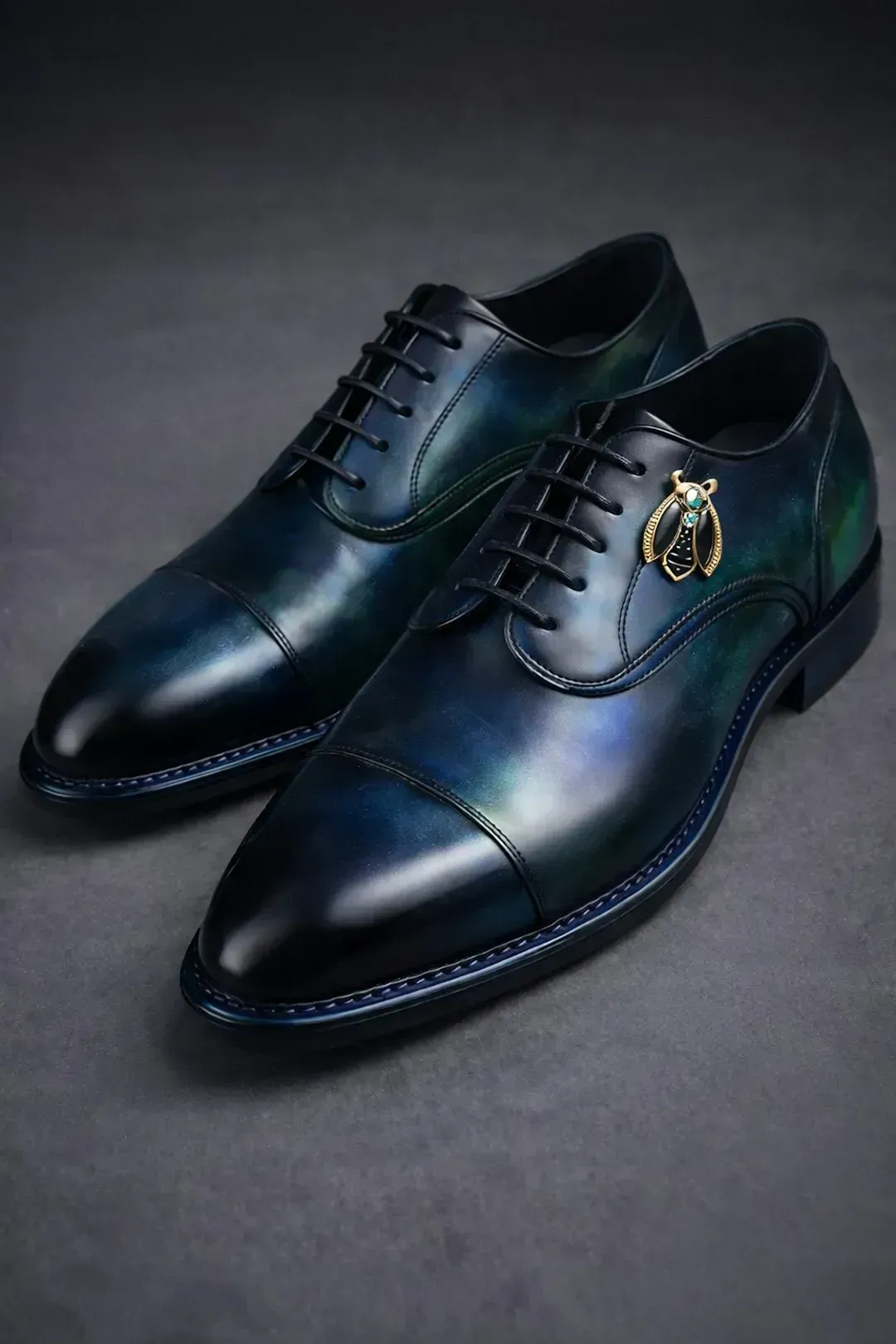
Shoes are where the real tells hide. Most people don’t look at shoes closely enough, which is exactly why this is such a reliable signal. Footwear is a major indicator of status. Look for brands known for quiet craftsmanship rather than flashy trends – think Tod’s loafers, Berluti derbies, or suede driving shoes from Loro Piana. These are not shoes you’d find on a billboard.
Footwear is a critical component of any outfit. A simple pair of shoes can make an outfit look casual, even poor. Quality shoes, on the other hand, can elevate even the simplest outfit. Classic styles like loafers, brogues, or leather boots in neutral colors are the go-to. Ensuring shoes are well-maintained matters too – a scuffed pair can detract from an otherwise immaculate appearance. I’ve seen millionaires in seven-year-old loafers that still look impeccable, simply because they’ve been resoled and polished with near-religious consistency.
6. They Wear a Personal “Uniform”

This one surprises people when I mention it. Many of the wealthiest clients I’ve worked with wear essentially the same thing, day in and day out. Many billionaires adopt personal “uniforms” eliminating daily clothing decisions. Steve Jobs’ black turtleneck, Zuckerberg’s gray t-shirt, Obama’s blue suits – these choices reflect decision fatigue avoidance rather than fashion poverty. That framing is key. It’s not poverty of taste. It’s abundance of priorities.
Decision fatigue poses a real threat to high-stakes decision-makers, making clothing choices an unnecessary mental burden. A simplified wardrobe preserves cognitive resources for crucial business decisions. Think about it like a mental budget. Every small decision chips away at your cognitive bandwidth. The people managing the most complex financial lives I’ve ever seen? They stopped wasting bandwidth on what to wear years ago.
7. They’re Not Chasing Trends. Ever.
Let’s be real. Trend-chasing is the clearest sign that someone is performing status rather than living it. A McKinsey 2024 consumer sentiment survey reported that more than 60 percent of high-income shoppers are favoring “quality-over-quantity” buying behaviors. This explains the surge in demand for durable fabrics, tailored silhouettes, and subtle craftsmanship that doesn’t require loud branding. Quality over quantity is not a new concept; it’s just finally being backed by solid data.
The rapid rise of sustainable luxury fashion sees high-net-worth consumers eschew seasonal trends in favor of longer-term, tasteful outfits they can wear year after year. I’ve watched one client wear the same camel overcoat for twelve consecutive winters. It still looks extraordinary. That’s the whole point. These aren’t fashion investments. They’re lifetime investments, and the wealthiest people I know treat their clothes accordingly.
8. The Hidden Details Are Where the Real Money Lives
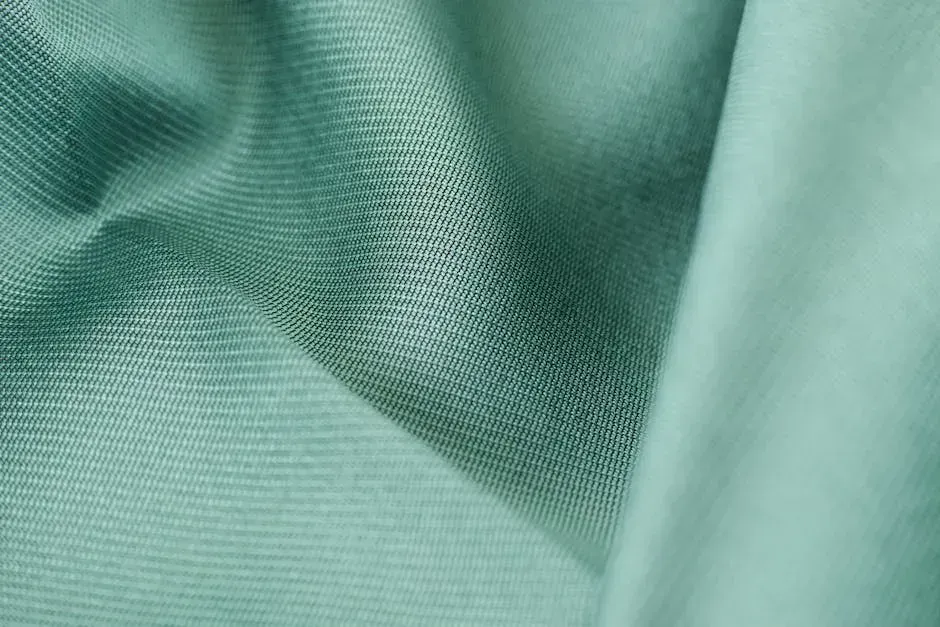
This is something most people would never even think to look for. Hidden details like silk linings, hand-stitching, and natural buttons signal luxury without logos. Flip a jacket collar. Check the inside of a cuff. Rub a button between two fingers. That’s where you find the truth about a garment’s actual cost.
The stealth wealth aesthetic is recognized in the hidden details: silk lining, hand stitching, natural horn buttons. Precious yet understated materials – cashmere, vicuña, Super 180s wool, Sea Island cotton – are materials that only an expert eye can recognize and appreciate in understated luxury. This is the sartorial equivalent of keeping your most impressive asset off the public balance sheet. Only the people who know where to look will find it.
9. Watches and Accessories Are Minimal but Meaningful
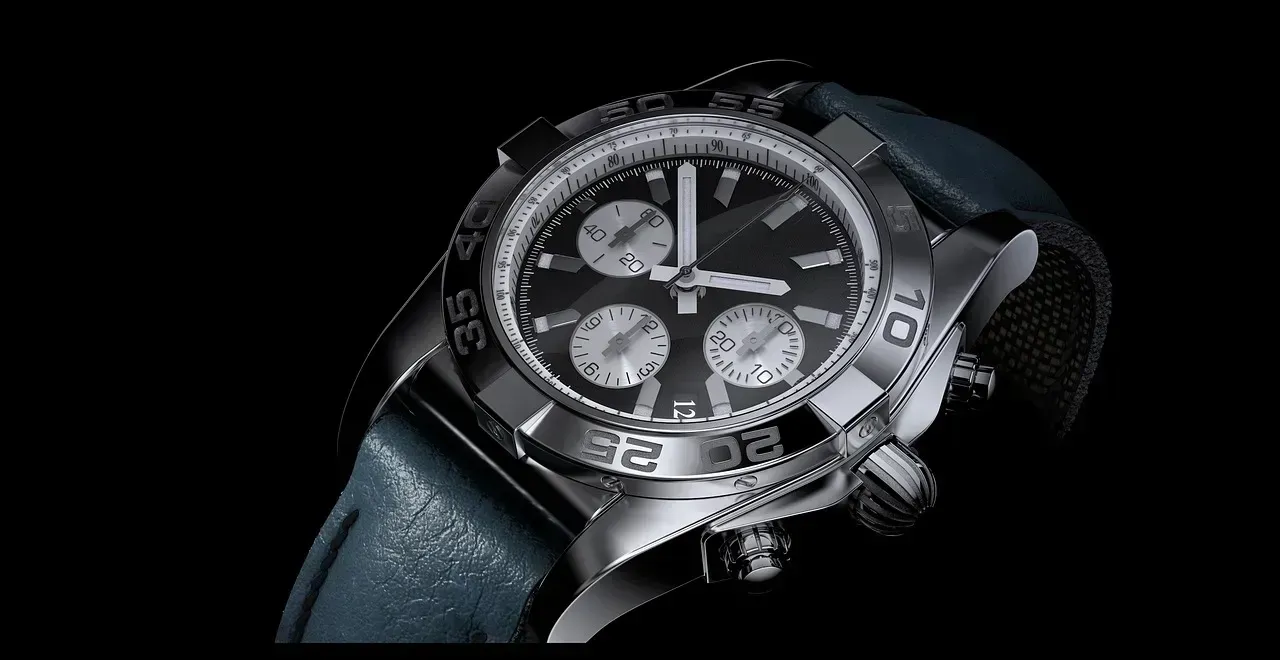
There’s a well-known progression in wealth circles when it comes to watches. You start with a Rolex because it says you’ve made it. Then, after a certain threshold, you quietly move toward Patek Philippe or A. Lange and Söhne because those signal something entirely different. This progression mirrors the male wealth journey from Rolex to Patek Philippe, and it reflects deepening confidence that no longer requires even subtle signaling. It’s a fascinating shift to witness up close.
Accessories like a classic leather bag, neutral-toned cashmere, or sleek gold jewelry offer longevity and versatility. Even how you accessorize a simple black dress can reflect understated luxury through minimal gold accents and clean lines. These wardrobe staples are meant to last, aging beautifully over time. The secret millionaires I’ve worked with treat accessories like they treat portfolios – long-term holds, no panic selling, no chasing the next hot thing.
10. They Actually Dress Down to Avoid Attention

Here’s something that genuinely surprised me early in my career. Some of the wealthiest people don’t just accidentally dress modestly. They do it with real strategic intent. Many millionaires in this range work regular jobs and interact daily with non-wealthy peers. Consequently, they maintain modest appearances to avoid social friction and requests for money. This is as practical as it gets.
Stealth wealth style is less of a fashion aesthetic and more of a psychological strategy, with the wearer’s simple clothing being an attempt to seem relatable, unassuming, and most importantly, not exorbitantly wealthy. Some of the richest people in the world dress very modestly to draw attention away from their financial standpoint and instead shift the focus to their businesses. I’ve had clients who genuinely could not afford to be recognized as wealthy, particularly those navigating business negotiations or community relationships. The plain clothes aren’t poverty. They’re armor.
11. They Spend Surprisingly Little – But Extremely Intentionally

This last point is probably the one that most directly contradicts popular assumptions. Research from “The Millionaire Next Door” found that 50 percent or more of the millionaires surveyed paid $399 or less for their most expensive suit. That’s not a typo. These are people with real, substantial net worth, and they’re not dropping thousands on clothes just because they can.
Middle-class millionaires don’t try to impress others with expensive clothes, jewelry, or gadgets. They understand a simple truth: the more money you spend trying to look wealthy, the less you have to become rich. Real wealth lives in your bank account and investment portfolio, not your closet or driveway. After years of reviewing financial statements alongside wardrobes, I can tell you with confidence – the correlation between conspicuous dressing and actual accumulated wealth is, at best, inverse. The people who look the richest in a room are rarely the ones who are.