8 of America’s Poorest Towns That Surprisingly Deliver the Best Quality of Life
There’s a stubborn assumption buried deep in the American psyche: that poverty and a good life can’t coexist in the same zip code. Pull up any economic map of the United States, and you’ll see entire cities painted in the darkest shades of hardship. Yet spend time in some of those places, and something remarkable starts to emerge.
In 2024, roughly one in ten Americans lived in poverty nationally. That statistic sounds grim, full stop. But statistics are terrible storytellers. They don’t capture the neighbor who shows up when your car breaks down, the free concert in the park on a Sunday afternoon, or the unbeatable taco you grabbed for three dollars. These eight towns prove, sometimes loudly, that income and livability are two very different conversations. Let’s dive in.
1. Brownsville, Texas – The Affordable Gem on the Rio Grande
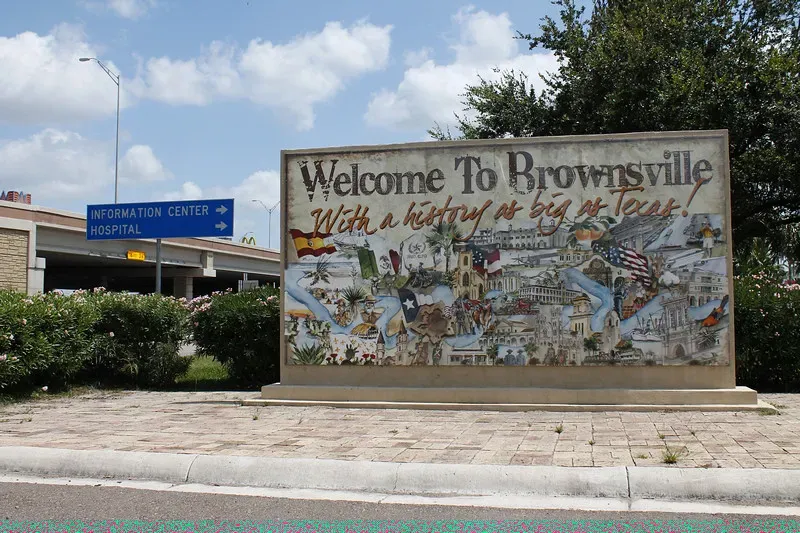
Brownsville sits right on the southern tip of Texas, pressed against the Rio Grande with Mexico just across the water. This southern Texas city was long named the poorest in the nation, and about 24.9% of its population lives below the poverty line, a number considerably higher than the national average of 12.4%. Those are real numbers, and they deserve acknowledgment.
Yet Brownsville offers something rich and rare: a vibrant bicultural identity that is unlike almost anywhere else in the United States. In 2023, the city had a median age of just 30.9, making it a young, energetic place. The median property value was $122,400, and most residents had an average commute time of just 20.6 minutes. That is practically unheard of in modern American cities.
That affordability, combined with a warm climate, strong community ties, and proximity to the Gulf of Mexico, gives residents a quality of life that feels richer than the income data would suggest. Honestly, if you value warmth, culture, and keeping money in your pocket, Brownsville might quietly be one of the most underrated places to live in the entire country.
2. Cleveland, Ohio – Where the Numbers Are Finally Turning
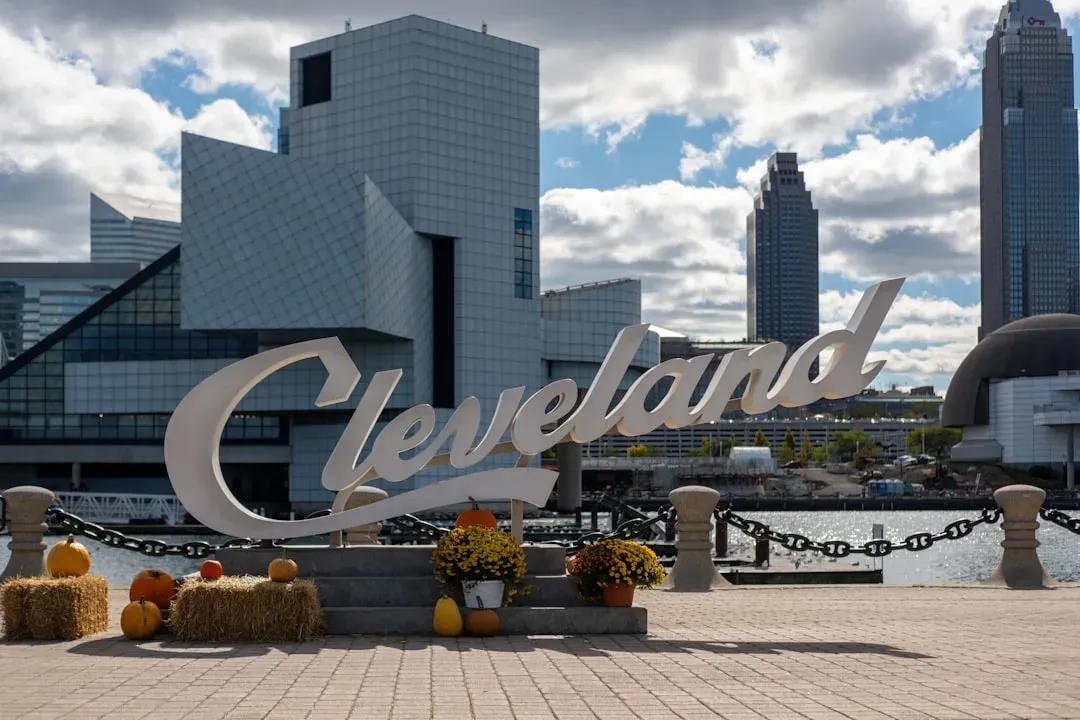
Cleveland has carried the weight of its reputation for a long time. Rust Belt, post-industrial, struggling. All of those labels are partly earned. Poverty rates for Cleveland decreased from 30.7% in 2023 to 28.3% in 2024, which is still high, but that downward movement matters enormously.
For the first time in recent years, the population of Cleveland actually increased instead of decreasing. Ten years ago, the population was just over 376,000 residents, with gradual decline until 2024, when population estimates rose by over 2,700 residents from the previous year. People are choosing Cleveland again, and that shift carries real meaning.
In 2024, Cleveland saw an estimated 7,000 fewer people living in poverty than the previous year. The Rock and Roll Hall of Fame, a spectacular lakefront, a nationally respected medical corridor anchored by the Cleveland Clinic, and affordable housing make daily life here far better than the numbers first suggest. Here’s the thing about Cleveland: it punches way above its weight when it comes to culture, healthcare access, and community identity.
3. Dayton, Ohio – The Rust Belt Gem That Made the Top 30
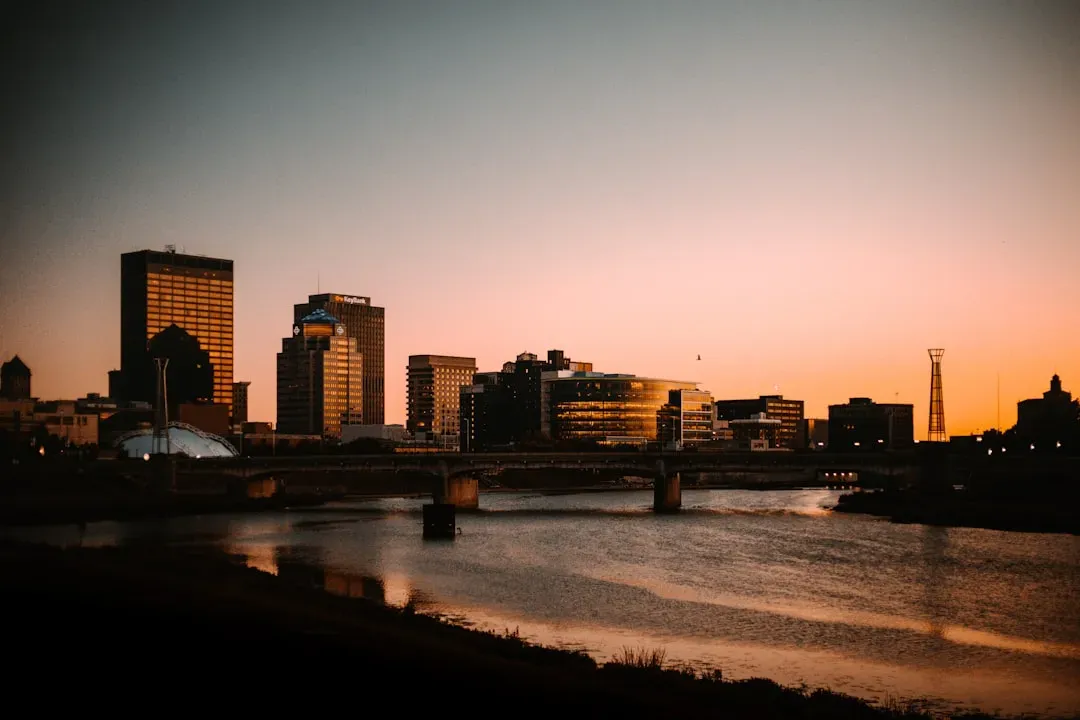
Dayton doesn’t get enough credit. It sits in west-central Ohio, has faced decades of manufacturing job losses, and still shows up every single day with quiet determination. Located in west-central Ohio, Dayton ranks among cities with the highest poverty rates, and its current problems largely stem from a lack of high-paying jobs in the region, mostly because so many high-paying manufacturing jobs have evaporated.
Here’s what surprises people: a new study lists Dayton among the top 30 best places to live in the U.S. Think about that for a second. A city battling serious poverty making a national livability list. According to RentCafe, the city ranked 26th among 149 U.S. metro areas, with the study taking into account 17 metrics including cost of living, healthcare access, and community feel.
The cost of living in Dayton is 3.5% below the national average, and the unemployment rate dropped to 4.9%, compared to 5.3% in 2024. Many homes lacking gas or electricity have been repaired, with severe housing problems dropping from 11.3% in 2024 to 10% in 2025. Slow progress, sure, but it’s the real kind. Think of it like patching a roof shingle by shingle: it never looks dramatic from the outside, but one day you realize the leaks are gone.
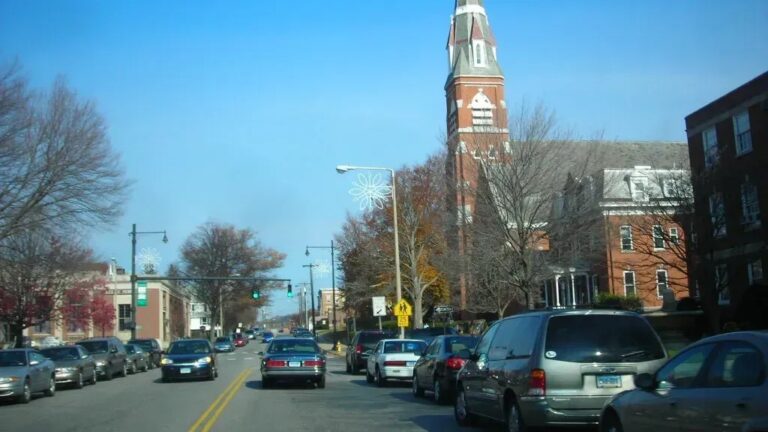
4. Hartford, Connecticut – The Poorest City in the Richest State
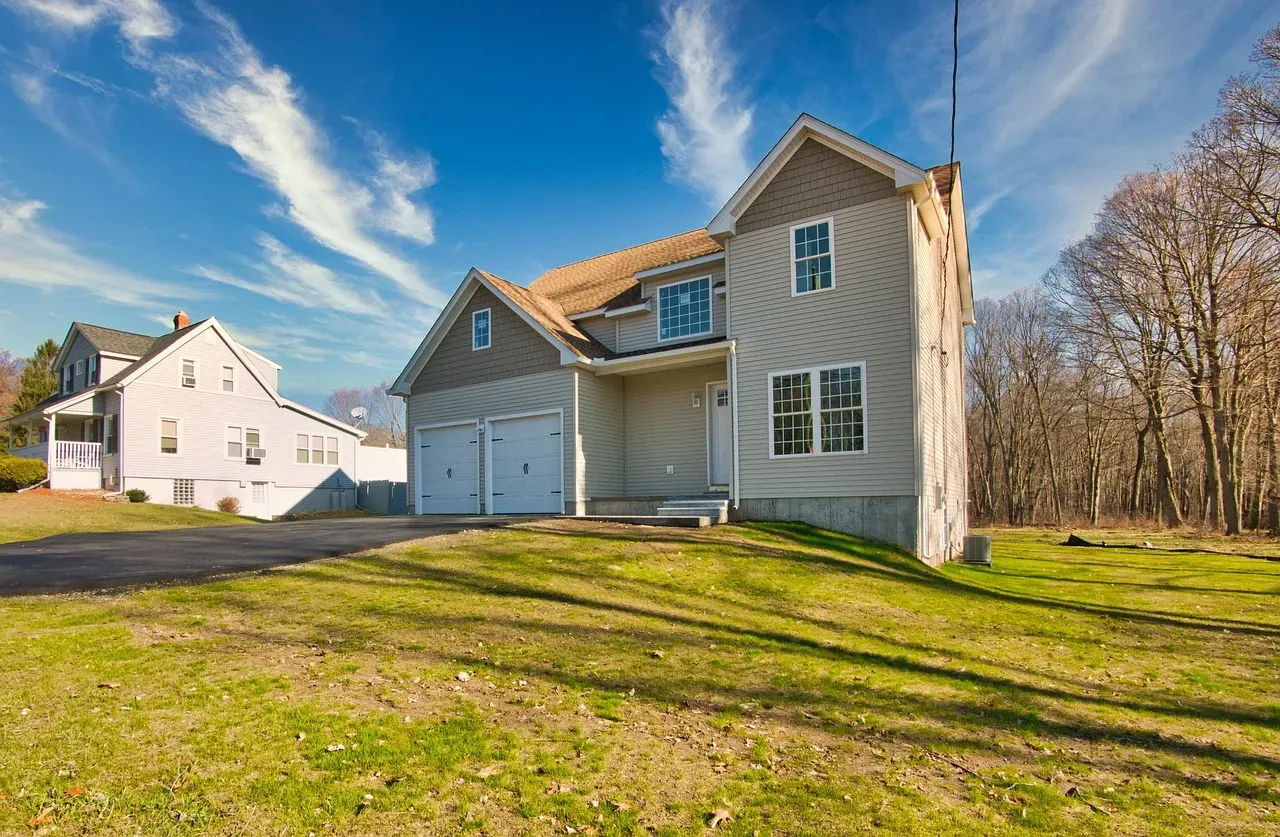
The contrast here is almost absurd. Following the Civil War, Hartford was the richest city in the United States, largely due to the Industrial Revolution, but the once-busy factories shut their doors long ago. Today, Hartford is the poorest city not just in one of the richest states in the country, but among the poorest in the entire nation.
Yet Hartford sits at the center of a state that surrounds it with resources, hospitals, universities, and transit infrastructure. The proximity to Yale University’s medical system, strong nonprofit networks, and a deeply historic urban core give residents access to services and cultural richness that pure income stats completely miss. That state-level safety net is genuinely meaningful for everyday residents.
Insurance industry jobs remain a significant employer in the city. Hartford has world-class museums, including the Wadsworth Atheneum, the oldest public art museum in the country. Residents benefit from Connecticut’s extensive public infrastructure, including transit links and state-funded social services that are among the most generous in the nation. I think Hartford is one of the most misunderstood cities in America. Layered, complicated, and worth a second look.
5. Buffalo, New York – Cold Winters, Genuinely Warm Community
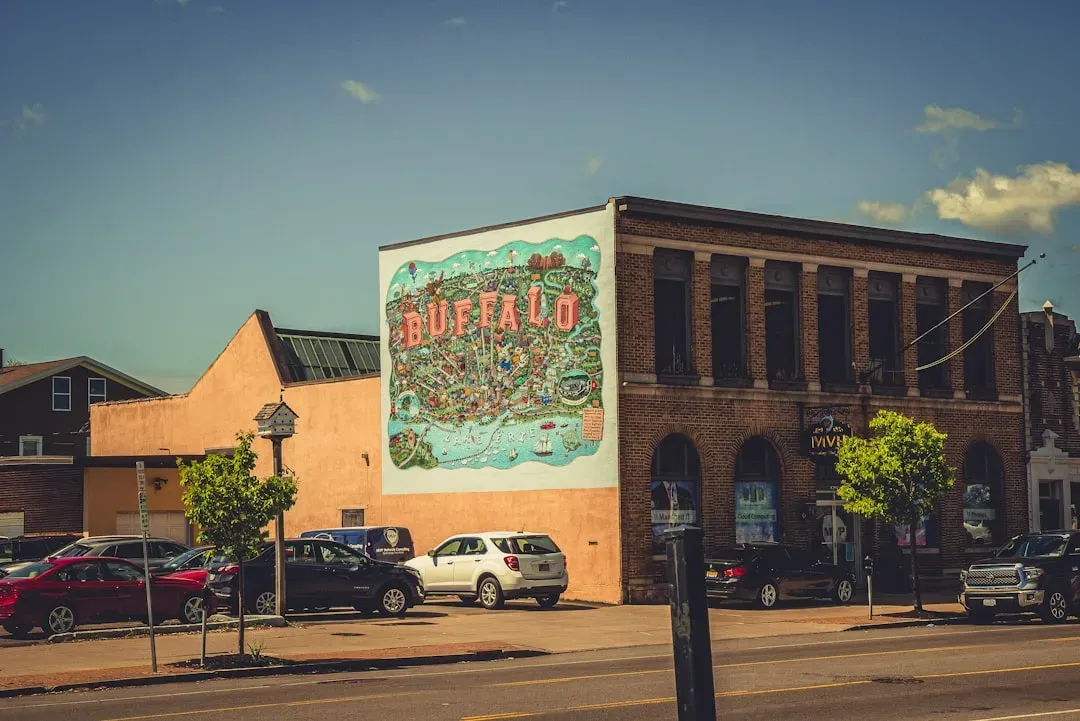
Buffalo was once a popular industrial and shipping hub, majorly because of its location near the Great Lakes. When that industrial base crumbled, the city took a hard hit that lasted decades. The word “Buffalo” still makes some people wince, and honestly, that reputation has stuck around longer than it deserves to.
Buffalo in New York is one of the poorest cities in the U.S., but sectors like clean energy and healthcare could be really promising in the near future. That geographic advantage near the Great Lakes never went away, and Buffalo is now quietly leveraging it again. The city’s revival is happening block by block, deal by deal.
The city has seen significant investment in its waterfront, its neighborhoods, and its local food culture. Housing remains remarkably affordable by national standards, and the arts scene, including the Albright-Knox art gallery now expanded into the Buffalo AKG Art Museum, rivals cities twice its size. Let’s be real: a world-class art museum, a legendary food scene, and Lake Erie summers in your backyard for a fraction of what you’d pay elsewhere? That’s a deal.
6. McAllen, Texas – The Green Border City That Defies Expectations

In 2024, 10.6% of the U.S. population lived in poverty, but in border cities like McAllen, Texas, the rate climbs considerably higher. The poorest states according to the U.S. Census Bureau include Louisiana, Mississippi, New Mexico, West Virginia, and Kentucky, but Texas border cities like McAllen tell a similar story, with poverty rates well above the national average driven by economic isolation and immigration dynamics.
Despite this, McAllen has earned a reputation as one of the most unexpectedly livable cities in the South. It has been recognized multiple times as one of the greenest cities in the nation for its extensive parks system and tree-planting initiatives. Not exactly what most people picture when they imagine a poor border town in Texas.
McAllen is a textbook example of the principle that money goes further in some cities than others: housing is cheap, food is affordable and exceptional, and the community is tight-knit and proud. The poverty level in the United States is around $30,000, although this amount of money can go much further in some cities than others. McAllen is living proof of exactly that principle, and the warmth of its community is something you can’t manufacture from a spreadsheet.
7. Detroit, Michigan – A Creative Comeback Nobody Saw Coming
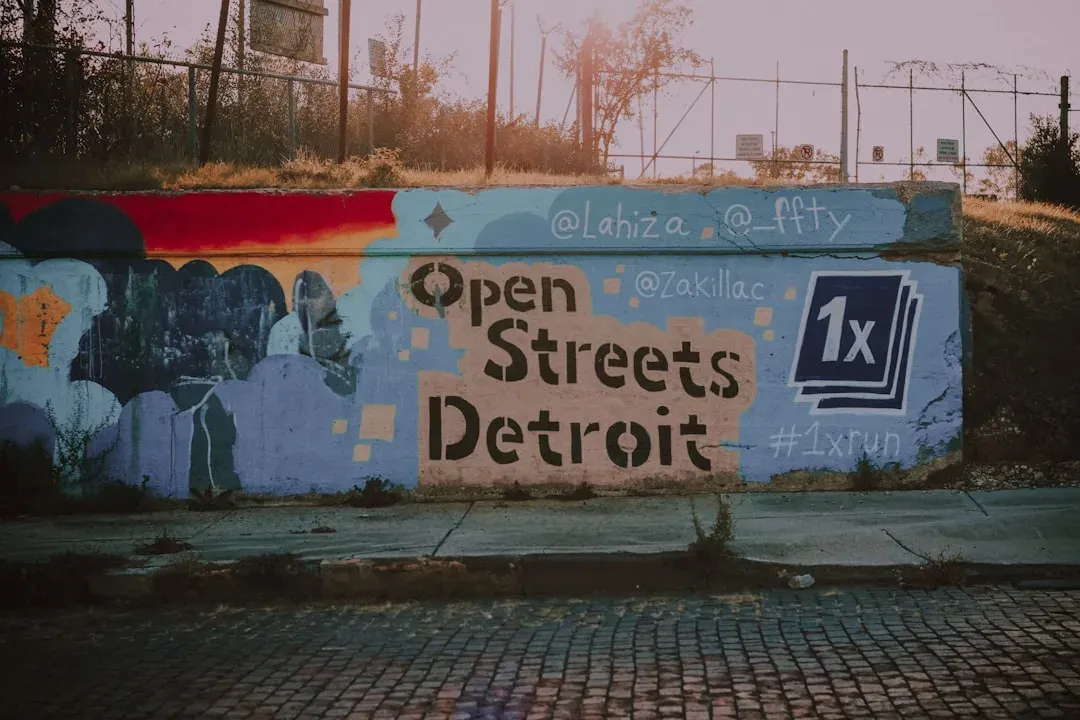
Detroit is still one of the poorest large cities in America. That’s not up for debate. Among the country’s ten cities with the lowest median household incomes, the average household income was just under $39,000 a year. Detroit frequently lands in that grim category. Yet something else is happening here that the income data completely ignores.
The Detroit Cultural Center Planning Initiative is an ambitious urban planning project aimed at reimagining the city’s 83-acre Cultural Center, and it recently won the prestigious Inaugural 2024 Bay Urban Visioning Award for Partners in Progress. The initiative brings together cultural institutions like the Detroit Institute of Arts and the Charles H. Wright Museum, with key goals including increasing the tree canopy by nearly two thirds and reclaiming 16 acres for public use. That kind of institutional vision signals a city that refuses to accept its narrative.
Detroit is now considered one of the top 10 cities in the country for street art. That is not something you just manufacture: that kind of creative energy grows from a community that refuses to give up. It’s a city that lost almost everything and decided to build something entirely its own. That, honestly, is worth more than most people give it credit for.
8. Plains, Montana – Small Town, Giant Quality of Life
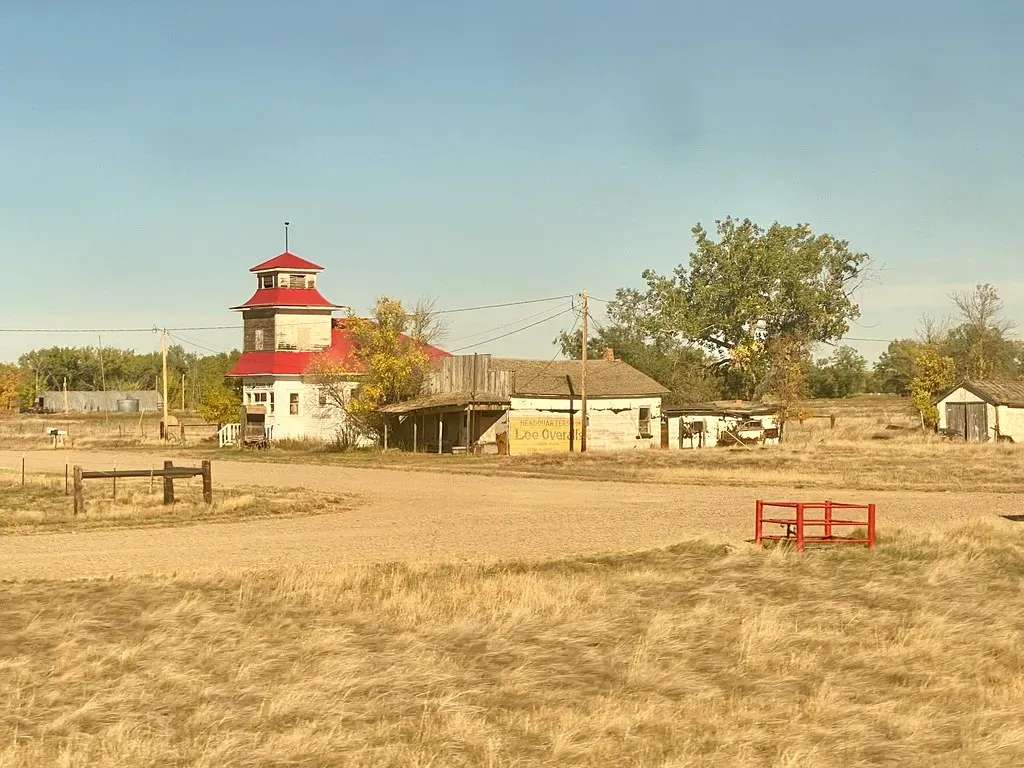
Plains, Montana is not a name you’ll find trending on social media. It’s tiny, tucked into Sanders County, and far from any major metropolitan convenience. Plains sits with a median household income of $25,313 and a poverty rate near 20%, and this tiny spot in Sanders County draws people in for its peaceful vibe. On paper, that sounds like struggle. In reality, something very different is going on.
Crime rates plunge dramatically below the national average, letting people sleep soundly at night. Surrounded by rugged mountains, outdoor lovers hike and fish year-round. The community feels like family, with events knitting neighbors close. Think of it like this: if your definition of quality of life includes safety, clean air, and knowing your neighbors by name, Plains delivers at a level most expensive suburbs never could.
Small cities may offer cost benefits for residents looking to stretch their income while enjoying a comfortable and more spacious lifestyle. While livability is a subjective concept, some elements of a community come close to being universally beneficial: housing affordability, the spread of business offerings, financial standing, unemployment levels, average commute times and healthcare coverage can all affect the well-being of a community. Plains checks several of those boxes in ways that genuinely surprise first-time visitors, and that surprise is exactly the point.
The Bigger Picture: What These Towns Are Really Telling Us
Despite being one of the wealthiest countries in the world, the United States has a significant income inequality gap, and several towns around the country are plagued by financial hardship and poverty. Poverty in the United States defines the group of people who are in a state of deprivation, lacking the usual or socially acceptable amount of money or material possessions. That definition, cold and clinical as it is, only tells part of the story.
Cities with the best quality of life score high on factors like crime, quality and availability of healthcare, quality of education, and average commute time. Notice what’s missing from that list: raw income. The towns featured here score well precisely on those dimensions, even while their bank accounts tell a harder story.
What these eight places share is something you can’t deposit in a bank account: community identity, cultural pride, affordability that actually stretches a dollar, and a stubbornness that refuses to confuse poverty with powerlessness. Small cities may offer cost benefits for residents looking to stretch their income while enjoying a comfortable and more spacious lifestyle, and these towns are living proof. Income and quality of life are connected, yes, but they are not the same thing, and the gap between those two ideas might be exactly where the most interesting American stories are hiding right now. What would you have guessed before reading this?