4 Things Rich People Don’t Care About Anymore
Something quietly dramatic is happening at the top of the wealth pyramid. The ultra-rich are changing. Not in flashy, headline-grabbing ways, but in deep, behavioral shifts that are reshaping entire industries. The things that once defined wealth – the logos, the grind, the spectacle – are being quietly abandoned. What’s replacing them is far more interesting. Let’s dive in.
1. Designer Labels and Logo-Heavy Fashion

Here’s the thing: that Hermès Birkin bag you’ve been dreaming about? The ultra-rich have moved on. According to a report from Bain & Company, roughly 50 million luxury consumers exited the market between 2022 and 2024. That is not a small dip. That is a structural earthquake rattling the foundations of houses like Dior, Versace, and Burberry.
Luxury fashion brands in the U.S. are seeing fewer people interested in buying their products in 2025, and new data from YouGov BrandIndex shows that consumer interest in top luxury names like Louis Vuitton, Gucci, and Dior has dropped noticeably. The numbers don’t lie.
In recent years, Chanel and Hermès’s handbag price hikes have received relentless attention – and for good reason. A Chanel bag that cost $5,800 in 2019 cost nearly $12,000 in 2024. The price doubled. The quality? Not so much. Nearly 80% of the ultra-wealthy surveyed say they are dissatisfied with price increases because they don’t perceive a corresponding increase in quality.
Unlike influencers, many real high-net-worth individuals lean toward stealth wealth in 2025. They may still enjoy luxuries, but they’re low-key and high quality: tailored clothing over logo-heavy fashion, private dining or travel rather than Instagram-fuelled extravagance, and minimalist design with understated wealth signals. Think of it like this – if you have to show everyone what you’re worth, maybe you’re not quite as certain about it as you’d like to appear.
2. Performative Health and Beauty as Status Symbols
After the rise of affordable knockoffs, the ultra-rich moved the goalpost to a new standard of wealth: health and aesthetic beauty. Whether that meant investing in Pilates classes, at-home IV drips, lip filler, organic produce, or weight-loss drugs, celebrities and the top one percent touted all the ways they were reversing the biological clock. It was clever. For a while.
Being slim signaled that one had more “self-control,” or had access to healthy foods and boutique workout memberships. Looking youthful was another signifier – but then the middle class got hold of facelifts and Wegovy. Once everybody could do it, it stopped being exclusive. That’s always how it goes.
Increased demand, competition, and expanded insurance coverage have driven prices down; the net price of Ozempic in the U.S. declined 40% between 2024 and 2017, when it was first introduced to the American market. The rich don’t abandon things because they stop working. They abandon them because everyone else has access to them. Exclusivity is the whole point.
The status symbols of the one percent have typically revolved around appearance. With the democratization of beauty, skincare, cosmetic enhancements, and fashion, new emblems of success are a bit more behavioral. Honestly, that makes the new rules of wealth harder to copy – which is precisely why wealthy people find them so appealing.
3. Hustle Culture and the Glorification of Overwork
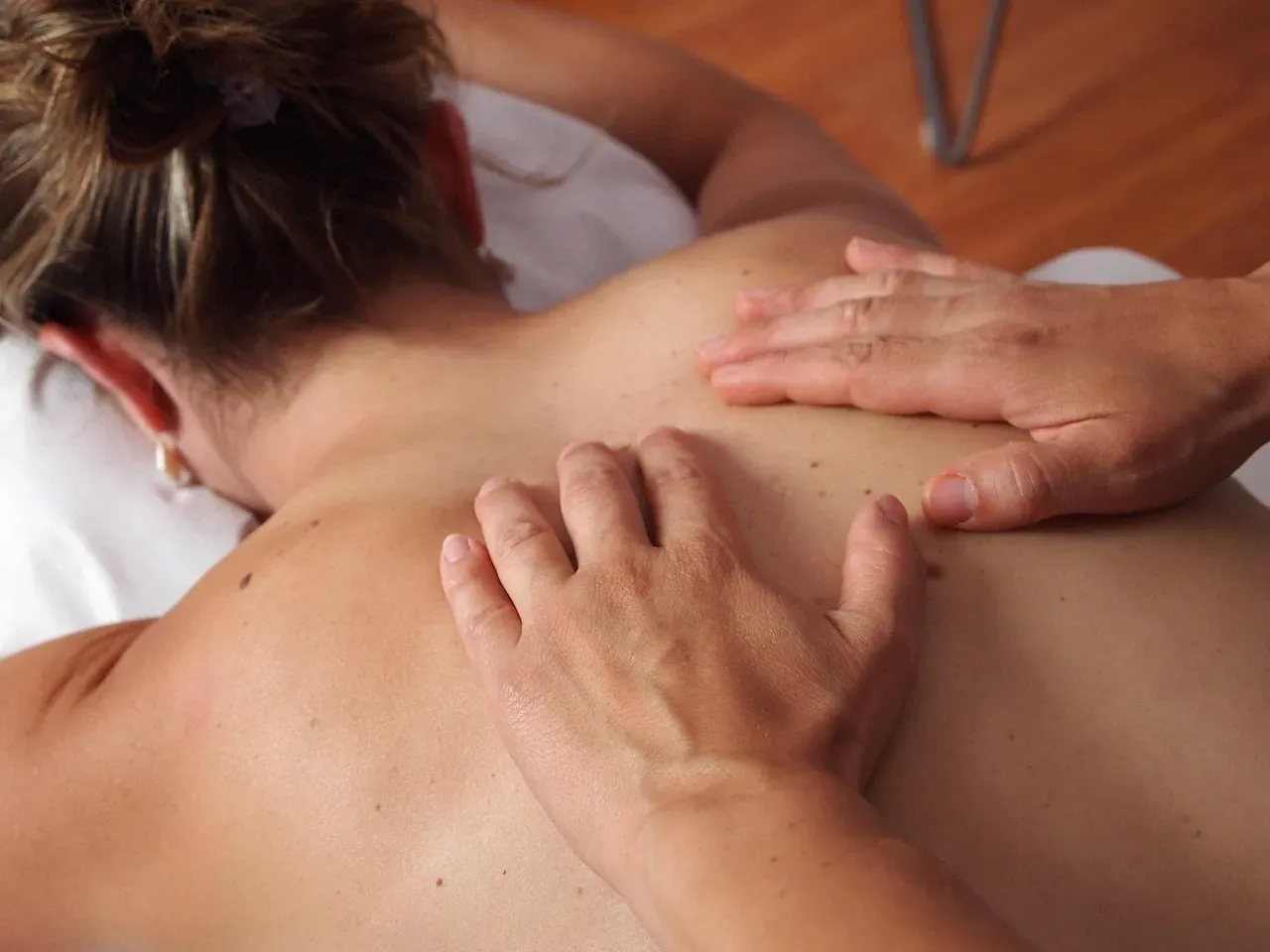
I think this one surprises people the most. Weren’t the super-rich built by working 80-hour weeks? Maybe. But that’s not what they’re proud of anymore. Members of the upper class are flashing their funds in more creative ways that in some cases have nothing to do with overt spending. Privacy, leisure activities, novel items, and expressing oneself have become new touchpoints of prosperity. It’s not about having the money to afford an item – it’s about having the means to ditch hustle culture and get ahead.
According to the KeyBank 2024 Financial Mobility Survey, a whopping 72% of Americans define success as having a “soft-life culture,” with a focus on happiness and personal fulfillment. Only 28% say that they identify with “hustle culture” focused on career achievement, wealth, and status. The tide has clearly turned, and the wealthy are leading it.
Looking back at data from the years following 2019, The Atlantic’s Derek Thompson declared that “since 2019, rich Americans have worked less.” Less work, more wealth. Sounds like a contradiction until you realize that true financial independence means your money works for you – not the other way around.
The top financial goal for high-net-worth individuals is achieving financial independence, where passive income is sufficient to support their lifestyle. Reaching this goal typically requires a net worth of $25 million or more; most members at this level earn more in annual passive income than they spend. When money flows in while you sleep, there’s genuinely no reason to hustle. That’s the real flex.
4. Material Goods Over Memorable Experiences
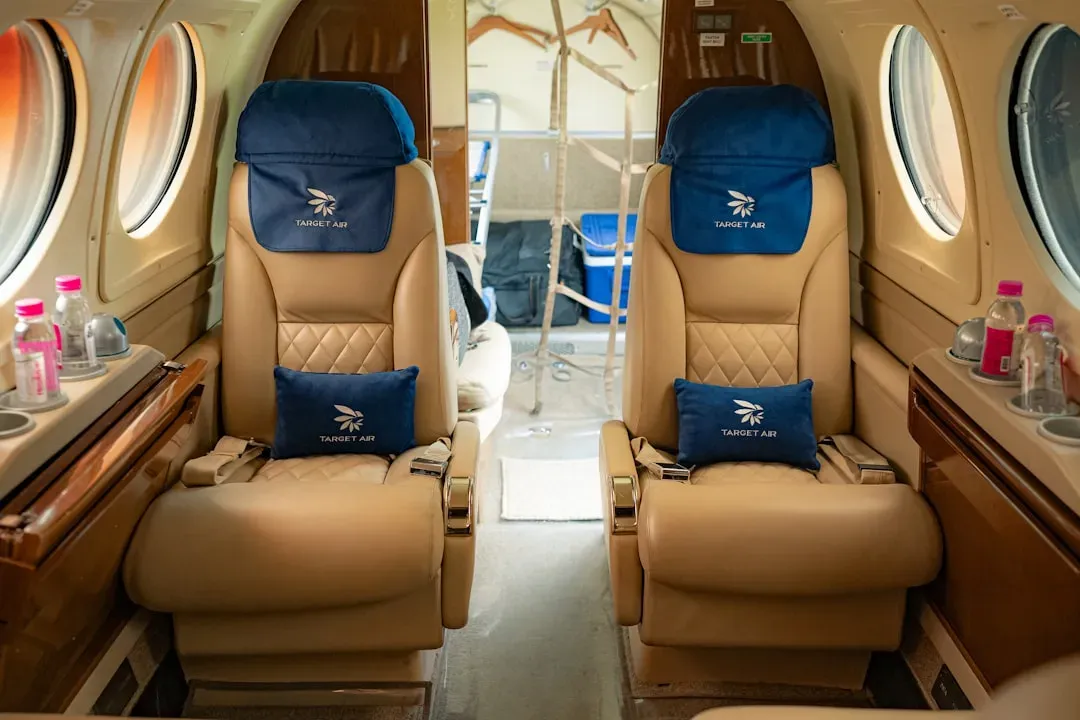
In Euromonitor’s Voice of the Consumer: Lifestyles Survey, fielded January-February 2025, over 70% of affluent consumers placed greater value on experiences than material goods. That is a seismic shift. Not a trend. A transformation.
Ownership no longer equals prestige – experience does. According to Bain & Company, spending on experiential luxury, such as travel, dining, and bespoke services, has now surpassed physical luxury goods. Think about that for a second. The yacht can stay in the harbor. The wealthy are booking conservation safaris, private wellness retreats, and chef’s table dinners instead.
High-net-worth individuals are most likely to spend more on travel this year than last year, followed by healthcare and real estate. They plan to spend less on luxury goods, education, and automotive purchases. The priorities have reshuffled completely. Travel climbs. Stuff falls.
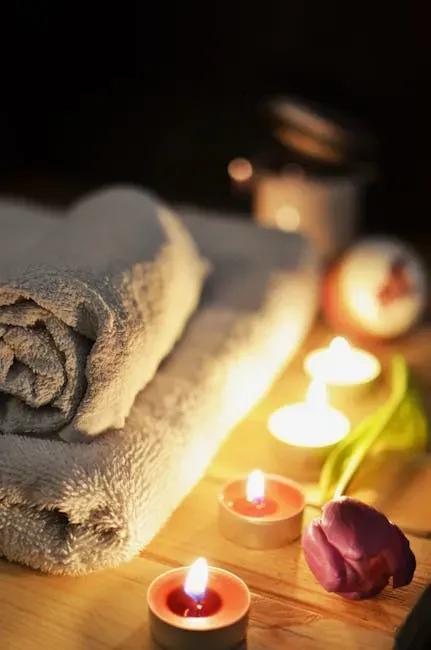
Millennials and Gen Z, who now make up a growing share of high-net-worth spenders, value meaning and memory over materialism. They’re digital natives constantly surrounded by content. Showing luxury online isn’t as valuable as feeling it firsthand. Wellness retreats are now a popular way to detox and unwind for the ultra-rich, offering a combination of luxury, privacy, and personalized service. There is no photo of a perfect experience that can replace actually having one.
Let’s be real: the definition of wealth has always evolved, and right now it’s going through one of its most dramatic reinventions in decades. Logos are out. Lived experience is in. Overwork is embarrassing. Having time – real, unhurried, private time – is the ultimate status symbol. What do you think about that? Tell us in the comments.