3 Rare Coins Boomers May Want to Hold Onto a Little Longer
There’s something instinctive about wanting to cash in once retirement rolls around. After decades of holding onto things, converting assets into liquidity feels like the natural next step. But when it comes to rare coins, patience often pays far more than a quick sale ever would. Rare coins are assets that consistently rise in value precisely because they will always be rare, and that rarity will always lure collectors and investors, creating steady demand that keeps pushing prices higher. The broader market is proving this out in real time. The rare coin market has shown robust growth, with values appreciating by approximately 20% annually over the past year, outpacing gold, and this surge is driven by economic uncertainty, inflation concerns, and investor demand for tangible assets. For boomers sitting on old coin collections, what’s tucked away in a drawer might be worth considerably more than they realize.
1. The 1937-D Three-Legged Buffalo Nickel
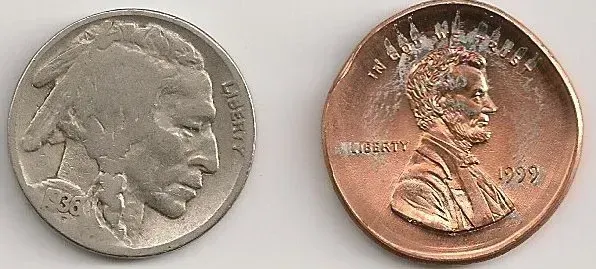
Few coins carry the kind of folklore that surrounds the 1937-D Three-Legged Buffalo Nickel. It was born out of a die polishing error at the Denver Mint where a worker over-polished the die to remove clash marks, accidentally erasing one of the buffalo’s legs, resulting in a five-cent piece with only three visible legs. Error coin collectors have been buzzing about this three-legged buffalo since first figuring out it existed in 1939, and experts estimate that around 10,000 of these error coins entered circulation, of which possibly only a handful of hundreds survive in top-grade condition. That scarcity is the entire story when it comes to value.
The price data from recent years tells a convincing story. Coins graded by respected services like NGC and PCGS have sold for anywhere between $705 and $2,640 at auction, while on eBay, a “gem” status example sold for $5,200 in December 2024, and a “near-gem” coin sold for $7,522 in November 2024. At the very top of the grading spectrum, the numbers become extraordinary. The PCGS currently values an MS66+ Three-Legged Buffalo Nickel at $105,000, and the NGC has certified three coins at MS67, which are valued at $150,000 each. What’s fascinating about this coin is that it tells a story, whether it’s the Buffalo Nickel’s minting blunder adding to its rarity and its value. Boomers who have one in even moderately worn condition would be wise to have it professionally certified before making any decisions about selling.
2. The 1958 Full Bell Line (FBL) Franklin Half Dollar
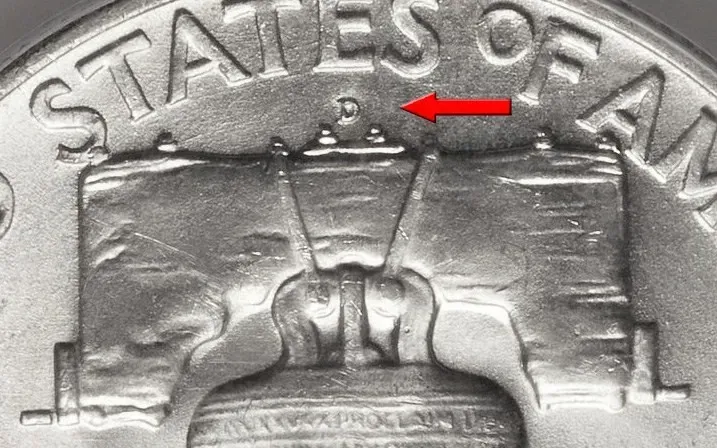
The Franklin Half Dollar is a coin that many boomers grew up with, minted between 1948 and 1963. Designed by John R. Sinnock, the half dollar bearing one of America’s most famous Founding Fathers, Benjamin Franklin, is no doubt a popular coin. Within the series, however, one specific designation separates the ordinary from the extraordinary. The real rarities in the Franklin half dollar series are those which show full horizontal lines across the depiction of the Liberty Bell on the coin’s reverse, known as Full Bell Lines, or FBL Franklin half dollars. The 1958 issue is particularly prized in this regard. The 1958 Franklin Half Dollar value is one of the highest in the series due to its exceptional strike quality, and this year is well known for the scarcity of FBL specimens because the late 1950s was a time of high production, but the difficulty in finding well-struck examples elevates its market value.
The contrast between a standard example and an FBL-designated coin is stark. A regular 1958 Franklin Half Dollar might be worth a few dollars above face value, but an FBL version in mint condition can sell for hundreds, sometimes even thousands. The record-setting numbers from 2024 underscore how serious buyers are about condition and designation. A 1948 Franklin Half in MS-68 FBL set a record sale of $84,000 in 2024, as finding a specimen with Full Bell Lines in near-perfect MS-68 condition is extraordinarily rare. When building a Franklin collection, experts advise prioritizing Full Bell Lines over raw mintage figures, since the FBL designation creates a permanent numismatic premium that transcends the silver melt value floor. For boomers, the silver content alone gives the coin a meaningful floor, while the FBL designation provides real upside.
3. The Morgan Silver Dollar (Key Dates)
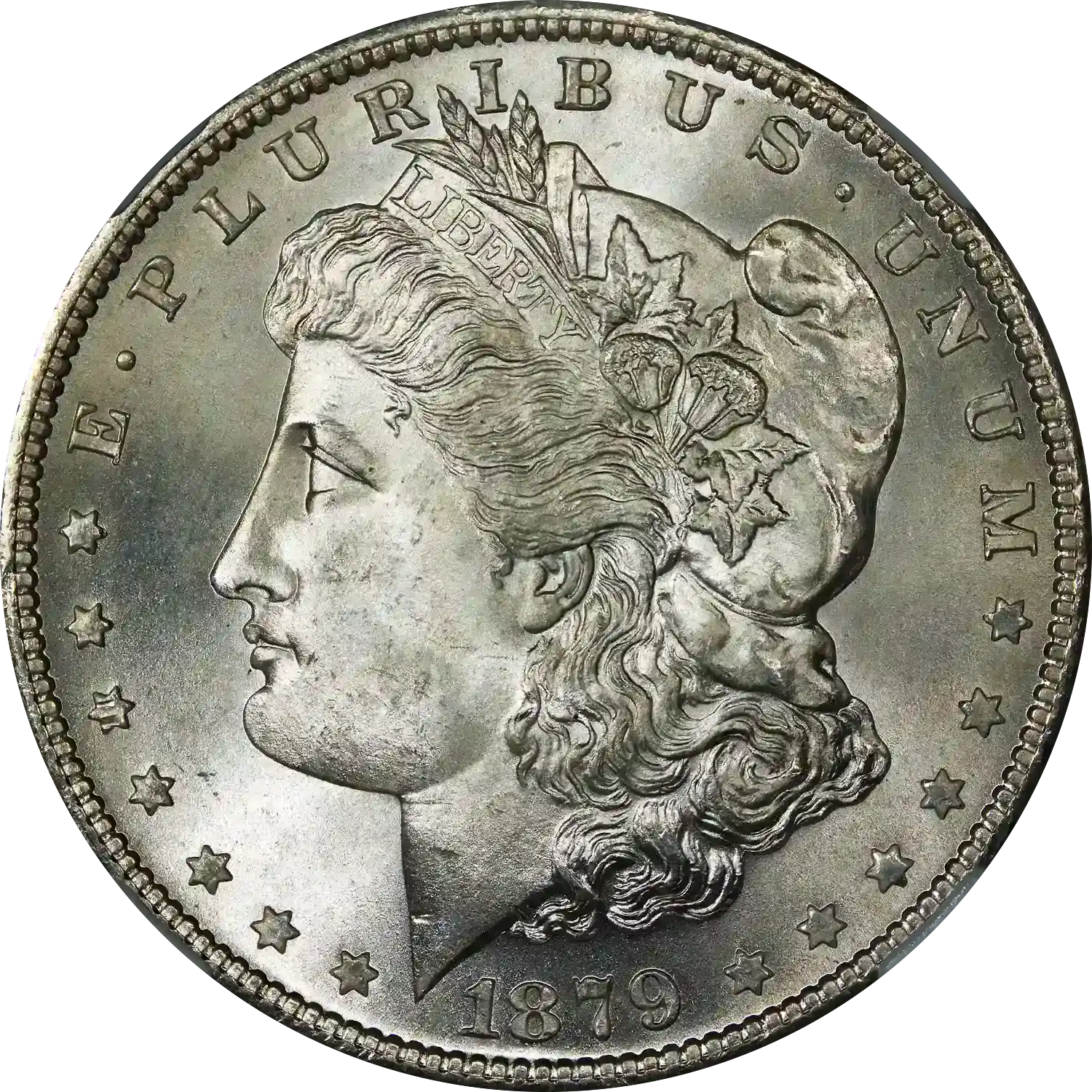
The Morgan Silver Dollar is arguably the most beloved American coin in existence, and for boomers, it carries both sentimental and serious financial weight. Morgan Silver Dollars, minted between 1878 and 1904 and briefly in 1921, stand as iconic pieces in any coin collector’s trove, with their allure lying in both historical and economic significance. Not all dates are equal, though, and knowing which ones to hold can make an enormous difference. Key specimens like the 1893-S Morgan Dollar and the 1889-CC Morgan Dollar underscore their place among rare coins, with the 1893-S, which had a mintage of only 100,000, reaching values over $1 million, with the finest examples fetching over $2 million. The broader market enthusiasm for these coins is not slowing down.
Recent auction results confirm just how hot this category remains. Among the standout 2025 auction results was the single finest known 1901 Morgan Dollar that shattered previous records, bringing $720,000. Investing in Morgan Silver Dollars is compelling due to their scarcity and rising demand, as rarity drives value and continuous interest among collectors enhances future worth, with values for these rare coins projected to continue increasing. The overall rare coin market context reinforces why patience matters here. The global coin collection market was valued at $20.9 billion in 2024 and is projected to reach over $47.5 billion by 2035, demonstrating a compound annual growth rate of 8.6% from 2025 to 2035. When it comes to coin collecting, the smartest moves often come from waiting, and if you own any of these rare coins, keep in mind that they are a lot more than nostalgic keepsakes – they are long-term assets that continue to build value and cultural weight over time.