Don’t Spend That 1943 Penny: How One Sold for $840,000 – and How to Spot It
Most people don’t think twice before tossing a penny into a jar. A quick glance, a familiar copper color, and it disappears into the clutter of daily life. Honestly, who has time to inspect every cent? The thing is, sometimes that quick glance is a very expensive mistake.
The 1943 copper penny is one of the most extraordinary accidental treasures in American history. One single specimen from the Denver Mint fetched $840,000 at auction in 2021. Not because it was gold. Not because it was ancient. Because it was a penny that simply should not exist. Ready to check your coin jar? Let’s dive in.
A Nation at War Changed Everything About How Pennies Were Made
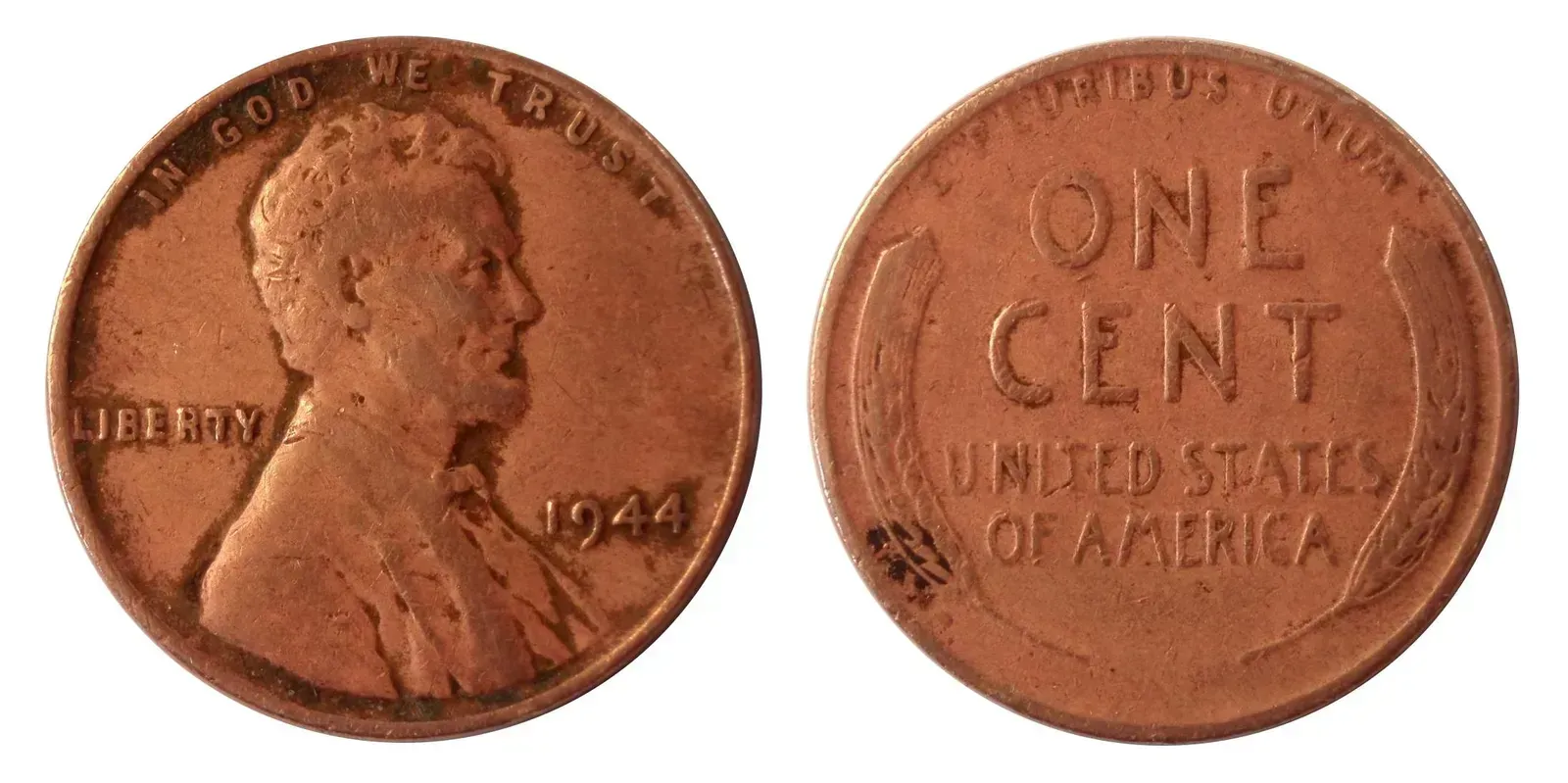
World War II reshaped virtually every corner of American life, right down to the change in your pocket. During the war, copper was desperately needed for the war effort, primarily for shell casings and military equipment, so the U.S. Mint responded by switching penny production from the traditional copper composition to zinc-coated steel for the entire year of 1943. It was a dramatic, one-year emergency measure unlike anything before or since in U.S. coinage history.
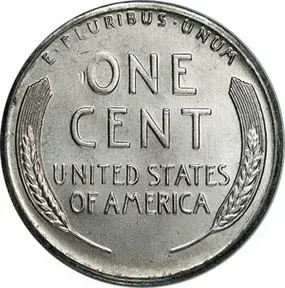
These steel pennies were Lincoln Wheat cents made in 1943, representing a unique emergency composition during World War II, produced using 99% steel planchets with a thin zinc coating to conserve copper for military ammunition and artillery production. The result was a coin that looked nothing like a typical penny. Citizens frequently confused steel cents with dimes, losing money in transactions. It was, to put it mildly, not a popular coin.
The Accidental Birth of a Numismatic Legend
Around the end of 1942, a small number of bronze planchets got caught in the trap doors of the mobile tote bins used to feed blanks into the Mint’s coin presses, and those planchets went unnoticed when the bins were refilled with zinc-coated steel planchets in 1943. Think of it like finding a grape at the bottom of a bag of marbles. Nobody caught it in time.
The stray copper planchets eventually became dislodged and were fed into the coin press along with the wartime steel blanks, and the few resulting copper cents were lost in the flood of millions of steel cents struck in 1943, escaping detection by the Mint’s quality control measures. Because the Mint has no official record of mass-striking copper cents in 1943, numismatists believe these were “transitional errors.” One small moment of factory chaos, decades of collector obsession.
Just How Rare Are We Talking?
Here is where it gets truly jaw-dropping. Today a total of 27 confirmed 1943 copper wheat pennies are known to have been graded, including the unique 1943-D, six of the 1943-S, and 20 of the 1943 cents from the Philadelphia Mint, including seven graded by PCGS and 13 by NGC. That is a vanishingly small number for a coin that circulated publicly.
With fewer than 20 verified examples from all three mints combined, these coins represent one of the most elusive errors in U.S. coinage history, with the Philadelphia Mint producing the majority of the error coins and the Denver and San Francisco versions being even rarer. To put it in perspective, more people have walked on the moon than have owned a genuine 1943 Denver copper penny.
The $840,000 Sale – and the One That Went Even Higher
The chart-topping 1943-D bronze penny stands alone as the ultimate prize – the only confirmed Denver example in existence, commanding $840,000. This unique specimen likely resulted from a deliberate striking by a mint employee who hand-fed a bronze planchet into the press twice for superior detail. That makes the coin’s origin story even more mysterious and intriguing.
According to auction records at Heritage Auctions, the coin was authenticated by ANACS in 1979, changed hands several times, and in a private sale in September 2010, fetched $1,700,000 before later being sold in the Bob R. Simpson Collection sale for $840,000 in June 2021. The price drop from $1.7 million to $840,000 between sales might seem surprising, but it reflects the ever-shifting tides of collector demand and condition assessments. Meanwhile, a 1943-S specimen from San Francisco sold for $504,000 in 2020, and a Philadelphia Mint copper penny was auctioned for $372,000 in 2021.
The Story of Don Lutes Jr. – A Boy, a Lunch Tray, and a Fortune
One of the most human stories wrapped around this coin involves a Massachusetts teenager. The fantasy of finding one became reality for the family of Don Lutes Jr. of Pittsfield, Massachusetts, who received an ultra-rare 1943 Lincoln penny as change from his school cafeteria in 1947. At the time, the 16-year-old knew something was special about the coin: the copper coloring was distinctly different from the silvery steel variety in circulation. So Lutes decided to hold onto it.
After his discovery, Lutes wrote to the Treasury Department to ask about the unusual coin, which replied that no copper one cent coins were pressed in 1943. Unaware of the mistake that led to its production, the Treasury denied the existence and legitimacy of these pennies for decades. Lutes kept the coin anyway, a quiet act of stubborn curiosity that paid off enormously. It sold for $204,000 at Heritage Auctions, surpassing its $170,000 presale estimate and attracting a total of 30 bids, with the proceeds donated to the Berkshire Athenaeum, Pittsfield’s public library where Lutes had volunteered for years.
The Henry Ford Myth That Supercharged Public Interest
No great coin story is complete without a little folklore. In the 1940s and 1950s, rumors began circulating about these error coins, with newspaper articles claiming that automobile magnate Henry Ford would give a new car to anyone who found one, though this was actually a myth. You can imagine how that rumor spread through neighborhoods and schoolyards like wildfire.
Many suburban and blue-collar workers marveled at the unfounded mid-20th century rumor that Henry Ford would give a new car to anyone who could provide him with a copper 1943 cent, despite the Ford Motor Company’s repeated denials. Ford never made such an offer, though a genuine 1943 copper cent is now worth far more than a garage filled with the latest lineup of Ford cars and trucks. The myth was false. The value turned out to be very real.
How Counterfeiters Have Tried to Cash In for Decades
The moment these coins became famous, the fakers went to work. To capitalize on the situation, counterfeiters began their work, and since the 1950s, various manipulations have been used to make common copper pennies from the 1940s appear to be genuine 1943 off-metal errors, with some of these altered coins being deceptive even to non-experts. It is a problem that has never gone away.
Because of its high value, the 1943 bronze penny has been widely counterfeited, with many fakes being steel cents coated in copper while others are altered 1948 pennies with modified dates. There are still thousands of modern fakes coming out of overseas manufacturers who know the diagnostics of a fake and are very good at making convincing versions that pass both the magnet and weight test. In short, do not trust your eyes alone.
The Magnet Test: Your First Line of Defense
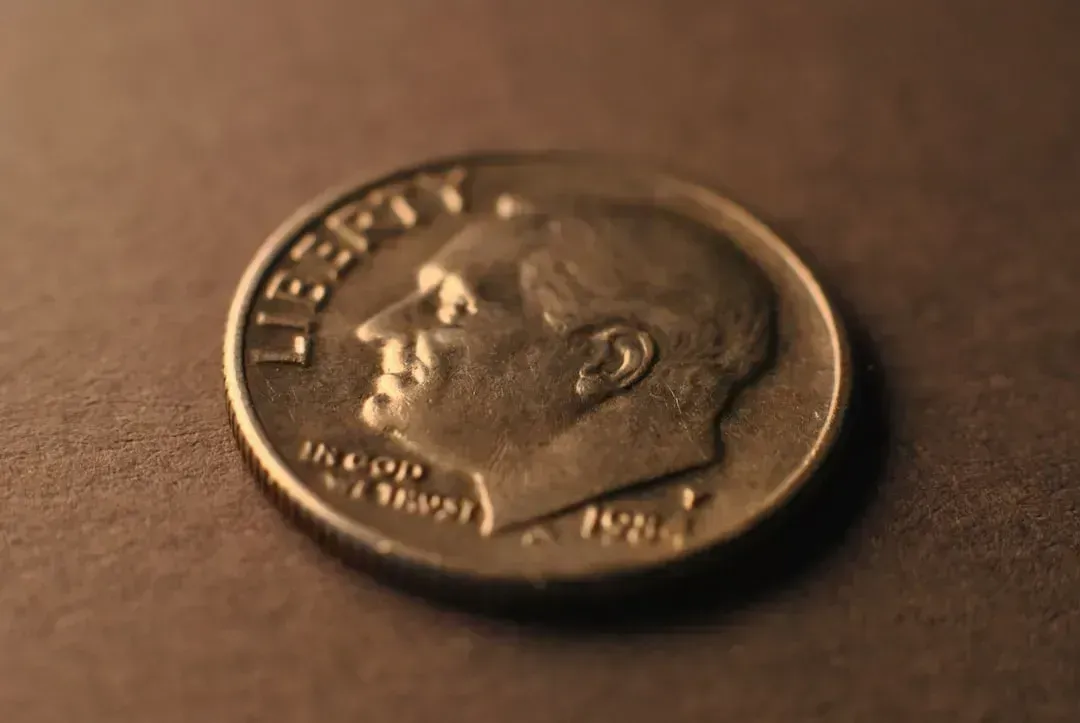
Let’s be real, most people don’t carry metallurgical testing equipment in their back pocket. The good news is that the first test is dead simple. Genuine 1943 copper cents will not be attracted to a magnet at all, while copper-plated steel counterfeits will exhibit a strong magnetic attraction. Even a refrigerator magnet can tell you something useful.
The genuine 1943 copper pennies are made of bronze – 95% copper and 5% tin and zinc – so they will not be attracted to a magnet. If your coin jumps to the magnet, that story ends right there. Many counterfeit coins have been physically and chemically altered to display that warm brown bronze color, so the bottom line is: if it sticks to a magnet, you don’t have the rare version.
Beyond the Magnet: Weight, Date, and Expert Eyes
Passing the magnet test is exciting. It is not the finish line, though. Genuine copper cents weigh 3.11 grams, while steel cents weigh only 2.702 grams, and a decent kitchen or jewelry scale can reveal this difference instantly. That gap, just under half a gram, carries a difference of hundreds of thousands of dollars.
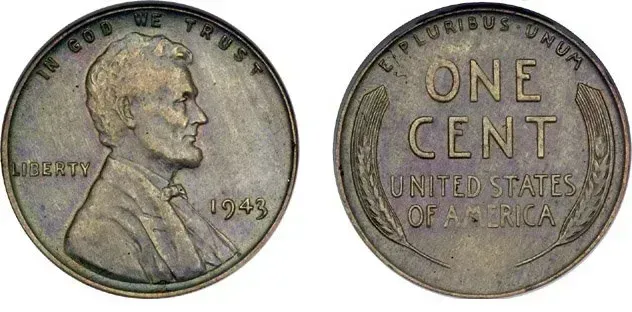
The date itself is also a critical diagnostic check. On authentic examples, the bottom of the numeral “3” in 1943 is sharp and angled closer to the eight o’clock position. Coins that have been altered will have a numeral three that is more rounded, considerably shorter, and points at roughly nine o’clock. After those home tests, CoinWeek recommends one of three professional companies for authentication: CAC Grading in Virginia Beach, Virginia; NGC in Sarasota, Florida; and PCGS in Santa Ana, California, which for a fee will authenticate the coin and, if genuine, place it in a secure, market-accepted holder.
What Your 1943 Penny Is Actually Worth Today
Here is the hard, honest truth most people need to hear first: the common 1943 steel penny is not the rare one. The steel cents are quite common – more than one billion were made across the Philadelphia, Denver, and San Francisco Mints. Most steel pennies are worth somewhere between twenty cents and twenty dollars. Nice conversation pieces, not retirement funds.
If, however, you genuinely have an authenticated copper example, the numbers look completely different. The 1943 copper penny is extremely valuable for a Lincoln cent, with circulated examples selling at auction in recent years bringing between $240,000 and $336,000, while the unique 1943-D copper penny carries an estimated value of over one million dollars. At PCGS, the 1943 and 1943-S copper pennies are valued at $1 million each in the price guide, while the 1943-D is listed at $1.5 million. The market has been climbing consistently, and there is no sign of it reversing anytime soon.