7 Restaurants That Feel Less Welcoming Than They Used To
There was a time when walking into a familiar chain restaurant felt like coming home. The booth was yours. The waitstaff knew what you ordered. The prices felt fair, the atmosphere warm. Somewhere between 2019 and now, something shifted. It’s subtle, the kind of thing you can’t quite put your finger on at first. But then you do the math on your bill and feel the cold plastic of a self-order kiosk and realize: this place has changed.
Since 2019, restaurant prices have increased by roughly a third, outpacing the overall growth of inflation during that same period, according to Bureau of Labor Statistics data. Meanwhile, the hospitality that used to justify those prices? It’s been quietly disappearing. Restaurants must now navigate a razor-thin margin between maintaining customer loyalty and managing escalating costs, and with households increasingly treating dining out as a luxury, every menu item and service interaction becomes a potential make-or-break moment. Here are seven restaurants that, based on verifiable data and industry research, are feeling noticeably less welcoming than they once did. Let’s dive in.
1. McDonald’s – The Golden Arches Have Lost Some Shine
McDonald’s is, honestly, a case study in how a brand can slowly erode the goodwill it spent decades building. The numbers are hard to argue with. McDonald’s sits dead last in the American Customer Satisfaction Index rankings, scoring just 70 out of 100 in the most recent 2025 ACSI study. Think about that for a moment. The world’s most recognized fast food chain is ranked at the very bottom of consumer satisfaction.
The chain has suffered from declining sales, recently reporting its worst drop since the 2020 pandemic, and the people patronizing the chain aren’t finding many reasons to continue spending their hard-earned money at the Golden Arches. The value equation, once McDonald’s greatest asset, has collapsed in the eyes of many customers. The number of low-income consumers visiting U.S. fast-food restaurants was down nearly double digits in early 2025 compared to 2024, and visits from middle-income consumers fell nearly as much.
McDonald’s dealt with a rare drop in sales and a wave of consumer backlash over its prices in 2024. The feeling of being welcomed has been replaced by the feeling of being squeezed. From noticeably smaller portions and higher prices to falling customer service standards, slippages have been getting more and more apparent at customers’ best-loved fast food joints.
2. Red Lobster – A Seafood Institution Adrift
Red Lobster used to be the place for a special occasion. A birthday. An anniversary. The cheddar bay biscuits alone made you feel like you belonged. That warmth has largely evaporated, replaced by the anxiety of a brand fighting for its survival. Red Lobster filed for Chapter 11 bankruptcy in May 2024, resulting in closures across 28 U.S. states, and the brand struggled with declining foot traffic and rising labor costs.
Red Lobster was driven into bankruptcy by mismanagement under a former owner, global shrimp supplier Thai Union, which cut the chain’s longstanding suppliers, pushed out veteran employees, and infamously made $20 endless shrimp a permanent menu item for the first time, hurting its profit margins. The veteran staff who once gave the chain its personality were gone. Consistency vanished with them. Red Lobster permanently shuttered more than 120 restaurants in 2024 alone.
Here’s the thing: losing experienced staff and replacing them under chaotic conditions doesn’t just hurt efficiency. It kills atmosphere. The hospitality sector consistently has one of the highest turnover rates, averaging around 73% annually, and high employee turnover leads to constant rehiring and retraining, which disrupts service consistency and increases labor costs, while undertrained staff often struggle to handle peak hours, take accurate orders, or maintain food quality.
3. TGI Fridays – The Party Ended Without Warning
TGI Fridays used to carry genuine energy. The name itself was a celebration. You walked in on a Friday and felt it. That era feels very distant today. TGI Fridays filed for Chapter 11 bankruptcy in late 2024, closing over 100 restaurants, largely due to declining sales and competition from fast-casual formats. That’s a chain contracting at a pace that is genuinely hard to recover from.
Before filing for bankruptcy, TGI Fridays shuttered 86 restaurants, starting with 36 closures in January and another 50 in late October, taking the chain’s footprint down to roughly 160 open locations worldwide. Imagine walking into a place with half-empty parking lots, reduced staff, and a shortened menu. The atmosphere follows the math. Since January 2025, TGI Fridays has closed around 30 more restaurants across states including New Hampshire, New York, Maryland, Massachusetts, and Ohio, on top of the 100 they shuttered the year before.
Industry observers note that these brands got dated in terms of their menu offering, the look and feel of the restaurants, and how they reach consumers. When the physical space stops being refreshed, it shows. Guests notice faded decor, reduced menu depth, and fewer staff. It’s the restaurant equivalent of a party that ran out of food but nobody left.
4. Denny’s – America’s Diner Is Struggling to Keep the Lights On
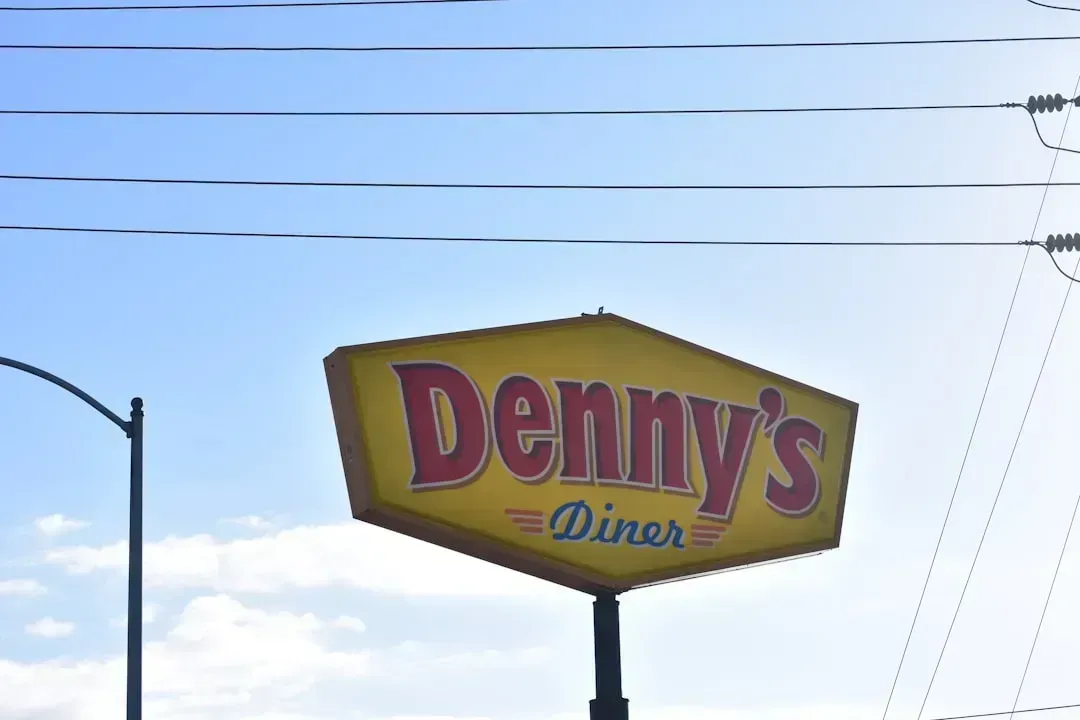
Denny’s built its entire identity on being open, accessible, and reliable. That 24-hour diner warmth was always there, no matter the hour. Lately though, fewer locations mean that warmth is harder to find. Denny’s announced plans to shut down 70 to 90 underperforming outlets in 2025, following the closure of 88 locations in 2024, citing high operating costs and market saturation. That is a staggering pace of contraction for a brand built on ubiquity.
At the bottom end of the industry, Denny’s slips to just 75 in the ACSI customer satisfaction rankings, one of the lowest scores among full-service restaurant chains tracked in the 2025 study. That score tells a story about how customers actually feel inside these locations. After shuttering dozens of locations throughout 2023, Denny’s was hit with another major wave of closures in 2024, announcing during an investor conference that it was closing about 150 restaurants, around a tenth of its total store count.
The reason behind closing those 150 locations? The buildings are too old for remodeling, or they simply aren’t turning a profit. Outdated interiors, understaffed locations, and the lingering shadow of mass closures all take a toll on how welcome a guest feels at the door. I think that’s the crux of it: hospitality starts with the physical space, and when that space feels neglected, so do you.
5. Applebee’s – Neighborhood Bar No More
The tagline used to say something about being in the neighborhood. And for a long time, Applebee’s actually felt that way. Familiar, casual, unpretentious. The experience today feels more transactional, shaped by a brand under serious pressure. Applebee’s same-store sales have declined for the last six straight quarters, and Dine Brands, which also owns IHOP, has closed more stores than it has opened every year since 2016, with the exception of 2022.
Sales at Applebee’s are dropping, and the chain is shuttering hundreds of restaurants. When a chain is in survival mode, it tightens. Menus shrink. Staff levels are reduced. The vibrant local feel that made these places popular gives way to something more clinical. Casual dining chains like Applebee’s typically cater to lower and middle-income families looking for a sit-down meal, but diners are abandoning these companies as their disposable income shrinks, and these restaurants have been hiking menu prices at the same time their customer base has been squeezed by the rising cost of living.
In 2024, sales across the casual dining sector dropped by nearly a full percent, while growing at fast-casual and fast-food chains, according to Black Box Intelligence. Applebee’s is caught squarely in that tide. It’s hard to feel welcomed by a brand that is more focused on restructuring than on the guest sitting in the booth.
6. KFC – The Colonel Has Fallen Behind
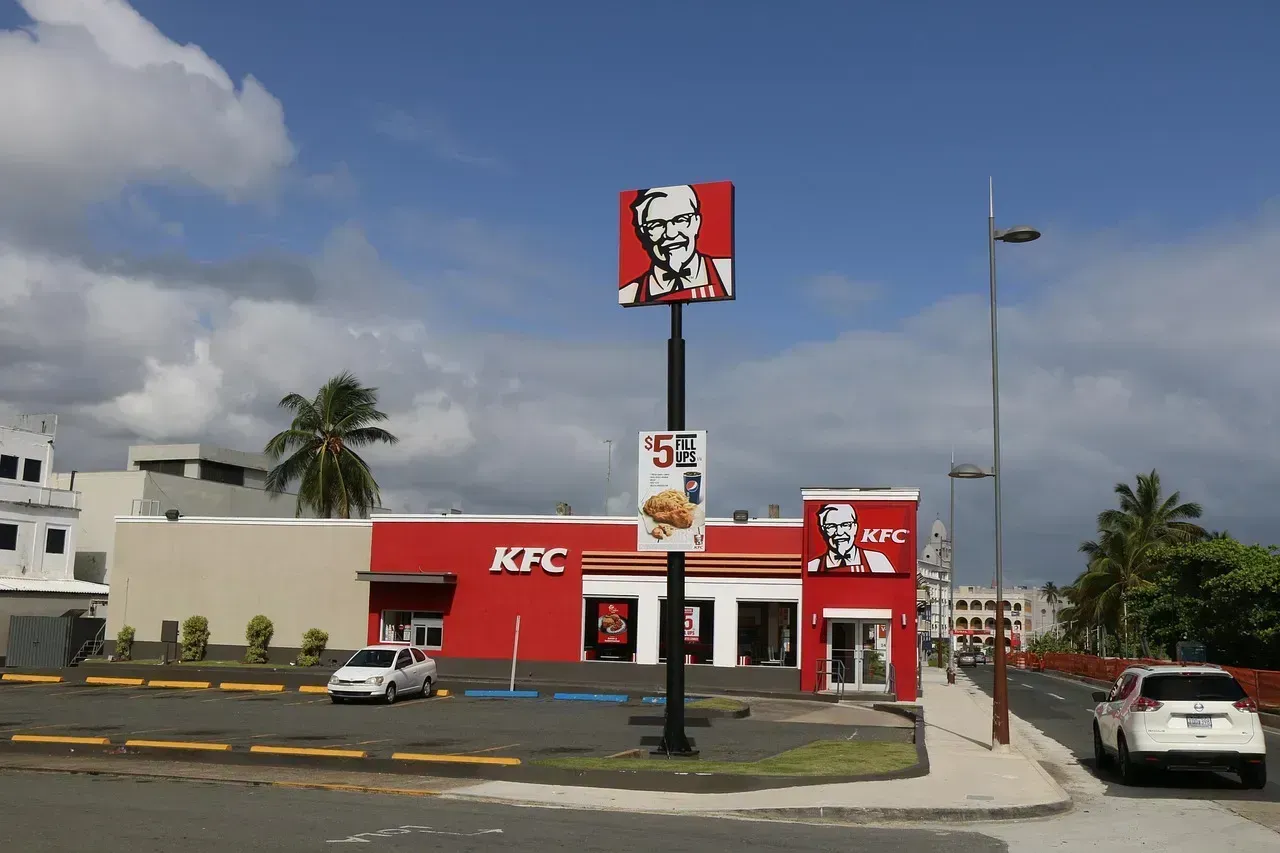
There was a time when KFC had something genuinely unique. The recipe, the buckets, the Colonel himself. It felt like a distinctive experience. That distinctiveness is fading, and the data backs it up. KFC holds the dubious distinction of the American Consumer Satisfaction Index’s largest drop from 2024 to 2025, falling from a score of 81 to 77 out of 100. That’s a steep fall, and it happened while competitors were gaining.
KFC faced a clear erosion of customer satisfaction as other chicken chains, like Raising Cane’s, Wingstop, and Popeyes, gained ground on both Yum Brands and on the broader quick-service category. When customers have better alternatives that feel more energetic and more current, they vote with their feet. KFC’s same-store sales dropped by 7% in the United States during the first quarter of 2024.
It’s impossible to pinpoint a single reason for the drops in sales and customer satisfaction, but customer complaints around the web have centered on price increases, smaller pieces of chicken, and lower overall food quality. A restaurant that charges more while delivering less is not going to feel welcoming. It’s going to feel like a transaction where you walk away feeling shortchanged. That’s precisely the atmosphere KFC is struggling to shake right now.
7. Outback Steakhouse – The Outback Has Lost Its Adventure
Outback Steakhouse once genuinely stood for something. The bloomin’ onion, the hearty portions, the down-under theme. It had personality. Something that made a Tuesday dinner feel like an event. That sense of adventure has been quietly chipped away. Outback Steakhouse dropped 4% in the ACSI customer satisfaction rankings, falling behind competitors in the full-service category. It was the prior year’s category leader, making that drop even more striking.
Outback lost customers as it relied too heavily on promotions to draw diners and cut costs, while simultaneously hiking prices. Outback’s check average last year sat at $29, fully $6 above rival Texas Roadhouse and $2.50 more than LongHorn Steakhouse. Paying more while getting less in terms of genuine warmth and experience is a reliable formula for driving guests away. During the fourth quarter of 2023, the chain’s domestic same-store sales decreased and traffic fell by more than 4%, and Outback’s financial woes continued in 2024 with a further drop in traffic at American restaurants.
In 2024, sales across the casual dining sector as a whole dropped, while fast-casual chains and fast-food chains managed to grow, which tells you something important about where guests are spending their money. Diners are not eating less. They’re eating differently. They’re choosing places that feel like they genuinely want the business. Outback needs to rediscover that energy if it wants to feel like the destination it used to be.