Why Your “Safe” 60/40 Portfolio Is Failing the 2026 Inflation Test
That classic portfolio your financial advisor recommended? The one with sixty percent stocks and forty percent bonds? Here’s the thing: it might not be as bulletproof as you’ve been told. Inflation is running at 2.8% annually according to the Personal Consumption Expenditures Price Index as of September 2025, well above the Federal Reserve’s 2.0% target, and this persistent pressure is exposing vulnerabilities in traditional allocation strategies that many investors never saw coming.
The discomfort isn’t just theoretical. Real money is at stake when the foundational assumptions behind decades of investment wisdom start crumbling.
The 2022 Wake-Up Call That Changed Everything

Let’s be real about what happened. The 60/40 portfolio declined 17.5% in 2022, marking its worst performance since 1937 and its fourth worst in the last 200 years. This wasn’t some minor blip. Both stocks and bonds fell simultaneously, which violated the core principle that made this allocation work for generations.
U.S. equities dropped roughly 19% and the Bloomberg Aggregate Bond Index fell roughly 13%, marking the worst joint performance for the pair in over 40 years. That kind of synchronized decline left investors with nowhere to hide. The bond portion that was supposed to cushion equity losses instead amplified the pain.
Stock-Bond Correlation Has Flipped Positive
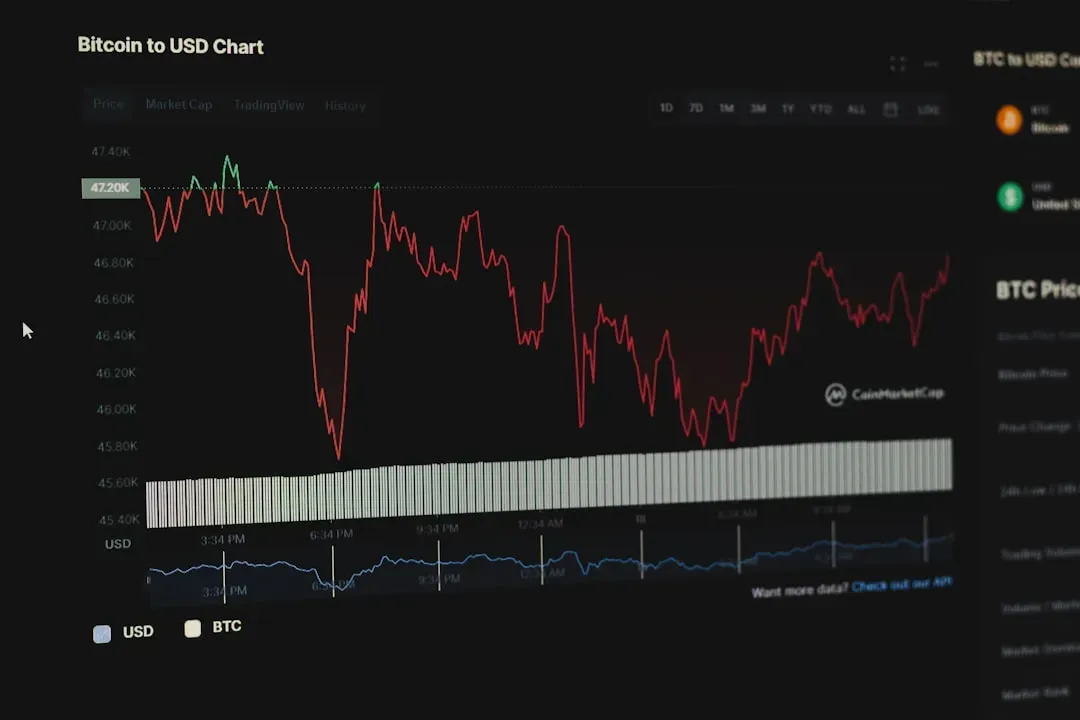
Here’s where it gets uncomfortable. The relationship between stocks and bonds has fundamentally shifted, with less reliable correlations undermining the diversification benefits, reflecting deeper structural forces including persistent inflation dynamics, policy action and fiscal imbalances. This isn’t a temporary blip in the data.
The 36-month stock bond correlation appeared to have eased from its peak of 0.66 in December 2024 to 0.48 by September 2025, while the 12-month correlation dropped from 0.80 in July 2024 to just 0.16 currently. Those numbers matter because positive correlation means your supposedly safe bonds now move in the same direction as your risky stocks during market stress.
When both asset classes decline together, diversification becomes an illusion. The mathematical beauty of the 60/40 relied on bonds zigging when stocks zagged.
Inflation Is the Real Killer
The real killer for the 60/40 is inflation, according to Morningstar analysis. When inflation runs hot, interest rates climb, bonds lose value, and stocks typically struggle, especially when valuations are elevated. Inflation remains the biggest threat to traditional portfolios because when it runs hot, rates rise, bonds lose value, and stocks typically struggle.
The Federal Reserve’s aggressive rate hiking campaign through 2022 and 2023 created an environment where nearly every asset class suffered. Headline inflation hit 9.1% year-over-year in 2022, the highest level since 1981, and while inflation has moderated in 2025, the era of predictably low inflation appears finished. That shift matters because the entire 60/40 framework was built during decades of falling rates and disinflation.
Bonds Have Lost Their Hedging Superpowers
For roughly twenty years, bonds acted like portfolio insurance. Higher interest rates coincided with a lower equity risk premium, causing stock/bond correlation to turn from negative to positive, making it harder for investors to use fixed income as a hedge against equity beta risk. That hedging characteristic was the entire reason investors accepted lower bond returns.
Traditional diversifiers are also faltering, as long-term Treasuries no longer offer the portfolio ballast they once did as high debt keeps yields elevated, according to BlackRock’s investment outlook. When your shock absorber becomes part of the problem, portfolio construction gets significantly harder. The psychological comfort of holding bonds evaporates when they decline alongside equities.
Volatility Has Surged Under This New Regime

The math behind portfolio risk has changed dramatically. An increase in positive correlation between stocks and bonds leads to higher portfolio volatility; for example, if correlation climbs from -0.5 to +0.5, volatility of a 60/40 portfolio increases from 7.7% to 10.4%, representing a 35% increase in the baseline volatility level.
The correlation in the first three decades from 1970-1999 led to a volatility of 10.5% per annum for the 60/40 portfolio, whereas this decreased to 8.4% with the correlation realized in the post-1999 period. Now we’re moving back toward higher volatility environments, but with less predictable diversification benefits than investors experienced in previous high-volatility periods.
That translates into larger account balance swings for retirees who can least afford them.
Real Returns Are Telling a Troubling Story

Nominal returns don’t buy groceries. Real returns do. While the stock market recovered to its previous high in September 2024, the bond market has not yet fully emerged from underwater, and this decline was so severe that it prevented the 60/40 portfolio from returning to its previous high until June 2025, marking the only time in the past 150 years that the 60/40 portfolio experienced more pain than the stock market.
Think about that for a moment. In over a century and a half of market history, we just experienced the first instance where adding bonds to your portfolio created worse outcomes than holding stocks alone. That’s not a minor footnote.
The Recovery Has Been Equity-Driven, Not Balanced

Yes, the 60/40 bounced back. After 2022’s brutal year, the 60/40 portfolio bounced back with a 17.2% return in 2023 and continued recovering into 2024, with cumulative gains approaching 30%. That sounds impressive until you realize the recovery was almost entirely driven by equity performance, not balanced contributions from both asset classes.
The 60/40 portfolio has been up over 15% for the second year in a row in 2024. Those returns came predominantly from stocks, particularly large-cap technology companies. The bond portion contributed marginally, which means the portfolio is behaving more like a 70/30 or even 80/20 allocation in terms of risk exposure. Investors think they’re taking balanced risk but are actually much more exposed to equity market corrections.
Current Yields Don’t Compensate for Inflation Risk
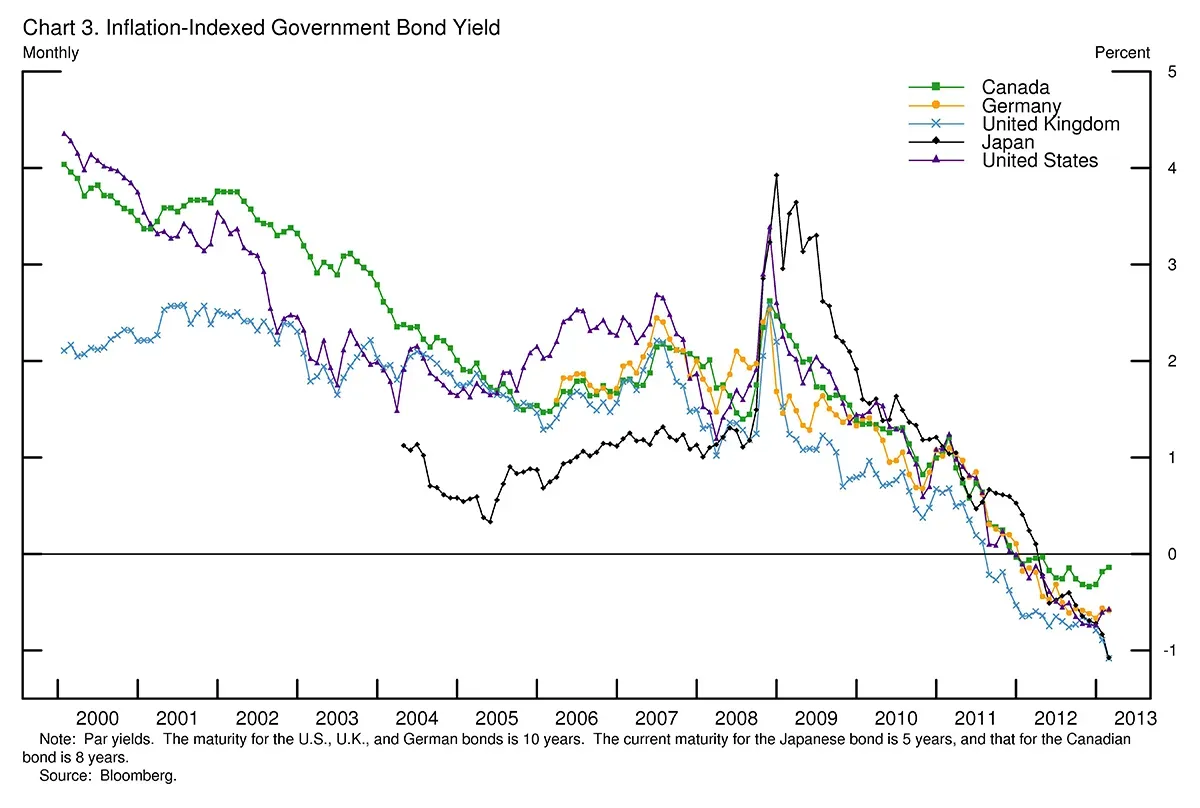
Series I savings bonds purchased through October 2025 will earn 3.98%, including an inflation component of 2.88% annualized and a fixed rate of 1.10%. That’s barely keeping pace with inflation, let alone providing real growth. Traditional Treasury bonds aren’t doing much better when you subtract inflation and taxes.
Since August, 10-year Treasury yields have generally stayed in a 4.00 to 4.25% range, according to U.S. Bank analysis. Subtract the 2.8% inflation rate and you’re looking at real yields around 1.2% to 1.4% before taxes. For investors in higher tax brackets, the real after-tax return approaches zero or even dips negative.
The income that bonds used to provide isn’t compensating investors for the interest rate risk they’re bearing in an uncertain inflation environment.
Professional Forecasters Are Lowering Return Expectations

The 10-year Treasury yield will remain roughly between 3.5% and 5.0% in 2025, according to Morningstar’s chief multi-asset strategist. That’s a wide range reflecting genuine uncertainty about inflation trajectories and Federal Reserve policy responses. The USD stock-bond frontier flattens modestly, reflecting a gradually maturing cycle, but returns for a 60/40 stock-bond portfolio hold steady in J.P. Morgan Asset Management’s projections.
Translation: don’t expect the blockbuster returns of the past decade. The easy money has been made. Future returns will likely be more muted, with higher volatility along the way. Investors who built their retirement plans around historical 60/40 returns may need to recalibrate their expectations or increase their savings rate.
What do you think about your allocation now? Does the traditional 60/40 still make sense for your situation?