The Worst State Signature Dishes in 6 U.S. States, According to Critics
Every state in America wears its food identity like a badge of honor. From roadside diners to Michelin-starred spots, local dishes become cultural shorthand for an entire place. But here’s the thing – not every iconic dish actually deserves its legendary status.
In fact, some of the most celebrated regional foods in the U.S. have attracted serious pushback from critics, food writers, and even the locals who are supposedly supposed to love them. The gap between reputation and reality can be shocking. Buckle up, because some of these might surprise you – let’s dive in.
Illinois: Chicago Deep-Dish Pizza, The “Casserole” That Conquered Tourism
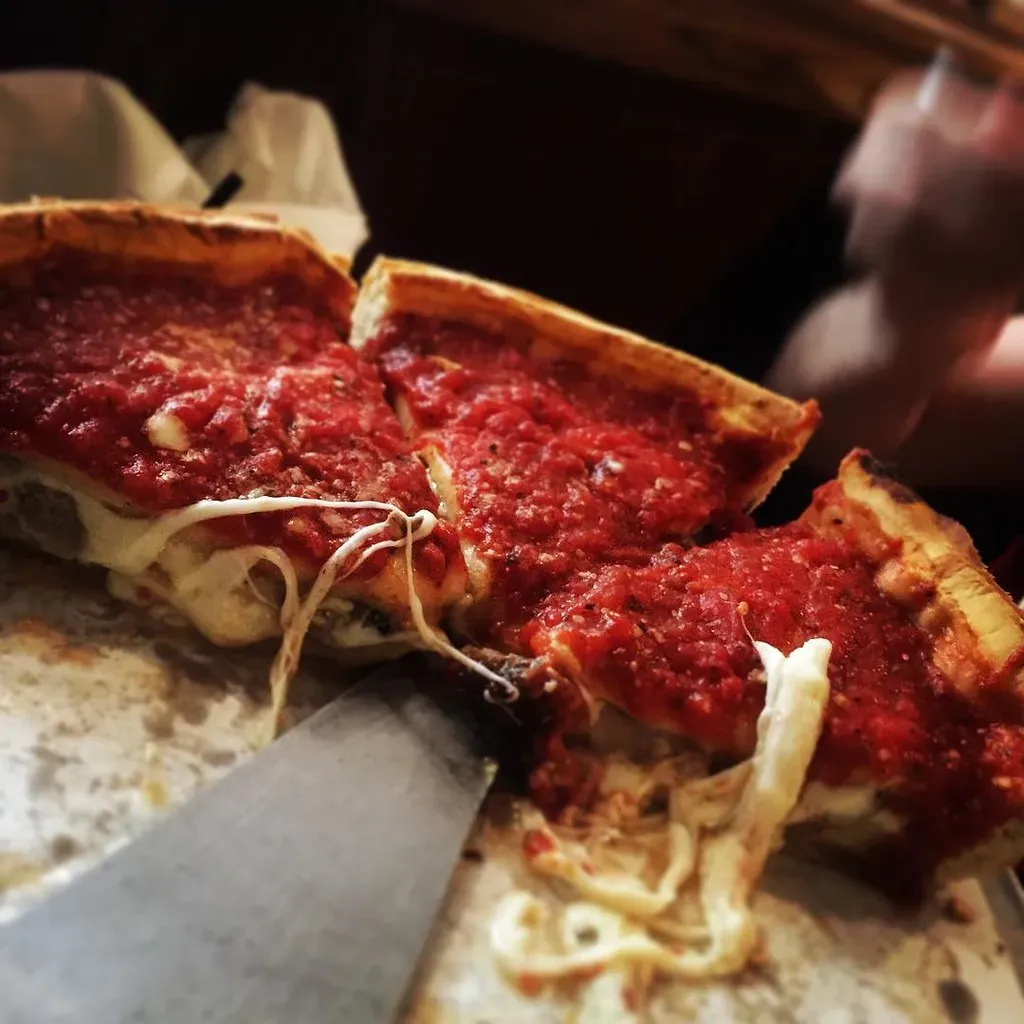
Chicago deep-dish pizza is arguably the most internationally recognized regional dish in the entire country. Tourists line up for it, travel guides rave about it, and it has practically become a symbol of Illinois itself. So it feels almost scandalous to say what many critics have been saying out loud for years.
Chicago-style deep-dish pizza might be world-famous, but many Illinois residents outside the Windy City consider it overrated tourist fare. Locals in Springfield, for example, have confessed they prefer thin-crust pizza cut into squares. The iconic deep dish, with its towering walls of dough filled with chunky tomato sauce, excessive cheese, and toppings, is viewed by many downstate Illinois residents as unnecessarily heavy and impossible to eat without utensils.
Most locals find themselves against it, with Chicagoans actually preferring “tavern style,” a thin-crust pie cut into small squares, perfect for sharing at a bar. Quite a few Chicagoans have taken to the internet to decry deep-dish pizza as “tourist food.” Honestly, that tells you everything. When the people from the city it supposedly represents prefer something else entirely, the dish’s reputation starts to feel less like culinary pride and more like clever marketing.
Ohio: Cincinnati Chili, A Dish That Divides the Nation
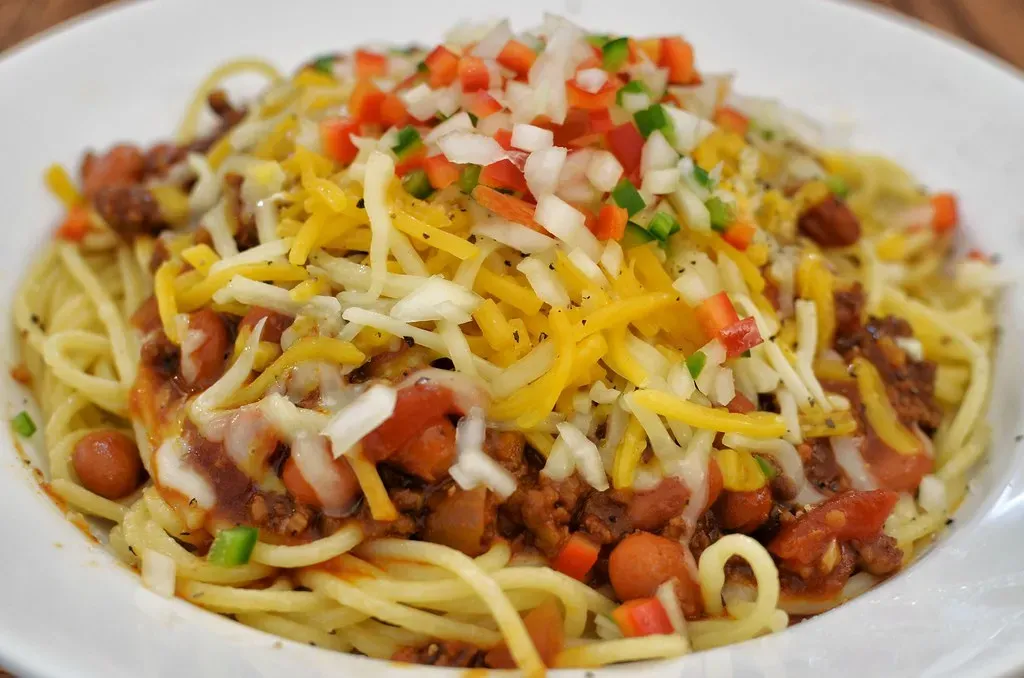
Cincinnati chili holds an almost sacred status in Ohio. There are over 200 chili parlors operating in the greater Cincinnati region, a statistic that speaks to just how embedded this dish is in local culture. Cincinnati chili originated from the culinary exploits of immigrants from Greece, including brothers Tom and John Kiradjieff, who opened “Empress Chili Parlor” in downtown Cincinnati in 1922 and served a dish combining Mediterranean spices like cloves and cinnamon with chili powder.
Skyline Chili serves Cincinnati chili, which is Greek-inspired and usually served over hot dogs or spaghetti, then covered in cheese. Its flavor is described as sweet and savory, with more emphasis on spices like cinnamon and clove than your traditional American chili seasonings. Critics and first-time visitors frequently find this combination bewildering at best.
One reviewer described the chili as incredibly bland with no discernible seasoning, no sign of the signature cloves or cinnamon, and noted it was very thin and watery, more like a liquid than a chunky stew. Critics argue that chili should not be described as “an acquired taste” – it’s either good or bad. I think that framing is worth sitting with for a moment. When a dish needs defending with the phrase “you’ll get used to it,” something might be off.
Wisconsin: The Cannibal Sandwich, Raw and Controversial
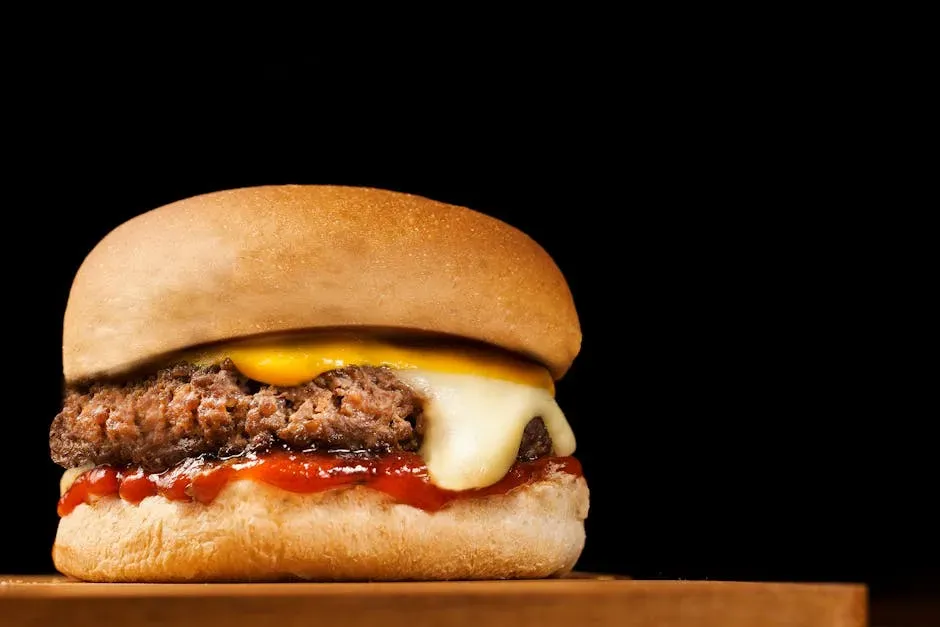
Wisconsin is proud of its dairy heritage and its bratwurst traditions. Far fewer people talk about one of its most infamous regional offerings – a dish so unusual that outsiders genuinely struggle to believe it exists. In the Milwaukee area, there is a dish called the “Cannibal Sandwich,” which consists of raw hamburger meat mixed with raw onion on a bun. Multiple sources and Milwaukee natives have confirmed this is entirely real.
Let’s be real here. Raw ground beef on bread is not just polarizing – it is a genuine public health concern. The U.S. Centers for Disease Control and Prevention have repeatedly warned about the risks of consuming raw ground beef, including exposure to E. coli and Salmonella. In some areas of Wisconsin, the dish is called “Wildcat,” though even lifelong state residents report rarely ever encountering it.
Critics have consistently placed this dish among the most baffling American food traditions. It surfaces on worst-of lists regularly, and it’s hard to argue against its inclusion. Even locals seem divided on whether to embrace it or distance themselves from it entirely. Some food traditions age well. This one has critics wondering why it exists at all.
Alabama: White BBQ Sauce, the Condiment That Confuses
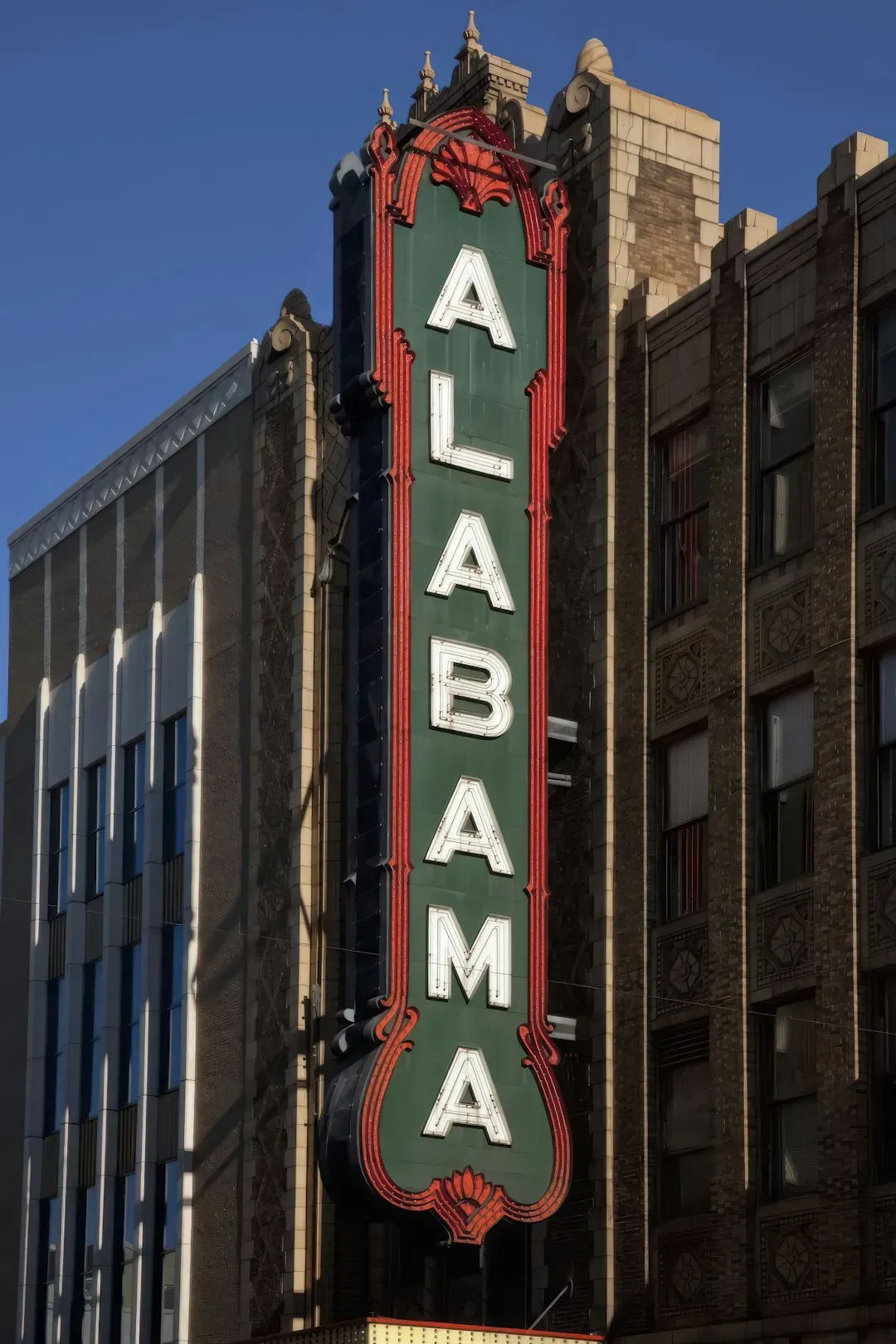
Alabama takes its barbecue seriously, and that’s not the problem. The state has a genuinely proud grilling heritage, with pit masters crafting slow-smoked meats that rival anything in the country. The issue, according to a growing chorus of food critics and visitors, is the state’s beloved white barbecue sauce that shows up on practically everything.
Visitors to Alabama have described the state’s white barbecue sauce as “weirdly vinegary,” noting that it “overwhelms anything” it’s applied to. White barbecue sauce is typically made with mayonnaise, hot sauce, Worcestershire sauce, apple cider vinegar, and spices. That combination sounds interesting on paper, but in practice, the vinegar-forward profile is aggressively divisive.
Food writers from outside the South frequently call it a jarring departure from what barbecue should taste like. From the mouths of locals, the mighty have fallen: some of the most imposing culinary reputations in America simply do not stand up to outside scrutiny. Alabama’s white sauce is a perfect case study in that dynamic – adored at home, frequently criticized everywhere else.
Minnesota: Hot Dish, The Potluck Legend Nobody Asked For
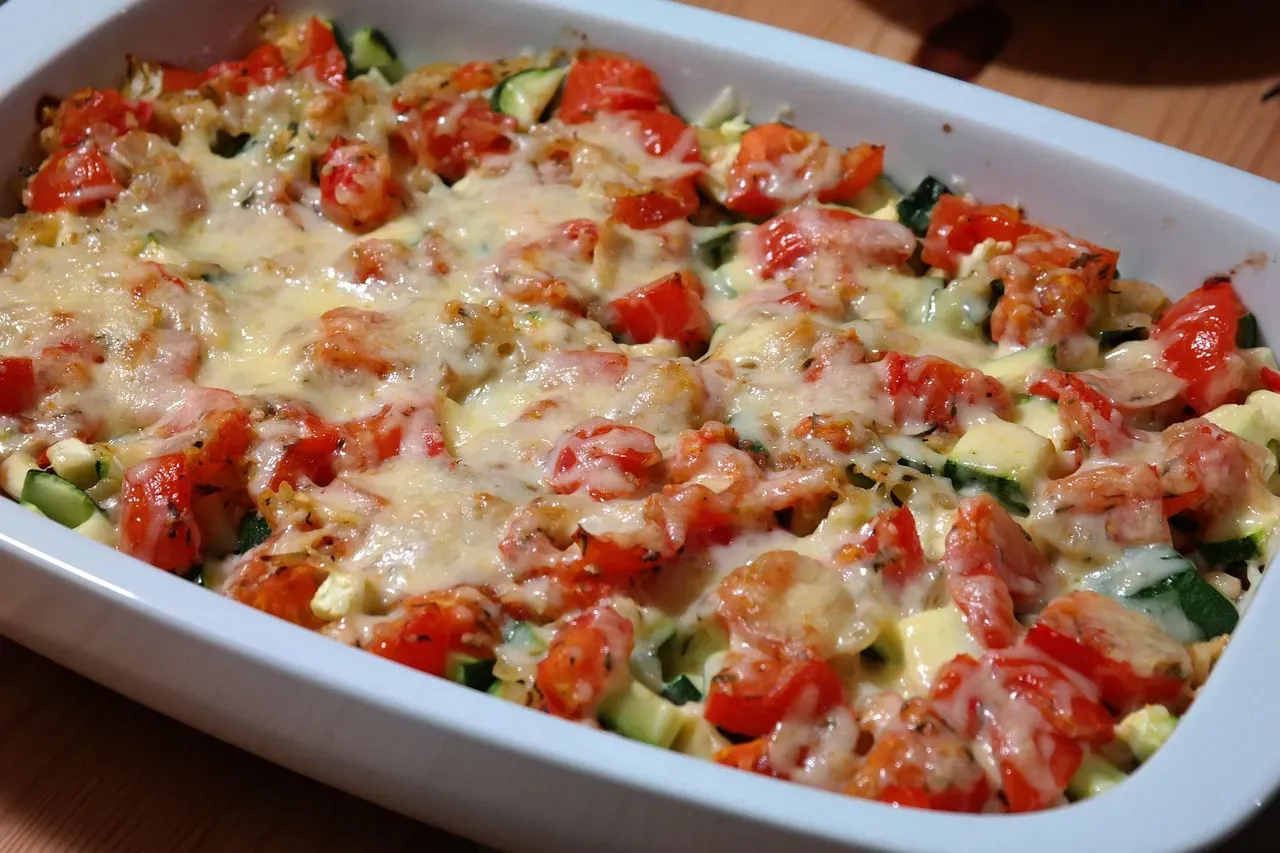
Minnesota’s signature dish is a genuinely fascinating cultural artifact. “Hot dish” is less a recipe and more a concept – a flexible, catch-all casserole that has fed church congregations, school potlucks, and family gatherings across the state for generations. Critics and food writers have repeatedly flagged it as one of the more bewildering state signature dishes in the country.
Minnesota’s hot dish was originally made from whatever was available during lean times, cooked in Lutheran Church basements to feed congregations with a high-fat, stick-to-your-ribs dish. It has no official recipe or rules beyond economic and gustatory desperation. One version is made with hamburger meat, mashed potatoes, string beans, and cream of mushroom soup. Another uses canned tuna, Kraft macaroni and cheese, canned peas or corn, topped with crushed potato chips or even corn flakes.
Minnesota residents themselves have rated their own hotdish as overrated. That’s a telling detail. When your own state isn’t fully on board with the dish that supposedly defines it, the claim to signature status gets very shaky, very fast. The cream of mushroom soup binder became known as “Lutheran Binder,” and today chefs in Minneapolis are attempting to rescue hot dish from mundanity and reposition it as a gourmet experience. Good luck with that.
Pennsylvania: Altoona Pizza, The Cheese Abomination
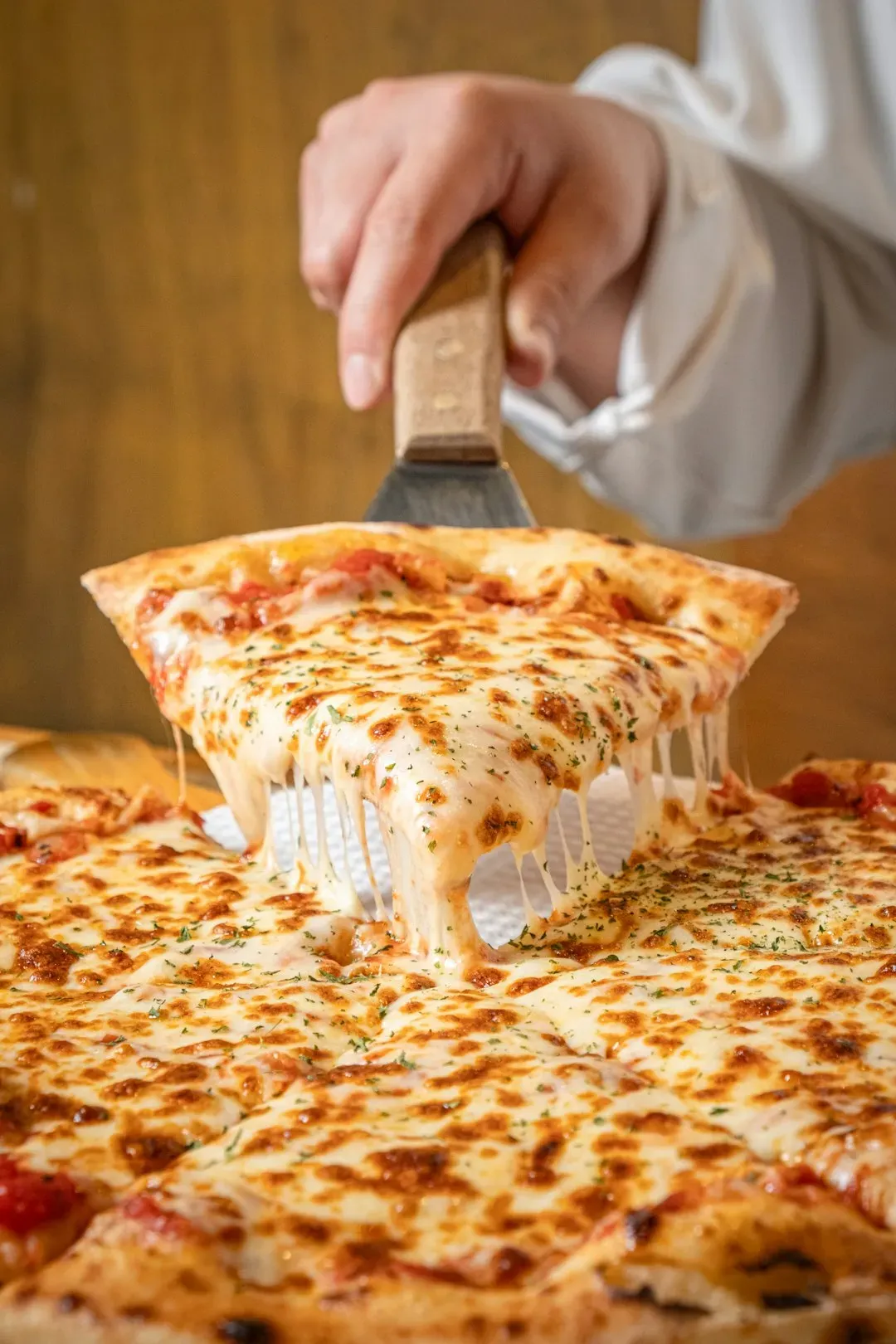
Pennsylvania already has a global food icon in the Philadelphia cheesesteak. Even that beloved sandwich has been rated overrated by residents in surveys of the most inflated food reputations on the East Coast. Still, the most criticized dish from Pennsylvania might actually be something far less internationally known: Altoona pizza.
This mid-century Altoona classic is topped with marinara, green bell peppers, salami, and American cheese. The American cheese component is the sticking point for virtually every outside observer. Critics have described Altoona pizza as “supposedly famous and good” but ultimately “an abomination,” noting that it starts with a nice Sicilian-style crust, only to have American cheese placed on top of a “perfectly good pizza.”
It’s hard to say for sure whether Altoona pizza will ever shed its divisive reputation, but food culture forums and review platforms continue to flag it as one of the more confusing regional dishes in the entire Northeast. The dish has a loyal local following, no question. Outside Altoona, though, the response is mostly bewilderment. Sometimes the most enduring local food traditions are also the hardest ones to export.
Food is deeply personal, deeply regional, and deeply tied to identity – which is exactly why these debates get so heated. The dishes on this list are not necessarily bad in an absolute sense. Many of them carry real historical meaning and genuine local love. The disconnect between hometown pride and outside perception is just very, very real. What state signature dish would you passionately defend, or gladly skip? Tell us in the comments.