Food Pros Say You Should Quit Putting Mayo on Tuna Sandwiches – Here’s Why
You’ve been making tuna salad the same way for years. Open the can, drain it, and scoop in a generous dollop of mayonnaise. That creamy, familiar combo has been the standard approach for decades. It’s quick, it tastes rich, and it just seems like the natural thing to do.
Honestly, it might be time to rethink that habit. Nutritionists and food experts have been calling attention to the fact that while mayo makes tuna sandwiches creamy, it’s also sneaking in a lot of calories, fat, and surprisingly little nutrition. There are smarter swaps out there that can give you the same texture while actually boosting the health profile of your lunch. Let’s dive in.
Mayonnaise Packs More Calories Than You Realize
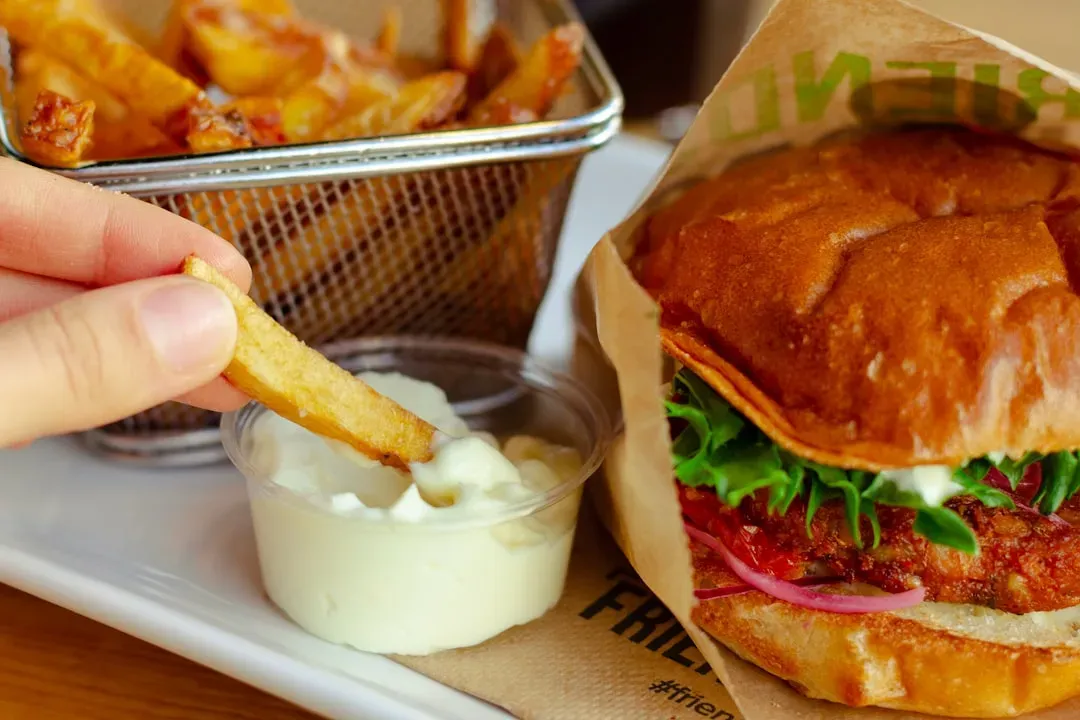
One cup of mayonnaise contains 1440 calories, 160 grams of fat and 24 grams of saturated fat, according to nutrition experts. Sure, you’re probably not dumping an entire cup into your tuna, but it adds up fast. Just one tablespoon of mayonnaise has around 90 calories and about 10 grams of fat, which means if you’re using three or four tablespoons in your batch, you’re adding several hundred calories without even realizing it. A lot of people who are on a weight loss diet will turn to tuna because of its high level of protein – 3 oz of albacore tuna has 20g of protein but only about 100 calories. However, if you’re eating tuna as a traditional tuna salad with mayonnaise, you may be consuming unnecessary calories and fat. 1 cup of mayo has more than 1400 calories and 24g of fat. That kind of negates the whole “healthy lunch” vibe you were going for, doesn’t it?
The Saturated Fat Issue Nutritionists Worry About
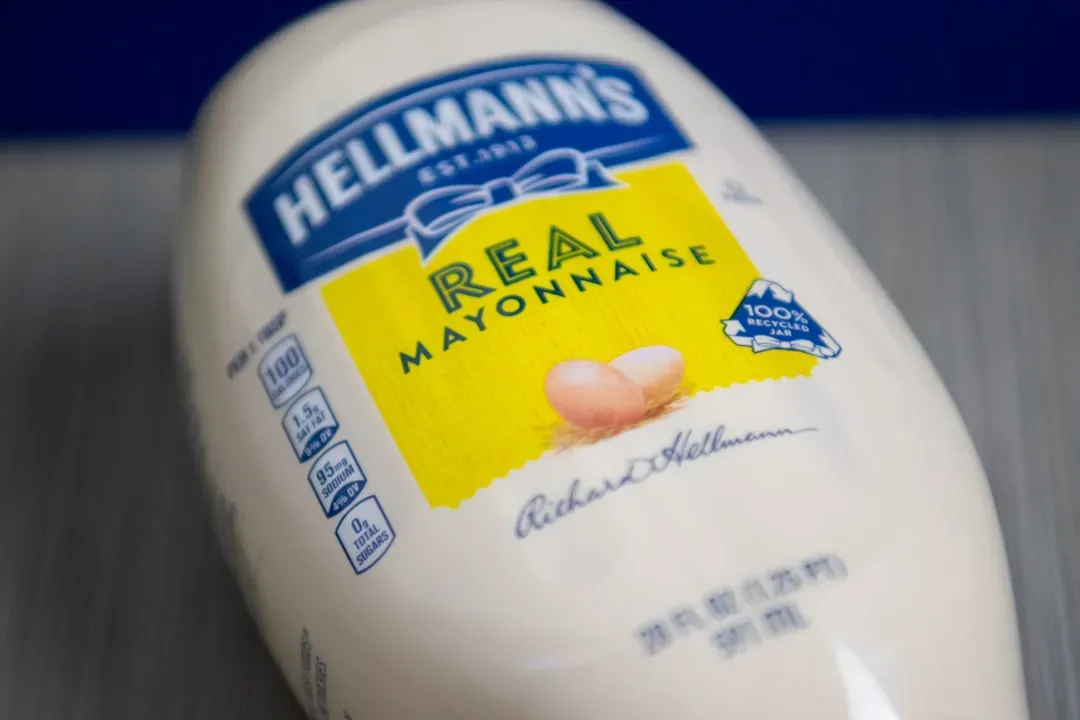
The health benefits can be negated if you load up with mayonnaise, for example, because that condiment is high in saturated fat. You’ll find about 1.6 grams (g) of this unhealthy fat per tablespoon according to the USDA. Now, 1.6 grams might not sound like much, but remember that most of us aren’t carefully measuring out mayo. We eyeball it, and what looks like a tablespoon is often closer to three or four.
The thing about saturated fat is that it can impact your cholesterol levels in ways you probably want to avoid. When you pile mayo onto tuna regularly, those small amounts of saturated fat start to add up over weeks and months. Let’s be real: if you’re trying to make healthier food choices, this isn’t the direction you want to go.
Greek Yogurt Gives You More Protein and Less Fat
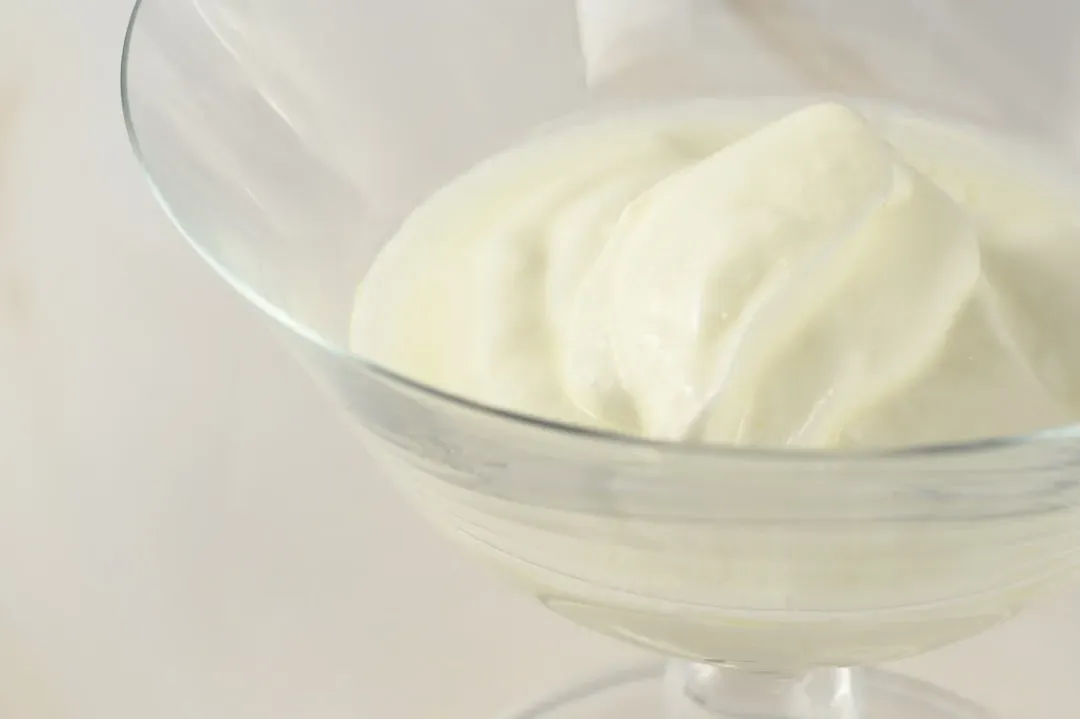
Here’s where things get interesting. In place of mayonnaise, Greek yogurt can lower the calories and fat while upping the protein, according to data from the USDA. Greek yogurt is also a great source of protein and probiotics, which means you’re not just cutting out bad stuff – you’re actually adding good stuff to your meal.
Mayo is more than ten times higher in fat and calories than plain yogurt. Adding loads of mayo to tuna salad can quickly add up to a daunting amount of fat, salt and calories whereas you can add as much yogurt as you want – make your tuna salad as creamy as you want – without worrying about maxing out on your RDA of fat or sodium. Think about it: you get the same creamy texture, a tangy flavor that actually complements the tuna really well, and a boost in protein instead of empty calories. With 16 grams of protein in a 3/4-cup serving, Greek yogurt contains twice as much protein as regular yogurt. Greek yogurt is also a great source of micronutrients like calcium, potassium, vitamin A, and vitamin B12. What’s more – Greek yogurt contains probiotic bacteria known to support both your gut and overall health. Sounds like a win to me.
Avocado Adds Heart-Healthy Fats and Fiber
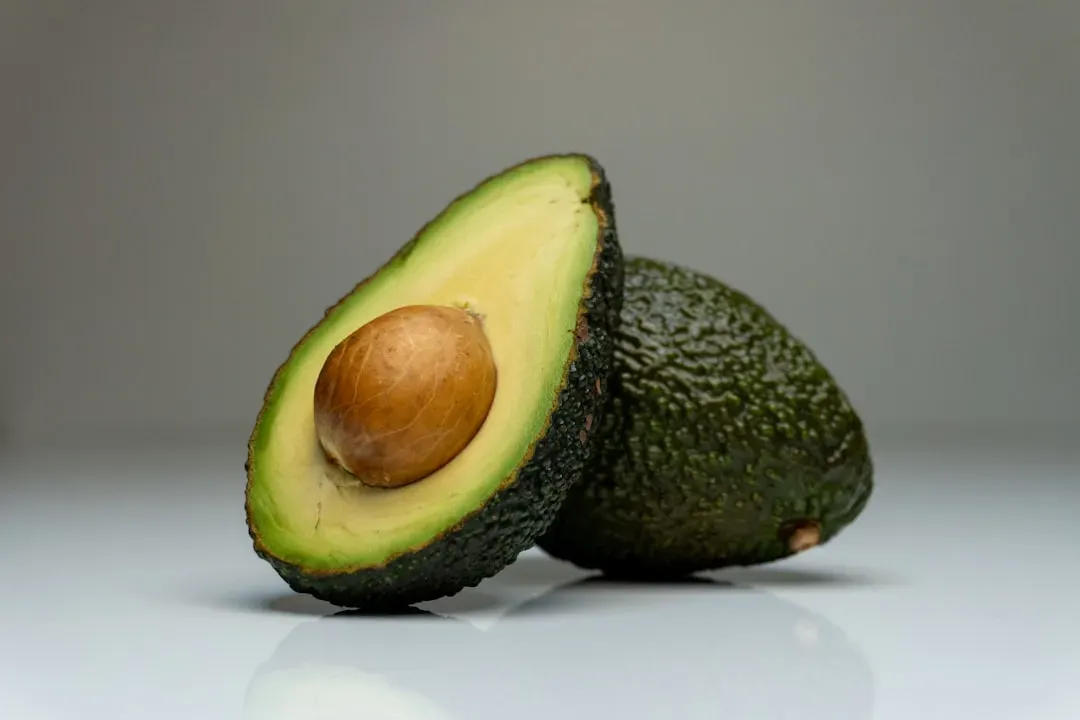
You can swap Greek yogurt or avocado for the mayonnaise, and avocado might be one of the best decisions you make for your tuna sandwich. Avocados are rich in heart-healthy monounsaturated fatty acids, which are known to help lower cholesterol. Many of us don’t think of avocados as a source of fibre, but they’re an excellent one! Did you know that 1 cup of avocado provides about 40% of your daily fibre needs?
Greek yogurt adds extra protein and avocado adds healthy fats and fibre to a traditional tuna salad. Instead of loading up on saturated fat from mayo, you’re getting fats that actually benefit your cardiovascular system. The texture is rich and creamy, so you’re not sacrificing anything in terms of mouthfeel. You’re just making a smarter swap that your body will thank you for later.
Olive Oil and Lemon Keep It Light and Fresh
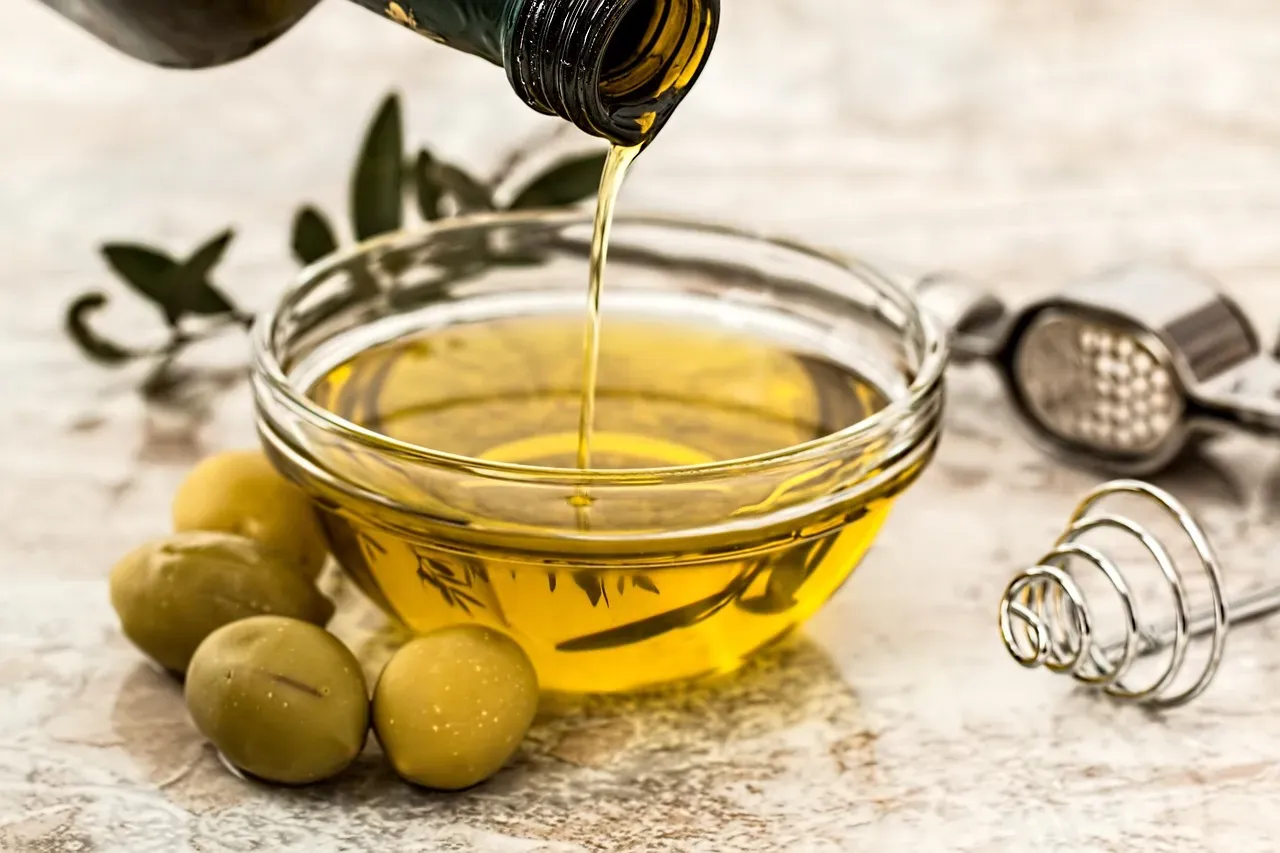
If you’re really ready to shake things up, ditch creamy altogether and go Mediterranean. You can go with low-calorie rice vinegar or use a simple olive oil and lemon juice combo that completely transforms your tuna salad. You can totally make an olive oil-based vinaigrette for tuna, chicken, pasta, or potato salads. (Cooks in places like Italy and France do it all the time!)
Olive oil may provide healthier fat than what’s present in mayonnaise. Drizzling extra virgin olive oil into your tuna salad can imbue a level of flavor that’s just not possible with store-bought mayonnaise. Additionally, you don’t need much olive oil to make a big impact. Just 1 tablespoon per can of tuna will get you where you want to be. Add some fresh lemon juice, a bit of Dijon mustard, maybe some capers or fresh herbs, and you’ve got a completely different tuna experience. It’s lighter, brighter, and feels way less heavy in your stomach. Plus, you’re not drowning out the actual flavor of the tuna under a blanket of mayo.
What do you think? Are you ready to ditch the mayo jar and try something new? Maybe give Greek yogurt or mashed avocado a shot next time you’re making tuna salad. Your taste buds might be surprised, and your body will definitely notice the difference.