The Subtle Habits That Separate Financially Secure People From Everyone Else
There’s something quietly remarkable about people who always seem to have their finances together. They don’t necessarily earn more than you. They don’t drive the flashiest cars. Honestly, some of them look completely ordinary on the surface. Yet somehow, they sleep better at night, handle unexpected costs without panic, and steadily build something that lasts.
Fewer than half of Americans consider themselves financially secure, and that number tells a story most of us feel but rarely say out loud. The gap between financial security and financial anxiety isn’t always about income. More often, it comes down to a handful of quiet, consistent habits that separate two very different kinds of people. Let’s dig into exactly what those habits look like.
They Build an Emergency Fund Before Almost Anything Else

The financially secure treat their emergency fund less like a savings goal and more like a non-negotiable piece of infrastructure. Think of it the way you’d think about a spare tire. You hope you never need it. You make absolutely sure you have one.
In 2024, only about half of adults said they had set aside money for three months of expenses in an emergency savings or “rainy day” fund, down from a high of roughly three in five in 2021. That still leaves a huge portion of the population exposed. Roughly three in ten adults indicated they could not cover three months of expenses by any means.
Vanguard found that just $2,000 in liquid cash can boost a person’s financial well-being score by 21%. That’s a striking finding. You don’t need to be rich to feel more financially stable. You just need a buffer, and you need to treat building that buffer as the very first priority before lifestyle upgrades, before subscriptions, before anything discretionary.
When consumers have less than they think they need for emergencies and they do not have a habit of saving, their financial well-being is particularly low. Consumers who experience a financial shock and do not have a saving habit are even more likely to have difficulty paying bills and other expenses. The data from the Consumer Financial Protection Bureau makes it plain: the habit of saving and the emergency cushion work together. One without the other leaves people vulnerable.
They Live Below Their Means, Even When They Could Do Otherwise

Here’s the thing most people get wrong about the financially secure: they assume wealthy people or stable people simply earn a lot. That’s only part of the story. The more powerful variable is what people do with what they earn, not the number itself.
Overall, roughly three in five consumers were living paycheck to paycheck as of January 2024, and more than one-third of those annually earning more than $200,000 reported living the same way. Let that sink in. Earning a high income is not protection against financial instability if spending matches or exceeds it.
Most people increase their spending whenever their income rises. They get a promotion and immediately upgrade their house, car, or wardrobe. Financially independent individuals, by contrast, maintain their current standard of living and direct additional income toward savings and investments. It’s a discipline that looks boring from the outside. On the inside, it’s one of the most powerful wealth-building moves a person can make.
A 2025 analysis emphasized that even modest annual increases in discretionary spending, say five percent per year, can deplete savings over decades, particularly when paired with high-interest debt. The slow creep of lifestyle inflation is genuinely dangerous. It happens gradually, quietly, and most people don’t notice it until they’re stretched thin on a salary that looked more than adequate a few years ago.
They Treat Budgeting as a Non-Negotiable Tool, Not a Punishment

A lot of people hear the word “budget” and immediately feel restricted, like someone is taking something away from them. Financially secure people have a completely different relationship with the concept. For them, a budget is just information. It’s knowing where the money goes so you can choose where it goes.
Budgeting is a fundamental habit of the wealthy. Wealthy individuals create detailed budgets for their income, expenses, savings, and investments. By clearly understanding their cash flow, they can make informed decisions about their spending and ensure they allocate their resources effectively.
In response to inflation concerns, most adults are adjusting their financial habits in 2025: roughly a third are reducing discretionary spending, while more than a quarter are modifying their budgets or financial strategies. Adaptation is the key word. Financially secure people don’t create a budget once and forget about it. They treat it as a living document that reflects real life. Income changes, costs change, goals change. The budget should reflect all of that.
Most Americans also acknowledge they have bad financial habits, and most of those habits include excessive spending and lack of savings, with about three in ten spending too much on things they don’t need. I think most of us would privately admit the same. The difference isn’t that financially secure people are somehow immune to temptation. They just have systems, written down and reviewed regularly, that make those temptations harder to act on impulsively.
They Automate Their Savings and Investments
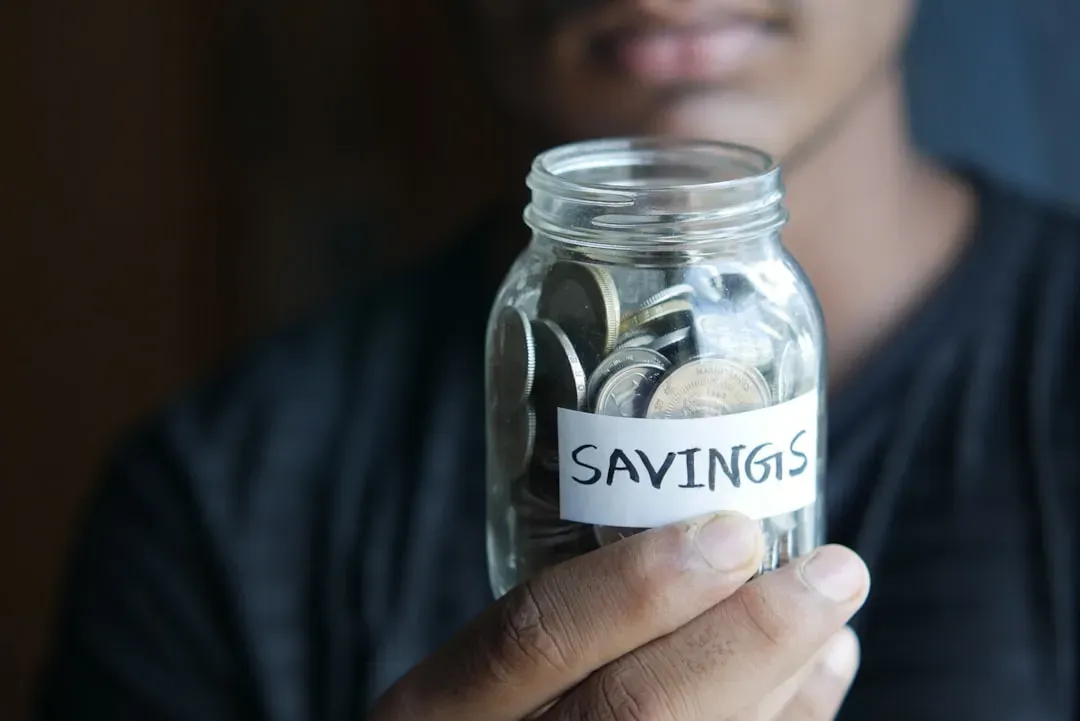
Willpower is a limited resource. Anyone who has tried to manually transfer money into savings every month knows exactly how that story ends. Life gets complicated. Something comes up. The transfer doesn’t happen. This is why financially secure people remove willpower from the equation entirely.
The wealthy often follow the “pay yourself first” principle, which involves automating their savings and treating savings contributions as non-negotiable expenses. Think of it like a utility bill. You don’t decide month to month whether to pay your electricity. The money just goes. Savings and investments should work the same way.
Dollar-cost averaging involves investing a fixed amount at regular intervals, regardless of market conditions. This approach helps spread out investment purchases over time, reducing the need to focus on market timing. Setting up automatic contributions to retirement or brokerage accounts naturally supports this strategy. For most people who aren’t professional investors, this is genuinely the smartest move available. It takes emotion out of the decision and replaces it with consistency.
Over half of adults who work with a financial professional reported feeling more financially secure than they did at the end of 2023, compared to just over a quarter of adults who do not work with a financial professional. Whether that’s a human advisor or an automated investment platform, the act of having a structured system clearly makes a measurable difference in how secure people feel and how consistent their habits become.
They Actively Manage and Minimize High-Interest Debt

Debt is not inherently bad. A mortgage can be a smart long-term move. A business loan can generate returns many times its cost. The financially secure understand that distinction clearly. What they avoid with almost religious discipline is high-interest consumer debt, the kind that quietly costs you a fortune while making purchases feel painless in the moment.
According to the Federal Reserve Bank of New York, U.S. credit card balances are near record highs. The Consumer Financial Protection Bureau found that credit card annual percentage rates are still over 23%. That’s pushing more borrowers toward strategies like debt snowballing and consolidation to cut interest faster.
Credit card debt is creating a serious crunch, with more than four in ten Americans saying it is the biggest debt obstacle to building wealth, up from roughly four in ten in 2023, and nearly half carrying month-to-month debt. That’s a deeply expensive habit. At interest rates above 23 percent, carrying a balance means paying significantly more than the original purchase price for almost everything.
Eliminating high-interest debt frees up money for wealth-building activities while removing the psychological burden of owing money. That second part matters more than people realize. Financial anxiety is a real and measurable drag on decision-making, sleep quality, and general wellbeing. Paying off high-interest debt isn’t just a numbers exercise. It clears mental space in a way that has genuine downstream effects on how you make every other financial decision.
They Invest Consistently and Diversify Their Income Streams

Financially secure people don’t wait until they feel “ready” to invest. There is no magical comfortable moment. They start, they automate, they stay consistent. That approach might sound almost boringly simple, but it’s what actually builds lasting wealth over time rather than wishful thinking about a future windfall.
The Federal Reserve reported that roughly two-thirds of adults had retirement assets, including about three in five with tax-preferred accounts such as 401(k)s, IRAs, or Roth IRAs, and about three in ten with a defined benefit pension. Those with retirement assets overwhelmingly report better financial well-being than those without. The earlier those accounts are opened and funded, the more time compounding has to do its work.
Wealthy people rarely rely on a single source of income. They systematically develop multiple income streams through various means, including rental properties, dividend-paying investments, side businesses, royalties, or consulting work. This diversification provides both financial security and accelerated wealth-building potential. It’s worth noting that most of these income streams weren’t built overnight. They started small, often alongside a regular job, and grew steadily.
Wealthy individuals depend primarily on employment and investments as key sources of income. Diversification appears to be on the rise as a safeguard against economic uncertainty. Beyond salaries and portfolios, nearly half report business ownership and nearly a quarter cite inheritance as income sources, while equity-based compensation is also gaining traction. The broader the base, the less any single event can destabilize the whole picture.
They Invest in Financial Knowledge Continuously

It’s hard to say for sure which comes first, financial knowledge or financial confidence. But the data makes a convincing case that they travel together, and that people who keep learning about money manage it measurably better than those who don’t.
Research found that individuals who had strong financial knowledge also had good saving habits and a more positive attitude toward investing. Financial literacy isn’t just about knowing what a Roth IRA is or understanding compound interest in theory. It shows up in daily behavior, in how people respond to a financial shock, in whether they panic or problem-solve.
While most Americans say they are confident in their ability to create a monthly budget or create a plan to pay off debt, only about one in four express confidence in their ability to create an investment plan to build wealth. That gap is telling. Budgeting and debt management feel familiar. Investing feels foreign and risky to many people. The financially secure close that gap through ongoing education, whether that’s reading, working with an advisor, or simply making the effort to understand what they own and why.
Among Americans who are knowledgeable about personal finances, nearly half say they learned a great deal or a fair amount from family and friends, the highest share for any source. This points to something underrated: the financial habits and conversations you were exposed to growing up have an outsized influence. Financially secure people tend to be intentional about replacing bad inherited patterns and learning new ones throughout their lives. That process never really ends, and the ones who embrace it keep improving year after year.