The New Suburban Problem: McMansions Quietly Turning Into Ghost Neighborhoods
There is something quietly unsettling happening on the outer edges of American cities. Streets of enormous homes, once prized as symbols of success, are sitting emptier by the year. Manicured lawns are going brown, cul-de-sacs grow silent, and “For Sale” signs linger longer than anyone expected.
The McMansion, that bold statement of the American Dream, is starting to look less like a dream and more like a problem nobody planned for. What went wrong? Let’s dive in.
The Rise and Fall of the Suburban Status Symbol
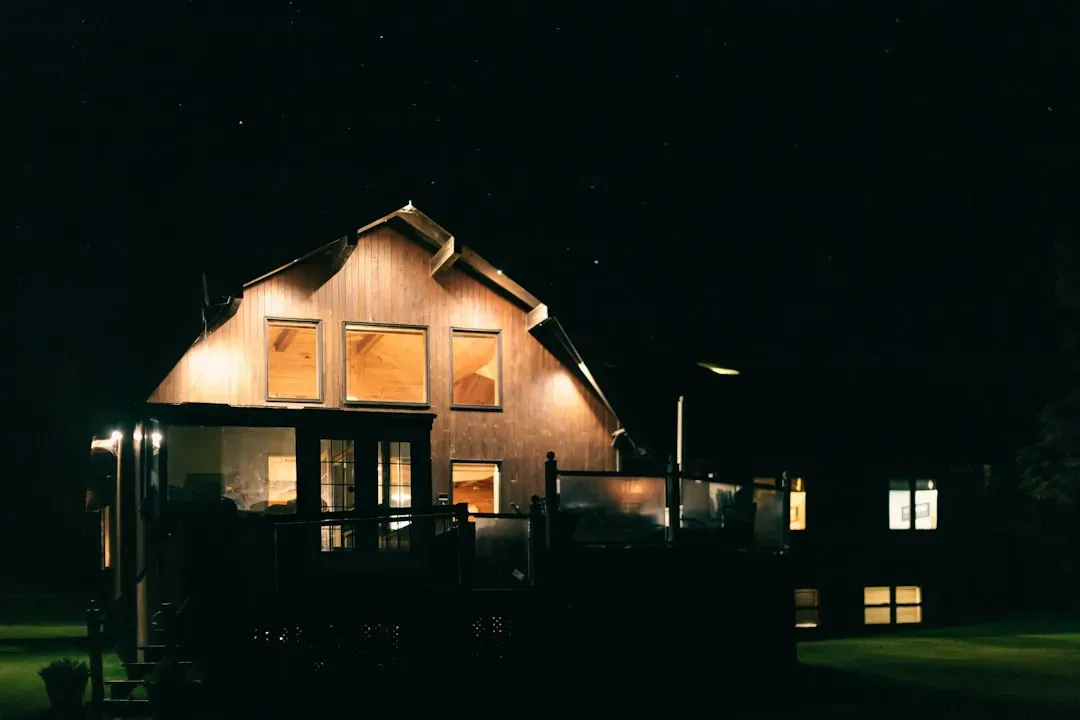
Beginning in California in the 1980s, the larger home concept was intended to fill a gap between more modest suburban tract housing and the upscale, often custom houses found in gated, waterfront, or golf course communities. The idea spread fast. Really fast. Developers smelled money and built en masse.
Two decades ago, when the housing market was flush with easy credit and optimism, developers churned out massive homes, often exceeding 5,000 square feet, with grand entrances, multiple unused rooms, and finishes like granite countertops and mahogany cabinetry. Buyers lined up with enthusiasm, convinced they were investing in the future.
These homes continued to be all the rage up until the 2007 housing crisis and eventually even earned themselves the title of McMansions. The name itself, a mashup of McDonald’s and mansion, said everything. Mass-produced. Generic. Sized for spectacle, not substance.
What Exactly Is a McMansion, and Why Does It Matter?
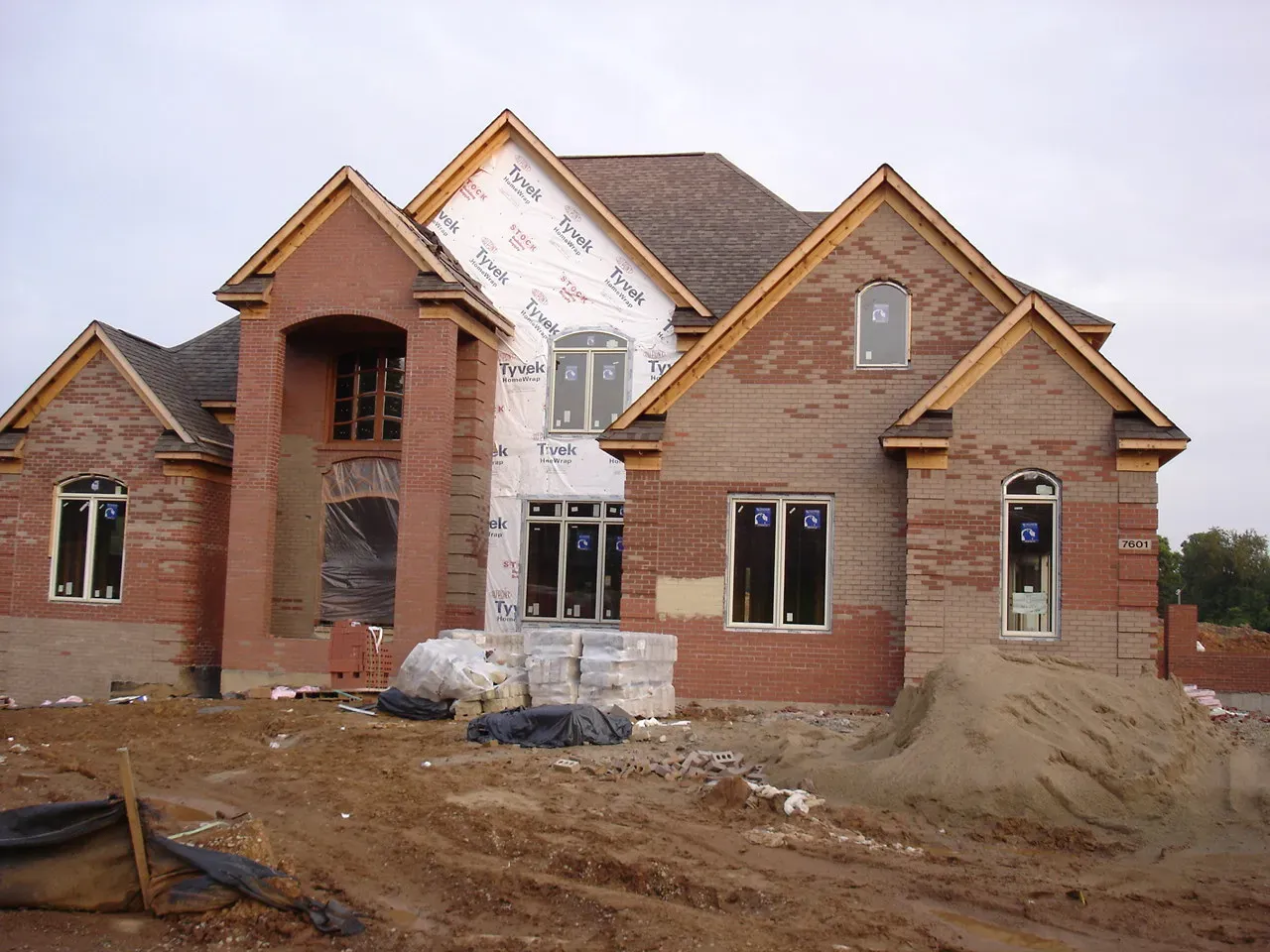
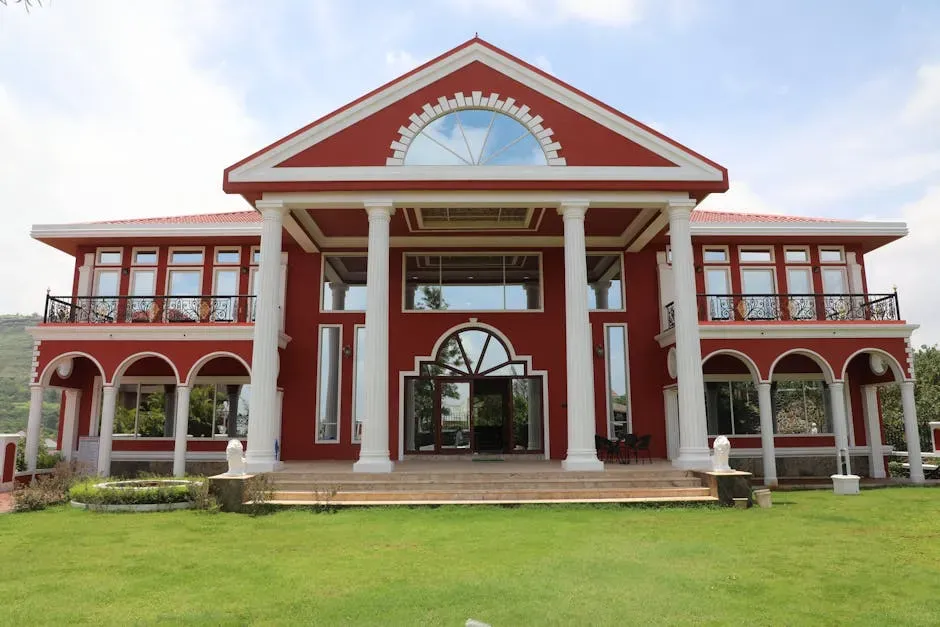
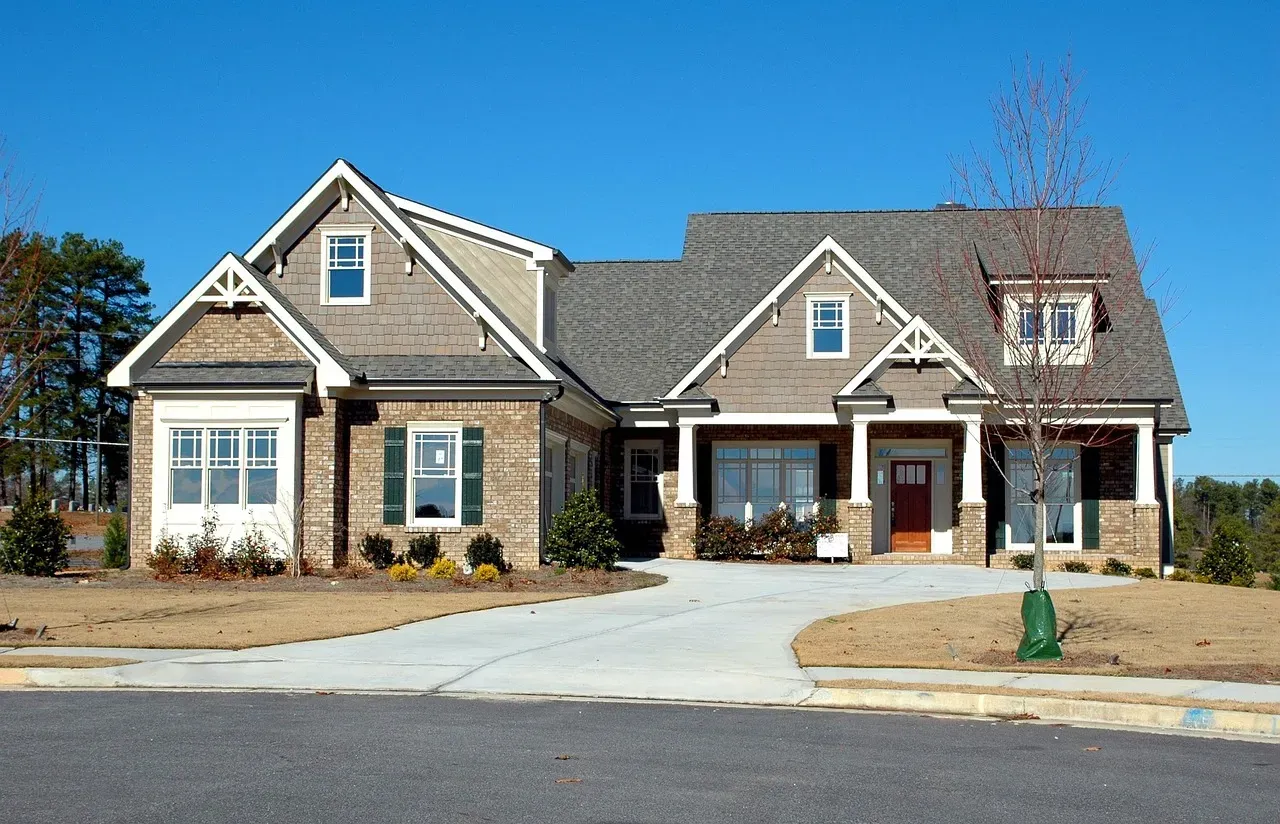
Let’s be real: these aren’t just big houses. They are a very specific category. A McMansion is a pejorative term for a category of large, speculatively built suburban single-family homes, typically exceeding 3,000 square feet in size, constructed en masse by developers using standardized designs and cost-saving materials such as stucco exteriors, vinyl siding, and manufactured stone veneer.
These residences often feature disproportionate massing, such as oversized garages and entryways dominating the facade, and a mishmash of architectural motifs drawn from multiple historical styles without cohesive integration, resulting in what critics describe as visual clutter and lack of proportionality to their typically narrow lots.
Due to this demographic, which is more susceptible to boom and bust economic cycles, prices of McMansions tend to be much more volatile and are often fueled by speculation. That volatility, it turns out, was always the hidden danger lurking beneath those granite countertops.
The Financial Trap Nobody Talked About
Here’s the thing: owning a McMansion was never as simple as the mortgage payment. Owning a McMansion comes with several financial risks that may not be immediately apparent to prospective buyers. The sheer size of these homes results in higher maintenance costs, including utility bills, property taxes, and repair expenses.
The financial burden of maintaining a large home is becoming harder to ignore. Landscaping, HVAC upkeep, and repairs can exceed $10,000 annually. Additionally, pools alone cost over $1,200 per season to maintain. That adds up to a second mortgage in lifestyle costs alone.
Driven by soaring insurance premiums, rising property taxes, and a new definition of value, buyers are rejecting the high-maintenance estates of the mid-2000s. Instead, they are investing in properties that offer purposeful design, climate resilience, and modern lifestyle amenities, signaling a permanent change in the American Dream.
Insurance and Taxes Are Hitting Hard
I honestly did not expect insurance to become one of the biggest threats to this housing segment, but the numbers are jarring. Between 2021 and 2024, the average cost of homeowners insurance went up more than 24%. In some states, like Illinois, it went up by more than 50%.
Rising home prices and local government spending have caused property tax bills to increase by more than 27% since 2019, according to CoreLogic, a property analytics and technology firm. For a sprawling five-bedroom home in the suburbs, these costs stack on top of each other in ways that become genuinely unsustainable.
Twenty years after the 2006 housing boom, new data from Zillow reveals a fundamental reversal in the American Dream: Buyers are ditching “wasted scale” and mahogany-heavy footprints for high-efficiency “sanctuaries.” As insurance premiums and property taxes soar, real estate experts warn that the oversized, unoptimized estates of the mid-aughts are becoming a financial exposure for homeowners who fail to adapt.
Buyers Are Simply Walking Away From Big
The generational shift in buyer preferences is not subtle at this point. It is a full reversal. The U.S. Census Bureau reported in March 2025 that 54% of new single-family homes built in 2024 were under 2,200 square feet. That is a seismic shift in what America is building and buying.
New constructions are smaller overall, with median square footage dropping from 2,500 in 2015 to around 2,210 today, as builders respond to affordability pressures and changing tastes. Think of it like the SUV-to-sedan pivot of housing, except with far larger financial consequences.
The shift away from McMansions is clear, with sales of homes over 4,000 square feet declining by 11% in the last year alone. The dream of owning a sprawling house is fading among younger generations. Millennials and Gen Z are choosing homes that feel practical, not excessive.
The Energy Inefficiency Problem Is Getting Worse
McMansions were never environmentally kind. They were designed before climate costs became real financial costs. Inordinately high energy consumption is another major drawback. While they may be grand looking, the high ceilings and huge foyers are difficult to heat and cool. Indoor pools, exercise rooms and living spaces with elevated ceilings all contribute to the need to construct power plants and increase dependency on fossil fuels.
McMansions exacerbate resource consumption due to their expansive footprints, typically 4,000 to 6,000 square feet, which demand disproportionate energy for heating, cooling, and lighting. A 2020 analysis of nearly 93 million U.S. households revealed that larger homes correlate with elevated per-household greenhouse gas emissions, with spacious residences in affluent suburbs contributing up to 25% more emissions than compact alternatives.
McMansions are considered unsustainable because they require significant resources to build and maintain. Their extensive size results in higher energy consumption and a larger carbon footprint than smaller homes. A 2025 survey by the National Association of Realtors revealed that roughly two thirds of buyers consider energy efficiency extremely important. That buyer mindset alone is quietly condemning these homes.
Suburban Sprawl Is Bleeding Local Governments Dry
The problem with McMansion neighborhoods does not stop at the front door. The infrastructure serving them is extraordinarily expensive for municipalities to maintain. The dispersed nature of suburban sprawl results in significantly higher costs for public infrastructure and service delivery compared to compact development models. Extending and maintaining networks for roads, water lines, sewage, and utilities across vast, low-density areas is substantially more expensive on a per-person basis. Infrastructure costs per capita can be up to 50% higher in sprawled cities compared to those with compact growth.
Maintaining one mile of suburban road costs approximately $20,000 annually, compared to $10,000 for an urban mile, due to lower usage and greater wear from weather. Multiply that across entire subdivisions and you begin to understand why local governments are under strain.
A portion of tax revenue normally spent on existing neighborhoods is allocated to new suburban developments. As a result, fewer resources are available to maintain services such as fire and police protection and the repair of roads in older neighborhoods, and many cities often raise taxes to compensate. It becomes a cycle that punishes everyone.
The “McMansion Effect” on Neighbors and Communities
There is a fascinating psychological and sociological dimension to all this that researchers have actually documented. Research examines how the construction of very large homes in U.S. suburbs affects homeowners’ satisfaction and housing behavior. Combining three decades of survey data with geolocated information on three million suburban houses, researchers find that homeowners exposed to newly constructed, large houses report lower satisfaction with their own homes.
In response to the “McMansion effect,” homeowners enlarge their homes and incur more debt. It is a keeping-up-with-the-Joneses spiral built right into the architecture of these neighborhoods. The bigger house next door makes you feel like your house is suddenly not enough.
The construction of McMansions can profoundly impact neighborhood dynamics, often leading to tensions between new homeowners and long-time residents. These large homes can create a sense of inequality and disrupt the social fabric of a neighborhood, as they are often viewed as symbols of wealth and exclusivity. This can lead to a lack of cohesion within the community and create divisions based on perceived social status.
The Los Angeles Lesson: Affordable Homes Swallowed Whole
There is a parallel crisis happening in some of the country’s most expensive real estate markets. It is well known that the Los Angeles metro faces a severe housing supply shortage and affordability crisis. What is less understood is that as housing pressures build, older, smaller, and affordable single-family homes are increasingly being replaced with larger homes averaging 4,800 square feet and significantly more expensive, averaging $3.2 million in 2022, commonly known as McMansions.
McMansions remove lower-priced units from the housing market, replacing them with homes that sell for two to three times as much. Once a McMansion is built, it typically remains in place for decades, effectively locking in that land use and preventing the development of multiple, more affordable units on the same parcel.
McMansionization is widespread across the Los Angeles metro area, with its pace accelerating in recent years. The proportion of single-family homes with a gross living area exceeding 3,400 square feet has been steadily increasing since the 1950s. By 2020, roughly a third of newly built single-family homes in the region were such McMansions. That matters enormously in a city already struggling to house its workforce.