The “Stealth Wealth” Wardrobe: Why You’ll Never Catch a Secret Millionaire Wearing These 7 Brands
There’s a quiet revolution happening in the world of fashion. It doesn’t involve runway drama, celebrity feuds, or limited-edition hype drops. It’s far more subtle than that. The truly wealthy, the people who don’t need to prove a single thing to anybody, have been slowly but deliberately walking away from the brands most people save up months to afford. And honestly? The reasons are more fascinating than you’d expect.
It’s tempting to assume that more money equals more logos. Big house, big car, big Gucci belt. That used to be the script. But the script has changed, and the brands suffering for it are the very ones that were once considered the ultimate status symbols. So buckle up, because the world of stealth wealth is stranger and more revealing than a monogrammed handbag could ever be. Let’s dive in.
The Old Language of Wealth Is Being Retired
Quiet luxury is a lifestyle characterized by understated elegance and refined consumption, emphasizing exclusivity and discerning taste without overt displays of wealth. Related concepts include stealth wealth, old money aesthetic, and silent luxury. These aren’t just trendy labels. They describe a deeply rooted philosophy that the genuinely rich have held for generations, long before any TikTok trend made it cool.
A study by Han, Nunes, and Drèze found that wealthy consumers with little need for status signalling tend to prefer inconspicuous luxury goods with subtle branding, while consumers with a stronger desire to signal status, regardless of their actual wealth, are more likely to prefer conspicuously branded luxury products. In other words, the louder the logo, the more it can reveal about the insecurity behind the purchase. Think about that for a second.
The concept gained renewed prominence in the 2020s, when conspicuous consumption became less socially acceptable in some affluent circles. Overt displays of wealth increasingly came to be perceived as gauche and associated with unproductive status competition. In response, some ultra-wealthy consumers began signalling status through expensive yet inconspicuous domestic and personal items. The shift is real, and it has numbers behind it.
Louis Vuitton: The Monogram Everyone Recognizes (Including the Wrong People)
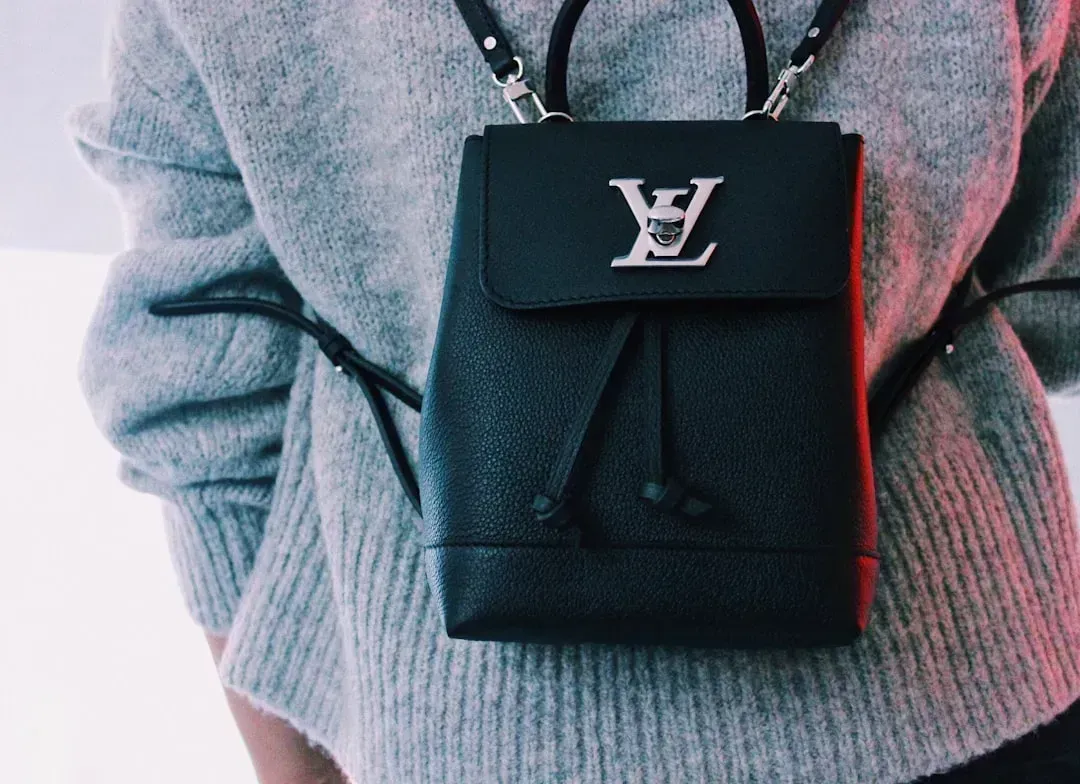
The stealth wealth fashion trend goes in contrast to the wardrobe of non-stealth-wealthy people, who dress in expensive trends or designer streetwear, such as monogrammed Louis Vuitton leather goods, splashy Gucci belts, and iridescent Moncler puffers. Louis Vuitton sits at the very top of the “avoid” list for stealth wealth dressers. When everyone from the airport VIP lounge to the fast fashion dupe market recognizes your bag instantly, the exclusivity signal is long gone.
LVMH, which owns Louis Vuitton, was the most valuable luxury brand in the world, with a brand value of about 130 billion U.S. dollars in 2024. That’s a staggering figure. Yet massive commercial reach is precisely the problem. Brands like Dior, Estée Lauder, Louis Vuitton, and Burberry took a huge hit as customers grew fed up with expensive items they found uninspiring. Even loyalty has its limits when the product stops surprising you.
Gucci: From “It” Brand to Identity Crisis
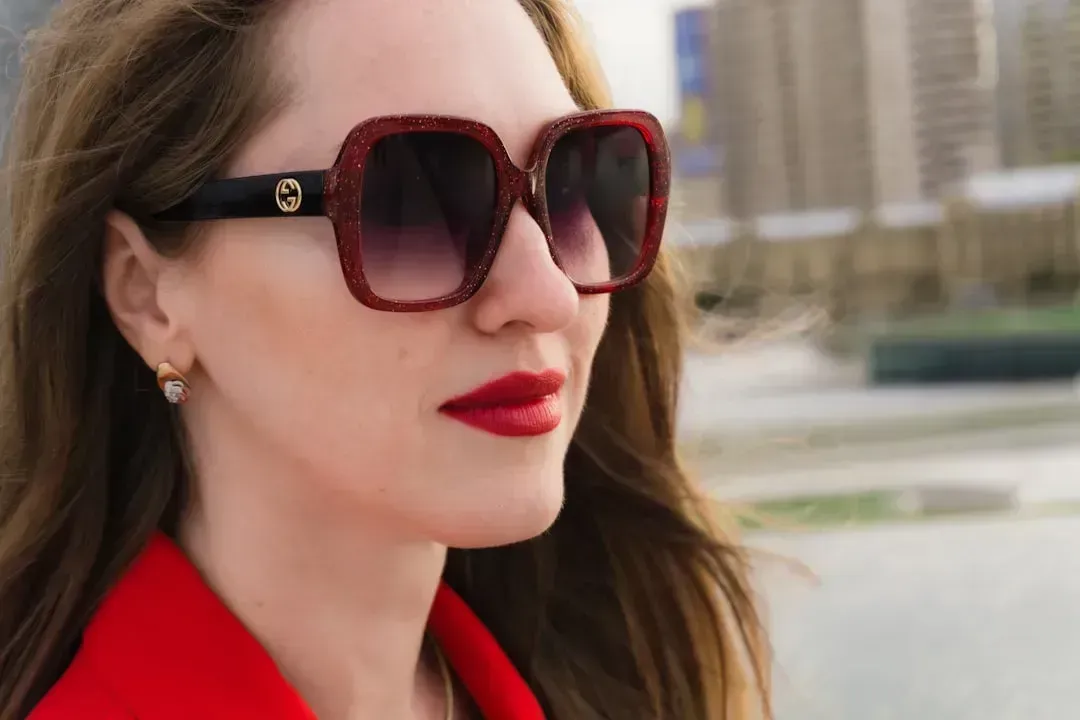
In a year that saw major headwinds in the luxury sector in general, Gucci lost the most value among all luxury brands, per Interbrand’s 2025 Best Global Brands report. According to Kering’s company website, revenue figures for Gucci dropped by 25% on a comparable basis in the first half of 2025. The drop in wholesale revenue stood at 42%, while sales from retail stores fell by 24%. Those numbers are not a blip. They are a reckoning.
Despite being one of the biggest brands that upper-class millennials spend their money on, Gucci seems to be struggling with a severe identity crisis, where it has failed to maintain its usual bold narrative. The shift from exclusivity to volume-centric expansion has also led to the brand’s downfall after some short-term gains. Let’s be real: when a brand tries to be everything to everyone, it becomes aspirational for no one in particular. Certainly not for the people who truly don’t need to impress.
Burberry: A Heritage Brand That Over-Exposed Its Own Check
According to Kantar’s Brandz rankings, in 2024, Burberry’s brand value fell by $2 billion, a 42% plunge compared to 2023. The almost 170-year-old brand also got kicked out of the FTSE 100 – Britain’s most well-known stock index – during this time, as a result of a loss in sales and dwindling profits. For a brand with nearly two centuries of British heritage, that is a genuinely sobering fall from grace.
The brand had already faced severe public backlash back in 2018 for burning $28.6 million worth of clothes and accessories to maintain exclusivity and save its products from being stolen or sold cheap. Nothing says “losing grip on luxury” quite like literally setting your own inventory on fire. If Burberry doesn’t recover, its aspirational brand status might lose out to the ultra-rich opting for luxury brands that are actually worth the money. The stealth wealth crowd abandoned the Burberry check long ago.
Dior, Versace and the Mass-Market Trap
Fifty million luxury consumers exited the market between 2022 and 2024, according to a report published from Bain & Company. Chinese buyers, once considered to be the next cohort of luxe shoppers, also jumped ship during lockdown. The numbers here are almost hard to wrap your head around. That’s roughly the entire population of South Korea walking away from luxury goods in just two years.
An HSBC report found that luxury goods prices in Europe climbed an average of 54% from late 2019 through September 2024, dramatically outpacing inflation. Yet quality has not kept pace. Young consumers, raised on transparency and authenticity, are noticing. Here’s the thing: you can charge more, but you cannot fake the craftsmanship. The truly wealthy, who can afford the difference, know this immediately when they hold the product in their hands. Dior and Versace both fell into the trap of pricing up without delivering more.
Balenciaga: Hype Without Heritage
To look into luxury goods post volume, among the largest luxury brands in the world, Gucci, Balenciaga, and Burberry, as well as the dozens of brands that make up the mega-luxury conglomerate LVMH, figure data shows either flat growth (LVMH or Burberry) or downright concerning negative growth for Gucci and Balenciaga. Social media post volumes are a surprisingly honest barometer of brand health, and Balenciaga’s numbers have been heading south for a while now.
I think Balenciaga represents a particularly interesting case in the stealth wealth conversation. Its identity was almost entirely built on provocation, irony, and hype, selling triple-figure price tags on products that deliberately resembled cheap, everyday objects. That is a fun game for a season or two. But in 2023, brands that embraced the quiet luxury trend outperformed their louder counterparts by 23 percentage points, according to DBS Bank, showing how the demand for understated luxury is changing the dynamics of the market. When provocation is your only move, you have nowhere to go when the crowd moves on.
Michael Kors and the Aspirational Discount Trap
Michael Kors, founder of his namesake brand, said during New York Fashion Week in September that he’s struggling with “brand fatigue” in an effort to explain 14% year-over-year revenue drops, pointing his finger at fast fashion and social media influencers keeping up with trends much, much faster. It’s a brutal admission but an honest one. Brand fatigue is the luxury world’s version of a slow leak. You don’t notice it until the tire goes flat at the worst possible moment.
The stealth wealth crowd never really counted Michael Kors as an inner-circle name to begin with. It occupies an awkward middle ground, premium enough to signal aspiration, common enough to be found on department store sale racks. As retail analyst Hitha Herzog told Fortune, “The luxury consumer wants something that is rare, unique, bespoke, beautiful, and specifically theirs.” Michael Kors, for all its strengths, has struggled to deliver on that standard. For secret millionaires, that middle ground is exactly where they refuse to sit.
Moncler: The Logo Puffer Problem
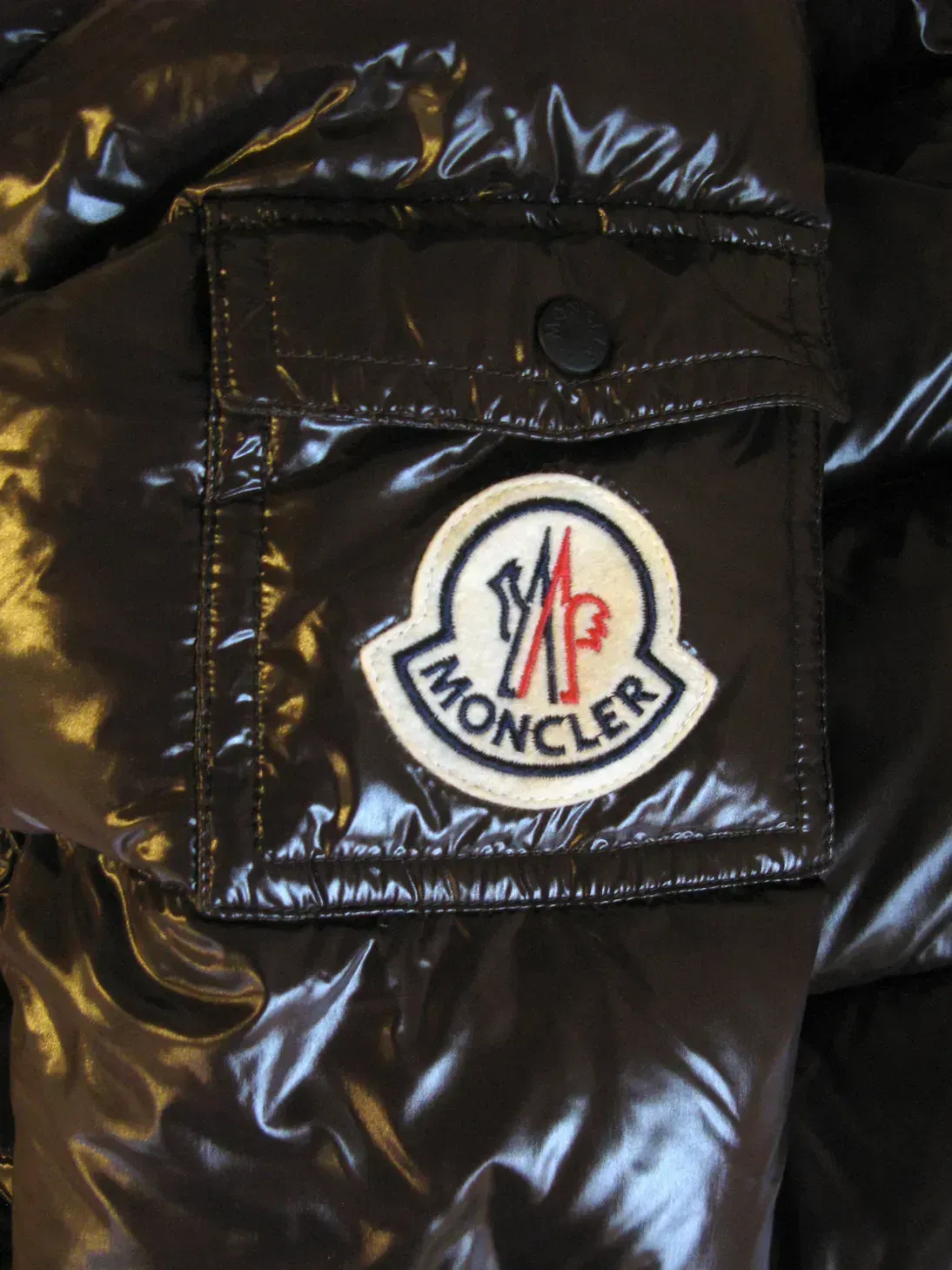
The stealth wealth trend goes in contrast to the garb of non-stealth-wealthy people, who dress in expensive trends or designer streetwear, such as monogrammed Louis Vuitton leather goods, splashy Gucci belts, and iridescent Moncler puffers. Moncler’s logo-heavy puffers have become one of the most recognizable symbols of conspicuous consumption in modern fashion. Ironically, their ubiquity is exactly what makes them unappealing to the genuinely wealthy.
A McKinsey 2024 consumer sentiment survey reported that more than 60 percent of high-income shoppers are favoring “quality-over-quantity” buying behaviors. Comfort, function, and invisible craftsmanship have replaced the need to broadcast a brand. You may have heard the catchy aphorism “money talks, but wealth whispers” tossed around in reference to this style. What it means is that the rich are still trying to communicate something through their plain black trench coats and logo-less purses, but their message is simply intended for a more exclusive audience. While their clothing may be entirely inconspicuous to the average passerby, to those of the right caliber, it’s just as recognizable as a gem-encrusted Chanel monogram. A Moncler logo speaks to the street. Stealth wealth speaks to the boardroom.