10 Everyday Choices That Secretly Signal Financial Stress
Money is a strange thing. It shapes nearly every decision we make in a day, yet most of us rarely talk about it honestly. Not to friends, not to family, and definitely not to ourselves. The uncomfortable truth is that financial stress doesn’t always announce itself loudly. It doesn’t always show up as a missed bill or an empty fridge. More often, it sneaks into the smallest, most ordinary moments – the way you order food, the way you scroll your phone at night, the way you hesitate before opening a letter.
Roughly half of Americans say they “regularly stress out about money.” The vast majority of Americans – around four in five – say the current economic climate has at least slightly affected their stress levels. These numbers are staggering, but even more revealing are the quiet, everyday behaviors that follow. Here are ten choices that many people don’t realize are waving a red flag. Let’s dive in.
1. You Avoid Looking at Your Bank Account
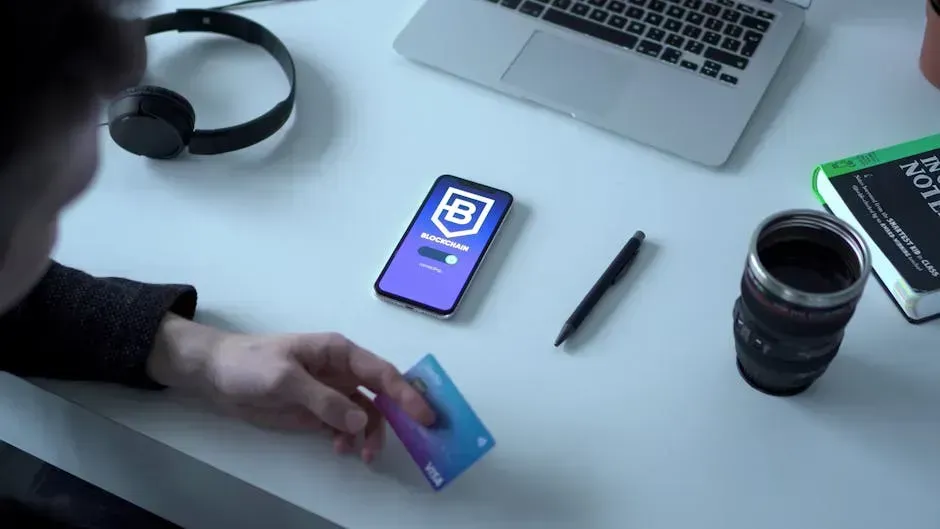
This is the big one. Honestly, if you’ve ever scrolled past your banking app on your phone screen while pretending you didn’t see it, you’re not alone. A 2025 study by MX found that roughly one in five consumers avoid checking their finances altogether, with avoidance even higher among Gen Z and Millennials. That’s not a minor quirk – that’s a significant behavioral signal.
When people experience financial scarcity, financial information can function as a scarcity cue and trigger negative emotions such as worry and shame, and research suggests that information eliciting such negative emotions may be avoided. Think of it like this: not looking at the scale doesn’t mean you haven’t gained weight. The number is still there.
About a third of survey respondents have shielded their eyes from their bank account balance or bills as a result of financial anxiety – and that percentage is much higher for Gen Z and Millennials. Even if looking at a bill or account balance can be upsetting, being aware of the problem is the first step to relieving the stress it generates, and avoiding financial issues can prolong the anxiety they generate.
2. You Shop When You’re Stressed

Here’s the thing about retail therapy: it feels like a solution, but it’s often a symptom. According to a LendingTree survey of 2,000 U.S. consumers, nearly two thirds of Americans say they’ve been emotionally influenced while shopping, and nearly three quarters of those shoppers say it led them to overspend. That’s a lot of impulse buying driven by feelings.
Millennials are the most likely generation to engage in retail therapy, making an average of 160 stress-related purchases per year, while Gen Z is just behind at 148, and Baby Boomers are the least likely, averaging 39 retail therapy purchases. The dollar amounts are telling too. Millennials spend more than other generations on retail therapy, at an average of over eight thousand dollars, versus Gen Z at roughly six thousand, and Baby Boomers at under one thousand.
Over time, emotional spending can create an unhealthy cycle: stress leads to shopping, which potentially creates financial pressure, which then increases stress – a loop that can be unhealthy for your bank account and your emotions. If you recognize that cycle in your own life, it’s worth paying attention to.
3. You’re Living Paycheck to Paycheck

Living paycheck to paycheck has become so normalized that many people don’t even register it as a warning sign anymore. It’s become the background noise of modern financial life. Nearly one in four households lived paycheck to paycheck in 2025. That figure is both surprising and, for many readers, painfully familiar.
According to a 2024 study by the Bank of America Institute, approximately one in four U.S. households spends more than ninety-five percent of their income on essentials – and remarkably, this includes around one in five households earning over $150,000 annually, because high earners are not immune to the cycle, they simply have larger expenses.
The dangerous part is the illusion of stability it creates. You pay the rent, you put food on the table, the bills get covered – just barely. But there’s zero buffer for the unexpected. A car repair, a medical co-pay, or even an unusually high utility bill can send everything into a spiral. According to Bankrate’s 2024 Emergency Savings Report, roughly a third of consumers have less savings compared to a year ago, and nine percent report having no savings at all.
4. You Cut Back on Healthcare and Mental Health Care

Skipping the dentist. Delaying a prescription refill. Canceling a therapy appointment. These choices feel small and temporary in the moment, but they’re a clear financial stress signal. While an overwhelming majority of Americans believe mental health care is just as important as physical health care, financial barriers are disrupting treatment, with nearly half of respondents reporting that they skipped a therapy session due to cost.
The significant deterrents keeping people from care include the rising cost of groceries, gas and transportation, housing, and utility bills. It’s a painful trade-off that millions make quietly every month. Sixty percent of respondents have avoided seeking mental health care due to financial constraints, and those experiencing high financial stress are more than twice as likely to forgo mental health treatment compared to those with lower financial stress.
It’s worth noting the brutal irony here. The very stress that’s driving you to need mental health support is also the reason you can’t access it. People around the world are reporting fatigue, sleep issues, and even depression linked directly to financial stress. Not seeking help only deepens those struggles over time.
5. You Delay Saving for Retirement or Emergencies
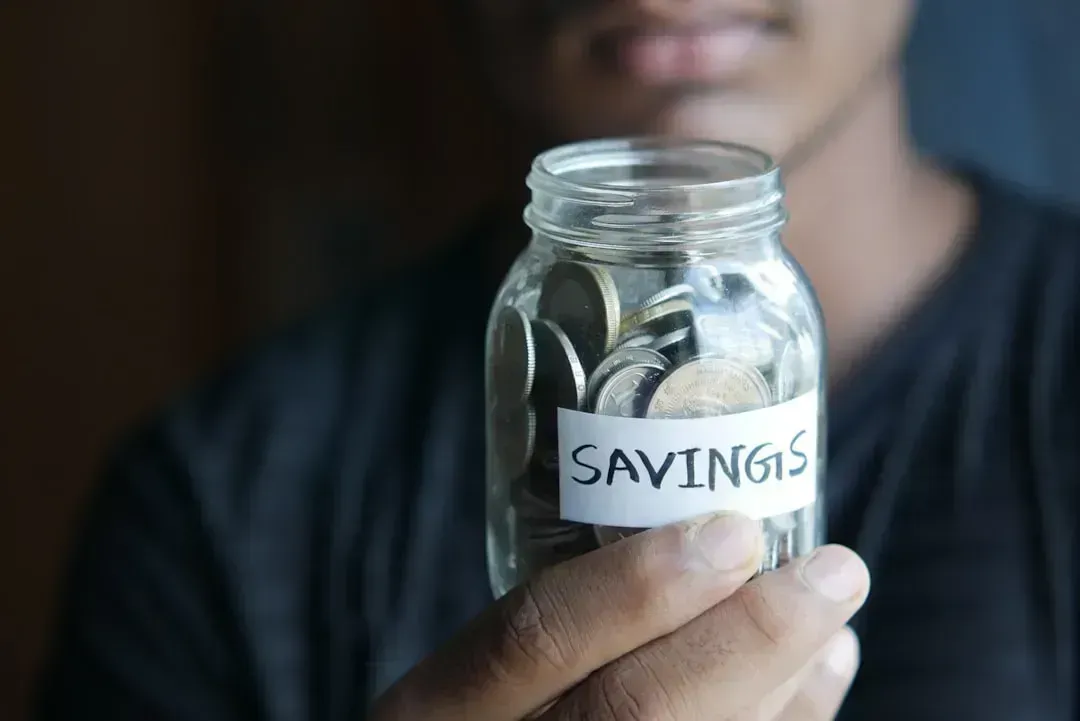
Putting off retirement savings feels logical when you’re stretched thin. There’s always a “later” to think about – except later has a habit of arriving sooner than expected. About sixty percent of U.S. adults with student loan debt have put off making important financial decisions due to their debt, and emergency and retirement savings have taken the biggest hit, with about a quarter of respondents delaying saving for emergencies and a similar proportion delaying saving for retirement.
Nearly half of workers now believe they’ll need at least one million dollars to retire comfortably, up from just over a third in 2024, yet only about a quarter expect to actually reach that goal. That gap between expectation and reality is one of the most anxiety-producing financial statistics I’ve seen in recent years.
Building an emergency fund remains difficult for Gen Z, with over half not having enough emergency savings to cover three months of expenses. Three months of expenses as a buffer is widely considered the minimum financial safety net. When even that is out of reach, every unexpected event becomes a potential crisis.
6. You Rely Heavily on Credit Cards for Basic Expenses
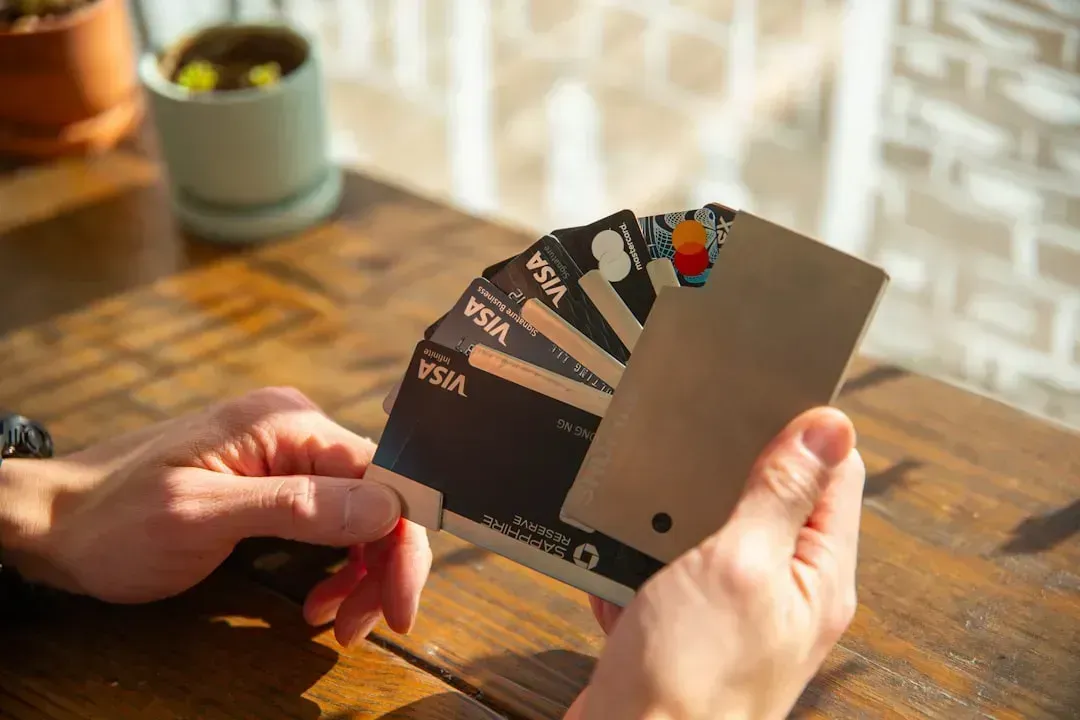
Using a credit card for daily purchases isn’t inherently a problem. The signal comes when you’re consistently unable to pay off the full balance and you’re using credit not for convenience but for survival. The average credit card interest rate crossed twenty-one percent in 2025, intensifying repayment stress. At that rate, carrying a balance doesn’t just stall your finances – it actively moves them backward.
While Americans of all ages struggle to pay off debt, Gen Z and Millennials have seen the largest increases in total debt, with Gen Z seeing a sixty-two percent increase in credit card debt between early 2022 and early 2024, and Millennials seeing a forty-nine percent increase. These are not small numbers.
About a third of Americans cited debt as a cause of financial stress, and of those, the vast majority carry credit card debt, with more than half also carrying medical or home loan debt. Credit cards can be a genuine lifeline, but when they’re routinely covering groceries and utility bills, that’s the financial equivalent of a check engine light you’ve been ignoring for six months.
7. You Feel Anxious Opening Mail or Bills

It sounds almost comical until you recognize it in yourself. The pile of unopened envelopes on the kitchen counter. The emails from your bank that sit unread for days. The instinctive dread when you see a company name in the return address. When receiving letters that are likely to contain bills, people might not open them because they feel that they do not have the financial resources to pay them – and an important reason why financial scarcity leads to financial avoidance is that people feel that learning the information might not help them resolve their problem.
Four in five Americans have anxiety about their financial situation, with about a third experiencing moderate or severe anxiety, and the number who feel some level of financial anxiety has remained consistently high over the past three years. This isn’t a personality flaw. This is a documented behavioral response to sustained economic pressure.
Financial avoidance may be further intensified by weighing the immediate benefits of avoidance – feeling better – more strongly than any delayed outcome of acting. It’s human psychology doing its job imperfectly. The only problem is that unopened bills don’t stop being bills. They just accumulate interest.
8. You Lose Sleep Over Money

If your brain decides that 2 a.m. is the perfect time to run through every financial decision you’ve ever made, you’re experiencing one of the most common but overlooked signs of financial stress. Nudge’s 2025 Global Financial Wellbeing Research shows that financial health is consistently the weakest area of people’s overall wellbeing, yet it has one of the strongest correlations with stress, anxiety, sleep disruption, and confidence.
Nearly seven in ten Americans say that financial uncertainty has made them feel depressed and anxious, an eight-percentage-point increase since 2023. Depression and anxiety don’t stay neatly contained to the bank account. They follow you to bed, to work, to the dinner table. Financial stress can affect someone’s relationships, work, and ability to carry out everyday tasks, and the American Psychological Association also finds that there is a strong link between stress and physical health, with stress leading to chronic muscle tension, long-term heart problems, and stomach pains.
Fifty-four percent of respondents feel stressed or anxious about their personal finances at least three days a week, and nearly nine in ten say they experience financial stress at least once a week. If that’s the rhythm of your week, your body and mind are carrying a heavier load than most people realize.
9. You Quietly Cut Back on Social Activities

Turning down dinner invitations. Skipping a friend’s birthday celebration. Saying you’re “too tired” when the real reason involves checking what’s left in your account. Social withdrawal because of money is far more common than people admit out loud. Roughly two thirds of Gen Z don’t feel pressured by their friends to spend beyond their means, and about four in ten feel comfortable declining social activities and letting their friends know it’s because they can’t afford them. That last part is actually admirable honesty.
According to the 2025 Global Financial Wellbeing Report, nineteen percent of people say financial stress causes tension in their relationships. It’s hard to be fully present with the people you care about when part of your brain is calculating whether you can afford to split the check. The top cited money-related issue negatively impacting mental health is difficulty paying for everyday expenses, with well over half of respondents saying it had a major impact on their mental health.
There’s also a social media dimension worth mentioning. Social media has made many people feel worse about their finances, with roughly one in five adults saying that seeing others’ social media posts caused them to have negative feelings about their finances – and that number is even higher for Gen Z and Millennials at around three in ten each. Comparison is expensive when it drives you to spend what you don’t have.
10. You Postpone Important Financial Decisions

Not reviewing your budget. Not opening a savings account. Not looking into refinancing. Not asking your employer about benefits. Paralysis masquerading as procrastination is one of the most telling signs that financial stress has moved in and made itself comfortable. Roughly a third of Gen Z are likely to avoid thinking about or taking positive actions on their finances when they’re feeling stressed financially. Avoidance feels like rest, but it’s actually just a delay of the inevitable.
About one in three people have paused or are reassessing their financial plans due to financial stress. It’s a paradox: the very moment when financial planning matters most is exactly when it feels most impossible. People with strong financial literacy are nine percent less likely to feel stressed or anxious and report better overall health. That’s a meaningful difference, suggesting that engagement, not avoidance, is the actual stress reliever.
Nearly half of Americans label their finances as “weak,” a sum that significantly outpaces shaky feelings about their physical health, mental health, friendships, job stability, and relationships with family. Think about that. More people feel weaker about their money than about any other part of their lives. Postponing financial decisions doesn’t make that feeling go away. It just makes it louder.