The Forbidden List: 10 Items You’re Not Allowed to Pack for International Flights
You arrive at the airport with your suitcase perfectly packed, ready to board. Then security stops you. That favorite item you thought was harmless? Confiscated. Maybe even destroyed. Worse, you could face fines that’ll make your eyes water. Flying internationally in 2026 means navigating stricter rules than ever before, and honestly, some of these restrictions might surprise even frequent travelers.
Let’s be real, the regulations around what you can and cannot pack have evolved dramatically over recent years, shaped by real incidents and genuine safety concerns. What was acceptable just a few years ago might now land you in serious trouble at the checkpoint.
Spare Lithium Batteries and Power Banks in Checked Luggage
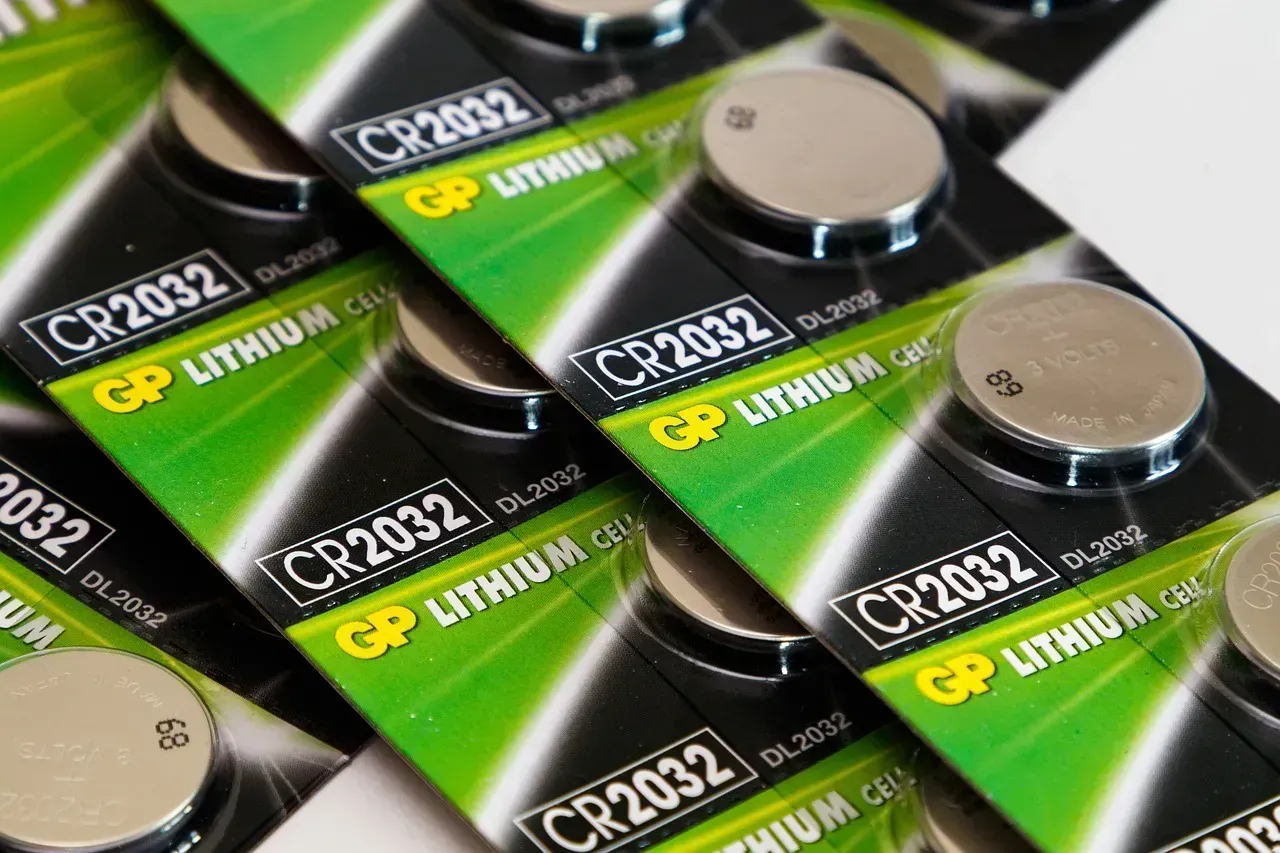
Spare lithium batteries, portable rechargers, electronic cigarettes, and vaping devices are strictly prohibited in checked baggage and must be carried with passengers in carry-on baggage. Here’s the thing: these innocent-looking power sources are behind a growing number of aircraft fires.
According to a report released in June by UL Standards and Engagement, lithium-ion battery caused incidents on aircraft have increased by 15 percent over the past five years. In 2024, 89 incidents caused by lithium-ion batteries overheating or catching fire were recorded on commercial and cargo flights by the Federal Aviation Administration – the highest-ever number.
The danger stems from something called thermal runaway, where batteries get progressively hotter until they burst into flames or explode. When a carry-on bag is checked at the gate or at planeside, all spare lithium batteries and power banks must be removed from the bag and kept with the passenger in the aircraft cabin. As of March 1, 2025, lithium-powered portable phone chargers are no longer allowed in checked luggage, making this restriction even more critical to remember.
Cordless Hair Styling Tools with Gas Cartridges

Beauty enthusiasts got hit with an unexpected curveball recently. As of August 25, TSA has banned three new items from checked bags: cordless curling and flat irons with gas cartridges, butane-filled curling and flat irons and spare gas cartridges for these tools. The rule emerged from concerns about flammable hydrocarbon gases like butane.
In an August 21 post on X, TSA noted that any cordless curling irons containing gas cartridges discovered in a checked bag will be removed and turned over to the airline as a HazMat item. You’re allowed one cordless, butane-powered hairstyling tool in carry-on if it has a safety cover over the heating element. Spare butane cartridges, however, are completely banned.
The takeaway? Check whether your favorite travel styling tool uses gas cartridges before heading to the airport, or you might watch it disappear at security.
Smart Luggage with Non-Removable Batteries
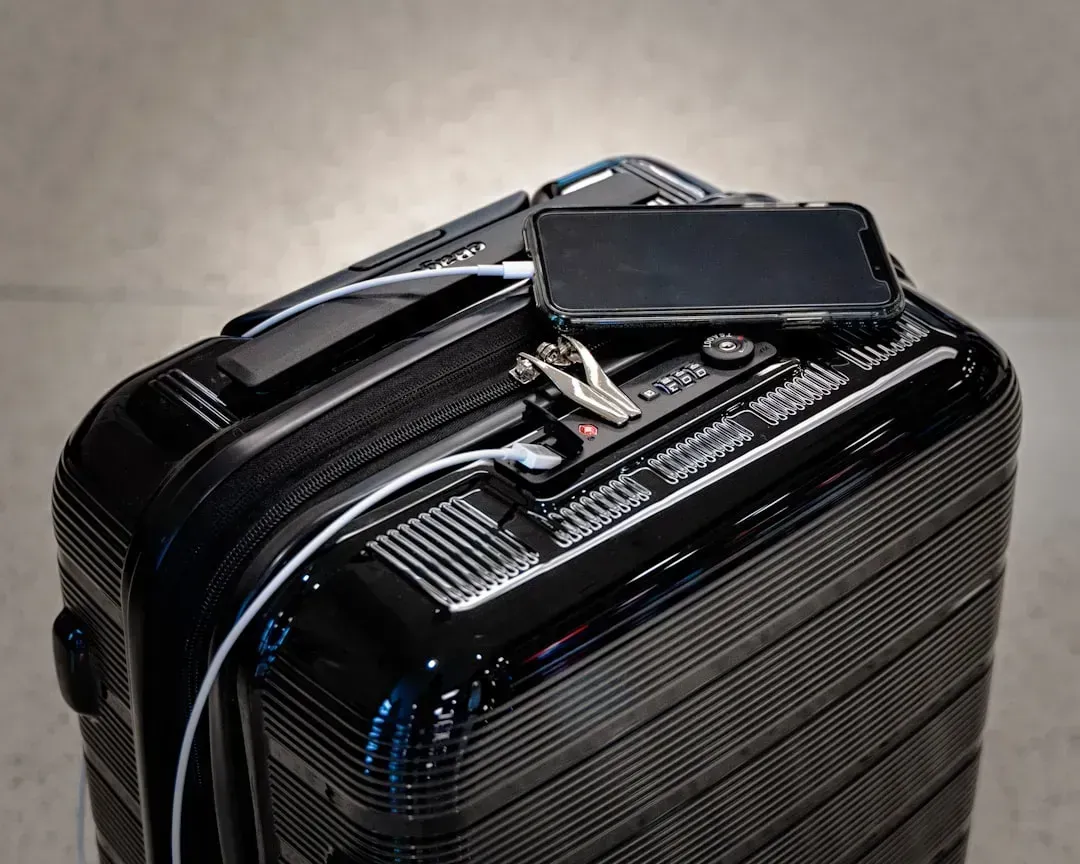
Around 2017 and 2018, airlines started prohibiting smart luggage transport powered by fire-hazardous lithium-ion batteries that can overheat and cause explosions, initially a clampdown on electric suitcases with features like USB charging ports, electronic locks, and GPS. The key word here is “non-removable.”
American Airlines announced that smart bags must have a removable battery, effective January 15, 2018, and if the battery cannot be removed, the bag isn’t allowed as carry-on or checked. Since 2018, United Airlines, Delta Airlines, Alaska Airlines, Southwest Airlines and American Airlines require that if you are traveling with a smart bag, the battery must be removable.
Think you can just check it without the battery? If the bag needs to be checked or valeted, you must remove the battery and carry it with you, and bags with non-removable batteries won’t be accepted. Some airlines enforce outright bans on rideable luggage regardless of battery removal capability.
Liquids Over 3.4 Ounces in Carry-On Bags

The 3-1-1 liquids rule states that if you can spill it, spray it, spread it, pump it or pour it, then it is a liquid and must be packed in your checked bag, and liquids, gels and aerosols larger than 3.4 ounces should be packed in checked bags. This decades-old regulation still catches travelers off guard.
Frequent flyers know the 3-1-1 rule well: liquids must be in containers no larger than 3.4 ounces, fit into one quart-size bag, and each passenger is allowed just one bag. However, there’s a twist for international connections. Duty free liquids purchased internationally are allowed when traveling to the United States with a connecting flight if the liquids are packed in a transparent, secure, tamper-evident bag by the retailer and do not show signs of tampering when presented to TSA for screening, and the original receipt for the liquids is present and the purchase was made within 48 hours.
I know it sounds crazy, but violating this seemingly minor rule results in immediate confiscation. Pack that expensive perfume or shampoo in checked luggage instead.
Marijuana Products, Even for Medical Use

State laws don’t matter when you’re flying. The TSA has stated that possession of marijuana, even medical marijuana, is illegal under federal law and that it will refer passengers traveling with marijuana to law enforcement authorities, and American Airlines does not allow passengers to transport marijuana on their flights.
This creates a frustrating situation for medical marijuana patients who rely on these products for legitimate health conditions. Regardless of whether your departure or arrival state has legalized cannabis, anyone traveling with or transporting marijuana on flights does so at their own risk.
Federal law supersedes state regulations at airports and on aircraft, meaning there are zero exceptions to this prohibition. Your medical card from California or Colorado holds no weight with TSA agents or federal authorities.
Alcoholic Beverages Over 70 Percent by Volume

Planning to bring back that bottle of high-proof spirits from your international trip? Alcoholic beverages over 70 percent by volume are prohibited. This includes items like grain alcohol, certain moonshines, and some specialty liquors popular in duty-free shops.
You can take a maximum of 5 liters per passenger for beverages 24 to 70 percent alcohol by volume in checked bags, though customs regulations vary by country. Anything stronger poses a flammability risk serious enough to warrant an absolute ban.
It’s hard to say for sure, but enforcement seems particularly strict on this one because of the explosive potential of high-alcohol content liquids in pressurized cabins. Leave the Everclear at home.
Large Portable Power Banks and Lithium-Ion Generators
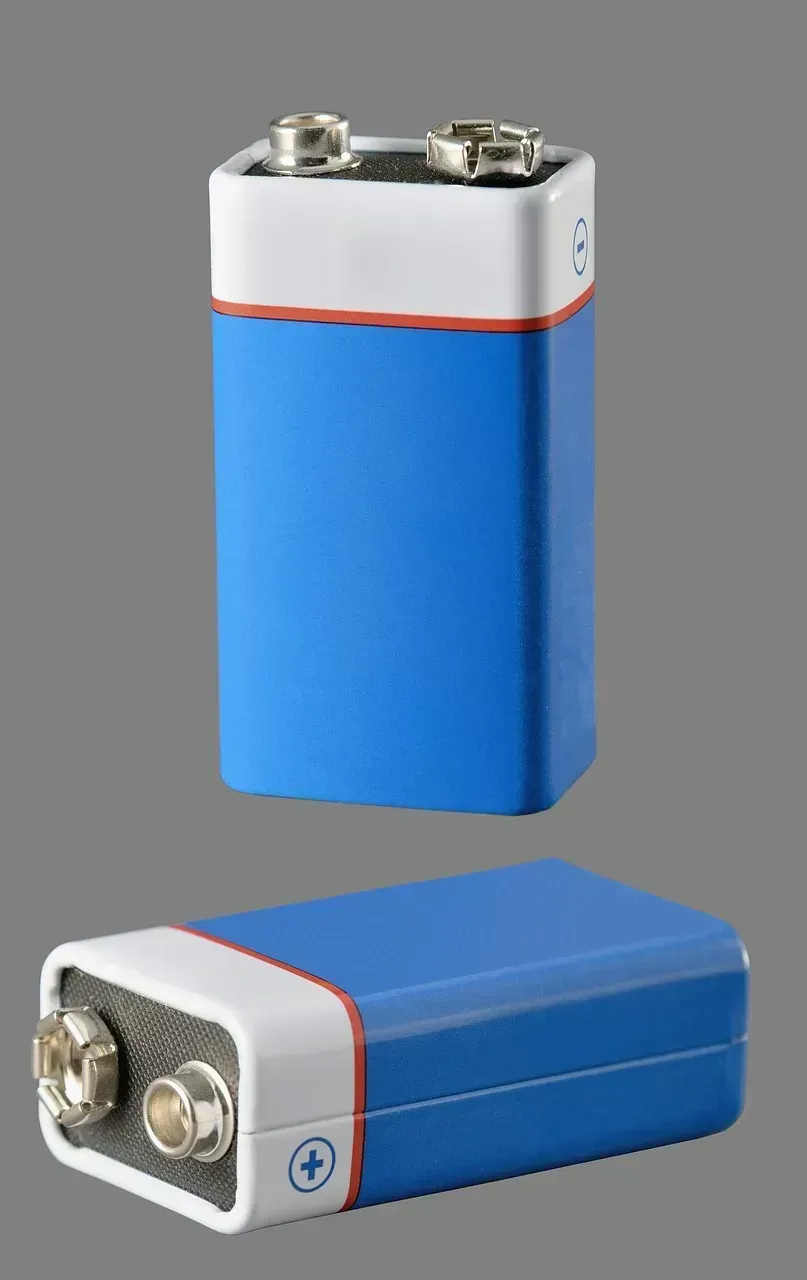
Large portable power banks and lithium-ion battery-powered generators are not allowed as carry-on or checked items. The restriction extends beyond standard power banks to include massive battery systems some travelers use for camping or emergency power.
Airlines allow up to 2 of each device and 2 spare batteries intended for personal use only, with restrictions that approved devices and batteries are safely packaged in carry-on only. There is a limit of two spare batteries per person for the larger lithium ion batteries described above, specifically those between 101 and 160 watt hours per battery.
Any lithium ion battery containing more than 160-watt hours is prohibited from carriage on all passenger aircraft. If you’re uncertain about your device’s specifications, check the manufacturer’s documentation or leave it behind rather than risk confiscation and potential fines.
Rideable and Motorized Suitcases
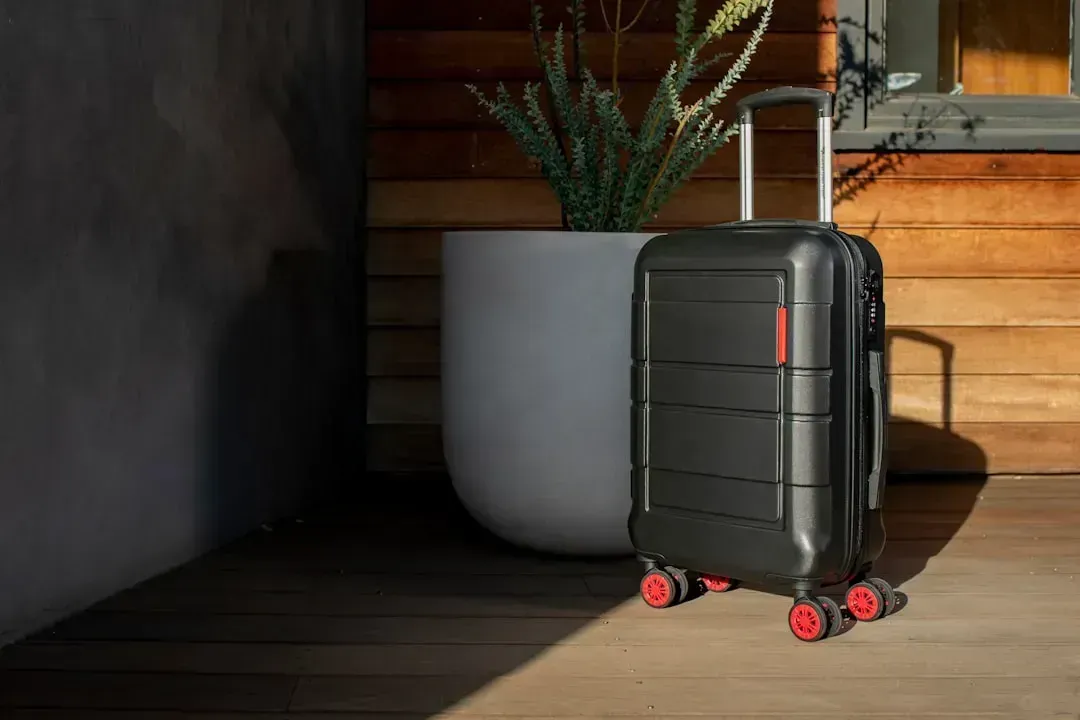
Japan banned using rideable suitcases in Tokyo’s Haneda Airport in February 2024, reflecting growing global concerns about these devices. United Airlines has a clear ban in place on rideable or motorized suitcases, and this doesn’t mean a passenger can pop out the battery and be completely fine – instead, United has an outright ban on any vehicle-related suitcase.
There’s no universal ban on ride-on baggage, but many airlines and sometimes even airports – many U.S. airports with intense security protocols – strictly prohibit their transport, and the regulations are confusing because they vary by airline. Some carriers worry about safety risks in crowded terminals, while others cite fire hazards from the integrated batteries.
Singapore Airlines is more strict, prohibiting all small lithium battery-powered personal transportation devices including electric suitcases BOTH as checked-in and hand-carry baggage regardless of whether the battery can be removed from the device. Better to stick with traditional luggage than gamble on acceptance.
Powerless Electronic Devices
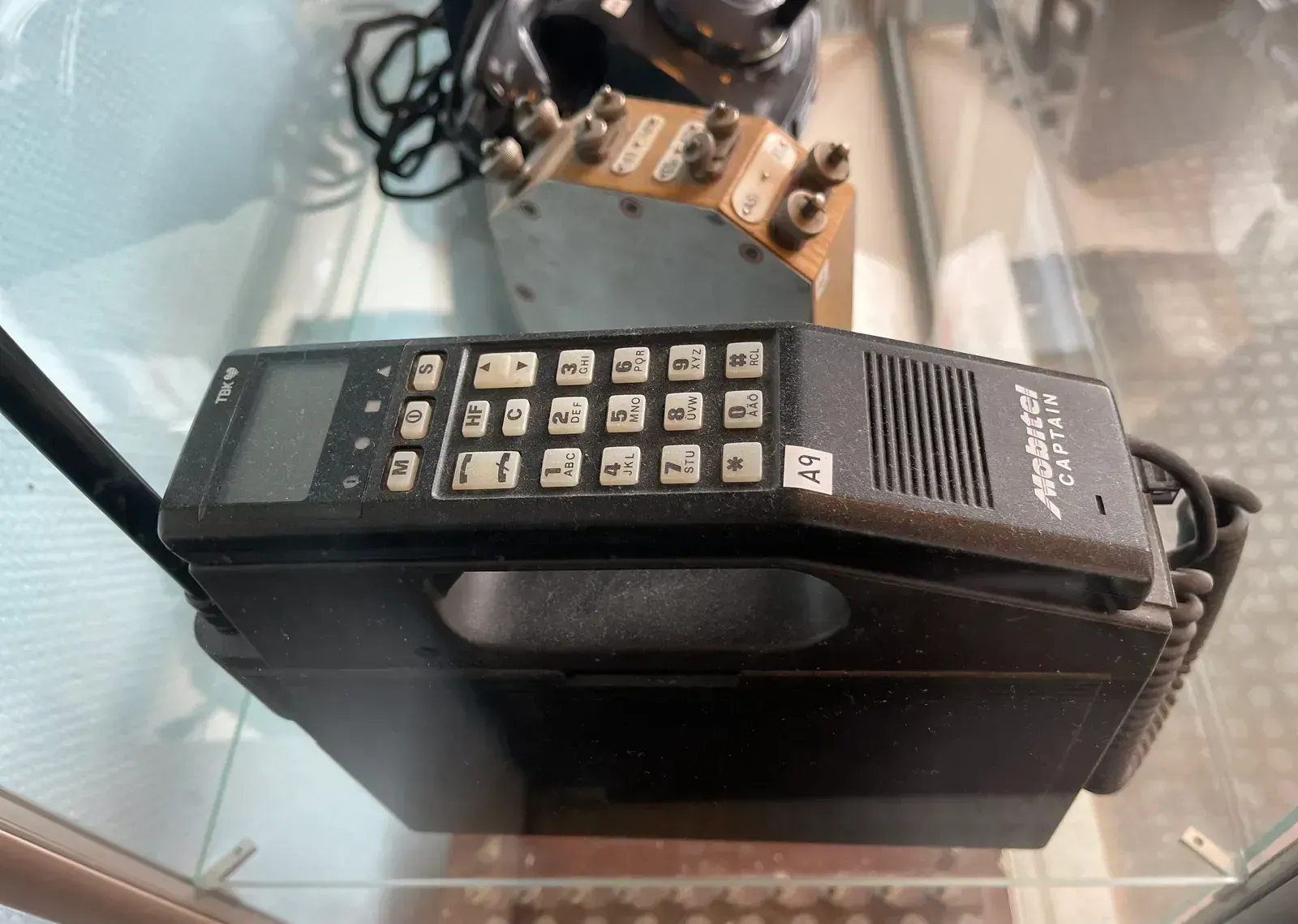
Powerless devices will not be permitted onboard the aircraft. Security officers may ask you to turn on laptops, tablets, phones, and other electronics to prove they function properly.
This rule targets concealment methods where hollowed-out devices could hide dangerous materials. Officers may ask you to power up your electronic device, including cell phones. If your device battery died before reaching security, you face a dilemma: abandon the device, check it separately if time permits, or miss your flight while finding a charging solution.
International travelers should keep portable chargers accessible and ensure all devices maintain sufficient charge before airport arrival. It’s a hassle, honestly, but necessary given the legitimate security concerns behind this policy.
Compressed Gases and Flammable Materials

Compressed gases including deeply refrigerated, flammable, non-flammable and poisonous gases such as butane, oxygen, liquid nitrogen, aqualung cylinders and compressed gas cylinders, plus items with internal combustion engines such as chainsaws, model aircraft and lawnmowers are prohibited. These restrictions stem from obvious explosive and fire hazards.
Corrosives such as acids, alkalis, wet cell batteries, and items containing mercury, along with flammable liquids and solids such as certain lighters, lighter fuel, matches beyond safety matches carried on the person, firelighters, paints and thinners are banned. The list covers seemingly innocent household items many might not consider dangerous.
These products may seem harmless; however, when transported by air they can be very dangerous, as vibrations, static electricity, and temperature and pressure variations can cause items to leak, generate toxic fumes, start a fire, or even explode. Pack accordingly, and when uncertain, contact your airline directly rather than assume safety.