Hotel Servers Notice These 6 Things About You the Moment You Sit Down
You slide into your seat at the hotel restaurant, maybe still glancing at your phone, settling your napkin, reaching for the menu. The server approaches with a smile, ready to greet you. Yet, what you might not realize is that in those first handful of seconds, they’ve already read you like a book.
Experienced hotel servers develop an almost uncanny ability to size up guests instantly. It’s not judgment, really. It’s survival. This rapid assessment happens within seconds, shaping the entire service experience before you’ve even ordered a drink. Let’s pull back the curtain on what they’re actually noticing the moment you sit down.
Your Body Language Speaks Before You Do
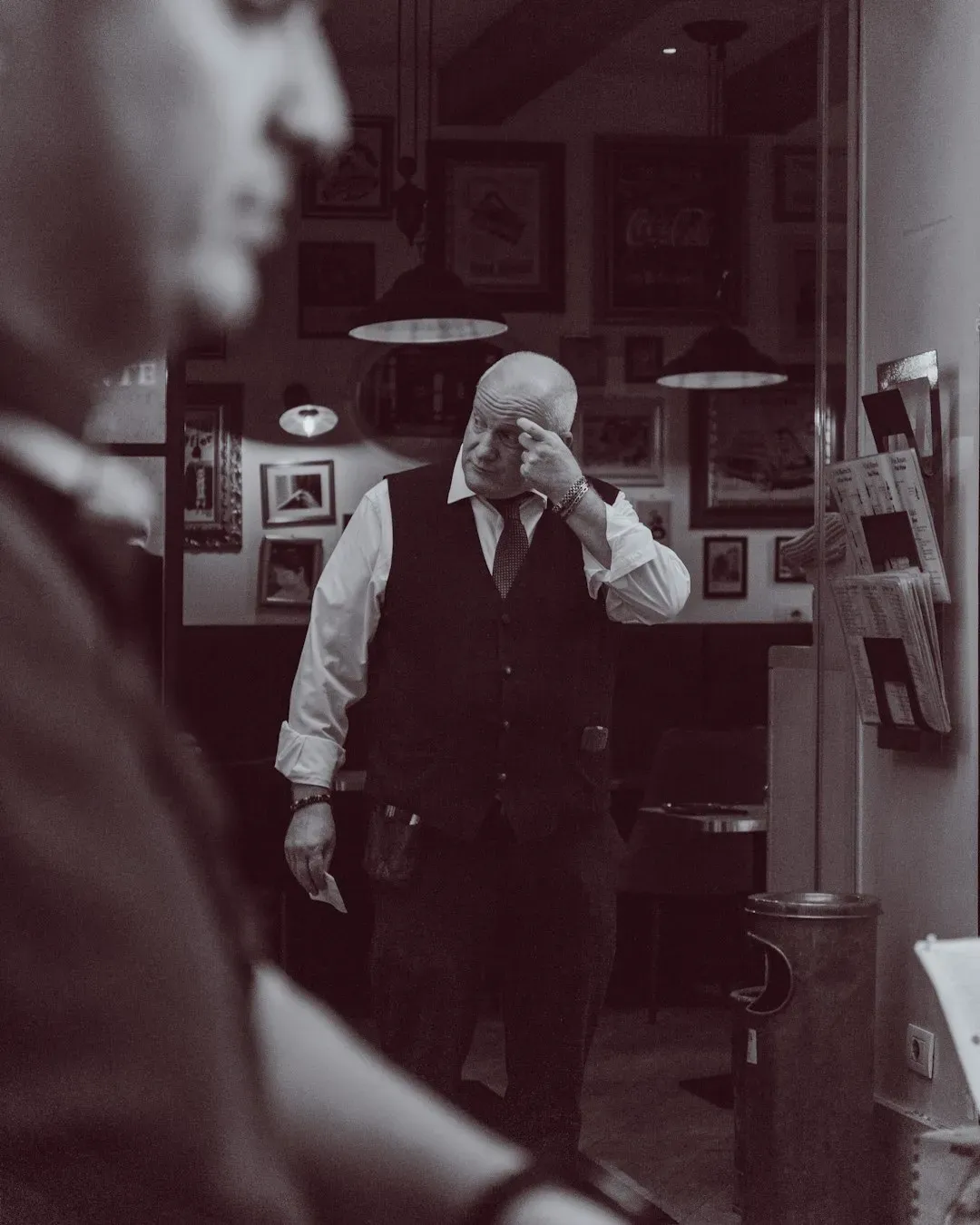
A guest’s posture and facial expressions tell Servers volumes about their mood and expectations. Crossed arms and minimal eye contact often signal an already frustrated diner, requiring extra attention and care. If your shoulders are hunched and you’re scowling at the menu, the server immediately knows you might need a different approach than someone who’s relaxed and smiling.
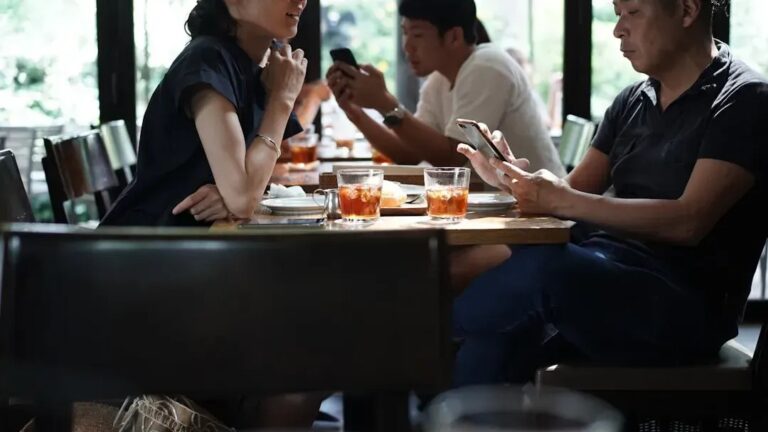
Honestly, it’s fascinating how much information gets transmitted without a single word. Everything from the position of your shoulders to where you put your phone reveals important information about who you are, what you want out of the dining experience and how your waiter will interact with you. Servers watch whether you’re leaning back comfortably or sitting stiffly upright. They notice if you make eye contact when they approach or if you’re absorbed in conversation with your dining companion.
Being a server teaches you how to read people’s behaviors on a dime – you can tell when you walk up to a table if they’re in a bad mood, if they’re in a rush. It’s all about understanding body language and developing a rapport quickly. Think of it like a first impression that happens before introductions even begin.
Eye Contact and Basic Courtesy Reveal Everything

To me, the biggest indicator that someone was going to be friendly, or at least nice, is eye contact, shared Darron Cardosa, a former server for about 25 years and blogger of The Bitchy Waiter. The simple act of looking up when your server arrives at the table sets the tone for the entire meal.
Servers instantly notice whether you acknowledge their presence. Do you stop scrolling through your phone? Do you pause your conversation? There were folks who would come in and barely acknowledge you and couldn’t remember what you look like, recalled Chuck Anderson, who was a server for about 20 years. He said even just calling your server by name and saying please and thank you goes a long way.
Saying please and thank you, being patient when the restaurant is busy, and treating servers like human beings rather than servants creates a positive feedback loop. Rudeness, however subtle, gets noticed immediately and can affect everything from service speed to the server’s willingness to go the extra mile with special requests. It’s that simple. A warm smile and a genuine greeting might just get you the best table by the window next time.
How You Treat Your Dining Companions
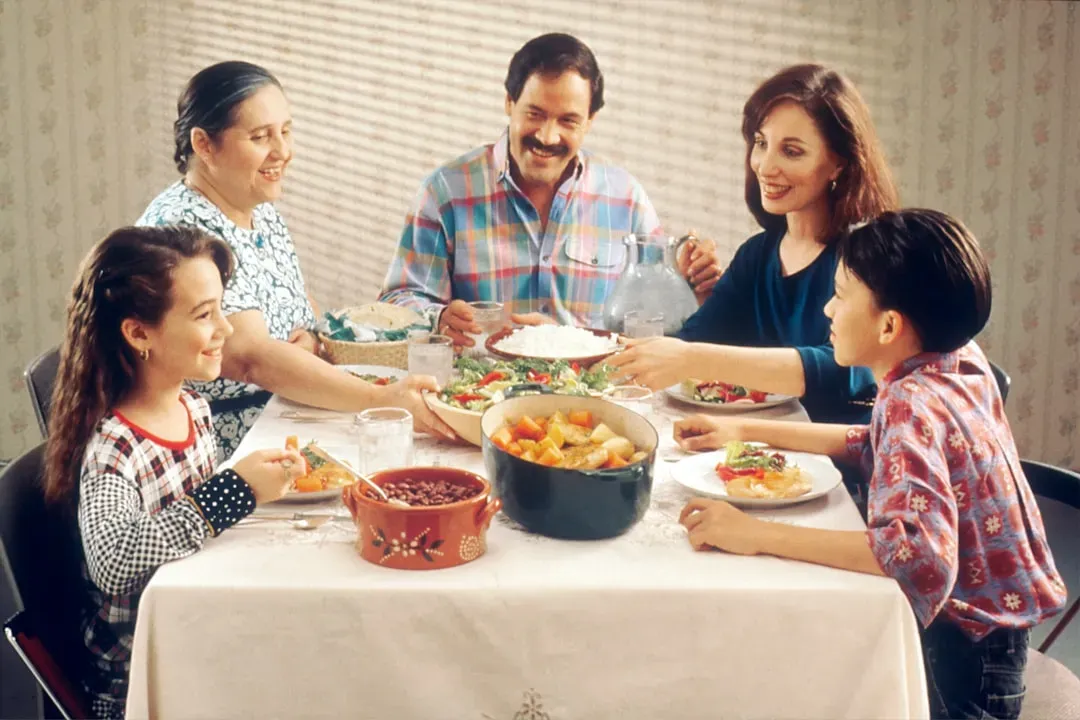
Another very telling observation for servers: how you treat others at your table. If someone is dismissive of their spouse, their date or their kids, then you don’t have much hope that they’re going to treat you better, Cardosa said. This one’s pretty revealing when you think about it.
Servers pay close attention to table dynamics. Are you snapping at your partner? Ignoring your children? Making condescending jokes at someone else’s expense? These behaviors paint a clear picture of what kind of guest you’ll be. Tables with kids get special scrutiny, but not in a negative way. Observant servers watch how parents interact with their children, and they adjust accordingly.
The way you communicate with the people you chose to dine with often predicts how you’ll communicate with the staff. If there’s tension or impatience at your table, servers brace themselves for a potentially challenging interaction. On the flip side, tables where everyone seems comfortable and respectful tend to be a pleasure to serve.
Who’s Calling the Shots
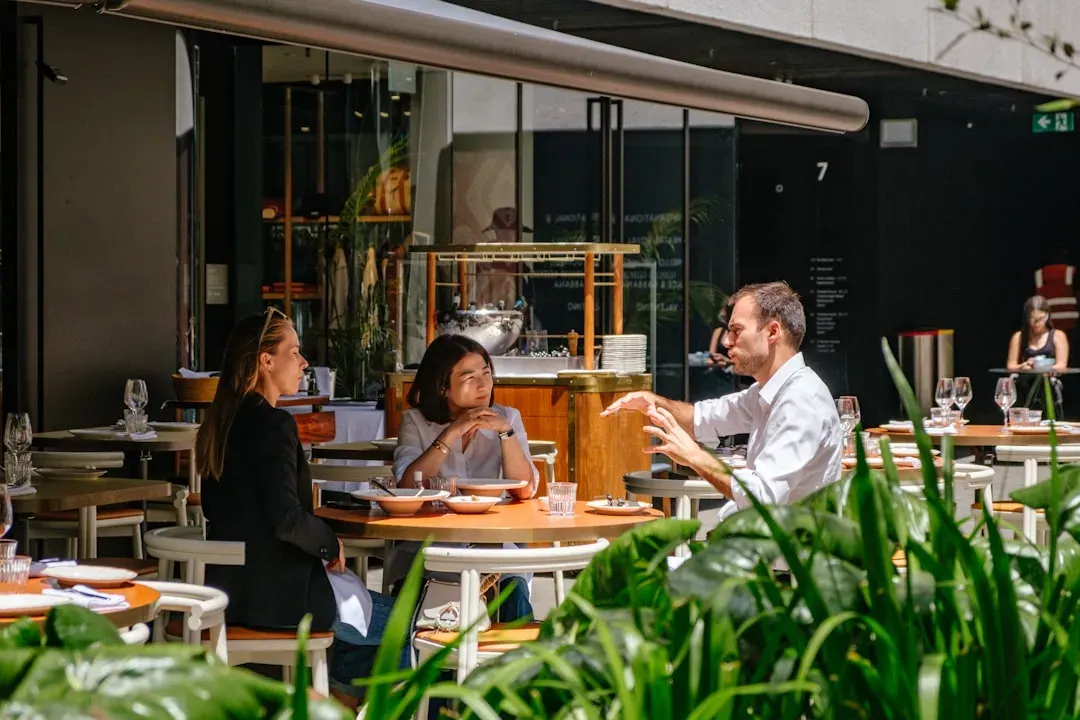
Within moments, servers figure out who’s calling the shots. Who’s holding the menu longest? Who’s asking all the questions? Every table has its own power dynamic, and experienced servers decode this quickly.
Someone who insists on ordering for the whole table, makes fun of what someone else eats or how they eat, dominates the conversation at the table, orders the waitstaff around like servants or is very demanding sends clear signals about table dynamics. Smart servers adapt their focus accordingly. They’ll direct questions to the decision-maker but remain inclusive of everyone.
Figuring out who’s in charge helps servers deliver smoother service. If one person is clearly coordinating the meal – maybe it’s a business dinner or a celebration – the server knows who to check in with about timing or special requests. It’s a strategic observation that makes the whole experience run more efficiently. Let’s be real, nobody wants to ask the wrong person whether the table is ready to order.
Your Level of Menu Engagement
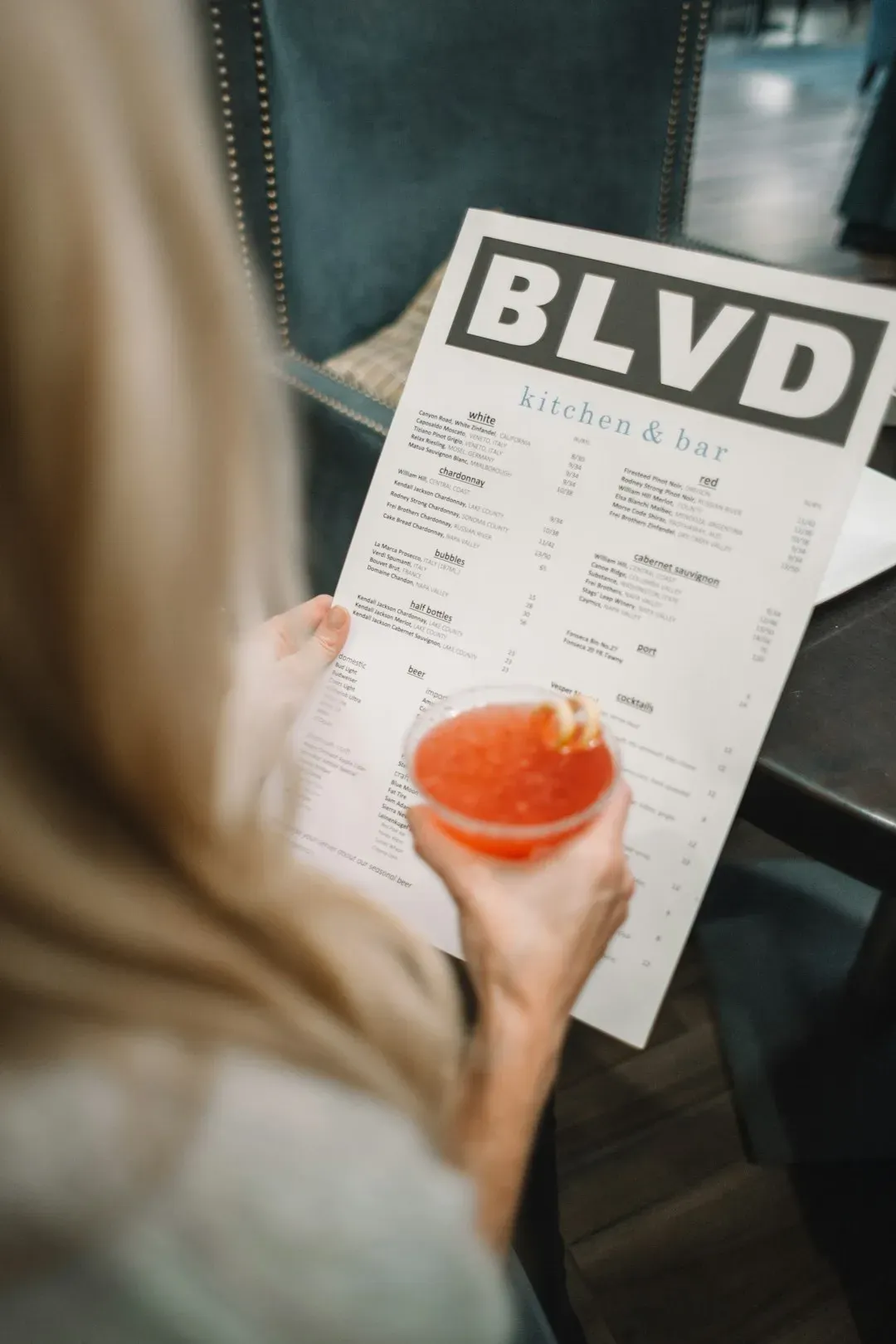
Menu reading patterns show us fascinating things about dining guests. Regular guests read menus quite differently from first-timers. Servers watch how you interact with the menu because it tells them whether you’re decisive, adventurous, rushed, or completely overwhelmed.
Some guests ask Servers to explain every dish in detail. This takes up precious time during busy hours. Guests often miss clearly listed ingredients on the menu. Later, they end up confused and want changes after placing orders. If you’re flipping pages frantically or barely glancing at it, that signals different needs.
Many customers place orders without reading menu descriptions properly. Servers often deal with guests who order items containing ingredients they don’t eat. These guests then ask for changes or send food back after it arrives at their table. Servers learn to spot these patterns and might proactively offer guidance or clarification to avoid issues later. Here’s the thing – reading the menu carefully actually makes everyone’s job easier.
Your Tipping Potential
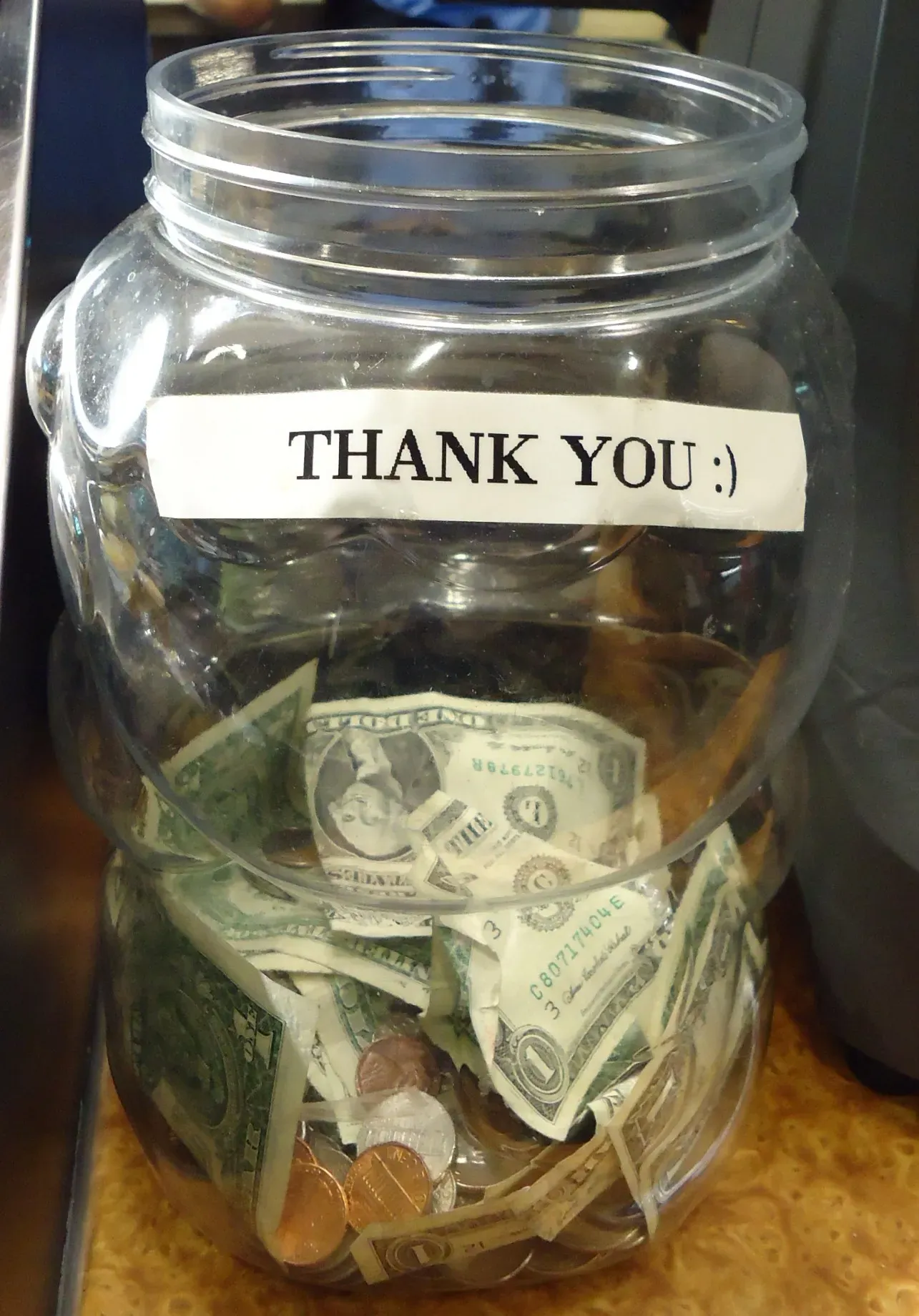
Let’s be real – servers are trying to gauge tipping potential, though they’ll tell you it’s nearly impossible to predict accurately. Nationally, the average tip percentage in full-service restaurants was 19.8% in 2024. Servers know that stereotypes about tipping are often wrong, yet they can’t help but make quick assessments.
Certain cues might suggest generosity or stinginess, though experienced servers have learned not to judge too quickly. In fact, Ennis remembers one of her regular customers came off as crotchety by appearance but was actually one of the best tippers. I’ve learned to never judge a book by its cover, she said.
What really matters is that servers understand tipping reflects their livelihood. This mood assessment isn’t superficial – it’s practical. If someone seems irritable or impatient, the server knows to prioritize speed and minimize small talk. In 2024, satisfaction with full-service dining increased by 4% to a score of 84 out of 100, suggesting that many servers are successfully adapting their approach to match customer expectations. They’re reading you to provide better service, which hopefully results in fair compensation for their work.