Top 6 Restaurant Scams Insiders Say Customers Fall For
Walking into a restaurant should feel like a treat, not a trap. Yet for every delicious meal served across America, there’s a hidden game being played that most diners never catch until they walk out with a lighter wallet. Let’s be real – the restaurant business has always operated on razor-thin margins. Still, some tactics cross the line from smart business into murky territory. Whether you’re a regular at your local spot or trying out somewhere new, knowing what to watch for can save you from feeling cheated. Here’s what industry insiders say happens more often than you’d think.
The Double-Dip Gratuity Trap
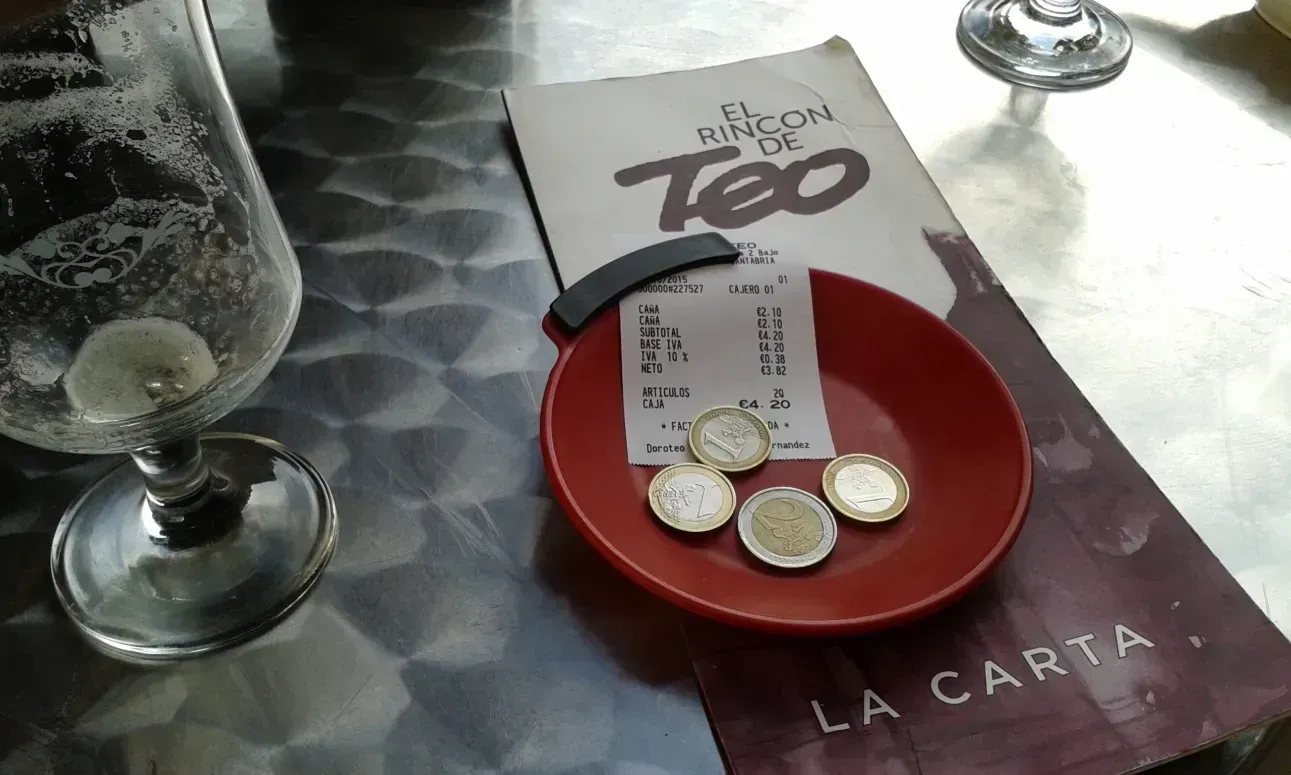
Auto-gratuity scams occur when an employee takes advantage of customers who may not have noticed that the gratuity was already added, and allows them to add an additional tip. Think about the last time you dined out with a large group. The bill arrives with an automatic service charge tacked on, usually somewhere around eighteen to twenty percent. Nothing unusual there – most restaurants apply this to parties of six or more. Here’s the thing though. Many diners don’t notice that line item buried in the total. They see the tip line on the credit card slip, assume they need to fill it in like always, and boom – double tip.
Disputes over undisclosed automatic gratuity have risen between 2023 and 2024, according to some reports, leading to stricter transparency requirements. Servers don’t always point this out. Sometimes it’s an honest oversight during a hectic shift. Other times, well, it’s a quick way to pad earnings. Many restaurants that implement automatic gratuity have faced customer refusals at least once, with some reporting regular pushback.
The confusion gets worse because automatic gratuity is a service charge, and this classification means the amount is predetermined and considered a fee, so the customer is legally obligated to pay it. Restaurants are supposed to clearly mark these charges, and regulations require restaurants to clearly disclose them. Still, if you’re not paying close attention to every line on that bill, you could end up tipping twice without realizing it.
Shrinkflation on Your Plate
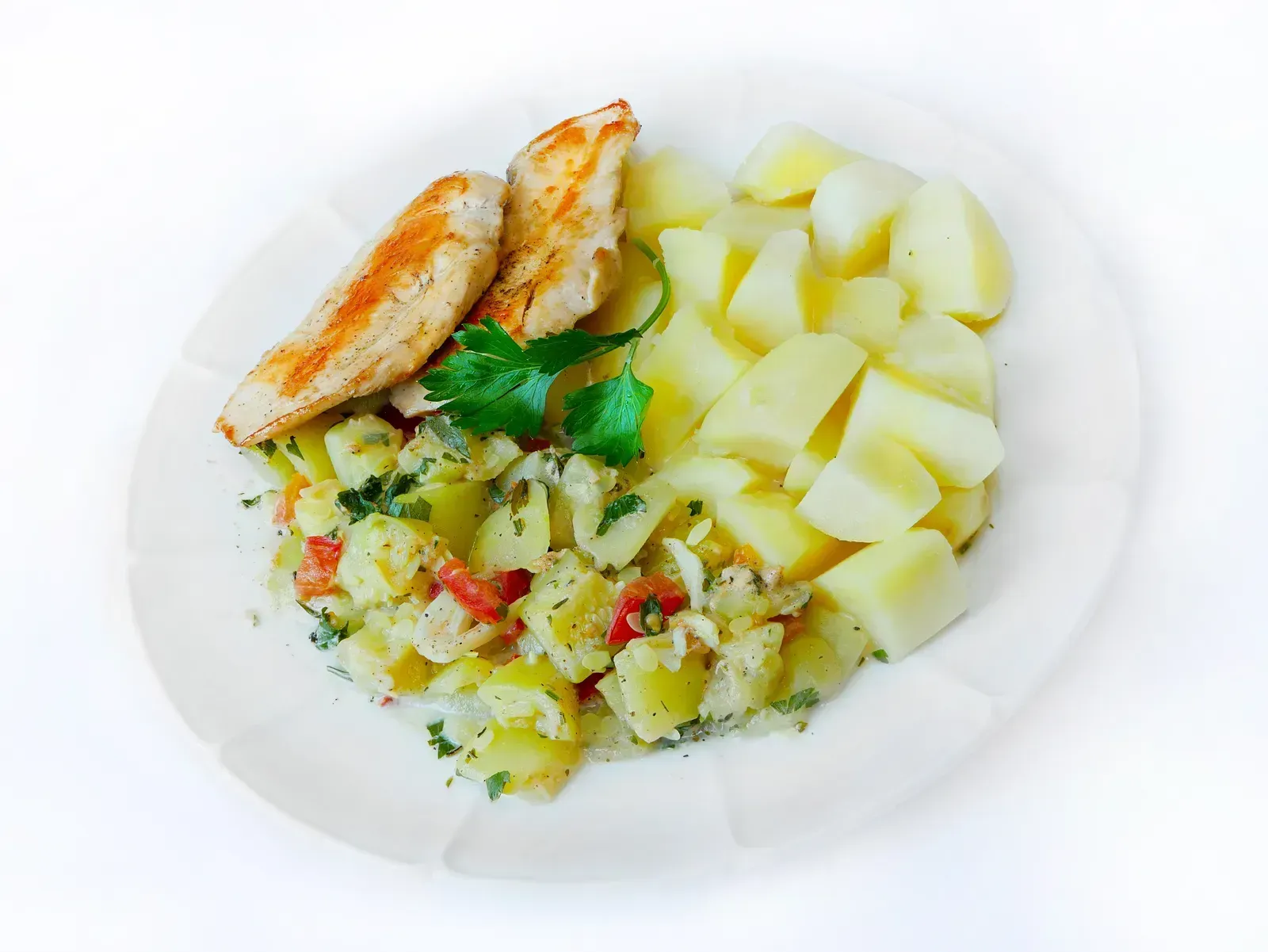
Remember when restaurant portions used to be massive? Those days are fading fast. Many diners report experiencing “shrinkflation,” where menu items seem to be getting smaller and smaller due to the high rate of inflation and increased costs. The clever part is that prices either stay the same or creep up just a bit. You might not notice your pasta bowl looks a little less generous than it used to, or that your burger patty seems thinner.
Restaurant owners have reported having to reduce the size of their dishes in response to rising food costs. Fast food isn’t immune either. Domino’s, Popeyes, Zaxby’s, Arby’s, Taco Bell, McDonald’s, Burger King, Five Guys, Subway, Chick-fil-A, and Wendy’s have all been receiving shrinkflation complaints from consumers.
Restaurants that aren’t raising their food prices as high are often compensating by providing smaller portions, and the idea is that customers are less likely to get upset about a slightly smaller portion than a higher price. Some chains have gotten creative by switching to cheaper cuts of meat or using less expensive ingredients. It’s a calculated gamble that you won’t notice or won’t complain. Honestly, some places are betting you’re too polite to say anything even if you do catch on.
Menu Psychology Mind Games
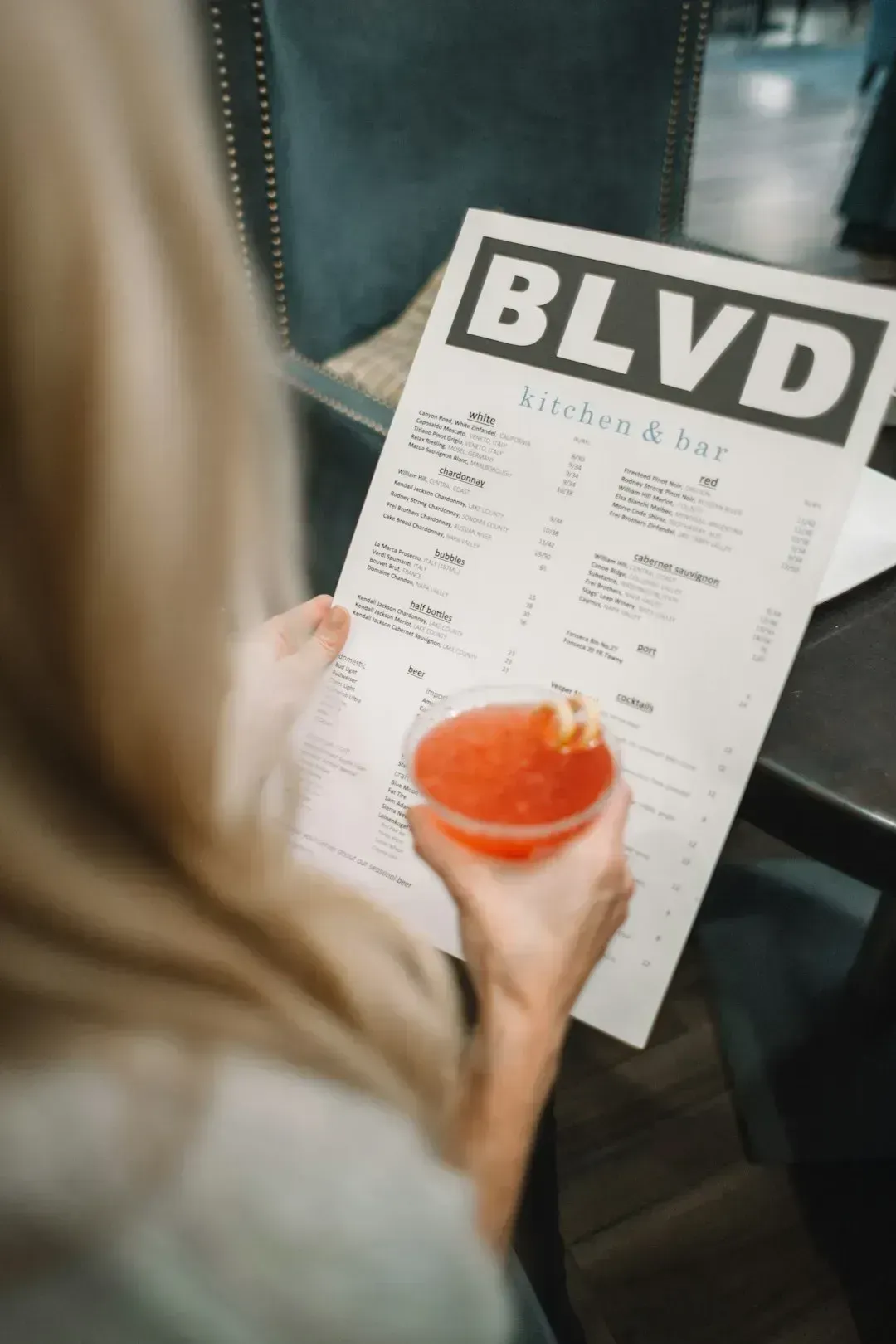
Ever notice how certain dishes on a menu seem to jump out at you? That’s not an accident. Restaurants employ something called menu engineering, which is basically the science of manipulating what you order. According to studies, customers are likely to order one of the first items they notice on the menu. High-profit items get prime real estate – top right corner, bold fonts, fancy boxes. Meanwhile, dishes with slimmer margins get buried.
The pricing tricks go deeper. Yellow is a happy hue and is used to catch the diner’s attention, while red encourages action and is used to persuade us to buy the meals with the highest profit margins. Then there’s anchor pricing, where a restaurant lists an absurdly expensive item just to make everything else look reasonable by comparison. You see a steak for forty-five dollars and suddenly that thirty-two dollar fish seems downright affordable.
If you sell multiple sizes of the same item, price the largest size with the highest profit margin, then price the smaller sizes so that they still earn a profit, but don’t seem like as good a deal to customers to encourage them to buy the biggest size. They’re steering your choices in ways you don’t fully realize. The crazy part is how well it works – most people pick exactly what the restaurant wants them to pick.
Fake Vendor Payment Redirects
This one targets the restaurant itself rather than customers directly, which drives up costs that eventually get passed to diners. There has been a recent boom in fraud where back-office workers get emails from what appears to be a known vendor asking to change the payment details for invoices, and the money then gets sent to a criminal instead of the actual vendor. These scams have become frighteningly sophisticated.
Fraudsters have become more sophisticated over time and now deploy some of the same tools used by legitimate businesses – such as chatbots and large language models – to produce scam emails and requests that look legitimate. A manager receives what looks like a routine invoice update email. They change the bank routing information, send payments, and the restaurant just funded someone’s vacation in the Bahamas instead of paying for seafood supplies.
According to IBM’s 2024 Cost of a Data Breach Report, the average cost in the hospitality and entertainment industry reached $5.72 million in 2023, up from prior years. When restaurants lose money to fraud like this, they don’t just absorb the loss. Menu prices go up to compensate. You end up footing the bill for someone else’s crime without knowing it.
Review Bombing Extortion

Picture this nightmare scenario for a restaurant owner. A manager texts to say that the restaurant has received 50 one-star reviews on Google. All of them fake, all posted within hours. Then an email arrives demanding payment to make them stop. Welcome to review bombing, one of the newest and most insidious scams hitting restaurants.
It’s a tactic known as review bombing, in which fraudsters flood a restaurant with negative reviews and then ask for payment to get them to stop. Illinois Restaurant Association CEO Sam Toia said he has seen an uptick in review bombs over the past six months, particularly among mid- to upscale restaurants. The damage is immediate and severe. For restaurants, a rating drop on Google from a 4.5 rating to a 4.1 is “a death blow.”
While this hurts restaurant owners directly, it impacts customers who rely on reviews to choose where to eat. You might skip over a perfectly great restaurant because scammers tanked their rating, and end up somewhere mediocre instead. Meanwhile, the targeted restaurants may raise prices or cut quality trying to recover financially from the attack. It’s a ripple effect that touches everyone.
Gift Card Redemption Hijacking
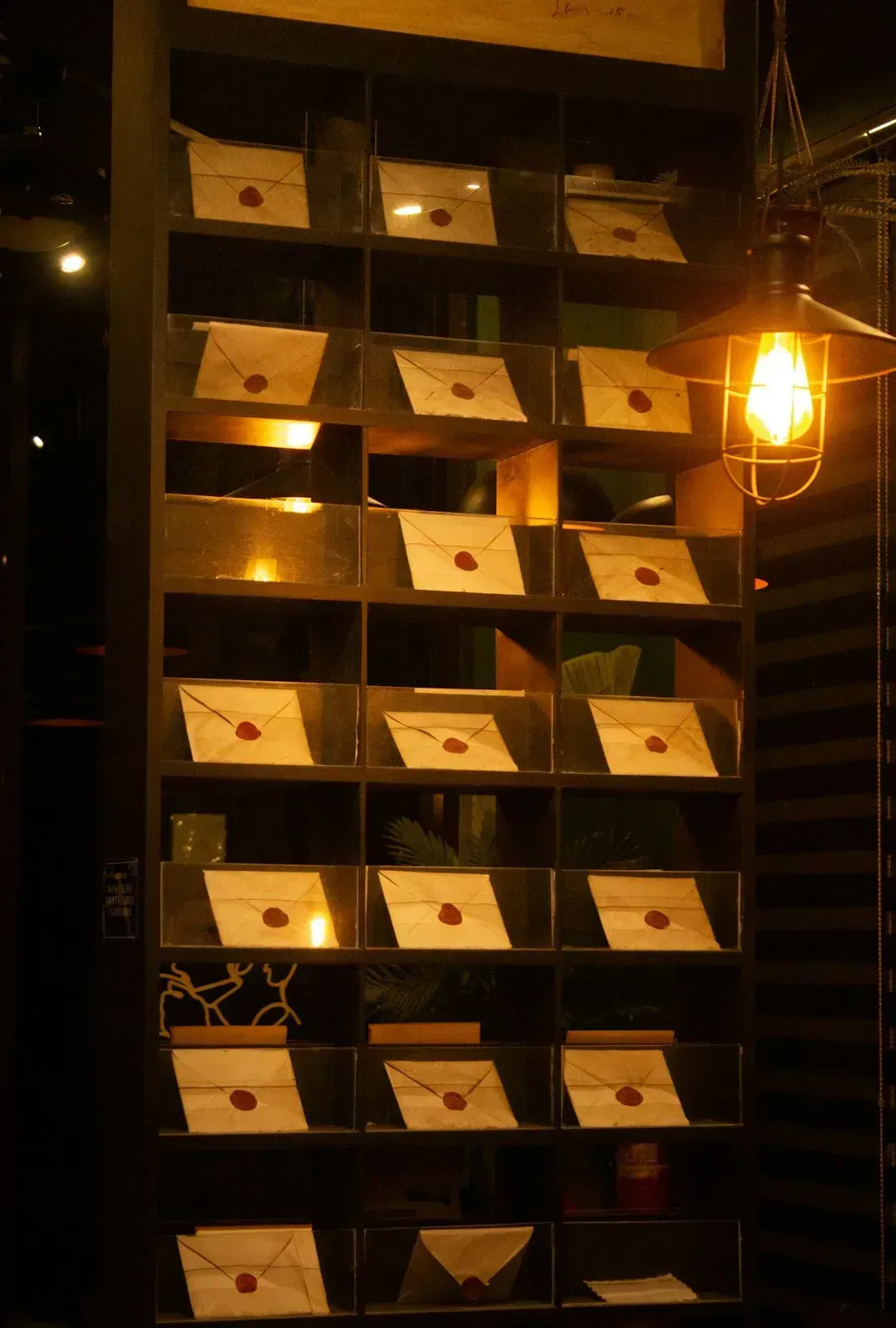
Gift cards seem innocent enough. You load money onto a card, give it as a present, everyone’s happy. Except criminals have found ways to exploit this system, and restaurants are bleeding money because of it. In redemption hijacking, fraudsters acquire the details of a gift card number and PIN and then monitor the card’s balance online, and as soon as the card is loaded with funds, they quickly redeem the balance through purchases or sell the card details to other buyers.
The technique is disturbingly simple. Scammers note down gift card numbers from retail displays or hack into databases. They wait until someone activates the card and immediately drain the balance before the legitimate buyer can use it. According to industry reports, gift card fraud losses amount to hundreds of millions of dollars annually, making this a significant threat to restaurant profitability. Some thieves buy or obtain gift cards through illegal means, such as using stolen credit card details, then sell these gift cards at discounted rates on unofficial websites or online marketplaces.
For diners, this means you could give someone a gift card only to have them discover it’s worthless when they try to use it. Restaurants often refuse to honor cards they suspect were obtained fraudulently, leaving honest customers caught in the middle. The whole system feels rigged, and the frustration is mounting on all sides.
Think twice before you automatically sign that receipt or assume the portions match what you remember. The restaurant industry is navigating brutal economic pressures in 2026, which has unfortunately opened the door for questionable practices. Some are deliberate scams, others are desperate survival tactics that blur ethical lines. Either way, staying alert helps you get what you actually pay for. What do you think about these tactics? Have you noticed any of them yourself?