Jerry Seinfeld’s Social Security Check Compared With the Average American’s
Jerry Seinfeld is one of the most recognizable names in American comedy, and also one of the wealthiest entertainers alive. At 71 years old, he sits atop a financial empire built on decades of stand-up tours, syndication royalties, and streaming deals. Yet despite all that money, there’s a fascinating and surprisingly equal question worth asking: when it comes to Social Security, just how different is his check from yours? The answer reveals a lot about how the system actually works – and who it’s really designed to help.
Jerry Seinfeld’s Staggering Net Worth in 2025 and 2026

The enduring sitcom helped propel Jerry Seinfeld’s net worth to more than $1 billion, according to the Bloomberg Billionaires Index. Experts estimate his net worth at $950 million to over $1 billion as of 2025. That places him comfortably at the top of the entertainment world, richer than most A-list movie stars and Silicon Valley executives combined.
Seinfeld earned the vast majority of his fortune thanks to the sitcom, which has proven to be one of the most profitable shows in television history in terms of syndication royalties, and both he and co-creator Larry David own 15% of the show’s back-end equity points. Since the show ended in 1998, he’s raked in $465 million from syndication deals and another $94 million from selling streaming rights to Netflix. That passive income stream, still flowing years after the cameras stopped rolling, is a key reason his fortune keeps growing.
What the Average American Collects From Social Security in 2026

The average Social Security monthly check for retired workers reached $2,074.53 in January 2026, according to the January Monthly Statistical Snapshot from the Social Security Administration. That translates to roughly $24,894 a year – or, if you were working a full-time job, about $11.97 per hour. For tens of millions of Americans, that check is the financial backbone of their retirement.
The 2.8 percent cost-of-living adjustment will begin with benefits payable to nearly 71 million Social Security beneficiaries in January 2026. On average, Social Security retirement benefits increased by about $56 per month starting in January. While that modest bump sounds encouraging on paper, the Centers for Medicare and Medicaid announced that monthly premiums for Medicare Part B will rise from $185 to $202.90, and since most Medicare enrollees pay this as a deduction from their Social Security payments, the premium hike effectively slashes a beneficiary’s COLA increase.
How Social Security Eligibility Works – and Where Seinfeld Stands

To qualify for Social Security retirement benefits, one must earn 40 credits, which takes at least 10 years since a maximum of four credits can be earned per year. Given that he was born in 1954, Seinfeld’s full retirement age is 66, according to the SSA. However, he could have opted to begin receiving benefits at age 62, but his monthly benefit would have been reduced by 25%. His decades-long career in entertainment would easily satisfy that requirement many times over.
Seinfeld may have opted to delay receiving benefits until age 70, in which case his benefit amount would have increased 8% each year after he turned 66, according to the SSA. Still not actually retired, Seinfeld is currently on tour with dozens of stand-up comedy shows in 2026, and whether he actually receives Social Security checks is unknown. The system is available to him – it’s just that, financially, he doesn’t need it.
The Reality for Ordinary Retirees: Struggling to Get By

A 2025 Retirement Survey estimates that roughly 28% of U.S. seniors, or about 15.7 million Americans over the age of 65, do not have enough income to cover essentials such as food, transportation, and housing. Meanwhile, more than half – another 29.2 million – can afford to get by for now, but don’t feel confident about their ability to do so in the future. For these Americans, the Social Security check isn’t a bonus – it’s everything.
Between 2018 and 2023, older Americans were the only demographic age group that saw an increase in its poverty rates. The UMass Boston Gerontology Institute estimates that roughly 45% of older-adult households – more than 19 million – do not have the income needed to cover basic living costs. In an AARP survey conducted in September 2025, 77 percent of older adults said a 3 percent COLA for 2026 would not be enough to help them keep up with rising prices. The gap between what the system provides and what real life costs remains painfully wide.
How the System Treats the Rich and the Rest Differently
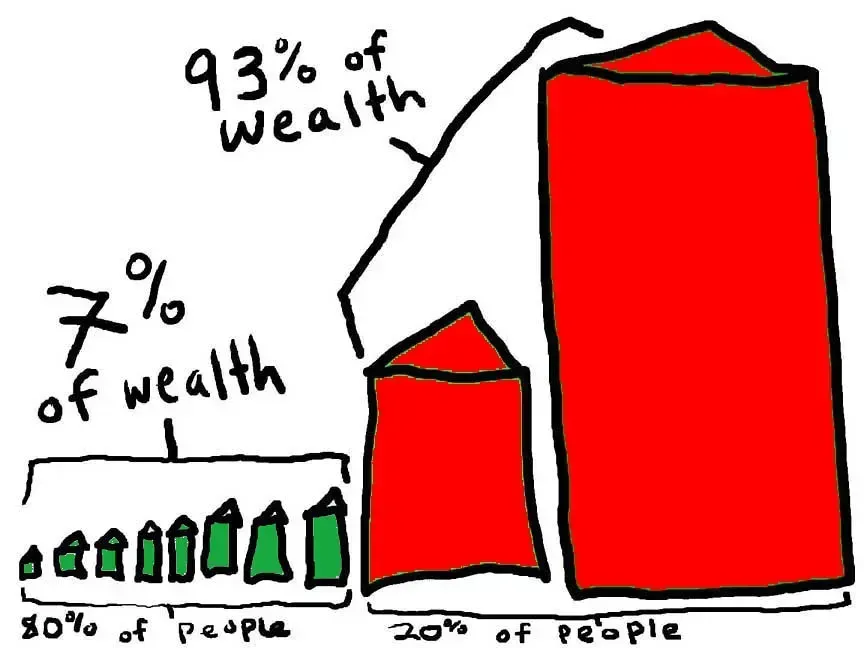
Social Security benefits are far more modest than many people realize, and the system was designed to replace around 40% of your pre-retirement earnings. That formula inherently helps lower earners more, in relative terms, while high earners like Seinfeld receive more in absolute dollars but still a tiny fraction of what they actually made. The maximum total monthly benefit for 2026 ranges from $2,969 to $5,181 depending on when you claim, though these figures assume a worker had steady earnings at the maximum taxable level since age 22, so for most people, these are not realistic.
The maximum amount of earnings subject to Social Security tax – the taxable maximum – will increase to $184,500 in 2026. Any income Seinfeld earns above that threshold is not taxed for Social Security purposes, meaning someone earning $1 billion and someone earning $200,000 pay into the system at effectively the same ceiling. Social Security is a major source of income for nearly 73 million Americans – but for someone sitting on a billion-dollar fortune, it’s little more than a rounding error in their financial picture.