10 Subtle Signs Your Hotel Room Might Not Have Been Properly Cleaned
You check in, drop your bags, maybe kick off your shoes. The room looks fine. Bed’s made, towels are folded, everything seems in order. So you relax.
But here’s the thing: what looks clean and what actually is clean are two very different realities in a hotel room. Current evidence of hotel room cleanliness is largely based on visual observation rather than any empirical microbial assessment, and research has demonstrated that visual assessment does not accurately predict microbial contamination. In other words, your eyes can absolutely be fooled.
Cleanliness is the most important factor for the vast majority of hotel guests when evaluating their overall experience, according to a 2024 study in the Journal of Business and Economics Research. So let’s talk about what your eyes should actually be looking for the next time you check in.
1. A Stale or Musty Odor When You First Walk In

Your nose is honestly your best first tool. Before you even flip on a light, take a deep breath. A properly cleaned hotel room should smell neutral or faintly of cleaning products. It should not smell damp, stale, or like the person who stayed there before you.
A musty odor is one of the key warning signs. Mold has a distinct foul, earthy or damp smell, and if you notice a strong, unpleasant odor in your room, it could be a sign of mold growth. That musty smell is not just unpleasant. It can signal a real health concern.
The en suite bathroom is one of the most likely locations for mold, particularly as most hotel bathrooms lack external windows or proper ventilation. Spores can flourish between the grout of tiles due to constant moisture and humidity. If the smell hits you the moment the door swings open, take it seriously.
2. The TV Remote Feels Sticky or Grimy
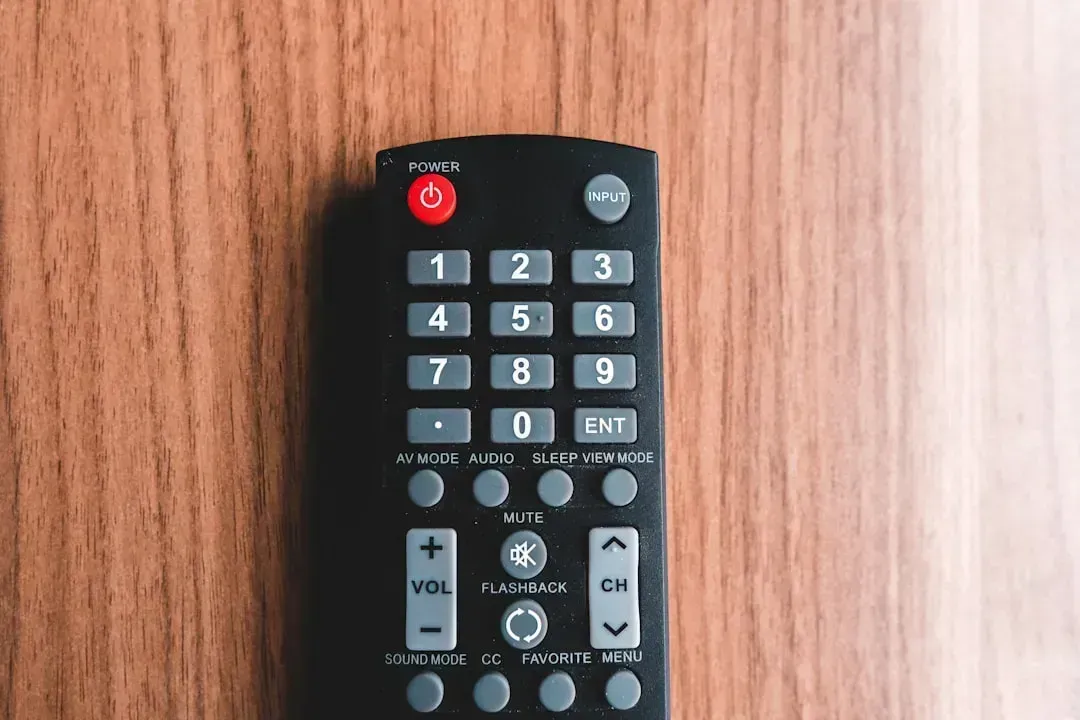
This one might seem minor. You pick up the remote, click around for a channel, and that’s that. But let’s be real: the TV remote is one of the most touched objects in any hotel room and also one of the least cleaned.
Researchers found that light switches and TV remotes were among the objects most heavily contaminated with bacteria, with toilets and bathroom sinks also showing high levels of microbial organisms. Think about how many hands have grabbed that remote since its last proper wipe-down.
In three-star hotels, the remote control has been found to harbor Bacillus spp, which could be associated with various infections, including respiratory and gastrointestinal illness. If the remote feels tacky, has visible smudges, or still has crumbs wedged between its buttons, that’s a clear red flag. Pack a disinfectant wipe. It takes five seconds.
3. The Bedspread or Comforter Looks Too “Lived In”
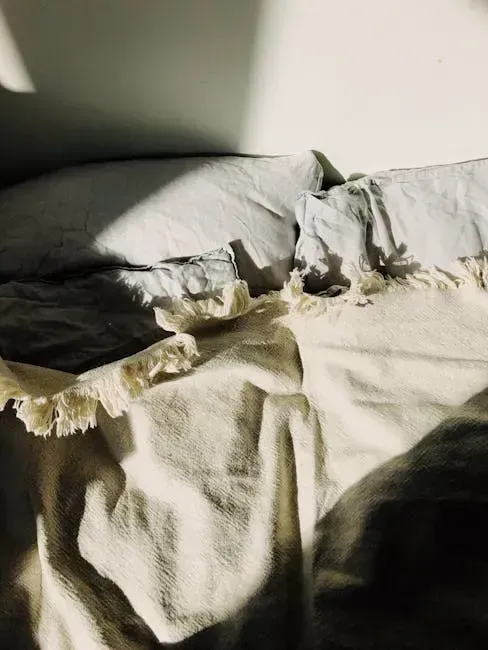
Hotels are generally decent about washing sheets and pillowcases between guests. The comforter or bedspread is a different story entirely. Honestly, this is one of those things you probably don’t want to think too hard about.
Unlike sheets, it’s rare for comforters to get washed between guest stays. Some hotel housekeepers admit that these top layers are only changed if there is a spill or a funky smell, and the primary reason is the sheer size of these pieces and the resources required to launder them daily.
When it comes to decorative bedspreads, cleanliness standards may be particularly inconsistent. According to industry reports, some hotels have been found to wash decorative bedding only four times per year. If the comforter smells off, feels damp, or shows any visible staining, pull it off the bed immediately and request a fresh one from the front desk.
4. Hair on the Sheets or in the Bathroom

Few things communicate “this room wasn’t cleaned properly” quite as clearly as finding someone else’s hair. It’s small. It’s easy to miss on a rushed turnover. But it tells you a lot.
Even a single stray hair on the bed can undermine the entire guest experience. Guest reviews consistently show that small lapses in visible cleanliness, such as a hair on the sheets or a smudge on a glass, can make guests question the overall hygiene standards of the hotel.
In a survey of European hotel guests, the three most important bedroom cleanliness factors were clean linen, no evidence of previous guests, and the absence of bad smells or odours. Finding hair is literally the opposite of “no evidence of previous guests.” Pull back the sheets. Check the pillow. A 30-second inspection before getting comfortable is well worth it.
5. Mold or Dark Spots in the Bathroom Grout
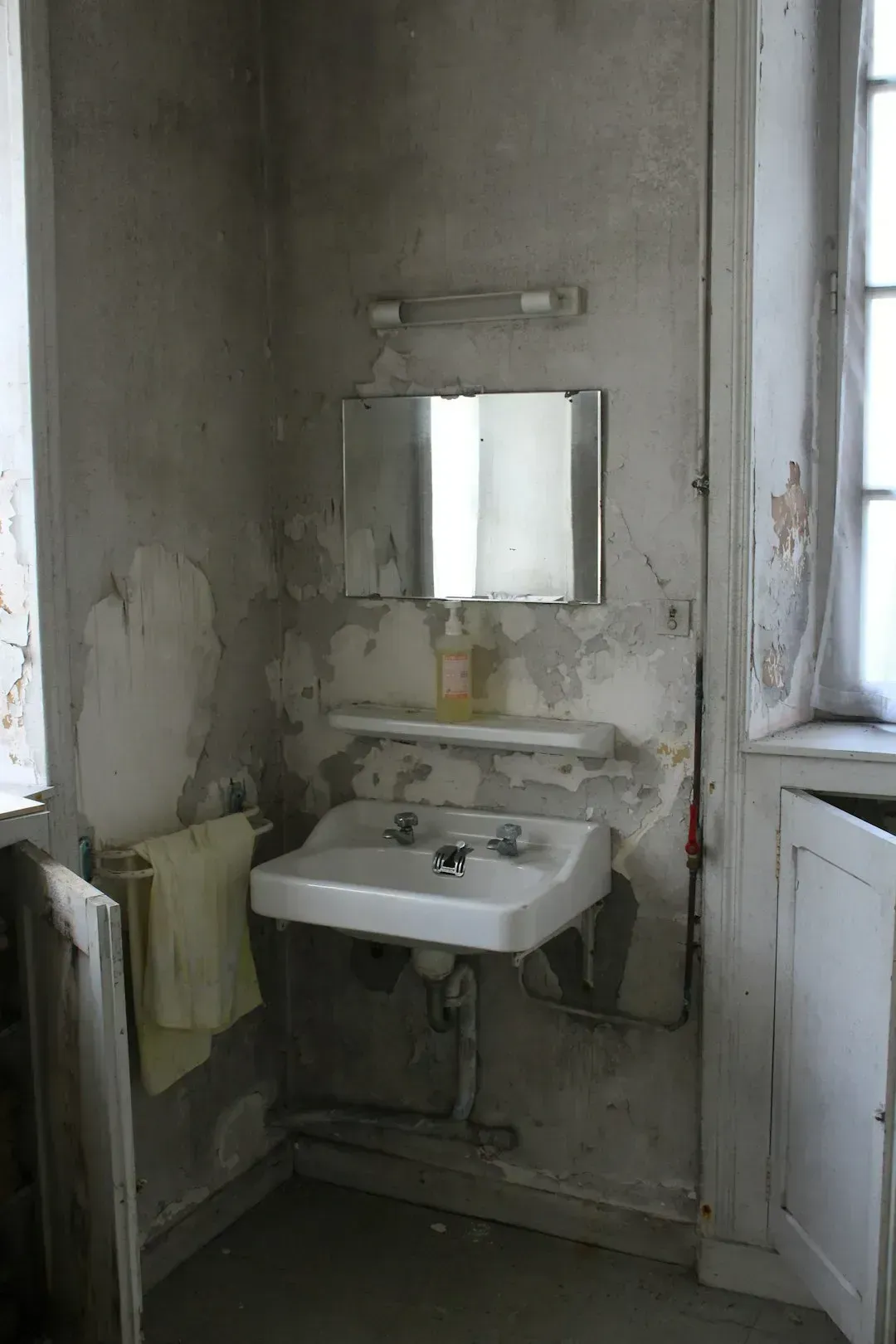
Bathroom grout is one of those places that’s easy to clean superficially but hard to keep truly spotless. Dark spots in the grout lines around the shower, tub, or sink tiles are not just cosmetic issues.
The bathroom is one of the most likely locations for mold, as most hotel bathrooms lack external windows or ventilation to the outside. Spores can flourish between the grout of tiles due to constant moisture and humidity, and corners or wall joins near drains or taps are the most likely spots.
It’s worth checking corners for mold or mildew, especially in shower areas and around window frames. If you spot black spots in shower grout or caulking, experts recommend requesting a different room, as this indicates ongoing moisture issues that could affect your respiratory health. Don’t brush this one off as just “old grout.” Your lungs will thank you.
6. Dust Buildup on Vents, Lampshades, or Headboards
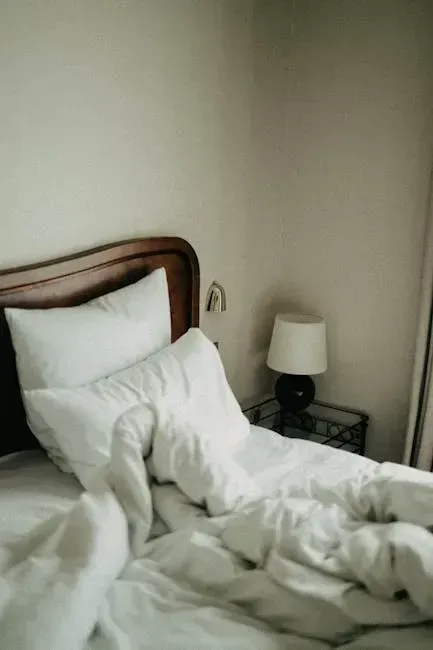
Here’s a quick test. Run your finger along the top of the headboard, or take a look at the air vent near the ceiling. Dust builds fast in hotel rooms, especially in areas that get a lot of airflow. These are spots housekeeping can easily skip under time pressure.
Hotel guest rooms should take no more than 30 minutes to clean, meaning high-touch surfaces like remote controls, light switches, and bathroom fixtures are typically prioritized first. Lower-touch surfaces like headboards and vents are often only addressed during periodic deep-cleans. That means they can go a long, long time without attention.
Checking air vents for dust accumulation or mold is a recommended step when inspecting a hotel room. Vents should be firmly attached and properly aligned. A thick layer of grey dust on a vent tells you the air being circulated through that room has not exactly been filtered through a pristine system. It’s worth noting, and worth mentioning to the front desk.
7. The Bathroom Drinking Glass Isn’t Sealed or Replaced
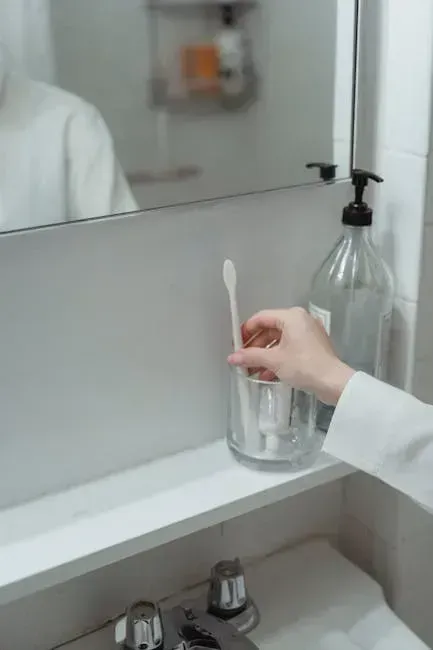
It seems like such a small thing. A glass sitting on the bathroom counter, maybe polished to a shine, ready to use. But how was it cleaned? This question has a surprisingly uncomfortable answer in many hotels.
Toilets and bathrooms tend to be cleaned more thoroughly than the rest of a hotel room, though if the drinking glass in the bathroom is not disposable, it should be washed before use, as guests can never be sure if it has been cleaned properly.
In some hotels, glasses and cups are only sometimes replaced between guests. If you walk into your hotel room and find a glass on the bathroom shelf with no sealed plastic wrap around it and no visible indication it’s been sanitized, treat it with skepticism. Use a wrapped cup if one is available, or simply skip it and use a bottle of water instead.
8. The Carpet Looks Stained or Smells Damp
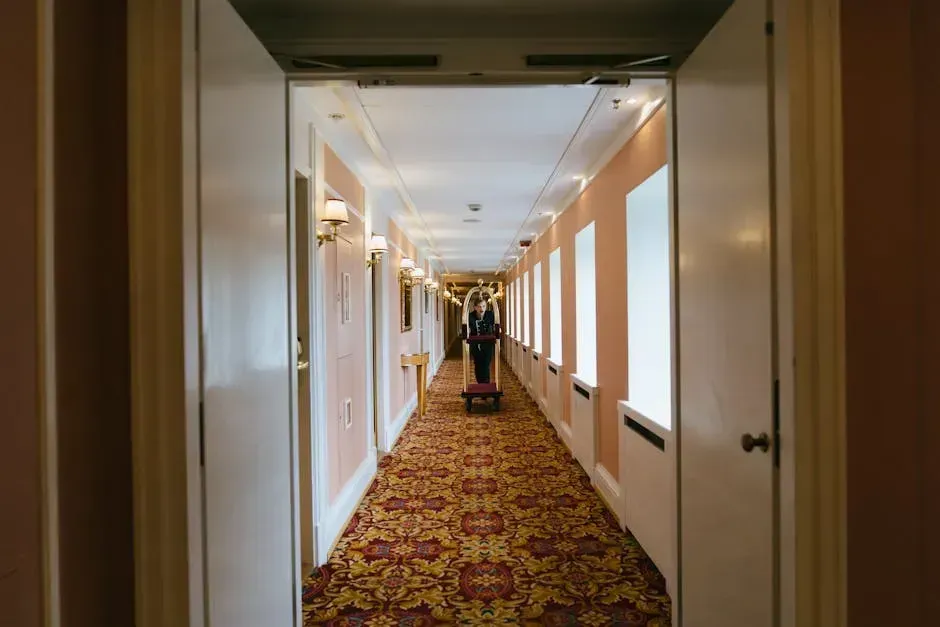
Hotel carpets are a fascinating study in hidden filth. They look okay from the door. Then you step on a soft spot, or catch a whiff of something musty, and suddenly you’re very glad you kept your shoes on.
Neglected hotel carpets can hide mold, allergens, and even pests. The problem is that deep cleaning is rarely done on a guest-by-guest basis. It’s scheduled maintenance, which can mean weeks pass between proper treatments in busy hotels.
Hotel carpets, with the high volume of traffic that passes through, can easily become hotbeds for mold growth. Mold can grow in as little as 24 to 48 hours, meaning any moisture that soaks into the carpet from a spilled drink, damp towel, or wet feet provides an opportunity for fungus to thrive. The main problem is that mold growth can continue for a while without being noticed. Walking barefoot on hotel carpets is genuinely not a great idea. Bring slippers.
9. Stains on the Mattress Under the Sheets
Most guests never check the mattress itself. You pull back the top sheet, maybe feel if it’s crisp and fresh, and then you’re done. But taking 30 extra seconds to pull back the sheet and look at the mattress underneath can be very revealing.
If the bed smells musty, that’s a significant indicator that it may be harboring mold. You can take a look at what’s under the sheets, as discoloration on the mattress itself could be a sign of mold. There might also be visible dark mold spots underneath the mattress, which is an absolute reason not to sleep there.
Pillows can accumulate dust mites and allergens over time. Peeling off the pillowcase and inspecting the pillow is worth doing. If it’s noticeably stained, odorous, or yellowed, calling the front desk to request new ones is a reasonable step. It’s not dramatic to check. It’s just smart.
10. High-Touch Surfaces That Feel Sticky or Look Smudged
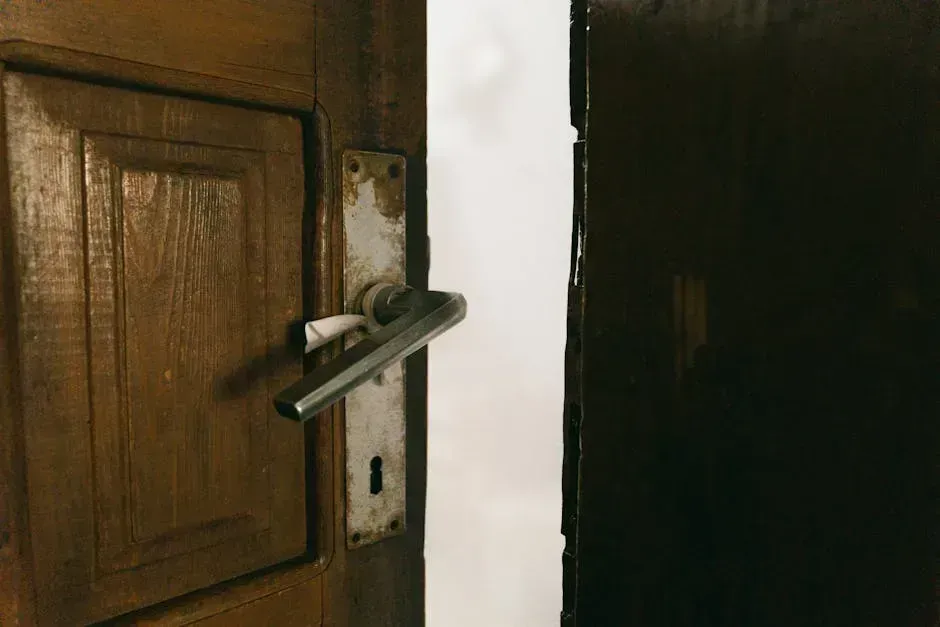
Light switches. Door handles. The telephone handset. The thermostat dial. These are the surfaces that every single guest touches, often multiple times a day, and that are easiest to miss during a quick turnaround clean.
Research from the University of Houston found that light switches in hotels were not being cleaned properly. In some studies, housekeepers inadvertently carried bacteria to multiple rooms by reusing the same sponge and mop, resulting in bacteria levels in hotel rooms found to be between two and ten times higher than the levels accepted in hospitals.
Housekeeping practices vary across brands and properties with little or no standardization industry wide. That lack of standardization is exactly what makes subtle signs so important to catch. A smudged light switch, a sticky door handle, a phone handset with visible residue, these are all quiet signals that the room’s high-contact zones were skipped. The most common infections people pick up from hotel rooms are tummy bugs, along with respiratory viruses such as colds and pneumonia. Wiping down those surfaces yourself takes under a minute and is genuinely worth it.